What Are the 2026 Best Endcap Displays for Global Buyers?

Time:2026-10-10 Author:Amelia
0%

What are the 2026 best Endcap Displays for global buyers? The answer depends on product category, store format, shopper behavior, and local operating conditions. A strong display is not merely attractive. It must hold products securely, support quick replenishment, and communicate value within a few seconds. For buyers comparing suppliers, measurable performance matters more than impressive showroom images.

This guide examines Endcap Displays designed for modern retail environments, including modular metal units, recyclable board structures, illuminated shelves, and digitally enhanced fixtures. We consider load capacity, assembly time, packaging efficiency, material durability, and compatibility with different planograms. A display shipped across several markets may face humidity, rough handling, limited storage, or uneven floors. Small details matter. Adjustable shelves can reduce waste. Tool-free assembly can shorten installation work. Clear labeling can prevent expensive mistakes.

Experience also reveals a less convenient truth: the most advanced display is not always the best investment. Digital features may attract attention but create maintenance demands. Lightweight materials may reduce freight costs but weaken long-term stability. Even reliable prototypes can perform differently in busy stores. Buyers should request test samples, review safety documentation, and compare results from real retail trials. This article offers a practical framework for evaluating the 2026 leading options, while recognizing that product claims require independent verification. Some recommendations may need revision as retail technology, sustainability standards, and shopper expectations continue to change.
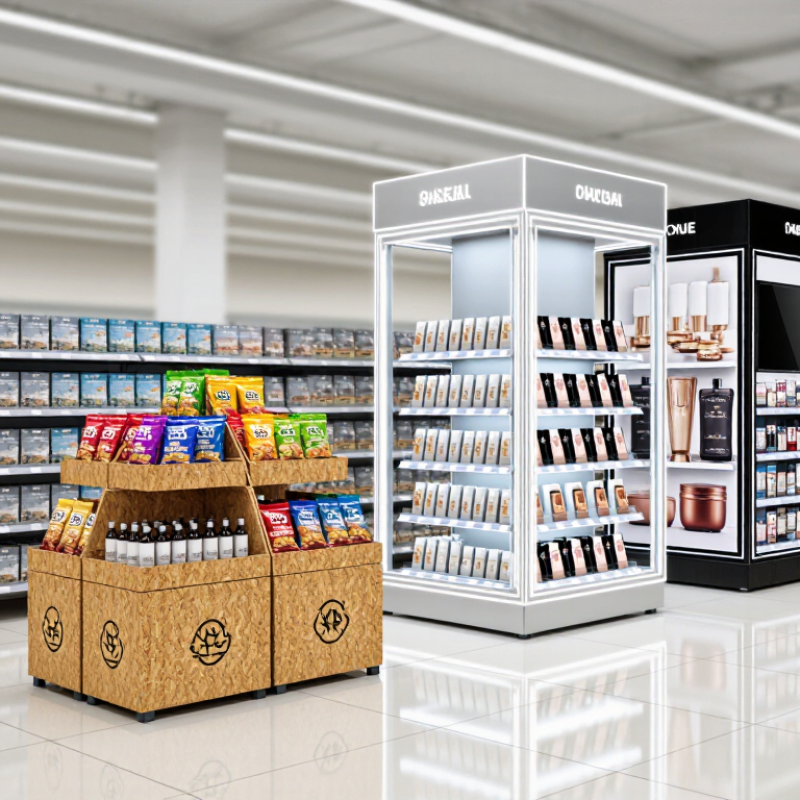
What Are the 2026 Best Endcap Displays for Global Buyers?

Defining the Role of Endcap Displays in 2026 Global Retail

In 2026, endcap displays are no longer just promotional shelves. They are high-visibility tools for global retail. Their role connects product discovery, store navigation, and measurable conversion. A well-planned endcap can present seasonal goods, explain unfamiliar products, and reduce browsing time. Its position at the aisle end creates a brief decision window. That window matters.

For global buyers, flexibility is becoming essential. A modular frame with adjustable shelves can support different package sizes and local assortments. Clear pricing, multilingual instructions, and accessible product information build shopper confidence. Durable materials also matter in busy stores, where carts may touch lower panels daily. Some retailers now add scannable information, but digital features should remain optional and simple. A shopper should not need a phone to understand the offer.

Reliable evaluation requires more than attractive photographs. Buyers should compare assembly time, replacement-part access, safety testing, and performance across store formats. A 1200-millimeter display may work in a large hypermarket but block movement in a compact urban shop. Local teams should test sightlines, lighting, and replenishment speed before wider deployment. The model is not flawless. Too many messages create visual noise, while excessive standardization can ignore regional habits. Strong endcap planning leaves room for local judgment, even when global specifications guide the process.

Comparing 2026 Endcap Display Types and Their Best Uses

For global buyers, endcap choice should match the shopper mission, product weight, and store climate.

A pallet display suits high-volume promotions and bulk cartons. It installs quickly, but it can look temporary.

Modular shelving offers better height control and supports mixed assortments. It works well for seasonal goods and smaller packages.

Refrigerated endcaps protect temperature-sensitive products, though energy use and maintenance require careful planning.

POPAI’s Shopper Engagement Study reported that about 82% of purchase decisions occur in stores, making endcap visibility commercially important.

Digital endcaps add motion, pricing updates, and multilingual content. They fit technology-led stores, but screens may distract shoppers or fail in bright aisles.

Retail Insight Network reports also show that shoppers increasingly expect clear product information at the point of purchase. That favors simple layouts with visible prices and short messages.

Dump bins are effective for low-cost, grab-and-go items near busy entrances. They create strong visual density.

However, poor replenishment quickly makes them appear disorganized.

For international rollouts, buyers should test aisle width, loading access, local packaging sizes, and recycling requirements.

A display that performs well in one market may block sightlines elsewhere. This is often underestimated.

Small pilot tests, photographed at shopper eye level, can reveal problems that computer drawings miss.

Evaluating Materials, Technology, and Sustainability Features

What Are the 2026 Best Endcap Displays for Global Buyers?

For 2026, endcap displays should balance visual impact with verified sustainability. NielsenIQ’s 2023 State of Sustainability report found that 78% of consumers consider sustainability important. Buyers should specify FSC-certified board, recycled steel, and water-based inks. Modular panels can reduce replacement waste. They also simplify shipping across different markets. Ask suppliers for chain-of-custody records and recycled-content declarations. Do not rely on attractive claims alone. Documentation matters.

Technology should solve a measurable retail problem. A small e-ink price panel may consume less energy than a bright video screen. A QR code can provide product information without adding printed layers. However, every electronic component creates future maintenance and recycling duties. The Global E-waste Monitor 2024 reported 62 million tonnes of e-waste in 2022, with only 22.3% formally collected and recycled. Endcaps need replaceable batteries, accessible wiring, and clear disassembly instructions. Keep the hardware simple.

Performance testing should happen before international production. Measure assembly time, carton volume, shelf visibility, and resistance to daily contact. Test the display under heat, humidity, and repeated cleaning. A practical pilot can reveal weak joints and confusing instructions. Recycled materials may show color variation. That is acceptable, but buyers should define tolerances early. My concern is that sustainability scoring can become decorative. Repair time, material recovery, and transport weight deserve equal attention.

Matching Endcap Displays to Regional Markets and Buyer Needs

In 2026, the best endcap display is not a universal fixture. It is a market-fit selling tool. Global buyers should begin with shopper behavior, store format, and local climate. A compact, two-sided unit can suit dense urban stores in East Asia. Wider shelves may work better in warehouse-style outlets across North America. In narrow European aisles, rounded corners and controlled depth reduce obstruction. Keep it practical.

Regional demand also changes the display’s working details. Hot, humid markets need moisture-resistant boards, sealed edges, and stable connectors. Dry regions may require anti-static surfaces and stronger dust protection. In multilingual markets, use clear symbols with short language blocks. A 30-centimeter lower shelf can improve access for children and seated shoppers. Adjustable hooks help buyers test seasonal assortments without rebuilding the frame. I have seen teams overvalue appearance and undervalue replenishment time. That mistake becomes expensive during weekend traffic.

Buyer needs should guide every measurement. Grocery buyers often prioritize fast restocking, washable surfaces, and visible price zones. Home-care buyers may need heavier load ratings and secure shelf lips. Promotional buyers often prefer modular headers, removable panels, and tool-free changes. Ask suppliers for load tests, material data, cleaning guidance, and sample assembly records. Request photos from stores, not only studio renders. Some displays look efficient on paper but block neighboring products. Measure the refill. The design may need another revision. Reliability is proven on the sales floor, under real pressure.

What Are the 2026 Best Endcap Displays for Global Buyers?

Matching endcap displays to regional markets and buyer needs

The benchmark compares five practical requirements for 2026 endcap planning. North American buyers typically prioritize omnichannel integration and fast seasonal changeovers, European markets place greater emphasis on compact footprints and sustainable materials, while Asia-Pacific and Middle Eastern markets show stronger demand for multilingual communication, visibility, and weather-resistant construction. Scores are planning priorities on a 0–100 scale rather than market-share data.

Selecting Suppliers, Costs, and Performance Standards for Global Orders

What Are the 2026 Best Endcap Displays for Global Buyers?

Selecting an endcap supplier requires more than attractive drawings. Buyers should inspect material samples, production records, and previous export experience. A reliable supplier explains steel thickness, board density, coating quality, and load limits clearly. Ask for a prototype before approving a large order. This small step often reveals weak joints, unstable bases, or difficult assembly.

Costs should include tooling, packaging, freight, duties, installation, and replacement parts. A low unit price can hide expensive carton damage or complicated setup. Request a complete quotation with currency, delivery terms, payment stages, and warranty conditions. For global orders, confirm pallet dimensions and container loading plans. These details affect landed cost significantly. Not every supplier calculates them accurately.

Performance standards should cover weight capacity, tip resistance, shelf adjustment, lighting safety, and surface durability. Use practical tests, such as repeated loading and unloading in a warehouse. Check whether graphics remain readable after handling and temperature changes. Independent inspection can verify production consistency before shipment. It adds cost, but prevents larger losses. I would also allow schedule space for corrections. My own planning has sometimes been too optimistic. Supplier promises need evidence, not confidence alone.

FAQS

Which endcap type suits high-volume promotions?

A pallet display works well for bulk cartons and fast-moving promotions. It installs quickly. However, it may look temporary and less polished.

When should buyers choose modular shelving?

Modular shelving suits seasonal products, smaller packages, and mixed assortments. Its adjustable height supports different product sizes. It also ships efficiently across several markets.

When is a refrigerated endcap appropriate?

Use a refrigerated endcap for temperature-sensitive products. Plan for energy use, maintenance access, and local store conditions. Heat and humidity can expose weak planning.

What makes a digital endcap useful?

Digital displays can show motion, updated prices, and multiple languages. They suit technology-led stores. Bright aisles may reduce screen visibility or distract shoppers.

How can buyers keep an endcap easy to understand?

Use visible prices, short messages, and a simple product layout. Shoppers should understand the offer within seconds. Too much information creates hesitation.

Where do dump bins perform best?

Dump bins suit inexpensive, grab-and-go products near busy entrances. They create strong visual density. Poor replenishment quickly makes them look messy.

What should global buyers test before rollout?

Test aisle width, loading access, packaging sizes, and recycling requirements. Photograph the display from shopper eye level. Computer drawings can miss blocked sightlines.

How should sustainability claims be checked?

Request certification records, recycled-content declarations, and material details. Consider recycled board, steel, and water-based inks. Good claims need evidence.

What performance tests should suppliers complete?

Test assembly time, load capacity, tip resistance, cleaning, heat, and humidity. Check joints, bases, graphics, and shelf adjustments. Test it first.

What costs should a global order include?

Include tooling, packaging, freight, duties, installation, and replacement parts. Confirm pallet dimensions and container loading plans. A low unit price can hide expensive problems. My planning can be too optimistic.

Conclusion

In 2026, Endcap Displays will remain a powerful tool for attracting shopper attention, organizing product categories, and supporting fast purchasing decisions in global retail environments. The best solutions will be selected according to store layout, product size, traffic patterns, campaign goals, and regional shopping habits. Retailers and buyers may compare modular shelving, freestanding units, illuminated structures, interactive displays, and compact promotional systems to determine which format delivers the strongest combination of visibility, flexibility, and space efficiency.

Material selection and technology will also shape purchasing decisions. Durable, lightweight, recyclable, and easy-to-assemble materials can improve sustainability and reduce shipping complexity, while digital information, adjustable lighting, and data-supported merchandising may enhance engagement. Global buyers should evaluate local market preferences, climate conditions, installation requirements, customization options, supplier reliability, total landed cost, safety specifications, and expected service life. A successful order should balance visual impact, operational performance, sustainability objectives, and consistent quality across different regions.

Amelia

Amelia

Amelia is a seasoned marketing professional with a wealth of expertise in our company’s core offerings. With an unwavering passion for driving growth and innovation, she plays a pivotal role in shaping our marketing strategies and enhancing brand visibility. A key aspect of her responsibilities......