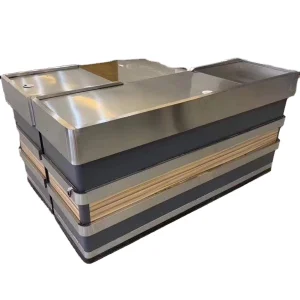
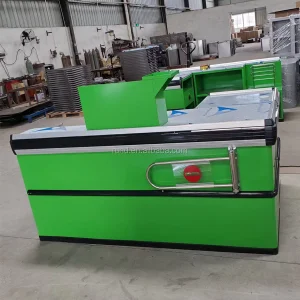
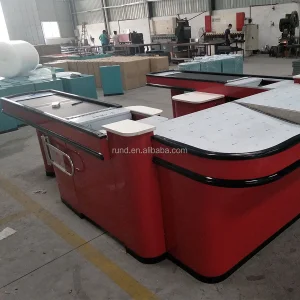
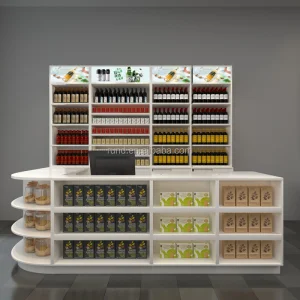
Explore our signature collection of commercial checkout units designed for high-density traffic, integrating modern steel and MDF framing with advanced ergonomic features.
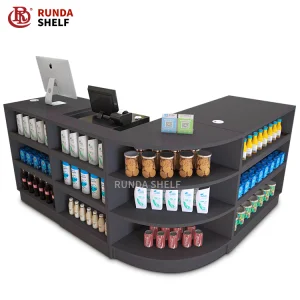
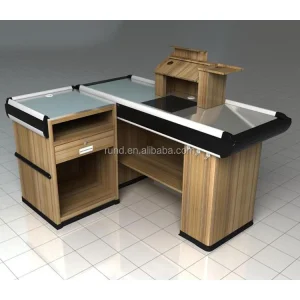
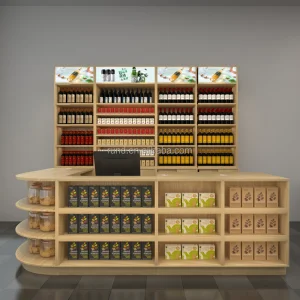
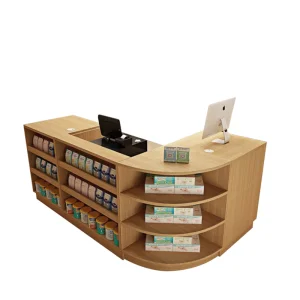
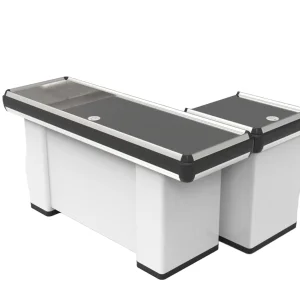
A comprehensive study on structural composition, ergonomic patterns, and loss-prevention systems at the point of sale.
Modern retail checkout counters represent the nexus of consumer behavior, store ergonomics, and high-precision structural design. Far from being simple tables or cash wraps, contemporary POS terminals act as vital pipelines that affect transacting speed, inventory control, and retail shrinkage rates. As physical supermarkets encounter evolving digital environments, retail spaces demand physical fixtures that support swift scanning systems, multi-tiered structural resilience, and integrated customer facing displays.
The manufacturing process of these fixtures relies on high-grade materials science. Top-tier factories prioritize heavy-duty cold-rolled steel and high-durability medium-density fiberboard (MDF) to withstand the perpetual impact of conveyor movements, customer carts, and massive load capacities. In high-traffic grocery stores, the top surface is frequently specified as AISI 304 stainless steel, which protects against structural abrasion and ensures strict food-grade cleanliness protocols.
Ningbo CrownRacking Intelligent Warehouse Tech Co., Ltd. has been pioneering retail layout and warehouse solutions since 2018. Operating from a state-of-the-art 46,500 m² modern production facility, the enterprise delivers highly engineered checkout solutions backed by rigorous testing systems and ISO quality standards.
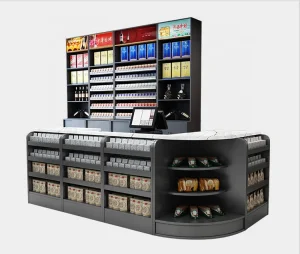
Effective checkout layouts utilize "User Intent Mining" to capture impulsive purchasing choices. Integrating corner racks and customized side shelves alongside cashier desks allows retail operators to maximize their Point of Purchase (POP) space. The orientation of the counter, the angle of the conveyor, and the height of the scanner must match ergonomic principles to prevent cashier strain during long shifts.
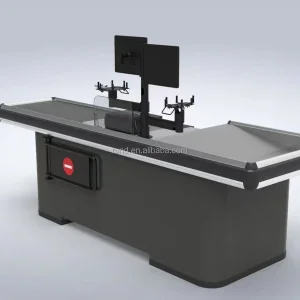
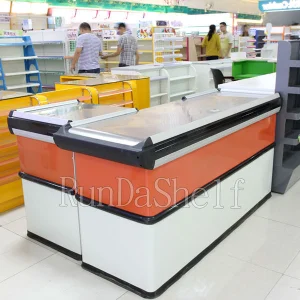
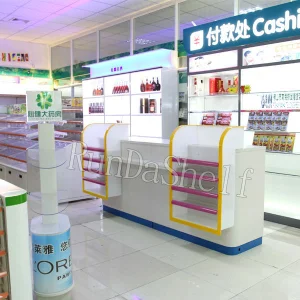
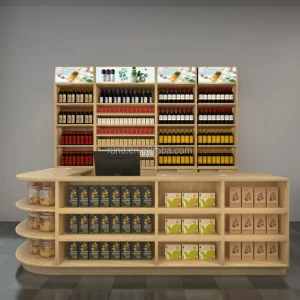
Furthermore, globalized retail spaces require highly modular structures. High-volume hypermarkets often require belt-driven checkout desks with integrated laser scanner mounts, automatic sensors, and pneumatic control panels. Conversely, boutique clothing stores and independent small businesses prioritize aesthetic appeal, choosing wooden structures or customized steel-wood combinations. Adapting structural designs to specific retail contexts ensures lower friction and elevated transaction processing speeds.
Our manufacturing pipeline balances high-density industrial fabrication with precise structural measurements.
Every cash desk structure undergoes stress testing to evaluate load capacities under high-intensity cashier activity, preventing structural failure over time.
We utilize coordinate measuring machines to ensure all laser cut steel and MDF components join seamlessly, maintaining tight tolerances under 0.1mm.
Electromagnetic testers verify that the powder coat thickness across steel frameworks resists chipping, corrosion, and regular cleanings.
Inside our 46,500 m² production complex: high-end calibration gear, professional engineers, and industrial machinery.
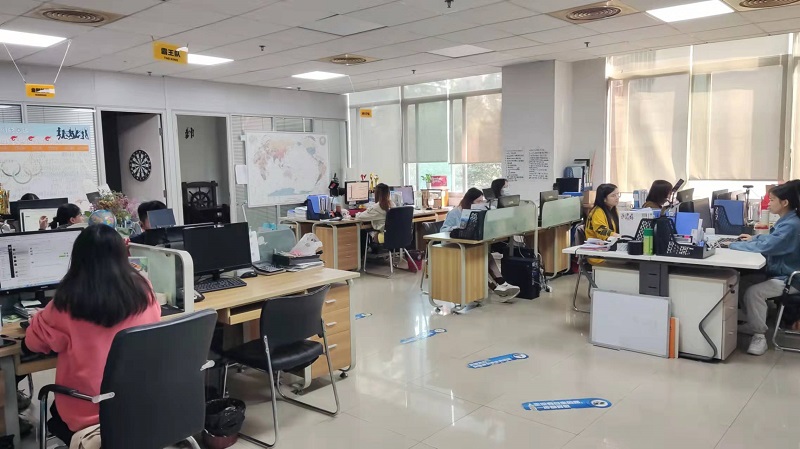
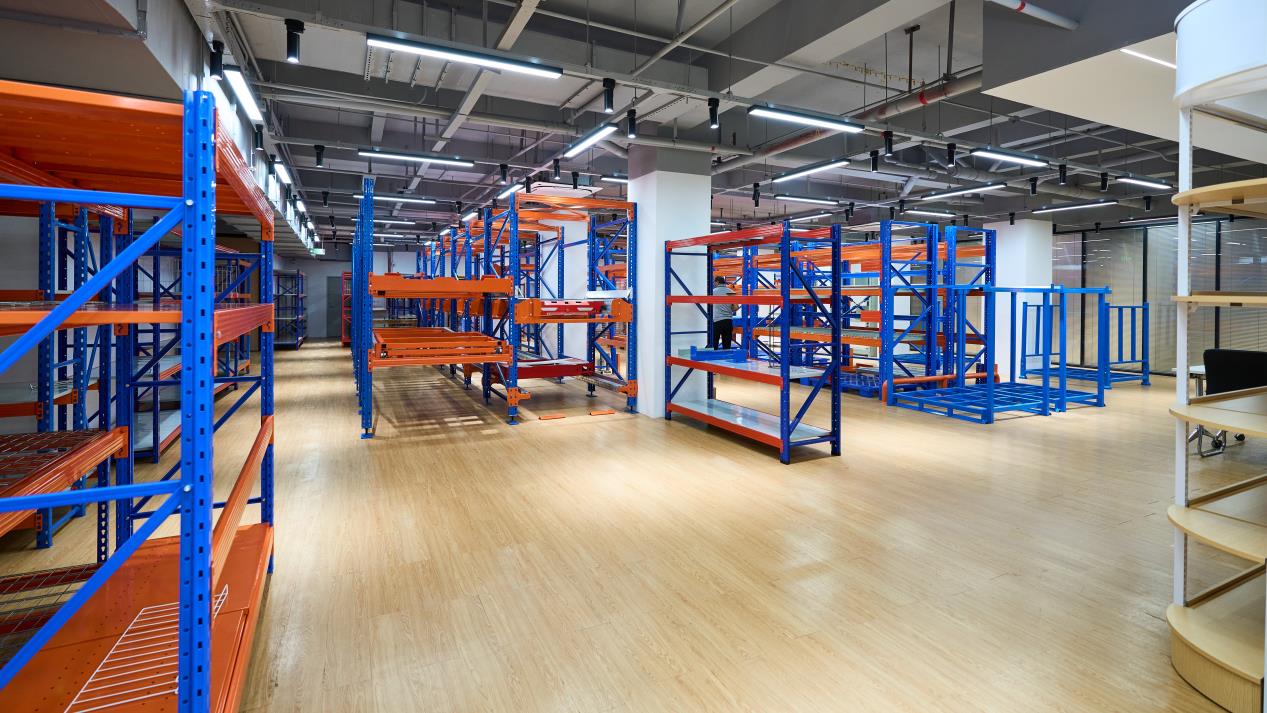
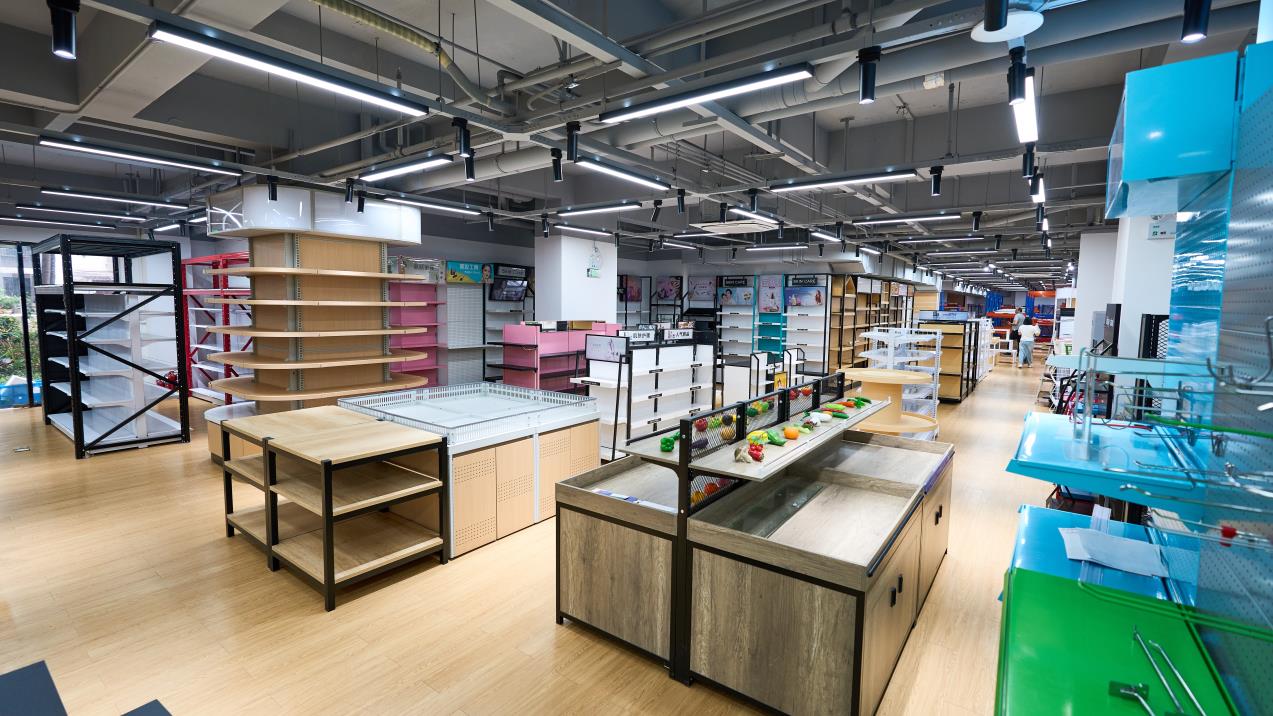
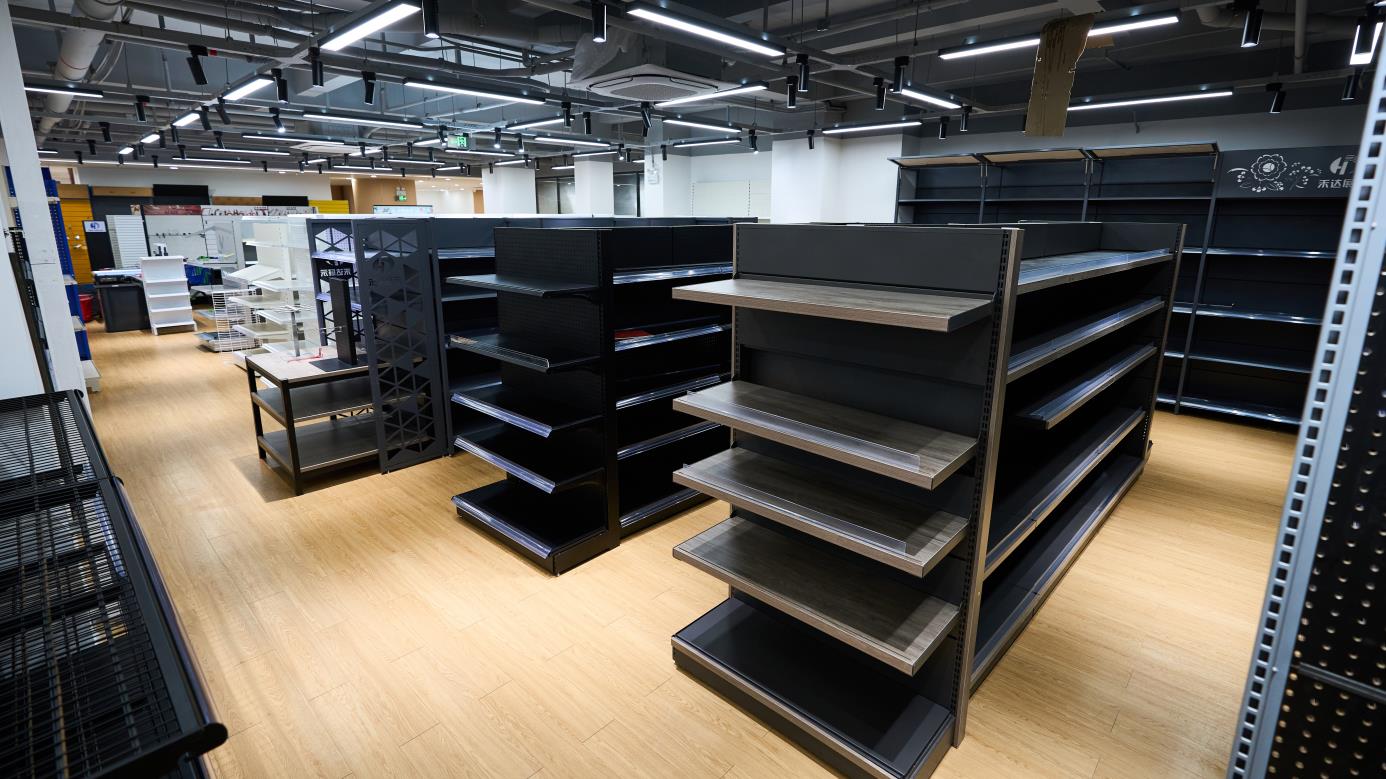
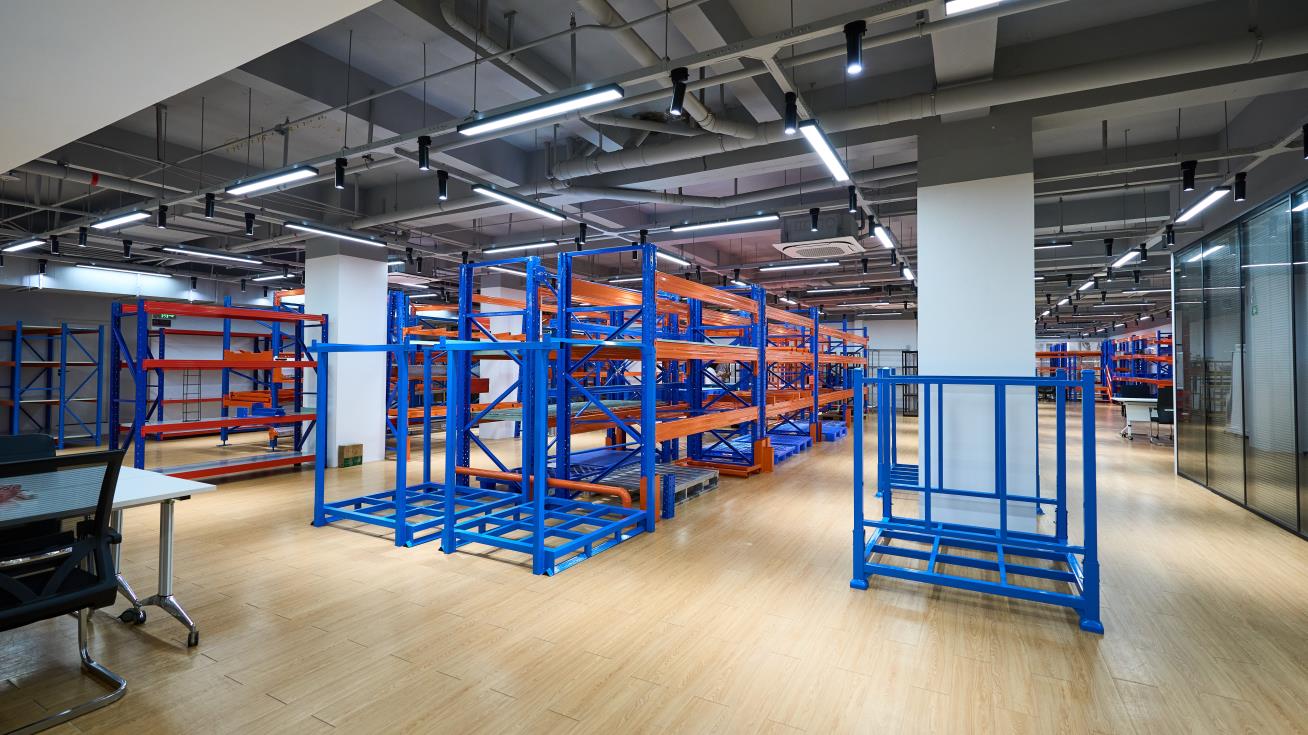
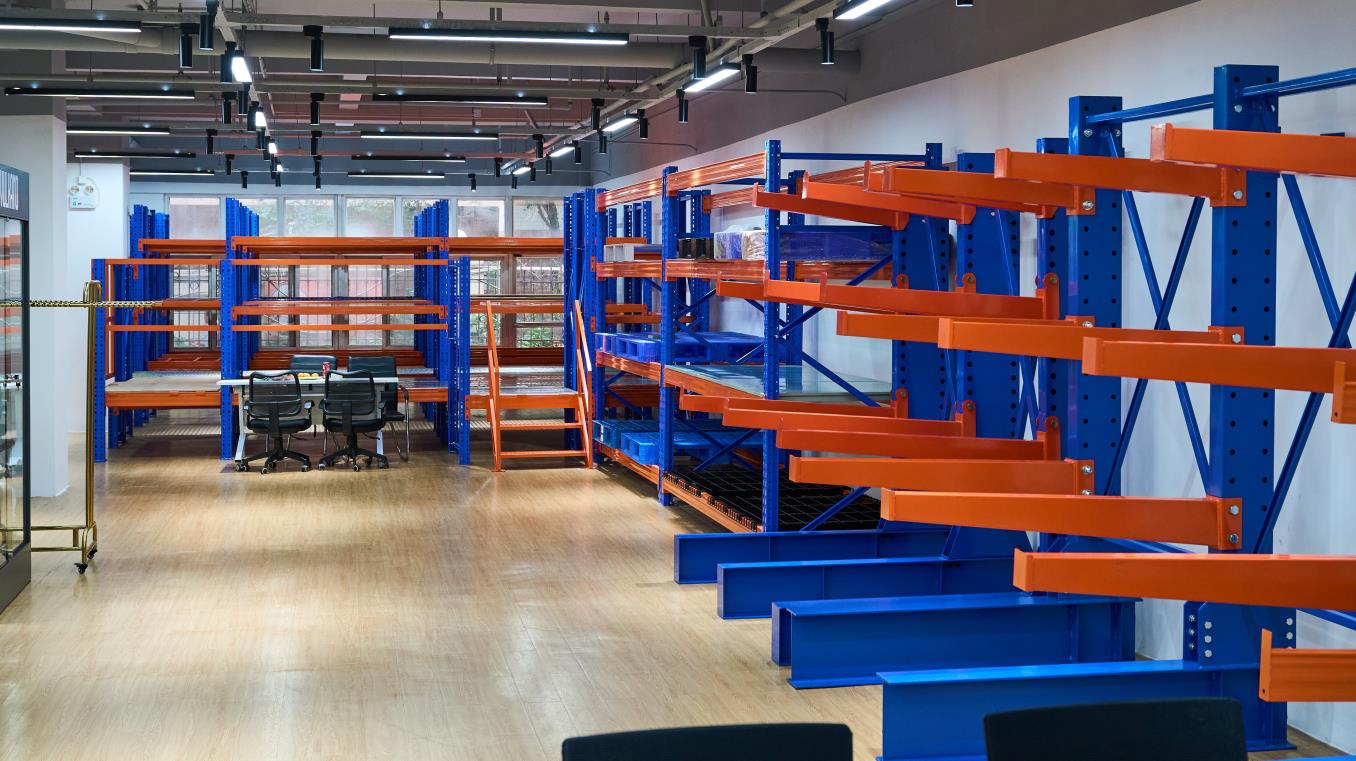
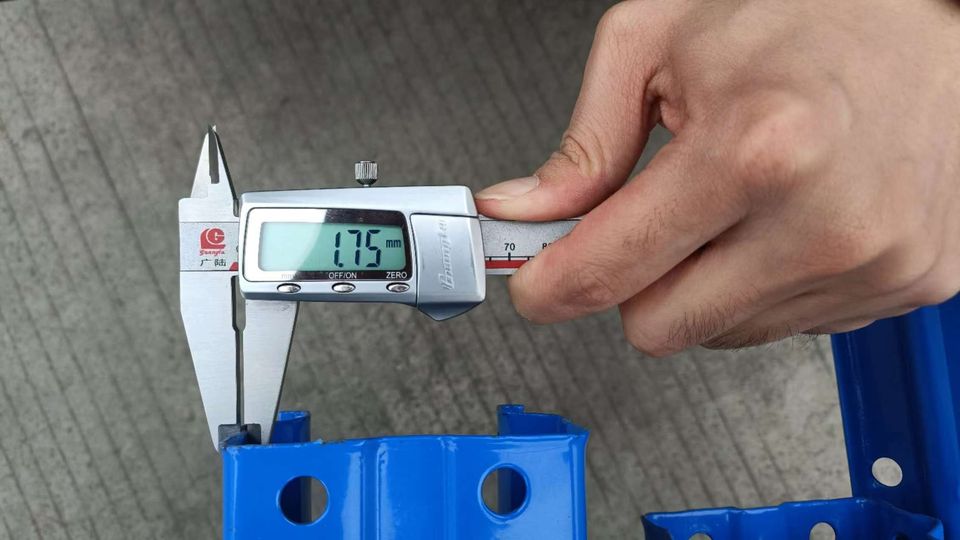
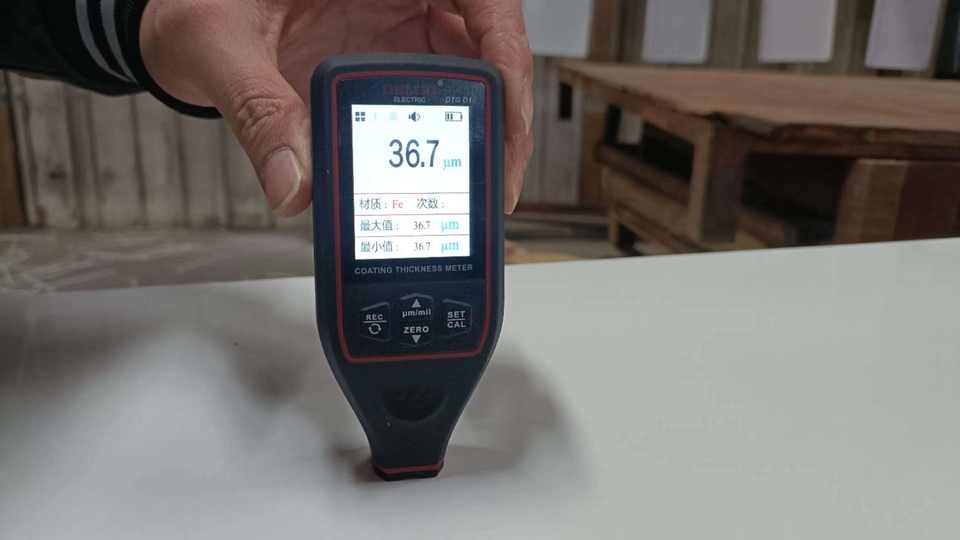
Adapting modular cashier desk designs to diverse international markets, regulatory frameworks, and store layout styles.
In high-capacity retail markets like the United States and Canada, supermarket checkout stands are built for maximum durability. Because typical American transactions involve large carts and high volume, regional designs feature steel conveyor belts, automatic cash registers with corner racks, and built-in scale shelves. The primary focus here is processing speed and cashier productivity. The structure requires rigid support to prevent vibrations from belt motors and scanner scales from affecting weight calculations.
Scandinavian and Northern European retail settings focus heavily on worker safety, noise mitigation, and clean aesthetics. Factories catering to these regions must offer customized wood finishes, soft-touch MDF panels, and cashier seating options that minimize physical stress. The design elements must be clean, with integrated cable runs to hide all power lines, card machines, and scanner cabling.
Australian retailers favor checkout setups that double as high-yield promotional units. Standard designs feature double-sided metal structures paired with light-duty wooden impulse racks. This layout encourages quick buys while managing customer lines. The durability of the powder coating is verified using digital thickness testers to ensure it stands up to frequent customer handling and shopping cart scrapes.
Serving diverse markets like Australia, Northern Europe, and North America requires strong supply chain integration. CrownRacking manages this complexity through partnership networks that help streamline transport, local compliance, and installation. High-density flat-pack structures reduce shipping volume, lowering the total cost of ownership for international supermarket developments.
Anticipating the transition toward hybrid checkouts, IoT integration, and green material options.
The retail industry is shifting away from separating cashier-operated lanes and self-checkout (SCO) zones. Modern checkout counters are designed to adapt. Flexible cash wraps can switch from cashier-assisted mode to self-service scanning in minutes. The structural frame must accommodate dual monitors, adjustable card readers, and scale units that can be configured by store staff on the fly.
Modern checkouts are increasingly equipped with integrated weight sensors, AI-assisted cameras, and RFID-based scanner arrays. These systems require static-dissipative top surfaces, insulated component mounts, and shielded compartments for electronic hardware. Factories must now be proficient in both metal fabrication and electronics integration.
Sustainability is becoming a core design requirement for major retail brands. Modern projects require VOC-free powder coatings, eco-friendly adhesive systems for MDF panels, and recyclable stainless steel alloys. Advanced testing processes ensure that these green coatings maintain their wear and impact resistance over time.
Our engineering division launched 85 new product designs last year, reflecting our commitment to research and development. The design team focuses on incorporating light, durable hybrid steel-wood elements into standard cashier counters.
Essential questions and engineering specifications for purchasing departments, project managers, and store planners.
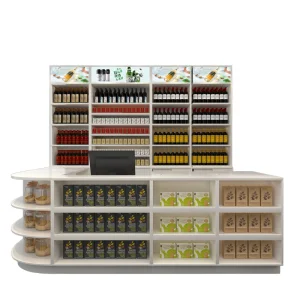
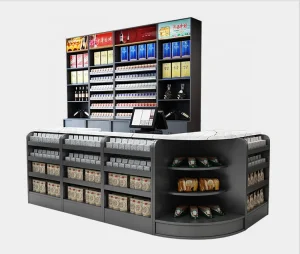
Our complete line of grocery, boutique, and warehouse cash desks provides options for varied floor spaces and transaction types.
 CrownRacking