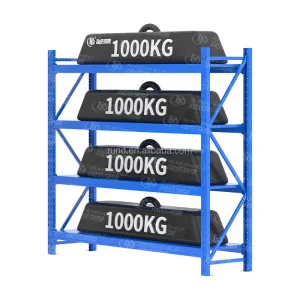
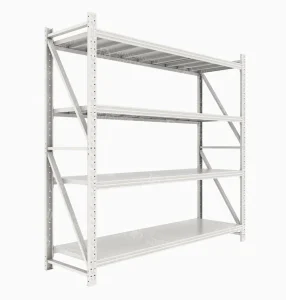
Explore our highly-durable modular storage components, stress-tested and optimized for global export compliance.
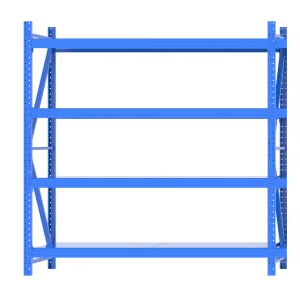
How Modern Distribution Centers Shift from Static Storage to High-Frequency Yield Systems
Global logistics parks face escalating land costs. The focus has migrated from square footage to cubic capacity. Advanced steel structures such as Multi-Tier Mezzanines and VNA (Very Narrow Aisle) rack systems maximize vertical space up to 40 meters, reducing structural footprint by 50%.
The rise of micro-fulfillment and omnichannel retail requires lightning-fast inventory turns. Modern selective pallet racks and shuttle systems must endure high-impact cycles while maintaining millimeter-level accuracy to prevent system failures in semi or fully automated AGV networks.
With major logistics centers located in active tectonic zones, rack safety engineering is vital. Dynamic seismic bracing, robust anchor bolts, and specialized load-distribution baseplates are mandatory to preserve structural integrity during earth movements.
Ningbo CrownRacking Intelligent Warehouse Tech Co., Ltd. has established itself as an industry leader in manufacturing highly specialized, structural steel pallet racks and automated warehouse configurations. Operating a state-of-the-art 46,500 m² modern production facility, we serve key logistics nodes across North America, Northern Europe, and Australia.
Our organization is built on a foundation of 8 years of dedicated industry leadership and 5 years of intensive international trade experience, yielding an annual export revenue of $42,000,000. We are trusted by over 1,850 supply chain partners to deliver custom projects ranging from high-density heavy-duty configurations to precision-engineered light-duty longspan shelving units.
"Our corporate directive focuses on high-density structural engineering, offering customized RAL colors, advanced seismic-bracing arrays, and specialized upright protectors to secure your multi-million-dollar logistics assets."
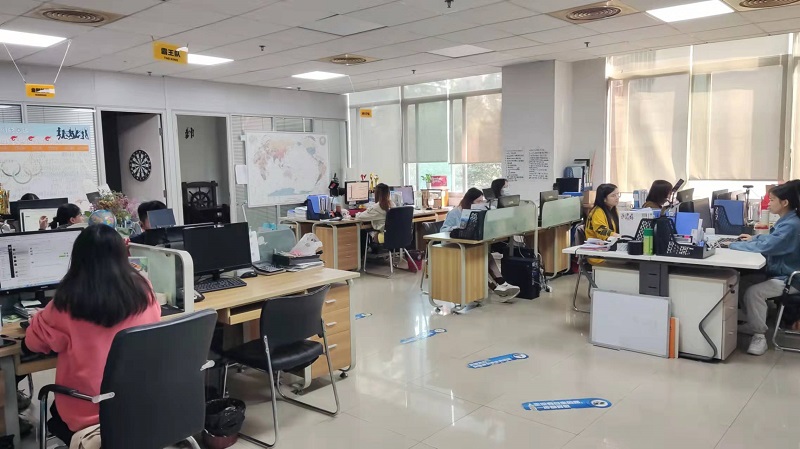
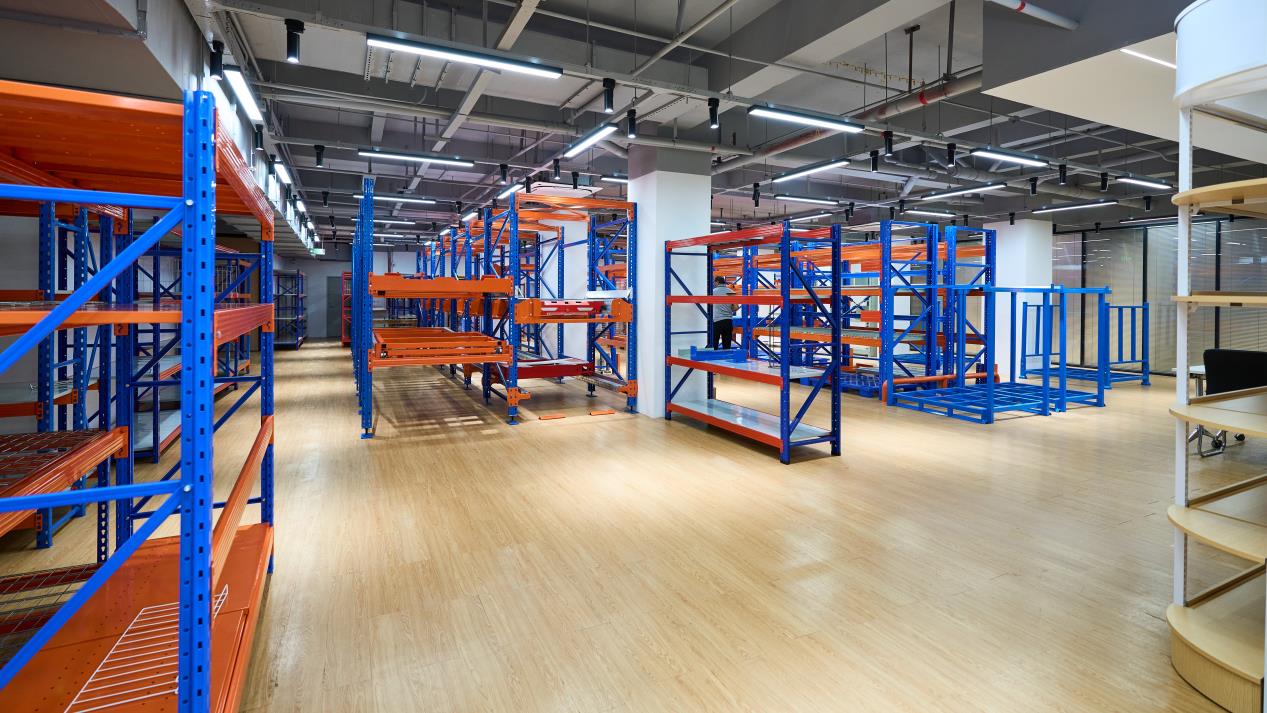
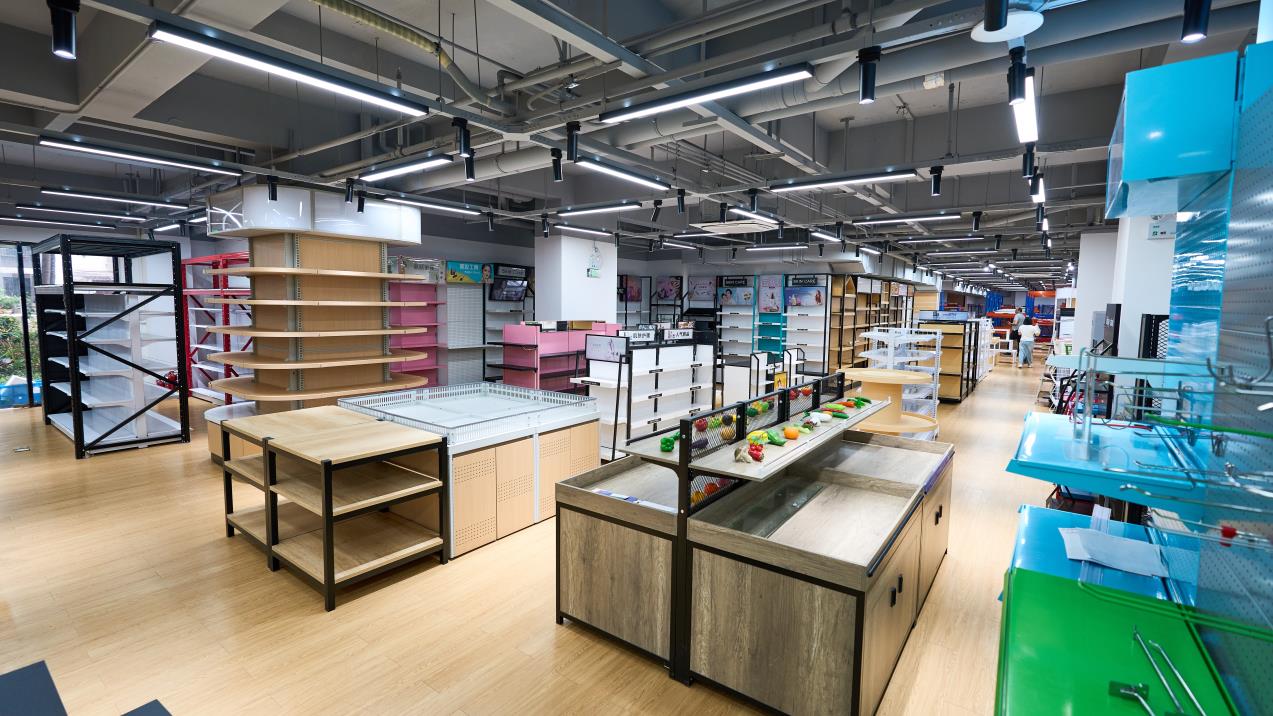
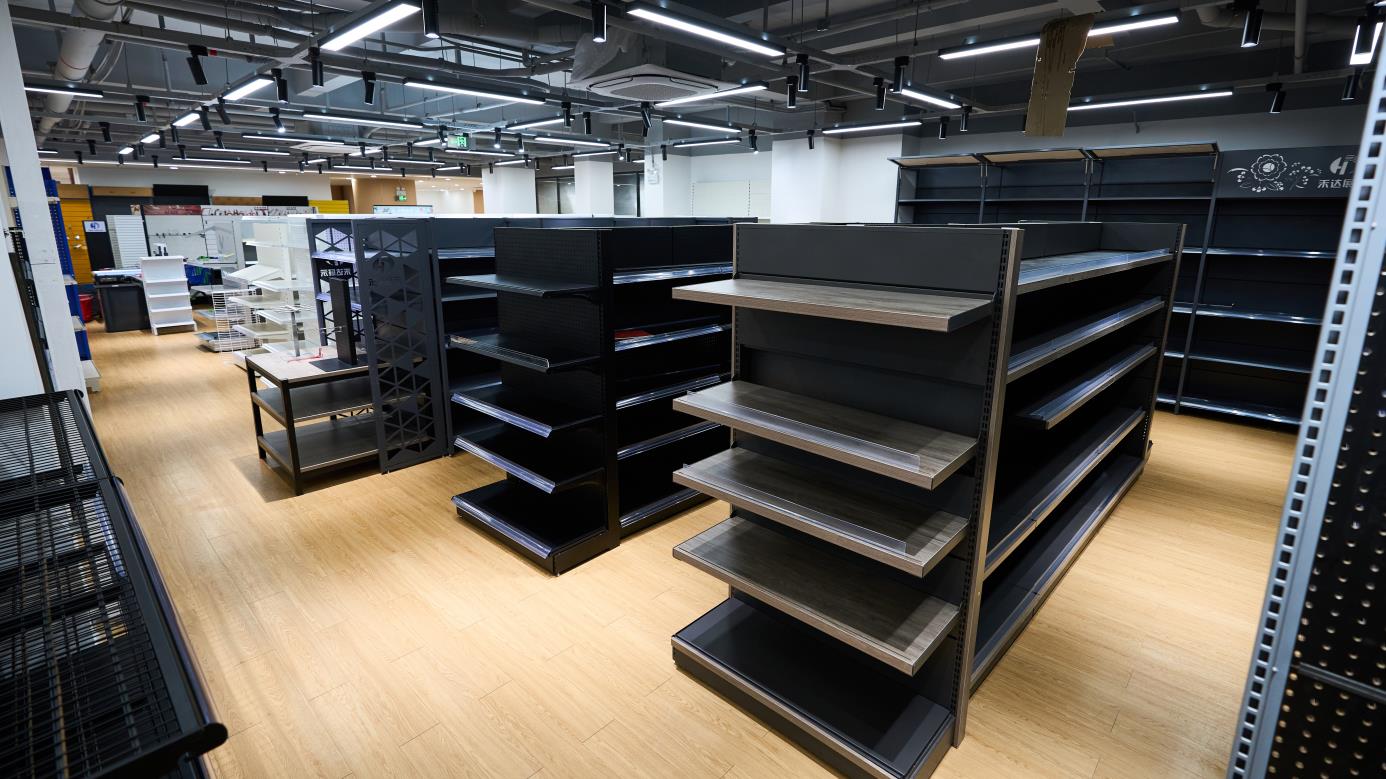
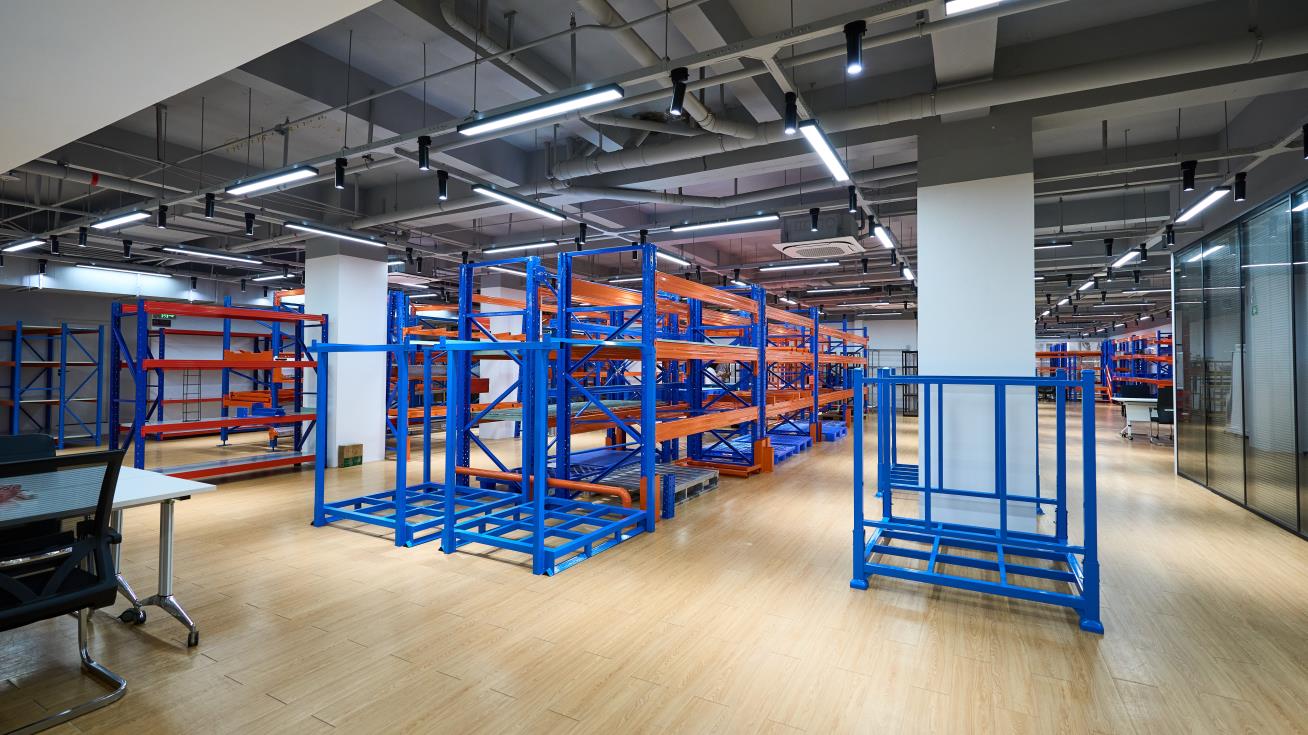
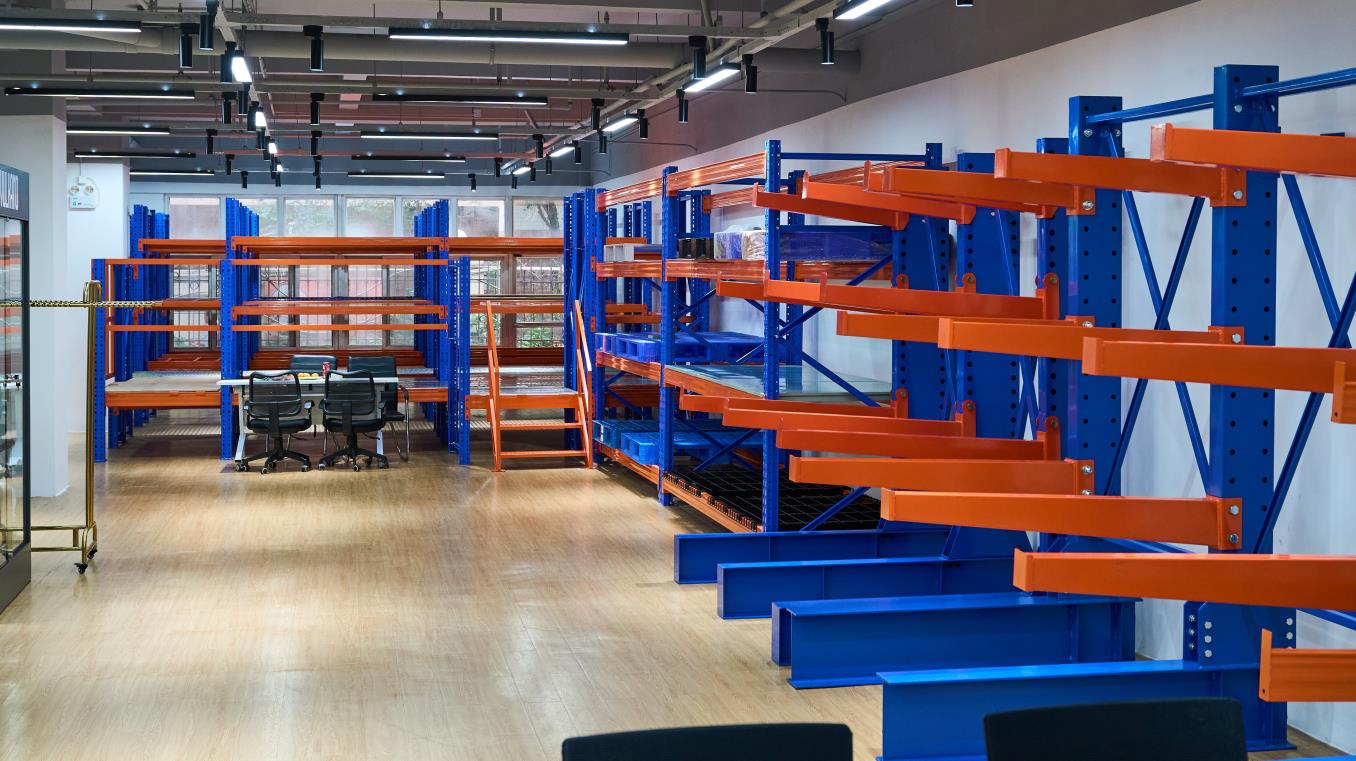
The global logistics infrastructure landscape requires agility, short lead times, and structural safety. China’s manufacturing paradigm has transformed from simple cost-focused assembly to high-precision Factory 4.0 Automated Smart Manufacturing. At Ningbo CrownRacking, we utilize automated welding cobots, optical fiber laser cutters, and continuous-profile roll-forming lines that ensure consistent material thickness and shape.
This automated ecosystem minimizes manual welding variances, guaranteeing that every beam connector and upright frame exhibits the exact load-bearing capacity calculated in our stress simulators. Backed by 1,850 supply chain partners, we source raw carbon steel directly from premium mills, buffering our international clients against volatile material costs and shipping delays.
For global logistics procurement directors, this translates to predictable timelines, full compliance with Western standards, and a significant cost-reduction benefit when executing massive greenfield logistics park projects.
No compromises on structural loading safety. We trace steel grade compliance from arrival to end-use deployment.
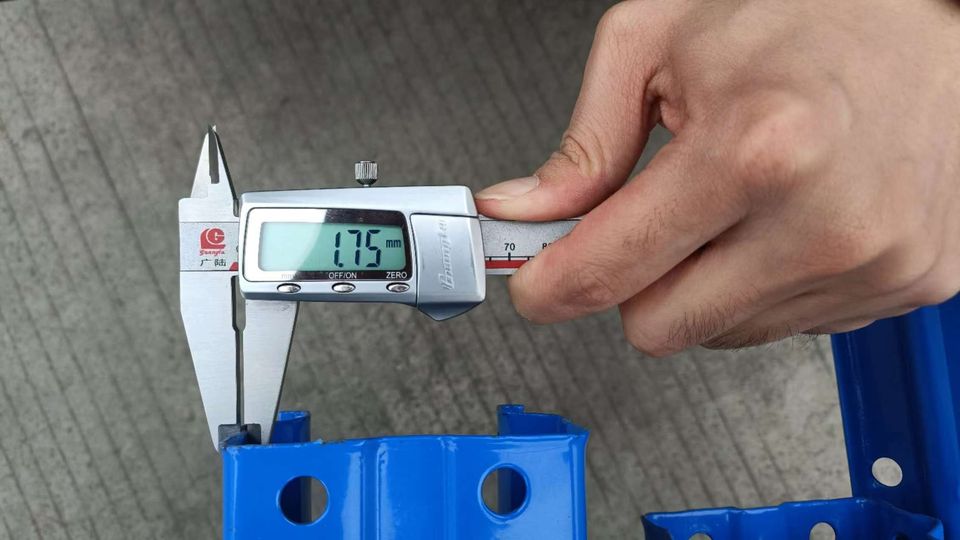
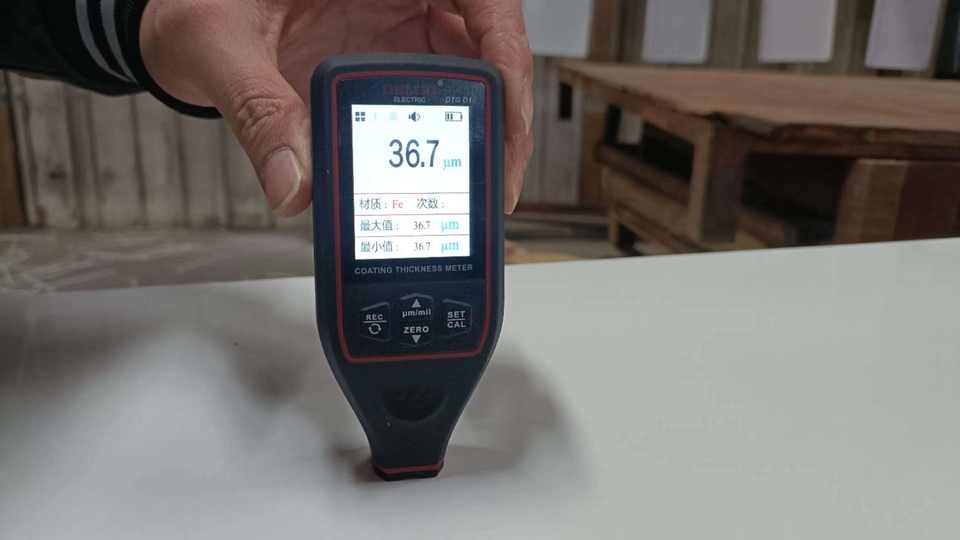
Any structural failure in an industrial warehouse racking system can result in catastrophic operational disruption and safety hazards. To ensure every column and baseplate meets safety codes, our quality assurance program operates continuously:
From cleanroom-certified pharmaceutical distribution to high-impact heavy equipment storage, we engineer customized systems for specific environments.
Requires dynamic flow configurations and corrosion-resistant surfaces capable of enduring deep-freeze environments (down to -30°C). Wire deckings and light-duty longspan shelving with high air permeability ensure efficient cold air circulation and easy washdowns.
Features massive SKU profiles with mixed automated case picking and manual operations. Dynamic pallet flow systems, multi-tier mezzanine engineering, and robust frame protectors reduce structural impact damage from high-frequency forklift operations.
Designed for concentrated static and dynamic loads up to 4500kg per level. We employ structural hot-rolled channel beams, oversized heavy-gauge baseplates, and dynamic seismic-bracing frames engineered to prevent localized structural collapse.
B2B procurement teams must assess physical, technical, and regulatory factors when choosing an industrial racking supplier.
Selecting a warehouse storage shelf supplier requires careful consideration of structural mechanics and regulatory compliance. Modern distribution centers must coordinate their storage configurations with automated material handling equipment (such as AGVs, stacker cranes, and automated shuttles).
Below are three critical factors that engineering and procurement teams should evaluate prior to issuing a Request for Proposal (RFP):
Industrial pallet beams must comply with clear flexural limits under full design load. According to FEM and RMI standards, the maximum deflection under nominal load must not exceed L/200 (where L is the length of the span beam). Overloading or specifying incorrect material grades leads to plastic deformation, reducing structural life cycles and creating safety risks. Our engineering team conducts finite element analysis (FEA) to simulate beam behavior under distributed loads, ensuring appropriate safety factors (typically 1.5 to 1.8) are maintained.
Seismic design forces depend on the geography of your facility. Baseplates and dynamic anchors must be engineered to transfer seismic energy efficiently into the concrete slab. Standard light-duty baseplates are insufficient in high-risk zones; instead, thick structural steel plates with multi-bolt expansions are required. Ningbo CrownRacking provides custom seismic engineering calculations tailored to regional building codes across Northern Europe, Australia (AS4084), and North America.
Corrosion resistance is crucial for systems deployed in humid warehouses or sub-zero refrigeration facilities. Unprotected structural steel can degrade quickly, weakening structural integrity. We utilize multi-stage pickling and phosphating pre-treatments, followed by high-adhesion electrostatic thermosetting epoxy-polyester powder coats. This process ensures the steel remains protected against moisture, chemicals, and surface impact abrasion.
Technical answers to common questions about industrial storage shelving design and procurement.
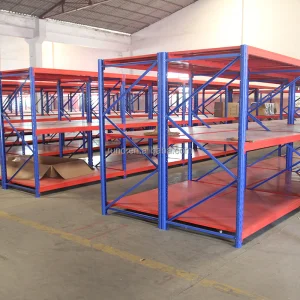
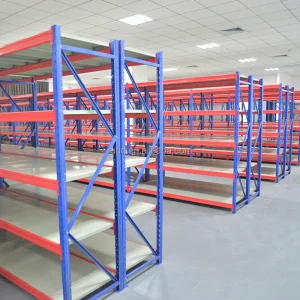
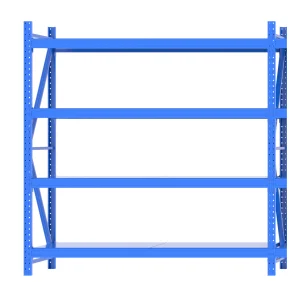
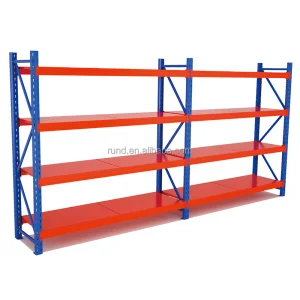
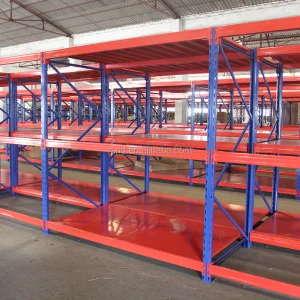
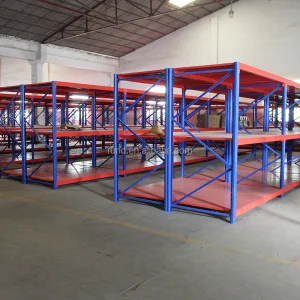
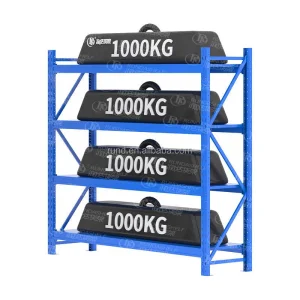
Explore our pallet systems, longspan shelving units, and automated storage configurations engineered for industrial operations.
 CrownRacking