Engineered for dynamic loading configurations exceeding 500KG up to 3000KG per layer. Tested under extreme stress cycles.
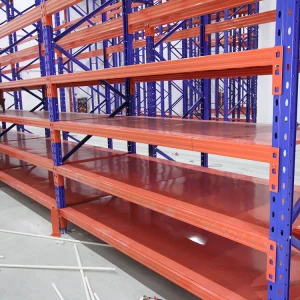
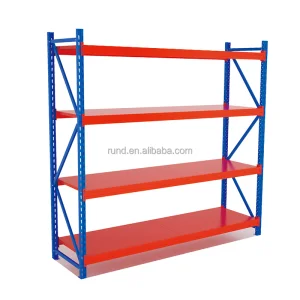
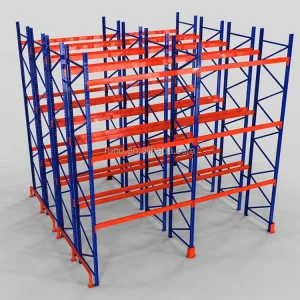
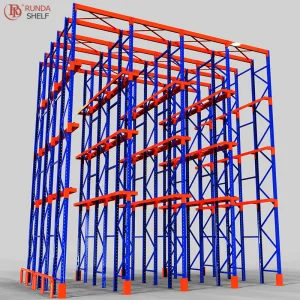
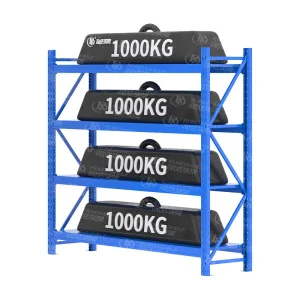
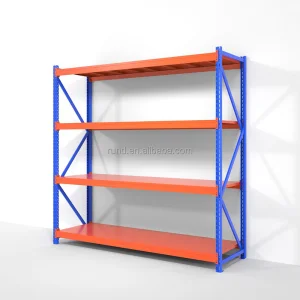
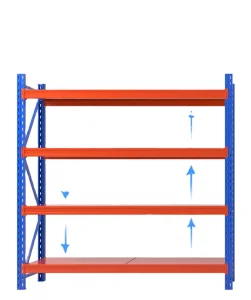
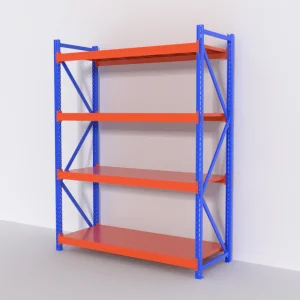
Modern global logistics networks are shifting from conventional floor stacking to high-density, vertical spatial optimization. In this paradigm, industrial racks supporting payloads over 500 kilograms per level have transitioned from generic metal shelving units to highly engineered structural systems. Advanced Finite Element Analysis (FEA) dictates dynamic and static loading behavior under various warehouse conditions.
Key global market forces, including the exponential growth of third-party logistics (3PL), advanced smart factories, and centralized cold storage networks, demand systems designed with precise deflection calculations and seismic durability. Modern racking setups are designed to resist structural buckling, material fatigue, and direct impact forces from warehouse machinery like automated guided vehicles (AGVs) and forklift trucks.
Integrating these heavy-duty shelves into smart warehouse frameworks demands tight engineering tolerances (often within ±2mm deviations). This consistency facilitates seamless interactions with high-speed automated storage and retrieval systems (ASRS).
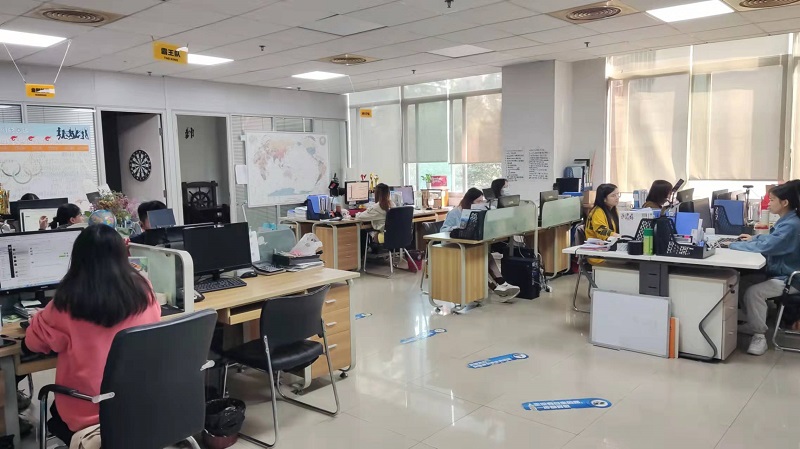
For international supply chain managers and logistics directors, sourcing industrial racking and stacking systems with structural integrity is critical. In North America, structural calculations must comply with the Rack Manufacturers Institute (RMI) standards (specifically ANSI MH16.1), which require precise stress validation for upright columns and shelf beams under peak structural stress.
In Europe, systems must meet FEM 10.2.02 (Design of Steel Static Pallet Racking) and EN 15512 guidelines, ensuring safety factors that account for local seismic activity and environmental conditions. Meanwhile, Australian procurement teams require compliance with AS 4084-2012, which mandates comprehensive static and dynamic load testing.
Understanding these standards is essential to mitigate liability, prevent workplace accidents, and extend the lifespan of storage systems to more than 15 years under intensive multi-shift usage.
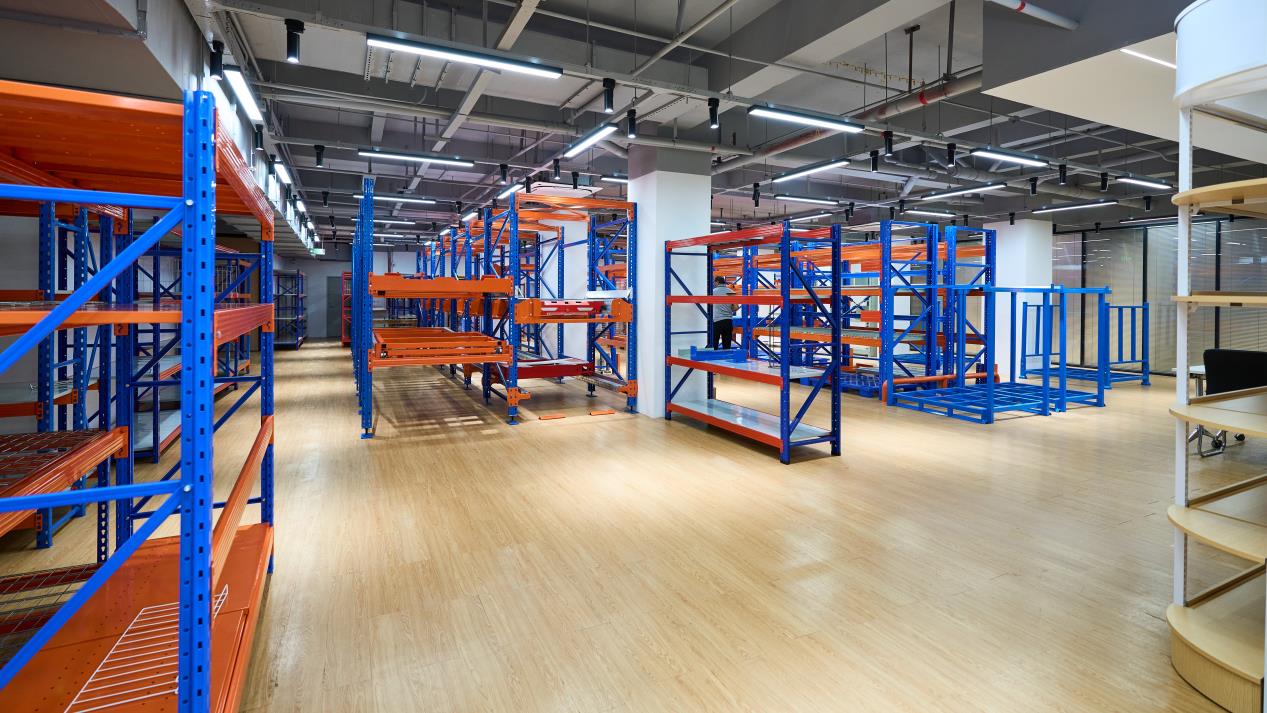
Vertical integration and robotic assembly lines allow us to maintain strict quality control and cost efficiency.
At Ningbo CrownRacking Intelligent Warehouse Tech Co., Ltd. (operating since 2018 in a modern 46,500 m² production complex), we run an integrated supply chain model. From high-grade raw steel coils to the final electrostatic powder-coated structures, every stage is executed in-house. Our automated roll-forming and laser welding lines maintain tight dimensional tolerances, allowing us to supply complex racking layouts for demanding applications.
Our quality assurance program is backed by 62 QC staff members. They supervise physical testing procedures, including destructive loading and metallurgical verification of welds. This focus on engineering quality ensures our storage solutions perform reliably in high-volume distribution centers.
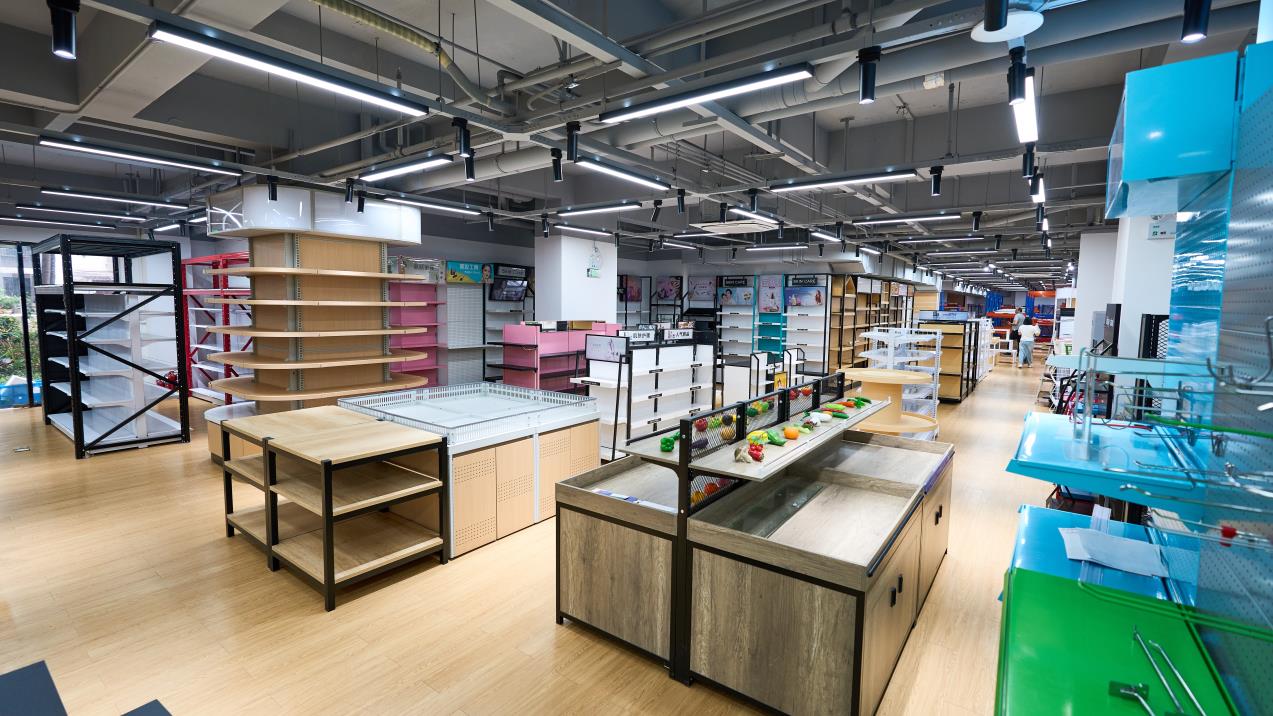
To verify structural performance, CrownRacking conducts inline stress testing to measure dynamic load resistance and weld strength. Using laser coordinate measuring machines, our QA technicians verify that structural components match drawings, ensuring safe field assembly and long-term durability.
Additionally, we utilize digital testers to measure coating thickness. This ensures our powder-coated and galvanized finishes meet international corrosion protection standards, providing long-term surface durability in high-humidity or cold-storage environments.
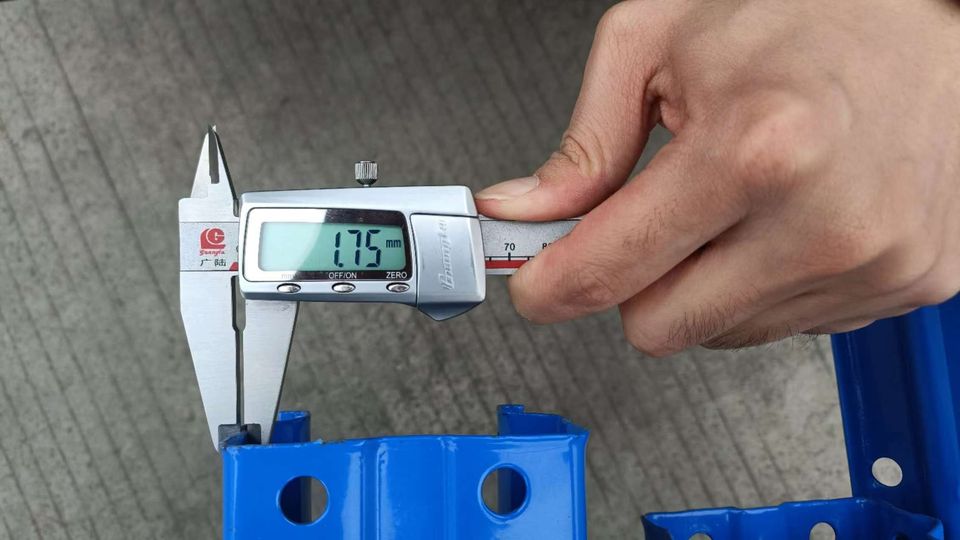
We verify plate thicknesses and punched hole spacing to prevent alignment issues during on-site installation.
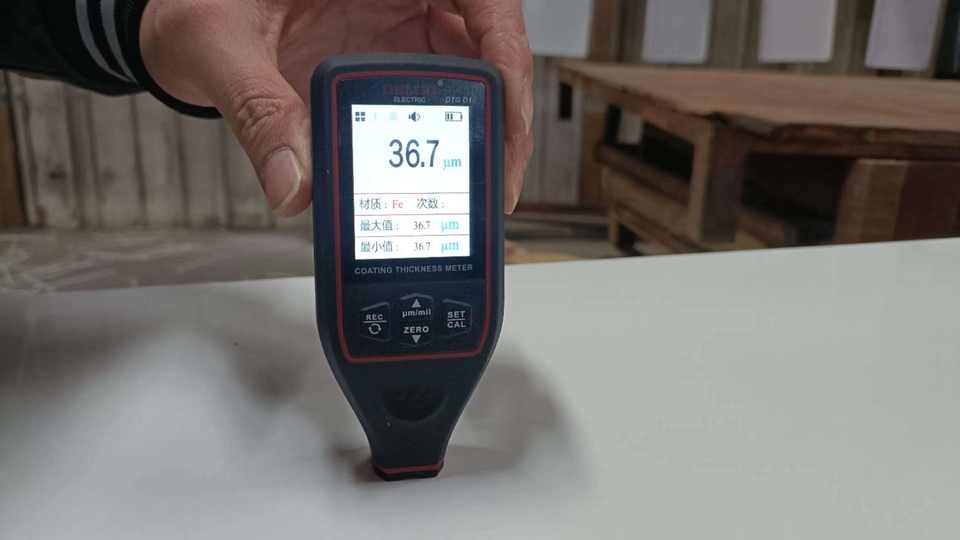
Non-destructive coating thickness testing ensures salt spray resistance and long service life in harsh environments.
Our advanced designs incorporate premium raw materials and protective features to maximize system safety and service life.
R&D and engineering support, specializing in cantilever, mezzanine, and radio shuttle racking systems for high-density storage configurations.
Tailored component configurations, seismic bracing upgrades, custom colors, and custom column protectors match corporate standards and project requirements.
Finite Element Analysis and dynamic testing verify load capacity, beam deflection, and overall system safety under maximum load configurations.
A comparative evaluation of heavy-duty industrial storage systems, showing capacity limits and optimal use cases.
| System Type | Max Loading / Level | Selectivity % | Storage Density | Primary Application |
|---|---|---|---|---|
| Selective Pallet Racking | Up to 3,000 KG | 100% | Moderate | General distribution hubs, multi-SKU retail inventory |
| Cantilever Racking | Up to 5,000 KG (Per Arm) | 100% (For long loads) | High (For piping/lumber) | Steel piping, bar stock, lumber, sheet metals |
| Heavy Duty Mezzanines | 500 - 1,500 KG / m² | Variable | Maximum (Vertical) | Automotive parts, mixed assembly zones, dual-level inventory |
| Stacking & Nesting Racks | 1,000 - 2,000 KG | Flexible | Moderate to High | Seasonal goods storage, dynamic shipping depots, tires |
| Radio Shuttle Racking | Up to 1,500 KG | Low (LIFO / FIFO) | Ultra-High | Cold storage, food & beverage bulk warehouses |
Our racking configurations are custom-engineered for specific regional needs and operating conditions.
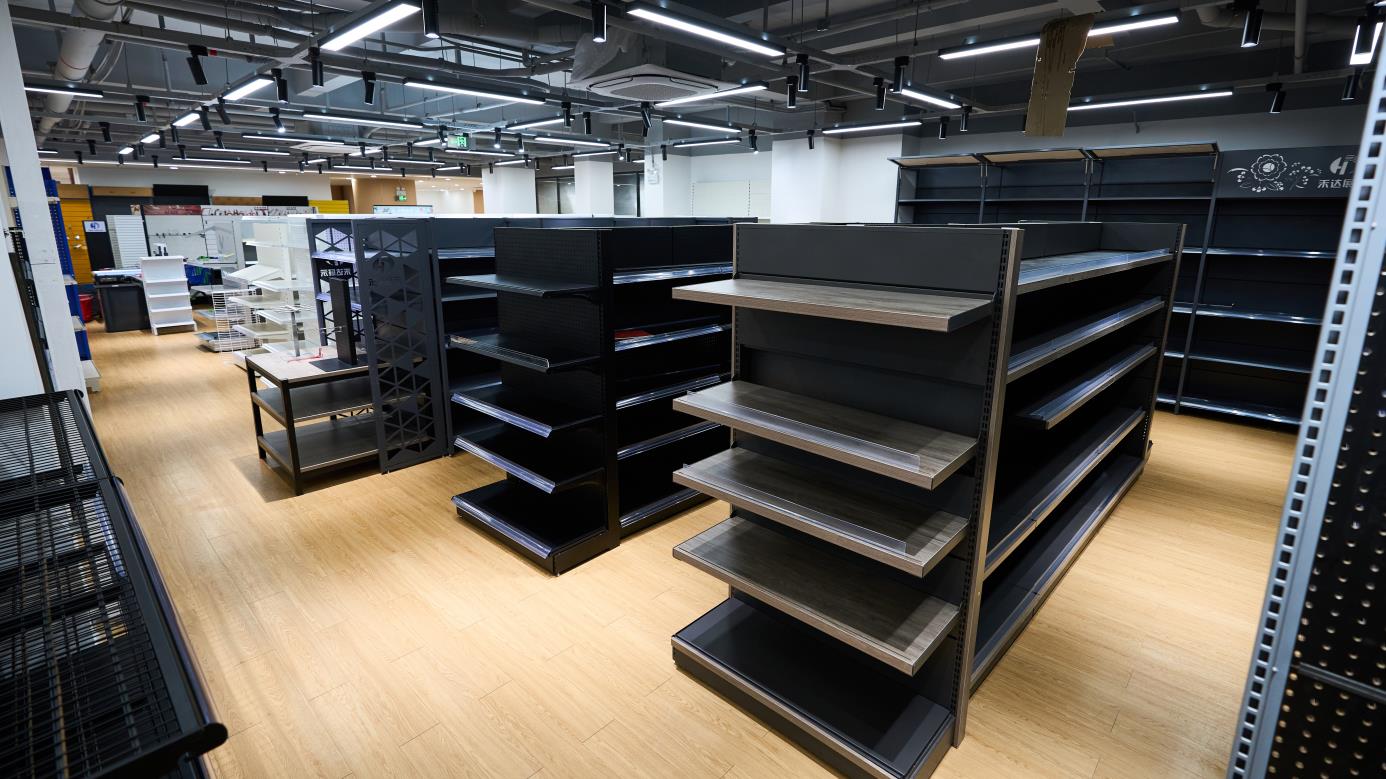
High-density pallet racking systems for pharmaceutical environments in Northern Europe. These layouts use low-temperature powder coatings and corrosion-resistant galvanizing to handle cleanroom sanitation cycles and sub-zero storage rooms down to -30°C.
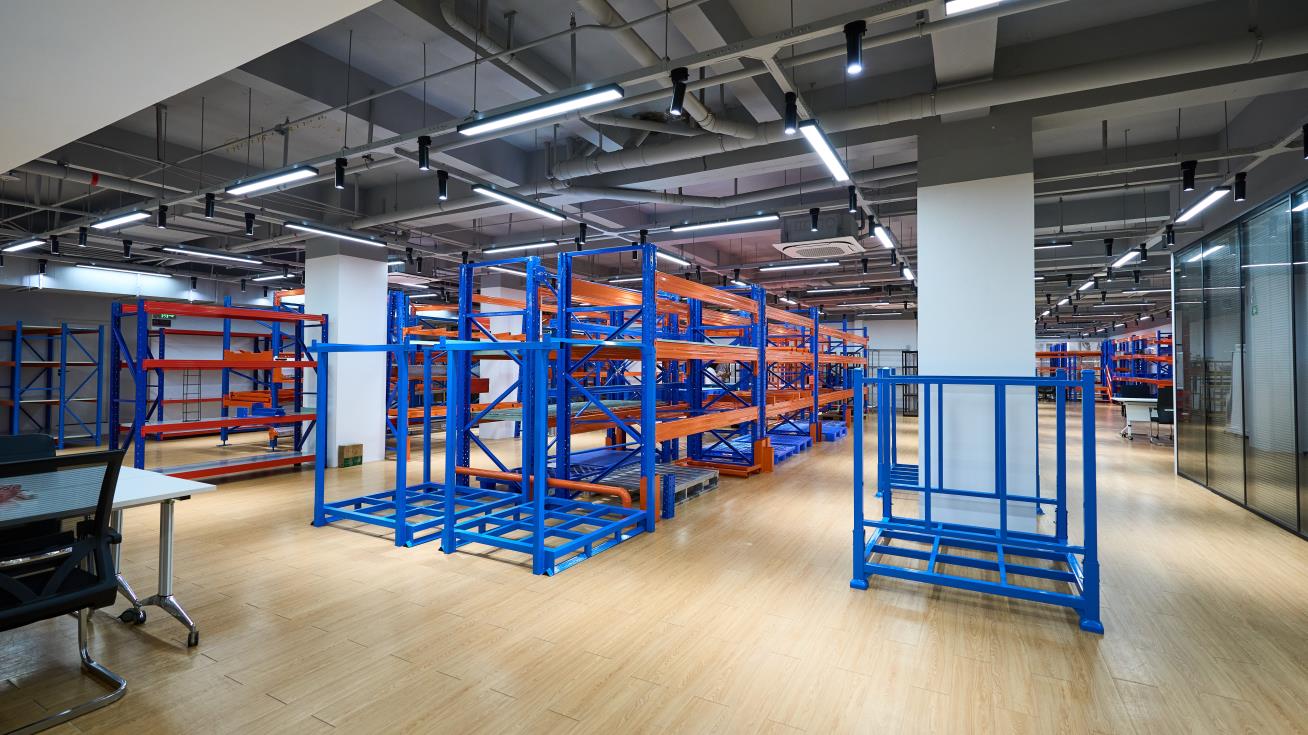
In North America, heavy assembly plants require heavy steel stacking racks to organize engine blocks and stamping dies. CrownRacking designs these systems with safety structural factors to withstand lift truck impact and high-turnover operations.
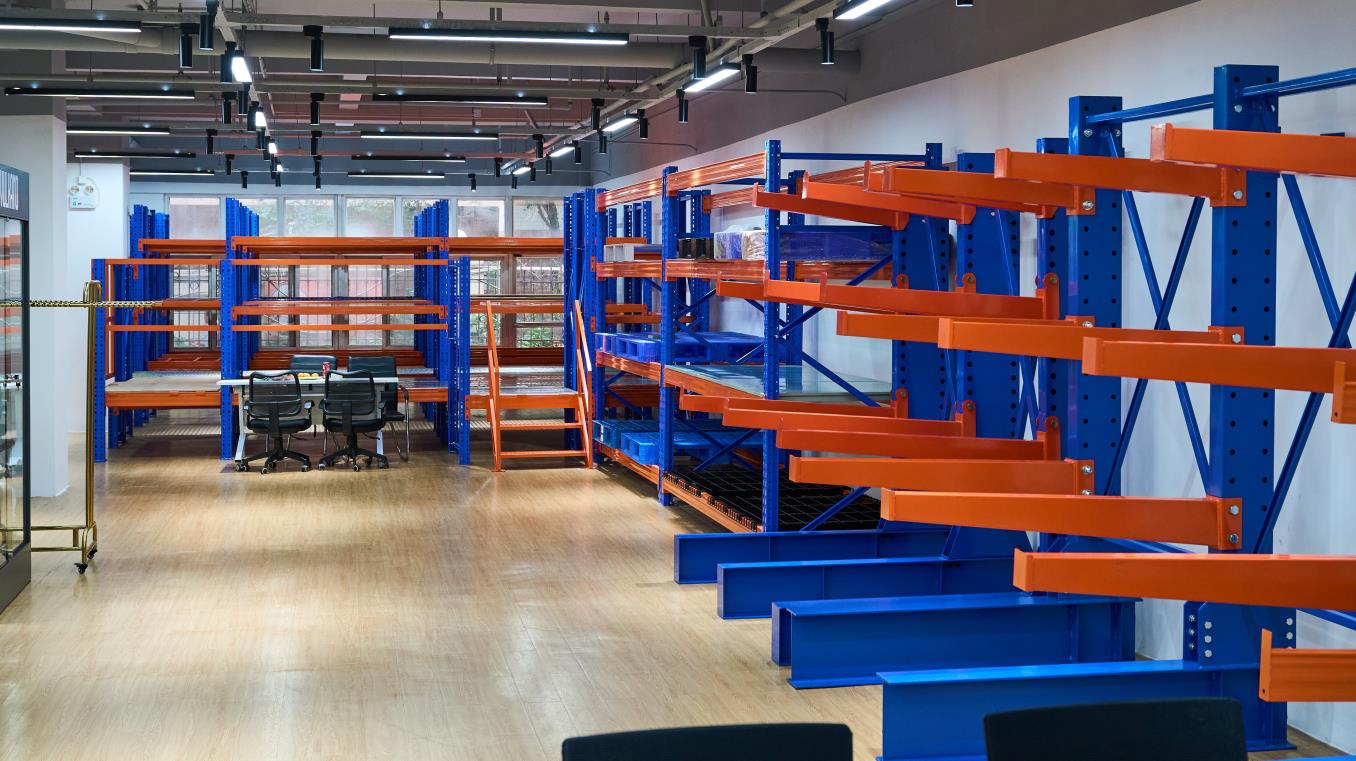
We design structural steel mezzanines for fulfillment hubs in Australia. These storage configurations maximize vertical space, integrating pick-modules and conveyor networks to optimize warehouse floor space and material throughput.
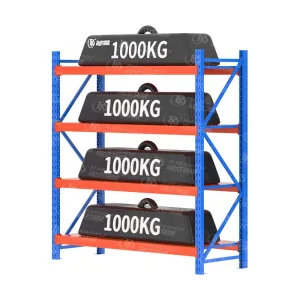
Our heavy-duty cantilever racks organize long materials, steel tubing, and industrial bar stock. Featuring roll-out mechanisms or structural arm stops, these solutions prevent material slippage and facilitate crane-assisted loading.
Direct factory supply of heavy components, support beams, custom stack systems, and high-capacity shelving.
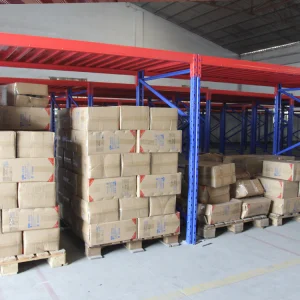
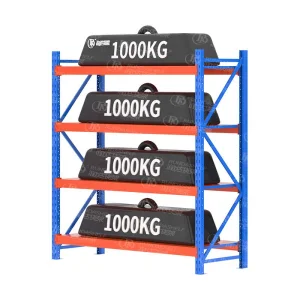
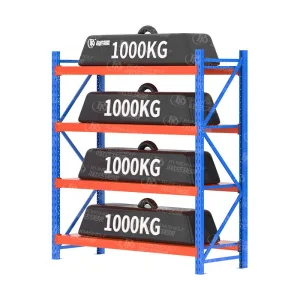
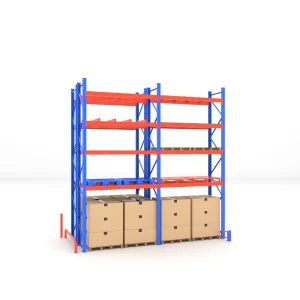
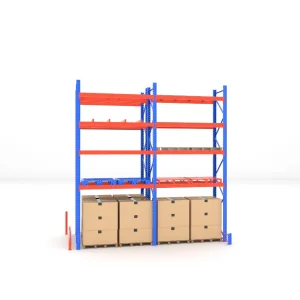
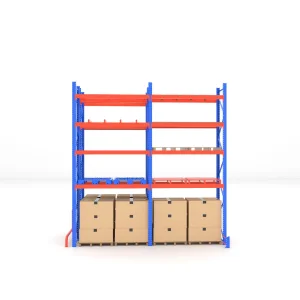
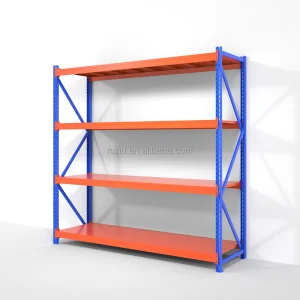
Expert answers regarding structural design, load capacity calculations, and factory QA procedures.
Safe load capacity is calculated based on Uniformly Distributed Load (UDL) configurations, conforming to RMI and FEM specifications. The maximum allowable beam deflection is limited to L/200 (length divided by 200) under full loading. Our engineers use Q235B or Q355B structural steel to calculate beam cross-sections, building in a safety structural factor of at least 1.5 to 1.8. This accommodates minor dynamic impacts during forklift positioning.
Cold-rolled steel profiles are formed at room temperature. This results in consistent, thin-walled, lightweight geometries with precise dimensions, making them suitable for standard selective pallet systems. Hot-rolled structural steel sections feature thicker metal structures, which provide higher torsional rigidity and impact resistance. This makes hot-rolled steel ideal for heavy machinery, tool storage, and industrial environments prone to machinery impact.
For seismically active regions, we run computer simulations to calculate how uprights, bracing members, and floor anchor plate dimensions will handle local seismic forces. We increase baseplate thickness, install additional cross-bracing, and utilize high-strength floor anchor bolts to distribute lateral forces, complying with local seismic codes.
Components undergo a multi-stage pre-treatment wash including acid pickling, rust removal, and phosphating. This creates a clean bonding surface before the dry epoxy-polyester powder coating is electrostatically applied. The parts are then cured at temperatures between 180°C and 200°C, resulting in a durable, scratch-resistant finish that protects against moisture and chemical exposure.
 CrownRacking