What Are the Best Slatwall Displays for Global Retailers?

Time:2026-09-30 Author:Sienna
0%

Choosing the right Slatwall Displays can help global retailers make better use of limited floor space. A well-planned wall can present products clearly, keep popular items within reach, and adapt as seasonal ranges change. Yet the best display is not simply the one that holds the most merchandise. It should suit the store’s products, customer flow, available wall space, and daily restocking routine.

Materials and construction matter. A retailer comparing options should check panel strength, finish quality, compatible hooks and shelves, and how securely the system can be installed. In a busy shop, a poorly matched accessory may wobble, while an unsuitable finish can show scratches under bright lighting. Small choices matter. Store teams also need to consider shipping dimensions, assembly requirements, replacement parts, and consistency across locations. These details can affect cost and upkeep over time.

There is no universal winner. A compact boutique may need a clean, flexible layout, while a larger chain may value repeatable specifications and dependable supply. This guide explores practical Slatwall Displays for different retail settings, including material choices, accessories, customization, and questions to ask suppliers. It also notes where product claims should be verified against technical information and the retailer’s own requirements. Details vary. Even careful planning can miss a constraint, such as an awkward corner or a fixture that blocks sightlines. Reviewing a sample display in the actual store can reveal issues that a catalog photo cannot.
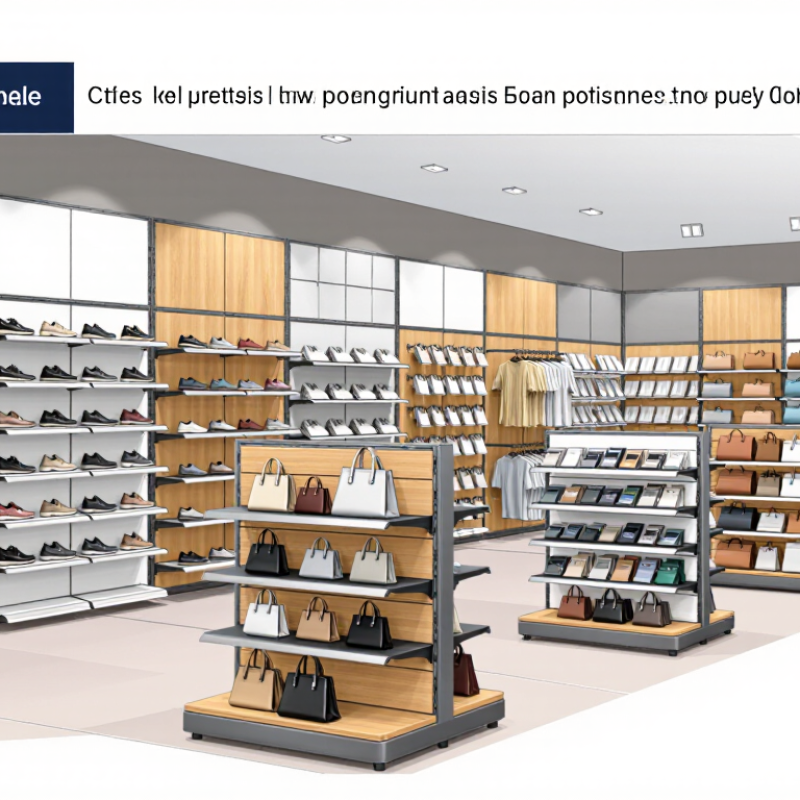
What Are the Best Slatwall Displays for Global Retailers?

Understanding Slatwall Displays and Their Role in Retail

What Are the Best Slatwall Displays for Global Retailers?

Understanding Slatwall Displays and Their Role in Retail

Slatwall displays are wall panels with horizontal grooves for shelves, hooks, baskets, and product arms. Retail teams can reposition these accessories without rebuilding the entire fixture. That flexibility matters. A narrow panel can hold packaged goods, while a wider section can support folded clothing or lightweight equipment.

In practical store planning, the best slatwall display depends on product weight, traffic flow, and customer reach. Measure the wall before ordering panels. Check the panel material, accessory compatibility, and stated load capacity. A display should feel stable when a shopper removes the front item. It should also leave clear walking space and avoid sharp, exposed edges.

Global retailers need more than a good-looking fixture. Different stores may have varied wall heights, floor plans, lighting conditions, and accessibility expectations. Modular panels help teams create a consistent shopping experience while adjusting each location. Neutral finishes can support different visual identities without overpowering the merchandise. Clear labels and reachable hooks also reduce customer confusion.

Small details matter.

A first layout is rarely perfect. Products may appear crowded under bright lighting, or popular items may sit too high. Retail staff should observe real customer behavior and revise the arrangement. Slatwall systems are useful, but they are not a complete merchandising strategy. Their value depends on safe installation, thoughtful spacing, and regular review.

Common Slatwall Display Types for Different Store Formats

What Are the Best Slatwall Displays for Global Retailers?

Slatwall displays work best when their format matches the store mission. In compact convenience stores, narrow panels with hooks keep small essentials visible without blocking movement. Fashion boutiques benefit from horizontal shelves, hanging rails, and layered product heights. Larger department stores can use full-height slatwall systems for seasonal zones, category navigation, and flexible merchandising. The NRF and Appriss Retail 2023 Consumer Returns report recorded $743 billion in returned merchandise, or 14.5% of retail sales. Clear organization may reduce purchase uncertainty, although slatwall alone cannot solve poor product selection.

In warehouse-style stores, reinforced panels and deeper shelves support heavier packaged goods. Pop-up shops need lightweight, tool-free fixtures that can be moved after each campaign. Global retailers should also consider regional shopping habits, ceiling heights, and local installation skills. A layout that succeeds in one market may feel crowded elsewhere. The perfect display is mostly a myth.

Tips: Keep the most profitable items between eye and hand level. Use contrasting back panels for pale products. Leave enough spacing for one-handed browsing. Test one bay for two weeks before rolling out the full program. Track dwell time, conversion, and replenishment effort, not only sales. Deloitte’s 2024 retail outlook continues to emphasize value and convenience, so displays should make comparison quick. That sounds obvious, but many stores still place too many products on one panel.

What Are the Best Slatwall Displays for Global Retailers? — Common Slatwall Display Types for Different Store Formats

Display Type Typical Configuration Best-Fit Store Formats Suitable Merchandise Key Advantages Planning Considerations
Full-Wall Slatwall Panels Wall-mounted panels; common sheet sizes include 4 × 8 ft (about 1.22 × 2.44 m), with cut-to-fit sections used around fixtures and openings. Large-format stores, home improvement shops, sporting goods stores, and specialty retail. Packaged goods, tools, accessories, apparel, and products displayed on hooks or shelves. Uses vertical wall space efficiently and allows accessories to be repositioned as assortments change. Confirm wall structure, panel finish, groove spacing, and accessory compatibility before installation. Full-sheet sizes may need to be adapted for transport and access.
Modular Slatwall Panels Smaller panels arranged as a wall grid; common modules include 2 × 4 ft and 4 × 4 ft (about 0.61 × 1.22 m and 1.22 × 1.22 m). Pop-up shops, compact boutiques, leased retail units, and stores that update layouts frequently. Small packaged items, fashion accessories, gifts, and selected seasonal products. Individual sections are easier to handle, replace, and rearrange than a continuous wall installation. Plan panel alignment and mounting points carefully so the finished display looks consistent and loads are supported by the wall.
Slatwall Gondola Freestanding, double-sided fixture with slatwall panels on one or both sides; height and base dimensions vary by aisle plan. Supermarkets, pharmacies, convenience stores, and other high-traffic formats. Impulse items, accessories, small household goods, and promotional merchandise. Creates accessible displays within the sales floor and can define product zones without a permanent wall. Keep aisles and sightlines clear. Check base stability, fixture weight, and local accessibility and egress requirements.
Slatwall Tower or Spinner Compact vertical floor unit, sometimes designed to rotate; configurations range from a single display face to multiple sides. Small-footprint stores, checkout zones, kiosks, and specialty departments. Cards, small accessories, packaged add-ons, and other lightweight products. Offers several display faces in a small floor area and can support browsing from multiple directions. Use appropriately rated hooks and shelves. Avoid overloading the unit or placing it where it obstructs circulation.
Slatwall Countertop Display Small panel or compact stand placed on a counter; accessories are sized for lightweight merchandise. Checkout counters, service desks, beauty counters, and compact specialty stores. Small gifts, travel-size goods, accessories, and checkout add-ons. Makes use of counter space and keeps small items visible near the point of sale. Keep the footprint within the available counter area and leave working space for staff and payment equipment.
Slatwall Endcap Panel or fixture mounted at the end of an aisle, often paired with shelves, hooks, or a product header. Grocery, mass-market, home goods, and other stores with aisle-based layouts. Promotional lines, seasonal products, complementary items, and featured merchandise. Provides a prominent location at aisle ends and allows the presentation to be changed without rebuilding the entire fixture. Coordinate fixture depth and product projections with aisle clearance, visibility, and store traffic patterns.
Slatwall Wall Bay with Shelves and Hooks A defined section of a perimeter wall fitted with compatible shelves, hooks, and other display accessories. Electronics, footwear, hobby, beauty, and other category-focused specialty stores. Products with mixed sizes or packaging, including items that need both hanging and shelf display. Combines display methods within one bay and makes it easier to adjust the product mix by category. Verify that accessories match the panel profile and are rated for the intended load; distribute heavier products across supported areas.

Note: Dimensions and configurations shown are typical planning examples, not universal standards. Panel sizes, groove spacing, load capacity, materials, and accessory fit vary by supplier and installation. Confirm specifications and local safety requirements for each store location.

Materials, Accessories, and Product Compatibility

What Are the Best Slatwall Displays for Global Retailers?

Materials determine how well a slatwall display performs across different retail environments. Medium-density fiberboard offers a smooth, cost-effective surface for clothing and light accessories. Metal panels provide stronger support for packaged goods, tools, and heavier merchandise. Moisture-resistant finishes are valuable in coastal stores or humid regions. Solid wood can add warmth, but it may expand or contract with temperature changes.

Compatibility matters just as much as appearance. Standard grooves should accept shelves, hooks, baskets, brackets, and sign holders from the same fitting system. Before ordering, check groove spacing, panel thickness, accessory weight limits, and installation hardware. A shelf holding folded sweaters needs different support from a hook carrying several boxed items. Small details matter.

Test the display with real products.

Global retailers also need practical installation choices. Modular panels can reduce shipping volume and simplify store changes. Adjustable accessories help local teams adapt displays for different product sizes. However, universal compatibility is not always guaranteed. An accessory may fit the groove but still sit unevenly or reduce usable space. We have seen attractive layouts fail because brackets were measured without loaded shelves. Reviewing samples, testing full weight, and documenting regional wall conditions can prevent costly corrections. A reliable slatwall system should support daily handling, repeated adjustments, and clear product presentation without depending on perfect installation.

Key Factors for Choosing Displays Across Global Markets

What Are the Best Slatwall Displays for Global Retailers?

Choosing slatwall displays across global markets requires more than attractive merchandising. PwC’s 2024 Voice of the Consumer Survey covered 20,000 consumers across 31 countries. It found that 46% shop online weekly. Physical displays must therefore provide tactile value and quick product comparison. A modular slatwall system can support frequent assortment changes without replacing the entire fixture. Standardized panels also simplify shipping, installation, and staff training across regions. The compromise is real.

Material selection should reflect local conditions. In humid stores, moisture-resistant boards and sealed edges can reduce swelling. In high-traffic locations, reinforced channels and tested load ratings matter more than decorative finishes. Retail teams should request installation instructions, load data, cleaning guidance, and replacement-part availability. They should also verify local fire, accessibility, and electrical requirements before rollout. Small details become expensive when repeated across hundreds of stores.

Sustainability is another practical filter. The 2024 Circularity Gap Report estimated that only 7.2% of global material use was circular, down from 9.1% in 2018. Retailers can respond by specifying documented recycled content, durable coatings, and separable materials for easier repair. Avoid vague environmental claims. Ask for evidence. Pilot displays in one dry and one humid market before committing globally. A cheaper panel may fail sooner. That trade-off deserves review.

What Are the Best Slatwall Displays for Global Retailers?

Key Factors for Choosing Displays Across Global Markets

The benchmark ranks the practical factors that most influence cross-market slatwall selection on a 0–100 evaluation scale. Modularity, installation efficiency, load flexibility, durability, and shipping efficiency are prioritized because they support changing assortments, different store formats, and repeated international deployment.

Benchmark scale: 0 = low importance, 100 = highest importance. Scores are planning benchmarks rather than company or brand performance data.

Installation, Merchandising, and Ongoing Maintenance

What Are the Best Slatwall Displays for Global Retailers?

Global retailers need slatwall displays that install quickly and adapt to different store formats. A strong system begins with a site survey, not a product order. Measure wall levels, stud positions, floor clearance, and local safety requirements. Small errors become visible when panels meet around corners. Very visible.

Use certified installers or trained store teams for consistent results. Mark every fixing point before drilling, and verify load limits for shelves, hooks, and signage. Leave service access behind electrical routes and avoid blocking fire equipment. Merchandising should follow customer movement, with high-margin items at natural eye level. Place heavier products lower. Test one bay first. It often reveals poor spacing.

Ongoing maintenance protects both appearance and performance. Inspect fasteners monthly, especially after seasonal resets or humid weather. Dust grooves with a soft brush, then clean surfaces using approved, non-abrasive materials. Replace bent hooks immediately, and record damaged panels by store and date. Store teams should photograph recurring failures; patterns may expose weak installation practices. I have seen attractive displays underperform because replenishment was awkward. That lesson matters. Review sales data, staff feedback, and customer reach before copying a layout globally. Local adjustments are not inconsistency; they are practical control.

FAQS

What is a slatwall display?

It is a wall panel with horizontal grooves. Shelves, hooks, baskets, and product arms attach to these grooves. Staff can change the layout without rebuilding the fixture.

How should retailers choose the right slatwall display?

Consider product weight, wall size, customer reach, and walking space. Measure the wall before ordering. The strongest-looking panel may not suit every product.

Which slatwall format suits a compact store?

Narrow panels with hooks work well for small packaged items. Keep hooks within easy reach. Leave enough space for one-handed browsing.

How can fashion stores use slatwall systems?

Use shelves, hanging rails, and different product heights. Folded clothing can sit on shelves, while garments hang above. Avoid stacking too tightly.

What materials are suitable for different products?

Medium-density fiberboard suits clothing and light accessories. Metal panels support heavier packaged goods. Moisture-resistant finishes help in humid regions.

Are all slatwall accessories compatible?

No. Check groove spacing, panel thickness, bracket size, and weight limits. An accessory may fit but still sit unevenly.

How can global retailers adapt displays across stores?

Use modular panels and adjustable accessories. Check local wall heights, lighting, floor plans, and installation skills. A layout that works in one market may feel crowded elsewhere.

How can retailers test a new slatwall layout?

Test one display bay for two weeks. Watch customer reach, dwell time, product movement, and replenishment effort. Sales alone can mislead.

What safety details should retailers check?

The display should remain stable when shoppers remove front items. Keep walking paths clear and cover sharp edges. Test shelves with real product weight.

Can slatwall displays solve all merchandising problems?

No. They support flexible presentation, but spacing and product selection still matter. The perfect display is mostly a myth. Reviewing the layout regularly is necessary.

Conclusion

Slatwall Displays are flexible retail fixtures designed to organize products while making efficient use of vertical wall space. This summary explores how different display formats, including wall-mounted panels, freestanding units, gondolas, and modular sections, can support stores of varying sizes and layouts. It also considers how materials such as metal, wood, and durable composite panels affect appearance, strength, and product compatibility, while accessories like hooks, shelves, baskets, and brackets improve merchandising flexibility.

For global retailers, selecting the right Slatwall Displays requires attention to store design, product weight, customer accessibility, local operating conditions, and the ability to adapt displays across different markets. Effective installation should prioritize stability, consistency, and easy reconfiguration. Ongoing maintenance, including cleaning, inspecting fittings, replacing worn accessories, and updating product presentation, helps preserve safety and visual appeal. With thoughtful planning, slatwall systems can support organized merchandising, efficient space utilization, and a consistent shopping experience across multiple locations.

Sienna

Sienna

Sienna is a skilled marketing professional with a deep expertise in our company’s core products and services. With a passion for innovation and detail, she plays a pivotal role in crafting insightful blog posts that not only highlight the unique features of our offerings but also provide valuable......