In the retail world, creating effective retail displays is essential for capturing customer attention. As we move into 2026, the importance of these displays will only grow. A well-designed display can turn casual shoppers into loyal customers. It can highlight products and create an inviting experience that draws people in.
Today’s consumers are attracted to displays that engage their senses. Visual appeal matters, but so does the story behind the products. Retail displays should reflect the brand’s identity. They need to resonate with customers on an emotional level. Yet, not all displays succeed. Some lack creativity. Others fail to connect. This leads to wasted investment and missed opportunities.
Store owners must rethink their retail displays. They should analyze what works and what doesn’t. Feedback is crucial. Engaging with customers can provide insights into their preferences. Learning from failures can guide future designs. Embracing change is the key to future success. Effective retail displays are not just about aesthetics; they are about creating lasting impressions.
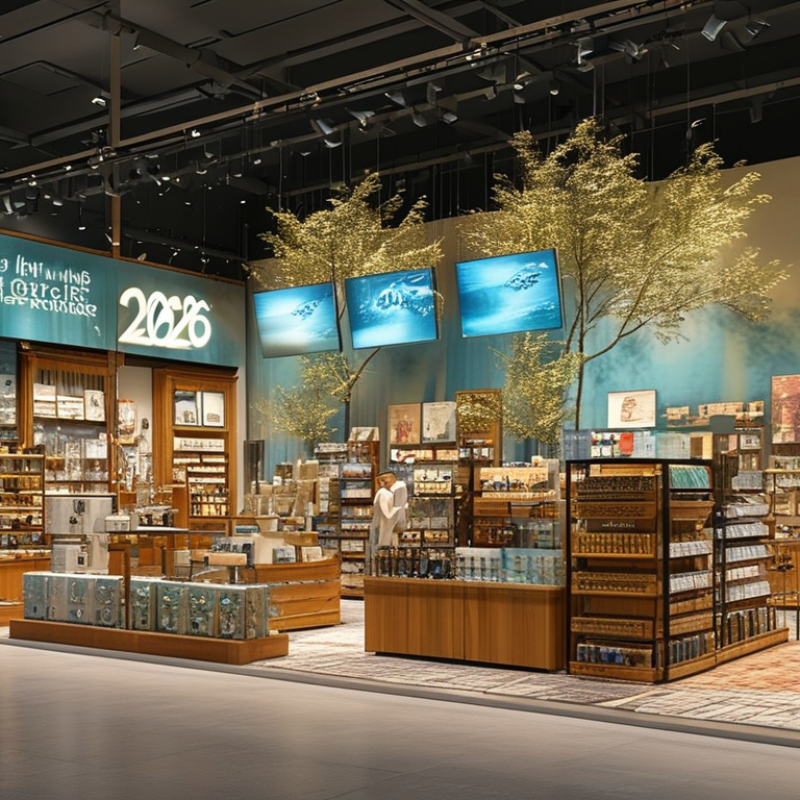
Understanding consumer behavior is crucial for effective retail displays in 2026. Trends indicate that shoppers are now more experience-driven. They crave immersive environments that engage multiple senses. Retailers should focus on creating displays that encourage interaction. For instance, tactile elements or digital touches can enhance the shopping journey.
Today's consumers are increasingly drawn to sustainability. They prefer brands that demonstrate eco-friendly practices. Retail displays should reflect this shift by incorporating recycled materials. An organic aesthetic can also attract attention. Simple yet artistic designs resonate well with modern shoppers. However, balancing innovation with practicality is key. Some complex displays may confuse rather than attract.
Another emerging trend is personalization. Shoppers want to feel special and recognized. Retail displays can utilize data to customize experiences. Implementing local art or community stories can make the display more relatable. This approach fosters a deeper connection with potential customers. Yet, businesses must be cautious not to overwhelm them with options. Clear messaging remains vital to prevent disengagement.
Creating compelling retail displays is crucial for driving sales in 2026. Effective design elements enhance customer engagement. According to a study by Visual Merchandising and Store Design, 67% of consumers make purchasing decisions based on visual factors alone. This data underscores the importance of a thoughtful display strategy.
Practical tips can help refine display designs. Use contrasting colors to catch the eye. For instance, a vibrant red item on a white background stands out. Utilize clear signage to convey product benefits quickly. Reports indicate that clear messaging can increase sales by 30%. Layout matters too; ensure products are accessible. This invites interaction and can lead to impulse buys.
Reflecting on current trends, it’s evident not all displays resonate. Some brands overstuff their spaces, leading to confusion. Clutter can detract from the intended message. Keep it simple yet impactful. Quality over quantity is essential in retail design. Research shows that minimalist displays can increase customer dwell time by 20%. Prioritize clean and organized presentations to maximize effectiveness.
Technology is reshaping retail displays in 2026. Retailers should embrace interactive elements to engage customers. Touchscreens, augmented reality, and digital signage make displays come to life. A well-placed screen can capture attention instantly, drawing shoppers closer. Interactive kiosks provide personalized shopping experiences. They invite customers to explore and learn about products in depth.
However, incorporating technology is not without challenges. Not all customers are tech-savvy. Some may feel overwhelmed or disinterested. It’s essential to strike a balance between high-tech and accessible displays. Use clear, concise messaging alongside tech features. Too much information can confuse and frustrate shoppers. Consider the diversity of your audience; not everyone will engage in the same way.
Regular updates are crucial for success. Outdated technology can deter customers. Continuous improvement prevents displays from feeling stale. Retailers must be ready to adapt based on customer feedback. Observing real reactions can provide valuable insights for refinement. In this fast-paced landscape, flexibility is key to a successful retail display strategy.
Sustainability is no longer optional. Modern consumers are increasingly driven by their values. They seek brands that align with their commitment to the planet. Retail displays play a crucial role in conveying this message. By utilizing eco-friendly materials, retailers can create a strong impression.
Consider using recycled or biodegradable materials for display fixtures. This not only reduces waste but also attracts attention. Bright colors or minimalistic designs using sustainable resources can enhance the shopping experience. Balance is vital; too much emphasis on sustainability may overshadow product visibility. Reflecting on past display strategies can yield insightful improvements.
Engaging storytelling is essential in these displays. Customers appreciate a narrative behind the products they see. Highlight the journey of materials or the brand’s sustainable efforts. Transparency fosters trust and can sway purchasing decisions. Remember, even well-intentioned displays can fall short if they feel inauthentic. A continuous commitment to improvement is necessary.
Visual merchandising plays a crucial role in retail success. Research indicates that effective displays can boost sales by up to 30%. This highlights the need for retailers to invest time and resources into creating appealing and engaging environments. Well-designed displays can capture customer attention and encourage impulse purchases.
Understanding the impact of retail displays is essential. A study by the Point of Purchase Association International found that 68% of purchasing decisions are made in-store. This emphasizes the importance of a strategic layout and eye-catching displays. Elements such as lighting, color, and product placement can significantly influence consumer behavior.
However, not all displays lead to success. Poorly executed designs can confuse shoppers and detract from the shopping experience. Retailers must continually assess and adapt their displays. Tracking sales performance and customer feedback can provide insights into what works and what doesn’t. Regular testing allows for adjustments that can enhance effectiveness and drive sales growth.
: Consumers seek immersive environments that engage multiple senses. They cherish experience-driven shopping journeys.
Sustainability is crucial. Shoppers prefer brands with eco-friendly practices reflected in displays.
Simple, artistic designs resonate well. Using recycled materials enhances the organic aesthetic that consumers love.
Personalization makes shoppers feel special. Incorporating local art can create relatable and engaging experiences.
Visual factors significantly matter. About 67% of consumers base their buying decisions on how a display looks.
Focus on clear messaging and accessibility. This invites customer interaction, leading to potential impulse buys.
Layout affects customer engagement. A well-organized display can lead to increased dwell time and better sales.
Clutter can confuse shoppers. Overstuffed displays detract from the intended message and can hinder sales.
Regular testing helps assess designs. Tracking customer feedback can reveal what works and what needs improvement.
Simple, organized displays maximize effectiveness. Quality over quantity is essential to attract and retain customer attention.
In "How to Create Effective Retail Displays for 2026 Success," the article emphasizes the importance of understanding consumer behavior trends that will shape retail displays in the coming years. Key elements of effective display design include strategic use of space, visual appeal, and clear messaging to attract shoppers. The integration of technology is highlighted as a means to enhance engagement, with interactive displays providing a more immersive shopping experience.
Additionally, sustainability practices are becoming increasingly vital as modern consumers prioritize eco-friendly approaches. Retail displays that reflect these values not only resonate with shoppers but also contribute to brand loyalty. Finally, measuring the impact of retail displays on sales performance is crucial for retailers to refine their strategies effectively, ensuring that displays not only captivate but also convert interest into purchases.

CrownRacking