How to Optimize Merchandising Units for Global Buyers?

Time:2026-08-05 Author:Aria
0%

The retail landscape is rapidly evolving, and merchandising units are at its core. Effective merchandising units can increase sales by up to 30%, according to the National Retail Federation. Global buyers are seeking unique and localized products, but many brands struggle to adjust their merchandising strategies. It is crucial to tailor these units to meet the preferences of diverse markets.

However, not all brands fully optimize their merchandising units. Research reveals that nearly 40% of retailers fail to utilize data analytics effectively. This oversight leads to missed opportunities for enhancing customer experience and driving sales. Understanding consumer behavior across different regions can significantly impact how merchandising units perform.

In today's interconnected world, brands must rethink their approach. Streamlining their merchandising units is essential for capturing the attention of global buyers. Yet, many still rely on outdated methods. This contradiction highlights a need for ongoing reflection and adjustment in merchandising strategies. Addressing these gaps can lead to a more effective global presence.
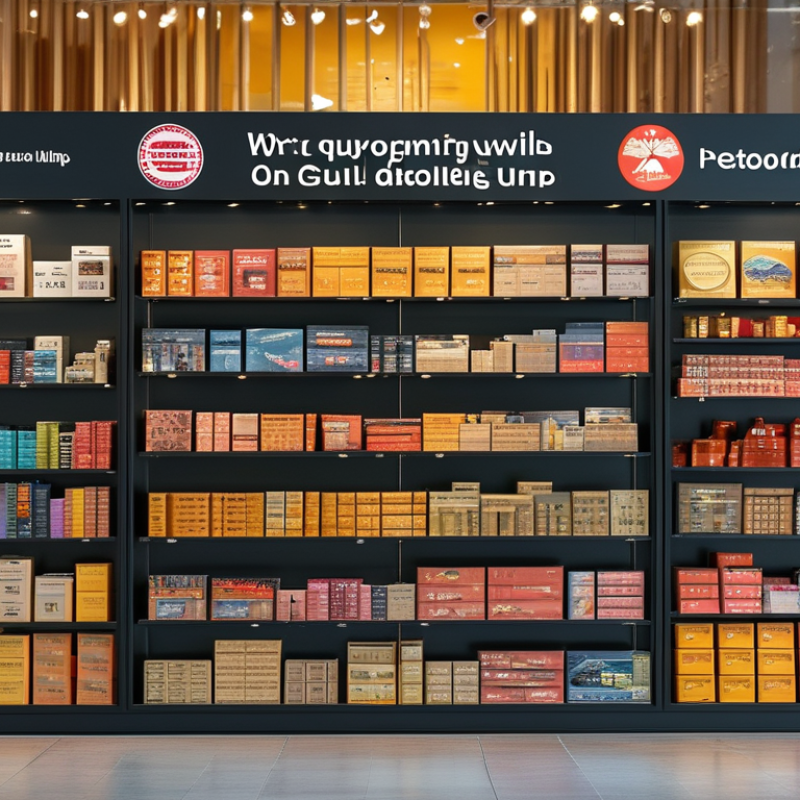
How to Optimize Merchandising Units for Global Buyers?

Understanding the Role of Merchandising Units in Global Markets

Merchandising units play a pivotal role in global markets. They serve as the physical representation of brands and products. Effective merchandising can increase sales by up to 25%, according to a report by the International Retail Research Institute. This emphasizes the importance of optimizing these units to cater to diverse customer preferences worldwide.

Understanding regional differences is crucial. For instance, visual merchandising strategies that work in North America may not resonate in Asia. A study by the Global Retail Insights Forum found that 70% of consumers make shopping decisions at the point of sale. Therefore, it’s vital to localize display and product information. Failure to do so can alienate prospective buyers and diminish brand loyalty.

Challenges exist. Many businesses struggle with inventory management across different markets. Reports indicate that 40% of retailers experienced overstock issues in 2022. This can lead to markdowns and loss of profit. Additionally, the inconsistency in presentation can confuse customers. Brands must regularly assess their merchandising strategies for adaptability and relevance. Balancing innovation with proven strategies remains a complex task that requires ongoing evaluation and refinement.

Identifying Key Factors Influencing Global Buyer Preferences

Understanding global buyer preferences is essential for optimizing merchandising units. Various factors influence these preferences, including cultural differences, economic conditions, and market trends. For instance, color schemes and designs may resonate differently in distinct regions. A vivid color may attract attention in one market but seem overwhelming in another. Therefore, it's crucial to conduct thorough market research before making decisions.

Another key factor is the buying power of different regions. Some markets may prioritize affordability, while others are willing to pay more for premium features. Businesses must adjust their offerings accordingly, and sometimes this requires trial and error. Gathering feedback from local buyers can help refine strategies.

Additionally, sustainability is becoming more important. Many global buyers are concerned about environmental impact. They favor products with eco-friendly packaging and ethical sourcing. However, balancing sustainability with cost can present challenges. Companies should explore innovative solutions that satisfy both buyer expectations and operational feasibility. This approach may not yield immediate results, but continuous adaptation is essential.

Strategies for Effective Product Presentation and Placement

Effective product presentation and placement are vital for maximizing the appeal of merchandising units to global buyers. Research indicates that 75% of purchasing decisions are influenced by visual elements. Therefore, a strategic layout is essential. Placing high-demand items at eye level can significantly enhance visibility. Additionally, using clear signage can guide customer behavior, directing them towards featured products.

In a recent study, retailers found that optimizing store layouts led to a 20% increase in sales. This data emphasizes the need for informed decisions regarding product placement. It's essential to consider cultural preferences, as global audiences may respond differently to layouts. For instance, some cultures prioritize accessibility, while others might focus on aesthetics. Using locally relevant displays can elevate engagement.

However, challenges persist. Retailers often overlook the importance of continuous testing. A successful display today might not yield the same success tomorrow. Regularly evaluating merchandising strategies is needed. Feedback from shoppers can provide insights into what works and what does not. Adapting to changes in consumer preferences is crucial for sustained success in an ever-evolving marketplace.

Optimizing Merchandising Units for Global Buyers

Utilizing Data Analytics to Tailor Merchandising Units

Data analytics plays a crucial role in optimizing merchandising units for global buyers. According to a recent report by McKinsey, companies that leverage data-driven decision-making are 23 times more likely to acquire customers. Understanding buyer preferences through data allows businesses to create tailored merchandising units that resonate on a global scale.

Using analytics tools, retailers can assess purchasing patterns and local preferences. For instance, in Asia, 75% of shoppers prefer personalized offers. This insight drives retailers to adjust product assortments and marketing strategies accordingly. However, reliance on data can lead to pitfalls. Overemphasis on historical trends might ignore emerging consumer behaviors. Businesses must remain adaptable, continuously refining their strategies to align with real-time data.

Additionally, incorporating social media analytics can enhance understanding of buyer sentiment. A Nielsen study shows that 62% of consumers trust recommendations from friends over traditional advertisements. Brands can benefit from this by creating merchandising units that encourage social sharing. Yet, companies can fall short if they overlook the importance of authenticity. Data may suggest popular trends, but it is essential to understand the deeper connection consumers seek with brands.

How to Optimize Merchandising Units for Global Buyers? - Utilizing Data Analytics to Tailor Merchandising Units

Region Product Category Sales Volume (Units) Average Price ($) Preferred Channel Customer Demographics
North America Electronics 15000 300 Online 18-35 years
Europe Fashion 12000 150 Retail 25-40 years
Asia Home Appliances 20000 250 Online 30-50 years
South America Toys 8000 40 Retail 5-12 years
Africa Beauty Products 5000 30 Online 18-30 years

Best Practices for Cross-Cultural Merchandising Adaptation

Adapting merchandising strategies for global buyers requires deep cultural understanding. Consumers from different regions have unique preferences and needs. What works in one market may fail in another. This poses a challenge for businesses aiming for international success. Crafting products that resonate involves more than translation; it requires a connection to local cultural nuances.

Colors hold different meanings worldwide. For example, red symbolizes luck in some cultures but can signify danger in others. It's crucial to research cultural associations. Presentation also matters. Packaging that appeals in one region might seem overly extravagant in another. Observing local trends can provide invaluable insights. Testing products and designs in target markets is essential for gathering real feedback.

Understanding seasonal variations is another layer of complexity. Holidays and shopping habits differ across cultures. Ignoring these can lead to misaligned merchandising efforts. Continuous evaluation of strategies is necessary. Businesses should adapt quickly to changes in buyer behavior. A one-size-fits-all approach often falls short. Reflecting on past missteps can pave the way for better cultural resonance in the future.

FAQS

: What factors influence global buyer preferences?

: Cultural differences, economic conditions, and market trends significantly impact buyer preferences.

Why is market research important before launching a product?

Different regions respond uniquely to colors and designs, so thorough research is essential for success.

How does buying power affect product offerings?

Some markets seek affordability, while others are willing to pay more for quality; businesses must adapt accordingly.

What role does sustainability play in buyer preferences?

Many buyers prefer eco-friendly products, though balancing cost and sustainability can be challenging.

How can product presentation increase sales?

Strategic layouts and eye-level placements enhance visibility and influence purchasing decisions significantly.

Why is continuous testing important for product presentation?

What works today in merchandising may not work tomorrow; regular evaluation helps maintain effectiveness.

How can businesses adapt to cross-cultural differences?

Understanding unique local preferences and cultural nuances is crucial for successful international merchandising.

What should businesses consider regarding seasonal variations?

Different holidays and shopping habits require tailored approaches to avoid misaligned merchandising efforts.

How can feedback from local buyers help?

Gathering insights from buyers aids in refining strategies and ensures better alignment with market needs.

What can be learned from past merchandising failures?

Reflecting on what didn’t work can inform future strategies and improve cultural connections.

Conclusion

The article "How to Optimize Merchandising Units for Global Buyers?" delves into the essential role of Merchandising Units in the context of global markets. It emphasizes the importance of understanding buyer preferences, which can vary significantly across regions. Identifying key factors such as cultural influences, purchasing behavior, and market trends is crucial for businesses aiming to cater to diverse audiences.

To enhance the effectiveness of Merchandising Units, the article proposes strategies for optimal product presentation and placement. It underscores the significance of utilizing data analytics to customize offerings that resonate with local consumers. Additionally, the piece highlights best practices for adapting merchandising strategies to accommodate cross-cultural differences, ensuring that businesses can successfully engage a global customer base while maximizing their reach and impact.

Aria

Aria

Aria is a dedicated marketing professional with a deep passion for innovative strategies and a keen understanding of our company's product offerings. With a wealth of experience in the industry, Aria excels at crafting engaging content that highlights the unique features and benefits of our......