When it comes to retail success, the importance of choosing the right "Retail Shelving Units" cannot be overstated. Industry expert Rachel Simmons emphasizes, "The right shelving not only showcases products but also enhances customer experience." Her insight reflects the critical role that shelving plays in attracting and retaining customers in stores.
Selecting the perfect shelving units involves more than just aesthetics. It requires a deep understanding of product placement and store flow. Functional shelving can make a significant difference. For instance, adjustable shelves allow for flexibility in displaying various product sizes. However, relying solely on appearance can lead to poor customer engagement. Retailers should prioritize functionality alongside visual appeal.
Retail shelving units must be chosen with careful consideration. Mistakes in selection can lead to inefficiencies. Many retailers overlook the durability of materials and size of units. Such oversights can affect both product visibility and safety. Assessing the unique needs of your store is crucial. Ultimately, the right choices lead to a more organized and inviting shopping environment.
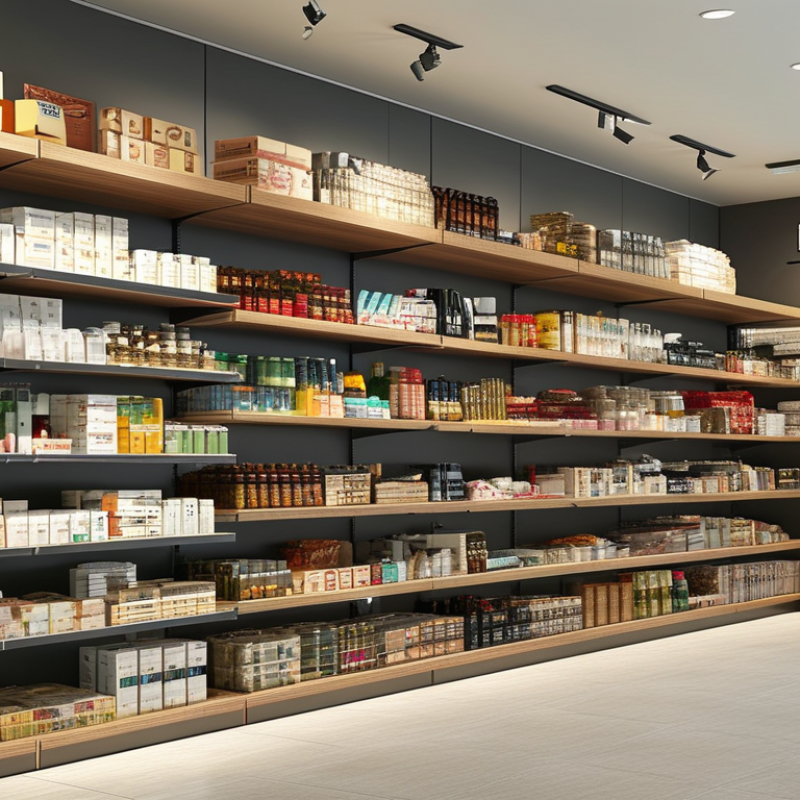
When selecting retail shelving units for your store, consider your space and design. The layout of your store impacts customer flow and product visibility. Choose units that complement your store's style, whether modern or classic. Shelving should not only display products but also enhance the overall shopping experience.
Quality is paramount. Look for sturdy materials that can support various products. Wooden, metal, or plastic options each have their advantages. Durable units can withstand daily use. Be mindful of how each material aligns with your brand image. Additionally, think about the ease of assembly and maintenance.
Consider adaptability as well. Modular shelving systems allow flexibility for changes in layout. You might find that your needs evolve over time. Units that can be reconfigured save you money in the long run. Ensure you measure your space accurately before making a purchase. Small errors can lead to costly adjustments.
| Factor | Description | Considerations |
|---|---|---|
| Size and Space | Assess the available space in your store to choose appropriately sized shelving units. | Measure width, height, and depth to ensure a good fit. |
| Material | Shelving units can be made from wood, metal, or plastic. Each material has its durability and aesthetic strengths. | Choose based on the type of products to display and store environment. |
| Weight Capacity | Evaluate the weight that the shelving units can hold to safely display your merchandise. | Consider lightweight versus heavy items that will be stored. |
| Design and Style | The aesthetic of the shelving should match your store's brand and design ethos. | Prioritize style that complements your overall store theme. |
| Flexibility and Adjustability | Consider shelving units with adjustable heights and configurations to adapt to changing inventory. | Invest in modular systems for future needs. |
| Cost | Budget is crucial when selecting shelving units; consider both initial costs and long-term value. | Balance quality with affordability. |
: Accurate measurements ensure proper shelving placement and enhance customer navigation.
Assess total area, entry points, walkways, and overhead fixtures for optimal layout.
Ensure shelves are reachable for most customers while utilizing vertical space effectively.
Options include wood, metal, and plastic, each with unique benefits and drawbacks.
Shelving should reflect your brand’s image and enhance the overall shopping experience.
Design clear pathways and use open shelving for featured products to encourage browsing.
Regular assessments are necessary to adapt to inventory changes and customer feedback.
They need regular upkeep to prevent veneer wear and maintain appearance.
Yes, if not treated properly, metal can be prone to scratches and rust over time.
They are lightweight and moisture-resistant but may lack the strength of wood or metal options.
When selecting Retail Shelving Units for your store, several factors must be considered to ensure that they meet your business needs. Key considerations include the type of products you intend to display, the layout of your store, and the overall design theme you wish to project. Understanding the different types of retail shelving units, such as wall-mounted, free-standing, and gondola shelves, can help you choose the most appropriate option for your products and space.
Moreover, measuring your store space is crucial for optimal shelving placement, allowing for efficient customer flow and product accessibility. The choice of material and durability is also important, as it affects the longevity and strength of the shelves. Finally, integrating aesthetic design with your branding into the shelving choices ensures that they complement your store's visual identity, making it appealing to customers while effectively showcasing your merchandise.

 CrownRacking