Top 10 Stackable Storage Solutions for Every Space

Time:2026-10-31 Author:Sophia
0%

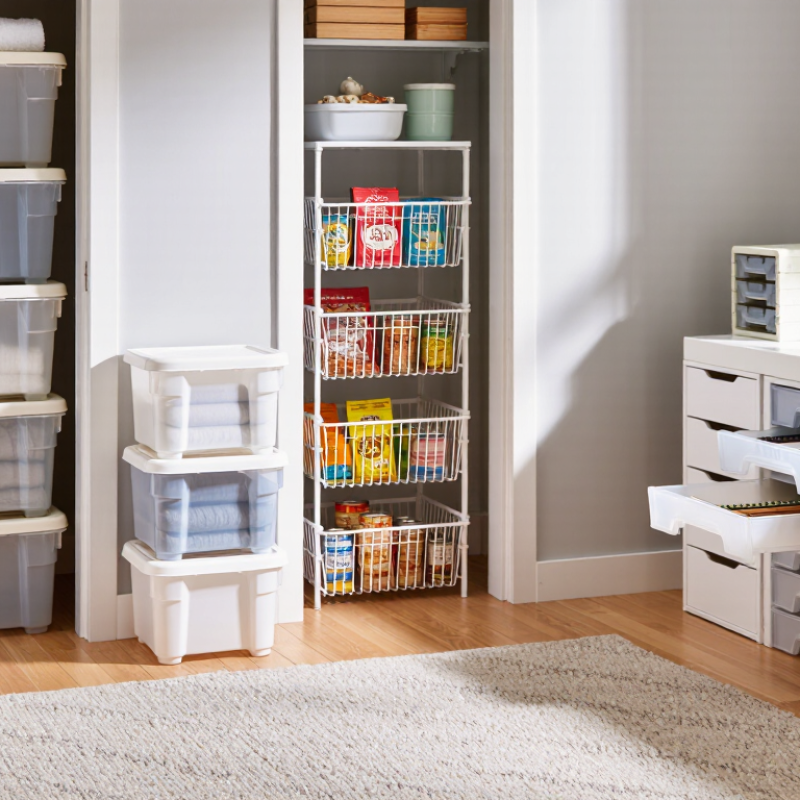
Small homes rarely need more bins; they need storage that uses vertical space without hiding everyday essentials. Stackable Storage can make a narrow closet, crowded pantry, or compact desk feel more manageable. Picture clear boxes holding folded towels, labeled baskets keeping snacks visible, or sturdy drawers fitting beneath a worktable. Small changes. More usable room.

The right setup depends on what you store and how often you reach for it. Heavy items belong low; daily supplies should stay within easy reach. Check dimensions, weight limits, stability, and whether containers open comfortably when stacked. A neat tower is not useful if you must move three boxes to find a phone charger. No system is perfect.

Organizing expert and author Marie Kondo writes, “The question of what you want to own is actually the question of how you want to live your life.” That principle helps guide this roundup: storage should support real routines, not just look tidy in a photograph. The Top 10 Stackable Storage Solutions for Every Space explores options for kitchens, bedrooms, offices, and shared rooms, with practical details to consider before buying. Some solutions may suit your space better than others. Measure first, and leave room for items you actually use. A little honest trial and error is part of getting organized.
Top 10 Stackable Storage Solutions for Every Space

What Stackable Storage Is and How It Makes Better Use of Space

Stackable storage uses containers, baskets, or drawers designed to sit securely on top of one another. Instead of spreading belongings across a shelf or floor, it uses vertical space. A clear bin of winter gloves can sit above labeled containers of scarves, leaving the closet floor open for shoes. In a kitchen, matching stackable bins can separate snacks without hiding everything at the back. That is not magic. The U.S. Self Storage Association’s 2023 Self Storage Demand Study estimated that 11.1% of U.S. households rented self-storage. That figure does not prove stacking works, but it shows how commonly people seek extra room for belongings.

A stack works best when its footprint fits the shelf and its contents suit how often you reach for them. Put heavier, frequently used items low; reserve the top for light, seasonal things. Check each container’s weight limit, and avoid stacking where a leaning tower could fall. I still find it easy to stack neatly and forget what sits at the bottom. Labels on the front help, but leaving a little access space helps more. The U.S. Census Bureau reported a 2,286-square-foot median floor area for new single-family homes in 2023. A larger home does not guarantee useful storage: awkward corners, crowded closets, and narrow shelves can still waste space. Measure before buying, and choose a stable stack you can actually reach.

Key Factors for Choosing Safe, Practical Stackable Storage

Top 10 Stackable Storage Solutions for Every Space

Safe, practical storage depends on more than fitting one box on another. Check each unit’s load rating, footprint, and locking or nesting features before buying. Place dense items, such as books or tools, in lower containers; keep lighter, frequently used items above. On smooth floors, a loaded stack can shift when drawers slide open. A wider base helps, but it is not a substitute for securing tall units.

Tips: Stack only compatible containers, and follow the maker’s height and weight limits. Keep stacks away from doorways and heaters. In a garage, secure tall shelving to a suitable wall, and leave enough room to reach items without climbing. It sounds obvious. It is easy to forget when space is tight.

For household safety, the U.S. Consumer Product Safety Commission’s 2023 report estimated about 22,500 emergency-department-treated injuries in 2022 involving tip-overs of furniture, televisions, or appliances. These figures do not describe stackable bins specifically, but they show why stability matters. Choose storage that stays level under its intended load, and test a new arrangement gently before relying on it. I still find that “one more box” is often where a tidy stack becomes awkward.

Top 10 Stackable Storage Solutions for Every Space - Key Factors for Choosing Safe, Practical Stackable Storage

Example dimensions are representative planning sizes, not industry standards. Check each item's measurements, weight limits, stacking instructions, and intended use before buying or stacking.

Storage Solution Example Dimensions (L × W × H) Best For Practical Advantages Safe Stacking Factors
Clear lidded plastic bins 24 × 16 × 13 in (61 × 41 × 33 cm) Closets, bedrooms, seasonal clothing, and household supplies Contents are easy to identify; lids help keep out dust; available in multiple sizes. Choose bins with lids and bases designed to interlock. Place heavier bins at the bottom and avoid overfilling.
Small clear shoe boxes 13 × 8 × 5.5 in (33 × 20 × 14 cm) Entryways, wardrobes, accessories, and small craft items Compact footprint, visible contents, and convenient access to individual pairs or items. Use matching boxes that sit securely together. Keep stacks low and away from places where they could be bumped.
Stackable plastic drawer units 15 × 12 × 26 in (38 × 30 × 66 cm) Bathrooms, offices, laundry areas, and hobby spaces Drawers allow access without lifting off the containers above; useful for frequently used items. Follow the manufacturer's stacking configuration. Secure taller units where appropriate, and do not pull multiple drawers out at once.
Under-bed storage bins 30 × 16 × 6.5 in (76 × 41 × 17 cm) Under-bed spaces, spare bedding, clothing, and seasonal items Uses low, often overlooked space; some designs include wheels for easier access. Usually intended for low stacks or single-layer use. Check bed clearance and avoid placing heavy items on lids unless specified.
Stackable wire baskets 16 × 12 × 8 in (41 × 30 × 20 cm) Pantries, linen closets, laundry rooms, and ventilated storage Open sides provide visibility and airflow; baskets can be convenient for grouped supplies. Make sure the basket design locks or nests securely. Keep small items contained and distribute weight evenly.
Modular fabric storage cubes 13 × 13 × 13 in (33 × 33 × 33 cm) Living rooms, bedrooms, toys, and lightweight clothing Soft sides are lightweight and can fit into cube organizers; many fold flat when empty. Fabric cubes generally need a compatible frame or firm support for stable stacking. Avoid heavy loads and high, unsupported piles.
Stackable file boxes 15 × 12 × 10 in (38 × 30 × 25 cm) Home offices, paperwork, records, and document supplies Compact format helps group papers by subject or date; lidded versions protect documents from dust. Paper can become heavy quickly. Check the box's weight capacity, keep the heaviest boxes low, and store documents in a dry area.
Stackable pantry containers 10 × 7 × 5 in (25 × 18 × 13 cm) Kitchen cupboards, dry goods, snacks, and baking ingredients Uniform containers can make shelves easier to organize; clear sides help identify contents. Use food-safe containers with secure, flat lids. Keep stacks stable, dry, and away from heat; follow food-storage guidance for each item.
Heavy-duty utility totes 27 × 18 × 15 in (69 × 46 × 38 cm) Garages, basements, sports equipment, and bulky household items Larger capacity suits awkward items; reinforced designs may be suitable for more demanding storage tasks. Do not assume all large totes can be stacked when full. Check the stated load and stacking limits, and keep the stack on a level surface.
Stackable lidded baskets 14 × 10 × 7 in (36 × 25 × 18 cm) Bathrooms, shelves, entryways, and everyday small items Easy to carry and useful for keeping loose items grouped; many styles fit neatly on shelves. Prefer rigid baskets with stable bases and secure lids. Avoid stacking soft or tapered baskets unless they are designed to nest securely.

Top 10 Stackable Storage Solutions for Different Spaces

Stackable storage works best when each space has different needs. In a narrow entryway, use shallow bins for gloves, hats, and dog leads. Keep frequently used items at waist height, and label the front clearly. A tall tower can wobble if its base sits on an uneven floor, so check stability before loading it.

In a kitchen, clear, food-safe containers help make dry goods visible in crowded cupboards. Choose matching widths when shelf space is tight; odd shapes often leave awkward gaps. In a bedroom, fabric cubes can hold folded shirts or spare linens, while firmer boxes suit heavier shoes. Don’t stack soft containers too high. They sag, and the bottom one becomes annoying to reach.

For a home office, compact trays can separate paper, cables, and small supplies without taking over the desk. In a child’s room, low, lightweight bins make toys easier to put away independently. A garage or laundry area may need sturdier containers for tools, detergent, or seasonal gear. Keep heavy items on the bottom, and leave a little room to pull each bin out. Measure the shelf depth first. I’ve found that “almost fits” usually means wasted space—or a container that catches every time you use it.

How to Match Storage Types to Rooms and Everyday Items

Top 10 Stackable Storage Solutions for Every Space

Match the container to the room and the items you reach for most. In a bedroom closet, stack shallow, open bins for folded shirts or scarves; deep boxes can hide smaller pieces at the bottom. In a kitchen, clear, lidded containers help group packets, baking supplies, or spare towels. Check that lids fit securely before stacking, especially on smooth floors or high shelves. Heavy items belong low. Keep frequently used items within easy reach.

Tips: Measure the shelf first. Leave a little room to pull bins out. Add simple labels, and place the label where you can see it. Don’t stack higher than feels stable.

In a bathroom, choose compact, moisture-resistant organizers for extra soap, tissues, or hair tools, and avoid storing damp items in closed containers. For a desk, small stackable trays can separate cables, notebooks, and loose supplies without taking over the surface. A garage or entryway may suit sturdier bins for sports gear, gloves, or seasonal accessories. One system rarely works everywhere. I’d test a single stack before buying several; a bin that fits the shelf may still be awkward to lift when full.

How to Arrange, Label, and Maintain Stackable Storage Safely

Stackable bins save floor space, but a tidy tower can still become unstable. Start on a level, dry floor, and put the heaviest items in the bottom containers. Keep every bin within its stated load limit; a lid is not always built to carry another full box. Align the corners, and use containers designed to stack securely. If the pile wobbles when gently nudged, make it shorter. That quick check matters.

Arrange items by how often you use them. Keep daily supplies between knee and shoulder height, so you are not stretching or lifting above your head. Put seasonal items higher, but avoid stacking near ceilings, heaters, or doorways. Label the front and one side of each bin, where a label stays visible after rearranging. Write specific contents, such as “winter scarves,” rather than “clothes.” Keep it simple. A small date on labels can also help identify stored food or craft materials that may need checking.

Inspect bins every few months for cracks, warped lids, dampness, or crushed corners. Redistribute contents if one side feels much heavier. Keep stacks away from places where children might climb, and leave clear paths to exits. It is tempting to skip checks when everything looks tidy; that is when hidden damage can go unnoticed. Perfect labeling is unrealistic, too, so revise labels when the contents change.

FAQS

What is stackable storage?

It uses containers, baskets, or drawers that sit securely on one another, making better use of vertical space. Not magic.

How do I choose stackable containers?

Measure your shelf or floor space, then check each container’s footprint, load limit, and stacking features. Choose compatible pieces.

Where should heavier items go?

Place dense items, such as books or tools, in the bottom containers. Keep lighter items higher.

How can I keep a stack stable?

Start on a level, dry floor, align the corners, and stay within weight limits. If it wobbles, make it shorter.

Where should frequently used items sit?

Keep daily supplies between knee and shoulder height. Store seasonal items higher, but away from ceilings, heaters, and doorways.

What makes storage labels useful?

Put labels on the front and one side. Name specific contents, such as “winter scarves,” not just “clothes.”

How often should I inspect storage containers?

Check every few months for cracks, warped lids, dampness, or crushed corners. Redistribute contents if one side feels heavier.

Does stacking solve every storage problem?

No. It can open floor space, but awkward shelves may still waste room. I still forget what sits at the bottom.

Conclusion

Stackable Storage offers a practical way to make better use of vertical space, reduce clutter, and keep everyday belongings easy to reach. The right solution depends on where it will be used and what it needs to hold. When comparing options, consider dimensions, weight capacity, stability, material, access, and whether containers can be securely stacked. A well-chosen setup can work in closets, kitchens, bathrooms, garages, offices, and small living spaces.

Match each storage type to the room and its contents: use clear containers for items you want to identify quickly, sturdy bins for heavier belongings, and compact organizers for shelves or cabinets. Arrange frequently used items at a comfortable height, place heavier containers near the bottom, and avoid stacks that are unstable or difficult to access. Simple labels make contents easier to find, while regular checks help keep the system tidy, safe, and useful over time.

Sophia

Sophia

Sophia is a dedicated marketing professional with an exceptional depth of knowledge about her company's products and services. With a keen understanding of market trends and customer needs, she crafts insightful blog posts that not only inform but also engage readers, enriching the company’s online......