Engineered for extreme performance, heavy loading thresholds, and high-efficiency material flow.
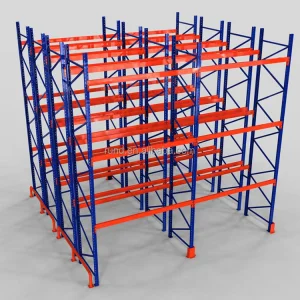
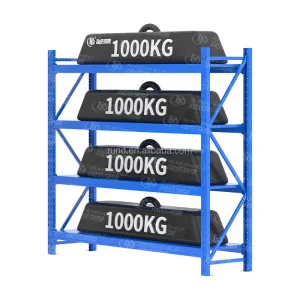
In modern supply chain infrastructure, high-density industrial shelving has transitioned from simple steel frameworks into structurally calculated, dynamically loaded mechanical components. As global logistics networks navigate labor scarcity, land cost increases, and automated material handling integrations, the physical racking layout serves as the critical foundation of throughput efficiency.
With the rise of Autonomous Mobile Robots (AMRs) and Automated Storage and Retrieval Systems (AS/RS), structural tolerances for industrial shelving have grown significantly more strict. Beam deflection limits (formerly assessed at 1/200 span) are now evaluated at tighter ratios to ensure the precision of automated optical sensors. Industrial shelving is now designed to support structural loads while maintaining low structural variances under extreme conditions.
Key technical criteria for procurement leads, supply chain directors, and warehouse designers.
Industrial shelving must prevent catastrophic structural failures under operational stress. Modern procurement mandates structural certification under EN 15512 (European Code), FEM 10.2.02 (Racking Design Guidelines), and CE Marking, ensuring every column, frame, and beam has verified load limits.
Procurement offices require material mill test reports (MTRs) to confirm chemical compostion and yield strengths (e.g., Q235B vs Q355B). Uncertified structural steel contains impurities that can lead to micro-fractures under cyclical loading.
Modern warehouse projects require adaptive racking configurations. Multi-tier mezzanine integrations, adjustable boltless connection zones, and scalable upright profiles enable warehouses to reconfigure layouts as stock profiles change.
Critical Engineering Standards Notice: To achieve CE compliance for structural steel applications across Europe, manufacturers must satisfy EN 1090-1 / EN 1090-2 (Execution of steel structures) and ISO 3834 (Quality requirements for fusion welding). Our facilities verify that weld thickness, joint integrity, and powder coat durability adhere to these criteria.
System architectures tailored to specific inventory patterns, load parameters, and distribution strategies.
| Racking System Type | Typical Load Capacities | Optimal Use Case | Structural Advantages | Material Engineering Details |
|---|---|---|---|---|
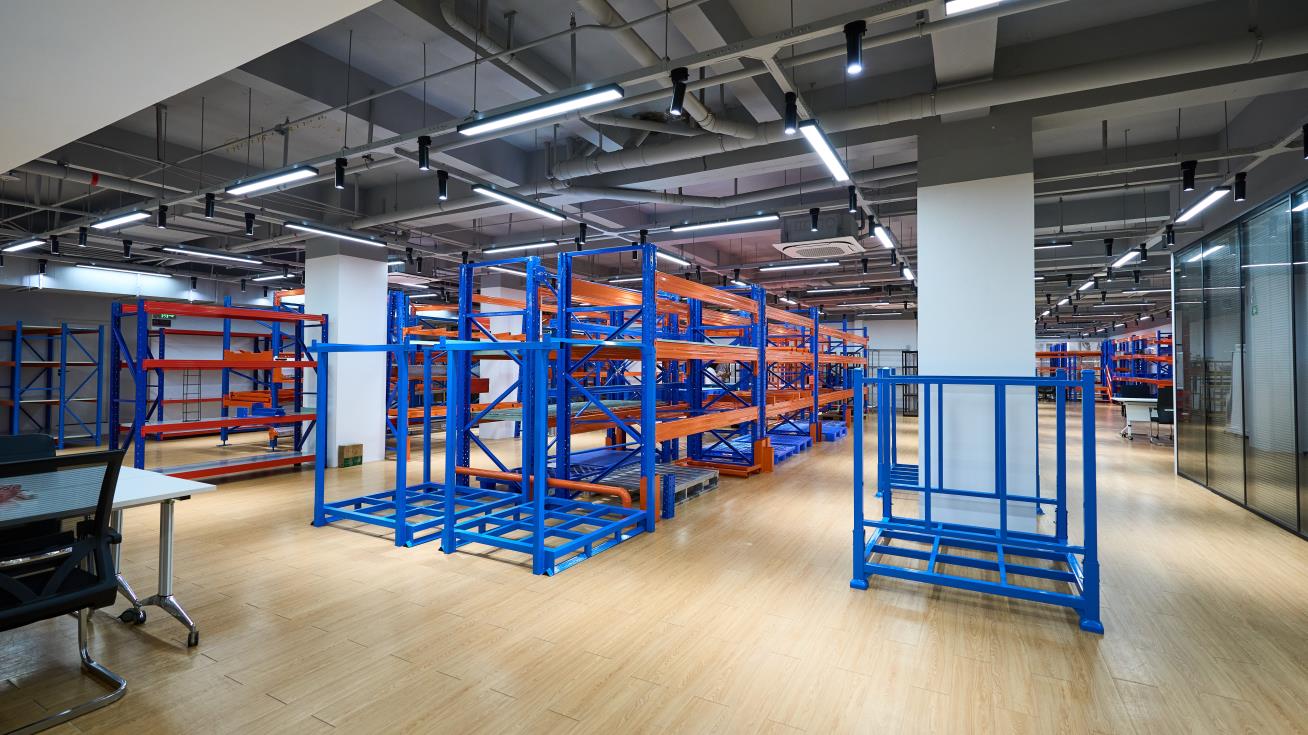
| Heavy Duty Selective Pallet Racking | 1,000 kg – 4,000 kg / Level | General palletized cargo, multi-SKU retail logistics parks | 100% SKU selectivity, easily adjustable beam spacing | Cold-rolled Q355B steel, epoxy powder finish |
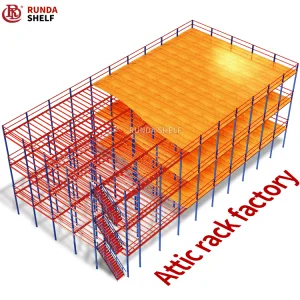
| High-Density Mezzanine Systems | 300 kg – 1,000 kg / m² | E-commerce fulfillment centers, pharmaceutical hubs | Doubles floor footprint utilizing vertical clear height | Integrated H-beams, structural floor plate designs |
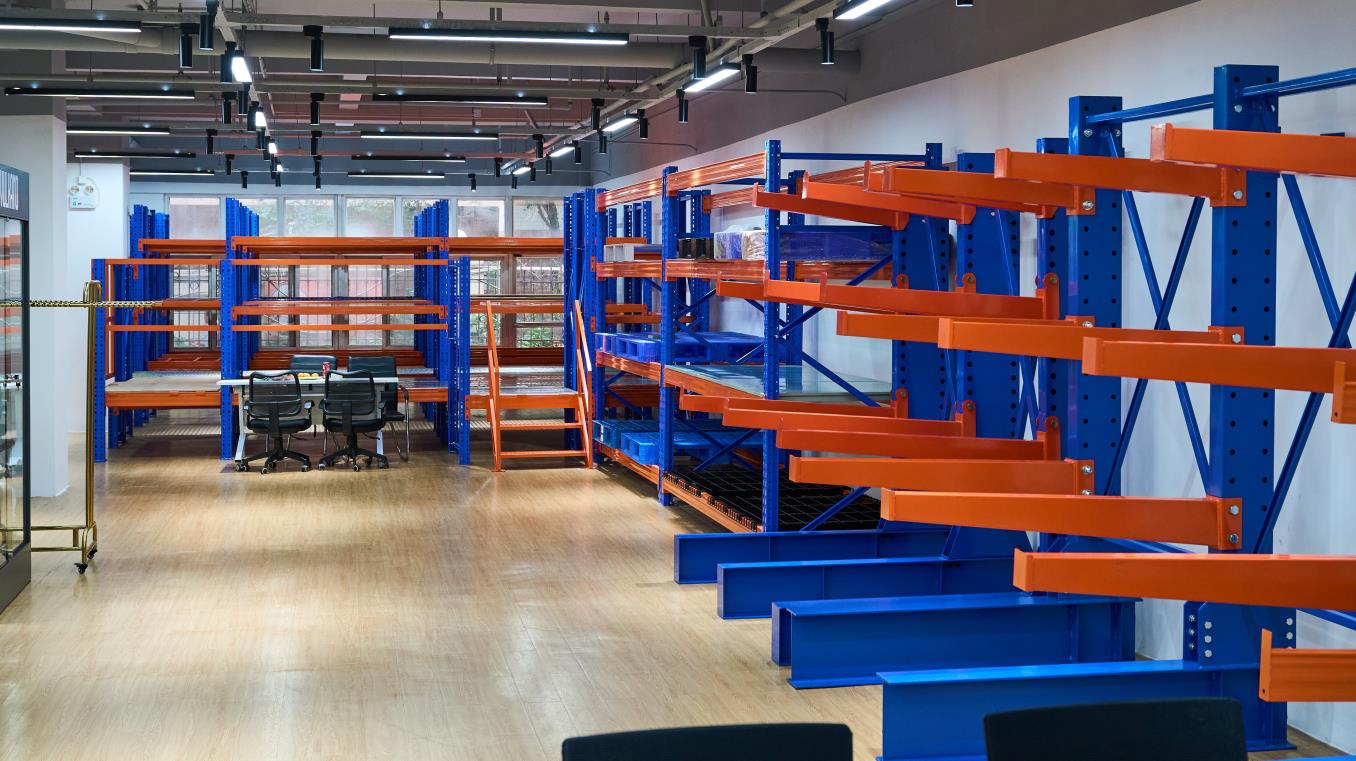
| High-Density Cantilever Racking | 500 kg – 2,500 kg / Arm | Long lumber, metal tubes, construction components | No front vertical columns to obstruct product placement | Heavy-walled structural steel sections with safety pin locks |
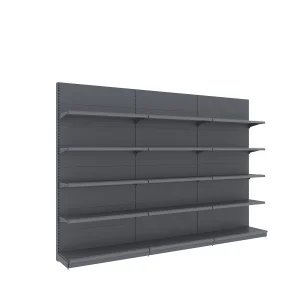
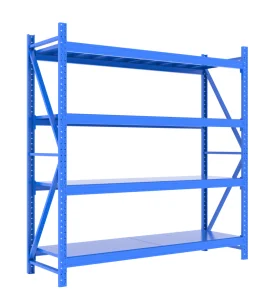
| Boltless Snap-In Shelving | 150 kg – 500 kg / Level | Workshop tool cribs, parts storage, retail store backrooms | Fast, tool-free installation using teardrop connection joints | Adjustable particle board or zinc-plated steel decking panels |
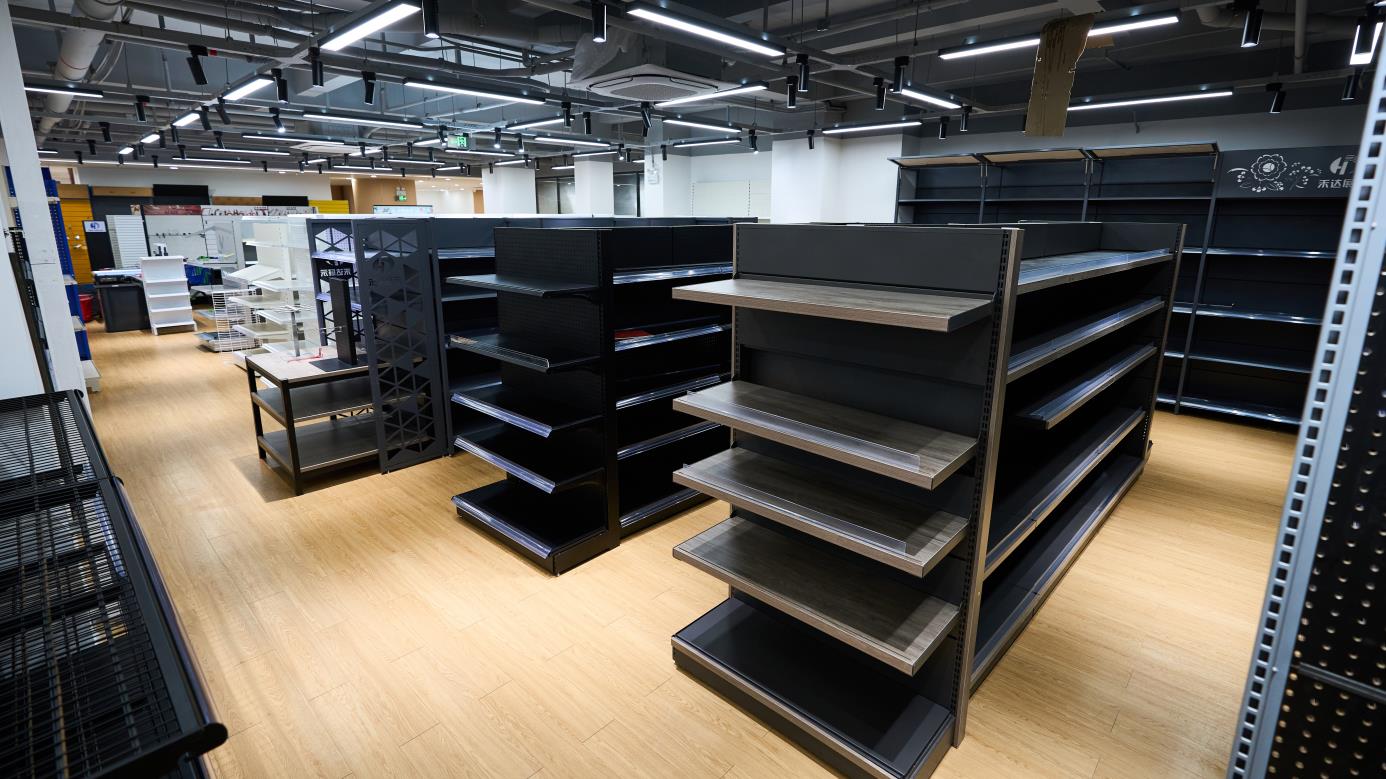
Since our founding in 2018, Ningbo CrownRacking has designed and manufactured heavy-duty warehouse racking and commercial display systems. Operating from our 46,500 m² modern production complex, we generate an annual export revenue of $42,000,000.
With 5 years of international trade experience and 8 years of dedicated industry leadership, our factory-direct export models support global turnkey projects. We support complex supply chains across Australia, Northern Europe, and North America through direct distribution pathways, supported by 1,850 supply chain partners. We serve demanding client sectors including pharmaceutical distribution networks, retail logistics parks, and heavy machinery warehouses.
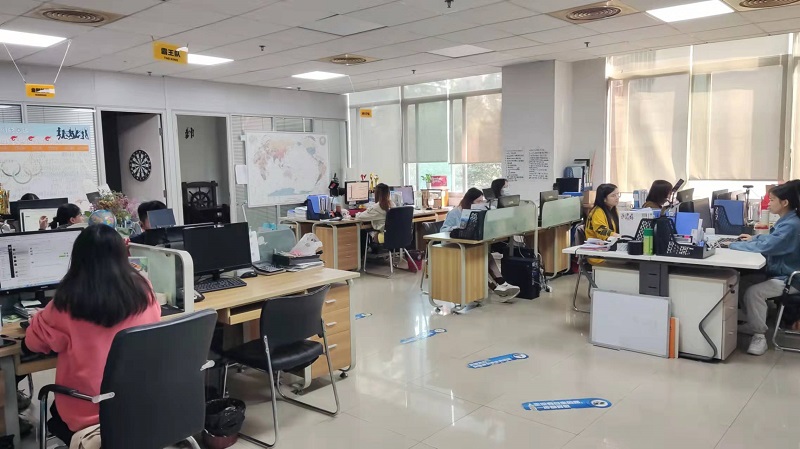
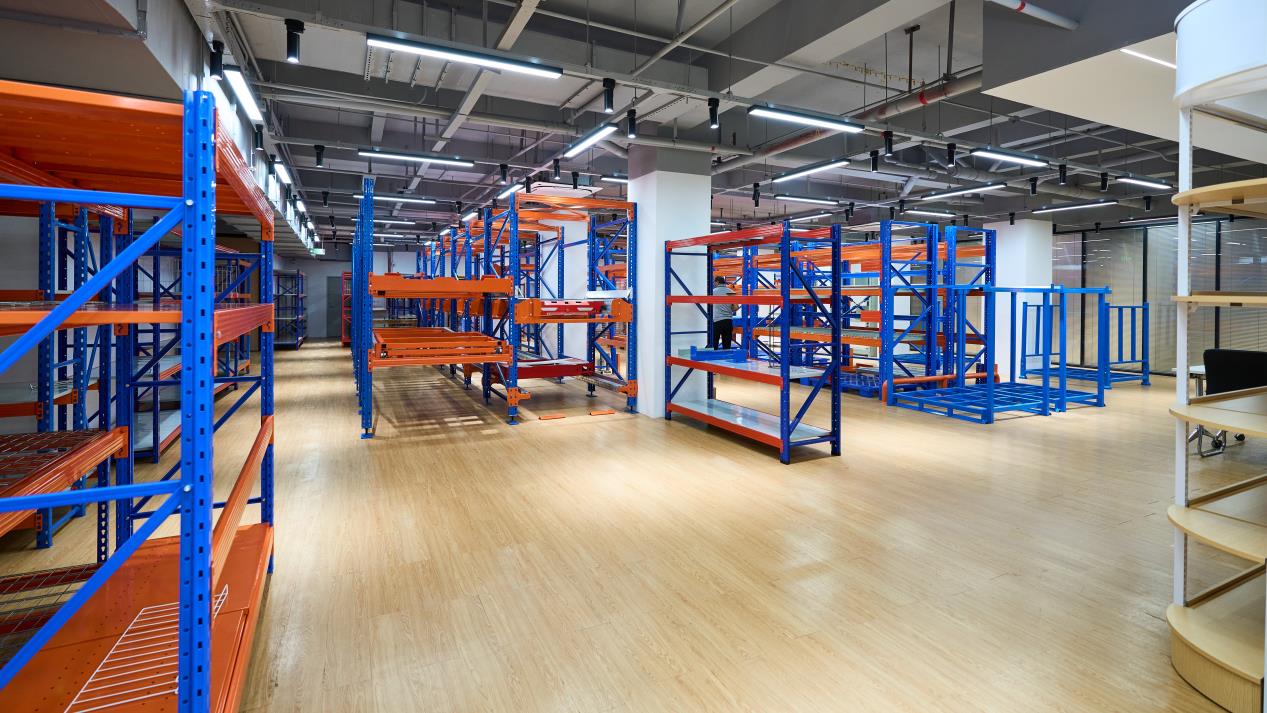
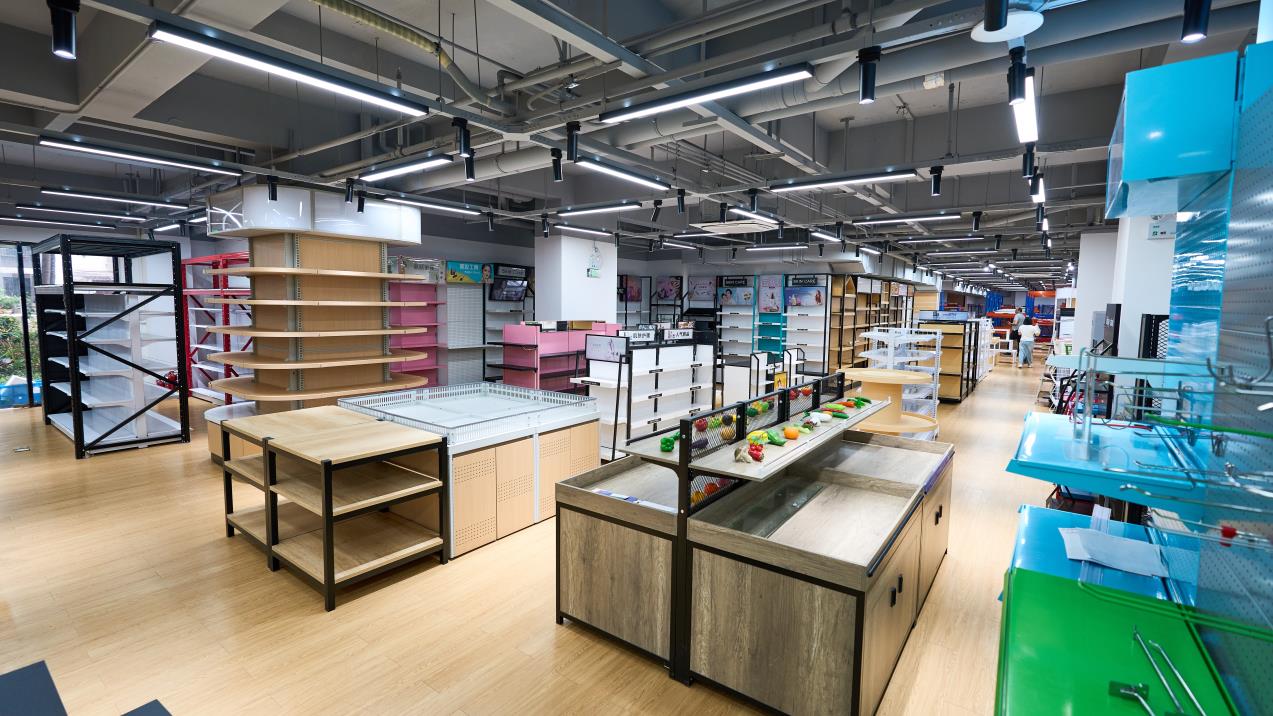
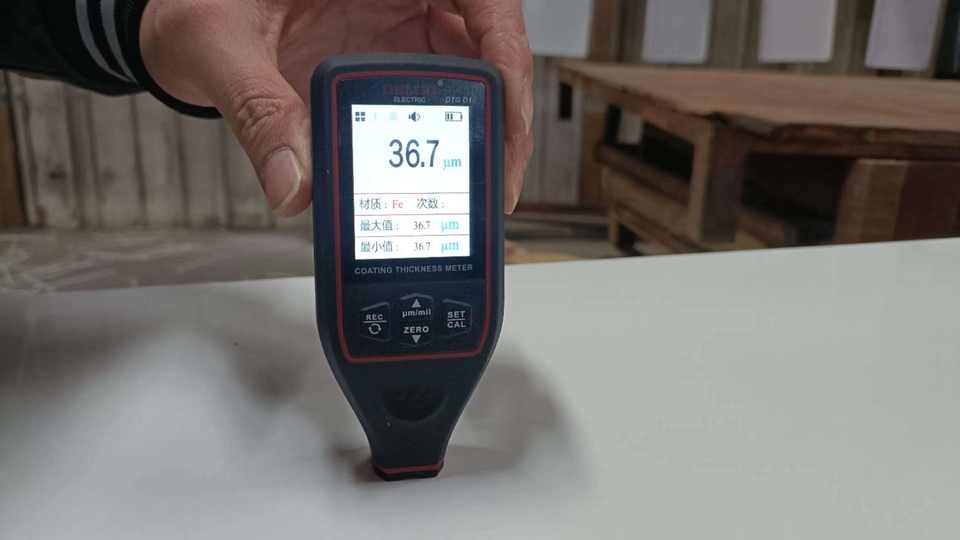
How our QC architecture eliminates risk from project engineering to export shipping.
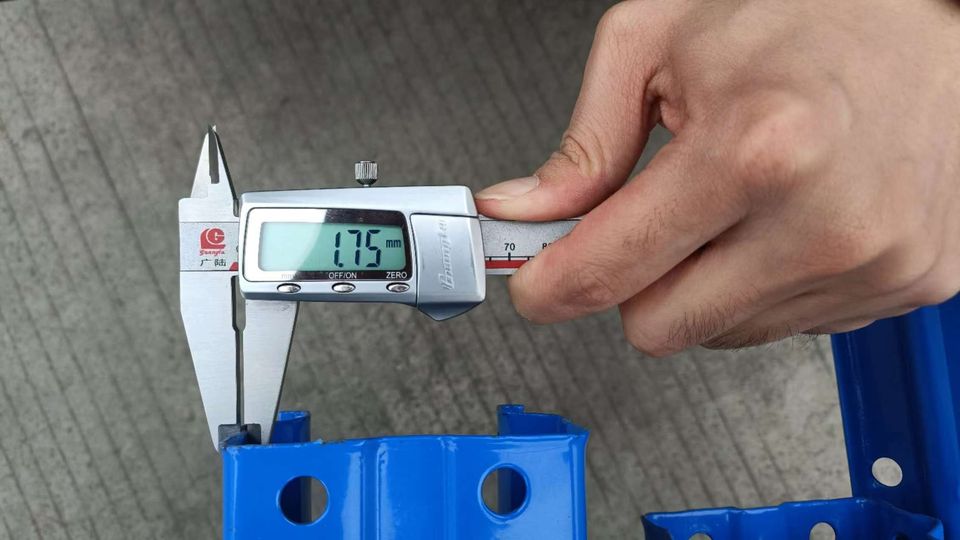
We confirm structural durability through Full-Cycle In-Line & Final Stress Load Inspection. Our quality management program employs Laser Coordinate Measuring & Coating Thickness Verification managed by a dedicated team of 62 QC staff members.
Using precision calipers and coating thickness testers, we measure critical tolerances:
Our R&D team focuses on High-Density Cantilever & Multi-Tier Mezzanine Engineering. We provide bespoke customization options to match your project needs:
The shift toward intelligent, sensor-equipped, and carbon-neutral warehouse infrastructure.
Future storage systems will integrate fiber-optic stress sensors and strain-gauges directly inside structural beams, allowing managers to monitor real-time load distribution and receive structural warnings via warehouse management software.
To support global carbon reduction targets, we are expanding our raw material procurement to include green-welded recycled steel profiles, minimizing embodied carbon footprints in large-scale logistics hub developments.
As autonomous vehicles replace manual forklifts, shelving bases will include QR-code track plates, reflective positioning indicators, and low-profile guide rails to support seamless robotic handling operations.
Expert answers to common engineering, procurement, and installation questions regarding heavy-duty industrial shelving.
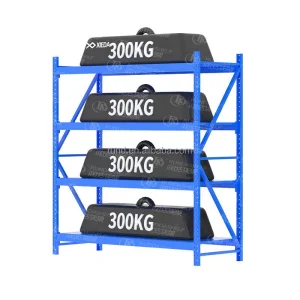
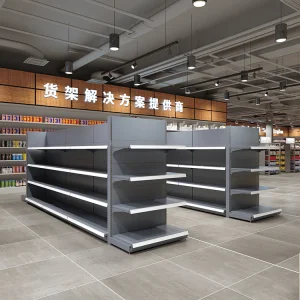
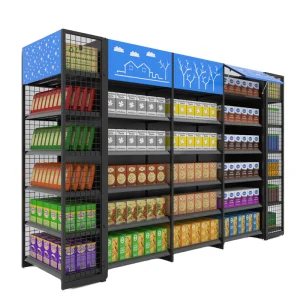
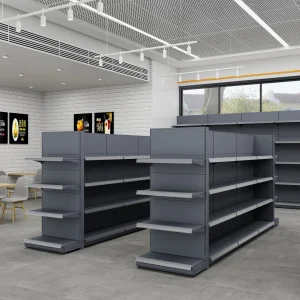
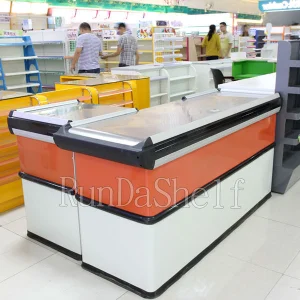
Discover our comprehensive collection of industrial shelving, heavy-duty racking systems, and store display equipment.
 CrownRacking