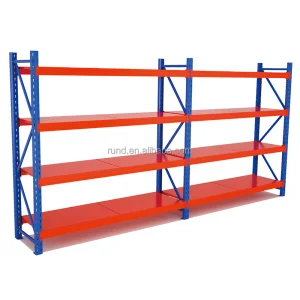
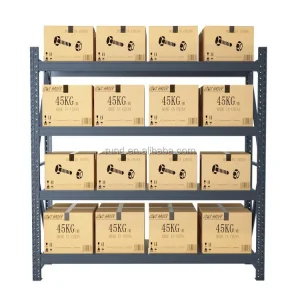
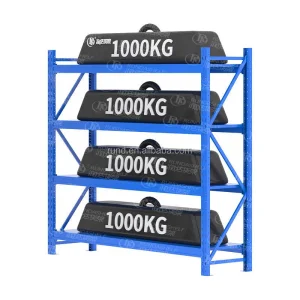
Engineered high-durability structures customizable to fluctuating warehouse capacities and dynamic merchandising cycles.
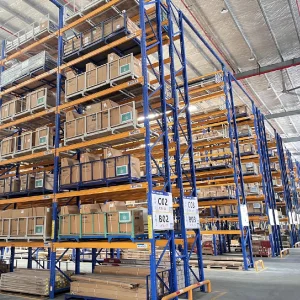
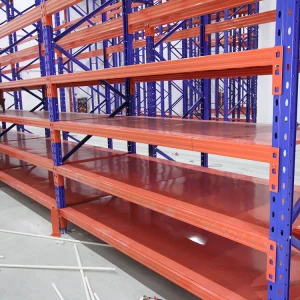
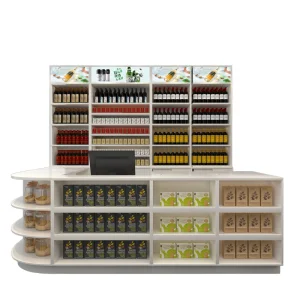
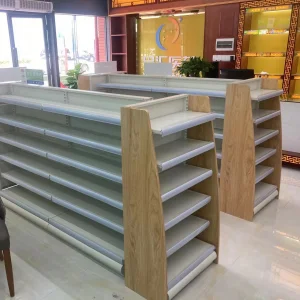
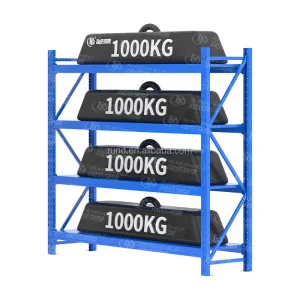
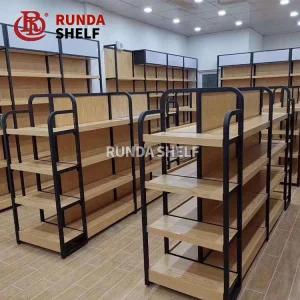
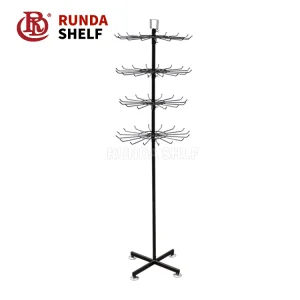
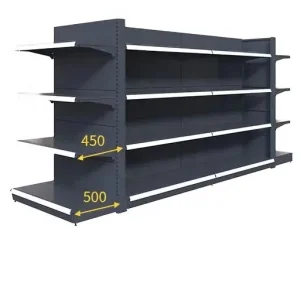
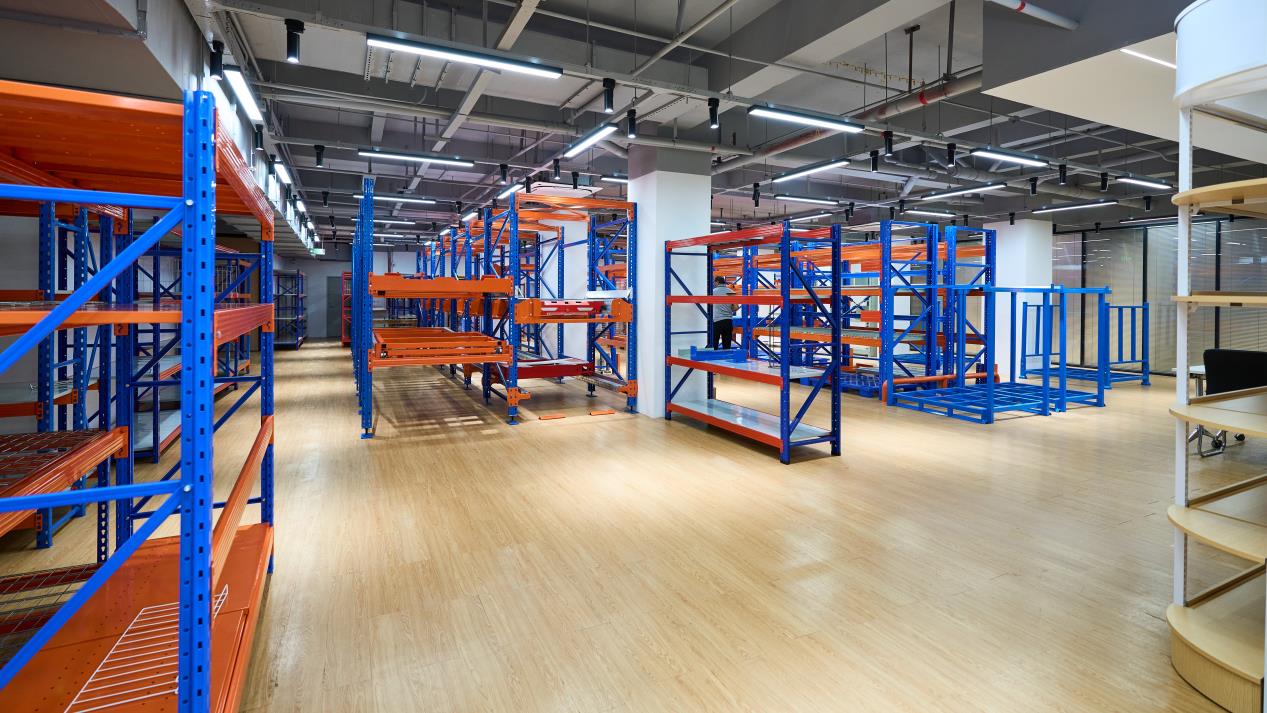
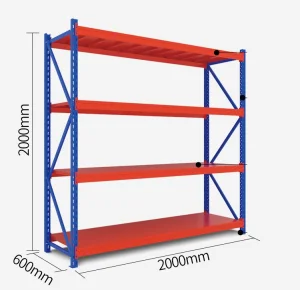
In modern industrial logistics, supply chain volatility is no longer a temporary anomaly; it is a permanent structural variable. Global enterprises operate in an environment characterized by seasonal compression. Major consumer electronics launches, peak retail quarters (Q4 holiday surges), agricultural harvests, and cyclical raw material runs place heavy pressure on warehousing footprints. To absorb these peaks without incurring excessive real estate expenditures, organizations require Custom OEM Seasonal Racks that can transform, expand, contract, and scale dynamically.
Static storage systems designed for fixed, year-round inventory limits represent a capital-inefficient approach to warehouse space. During off-peak months, space remains underutilized, driving up holding costs per square meter. Conversely, during peak operational cycles, standard shelves overflow, resulting in staging errors, inventory fragmentation, and unsafe working environments. An optimized, custom-engineered seasonal rack system acts as a buffer. By integrating adjustable modular designs, quick-change box beams, and high-density pallet pathways, companies achieve up to a 35% improvement in spatial utilization during high-load periods.
Furthermore, the physical stresses exerted on structural steel systems during rapid loading and unloading demand robust materials and precise engineering. Seasonal racks are constantly configuration-shifted, meaning connecting brackets, locking pins, and structural joints must resist mechanical wear. Specifying high-tensile structural steel (such as Q235B or Q355B profiles) and applying modern anti-corrosive powder coatings ensures these systems survive decades of configuration changes, forklift impacts, and varying atmospheric conditions.
Investigating the engineering specifications that ensure safety, regulatory compliance, and maximum throughput under extreme load stresses.
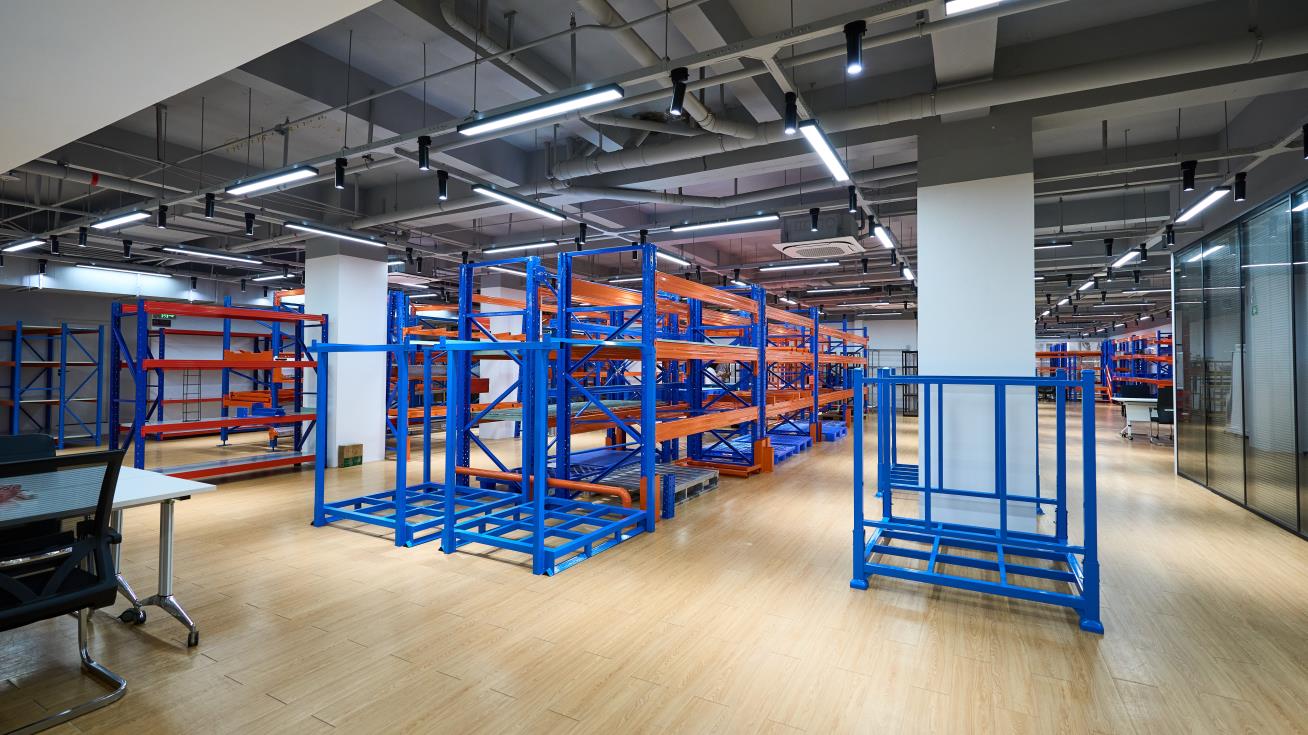
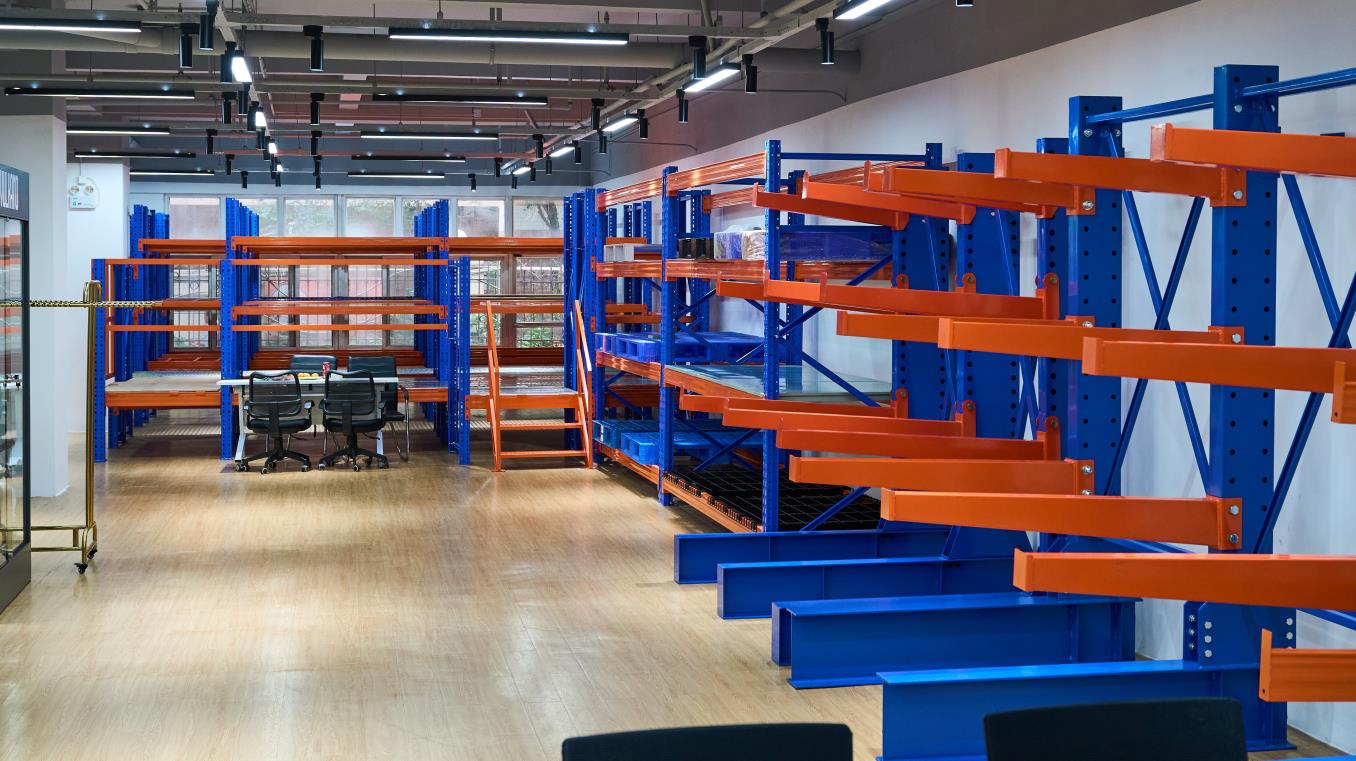
Our engineering expertise addresses complex structural challenges, including High-Density Cantilever & Multi-Tier Mezzanine Engineering. When dealing with seasonal inventories that contain oversized, long, or irregular structural profiles (like piping, timber, sheet metals, or packaged appliances), standard pallet racks fail. Cantilever rack architectures eliminate front columns, allowing continuous horizontal storage space. This speeds up forklift access during peak handling periods and minimizes the risk of structural collisions.
For operations aiming to utilize vertical headspace without acquiring new real estate, multi-tier mezzanine floor installations are critical. By converting overhead space into secondary and tertiary structural work platforms, these systems allow logistics managers to run light assembly, retail kitting, or high-density shelving systems above standard heavy-duty pallet racking bays. Our engineering office performs detailed structural calculations for each layout, ensuring compliance with local load limits (ranging from 300kg/m² to over 1500kg/m²).
Ningbo CrownRacking Intelligent Warehouse Tech Co., Ltd. incorporates custom seismic-bracing and structural analysis in accordance with local regulations, including Australian AS4084, European EN15512, and North American RMI standards, providing reliable structural performance in high-risk zones.
To resist physical impacts in high-traffic logistics environments, we build custom heavy-duty steel rack protectors and corner post guards. Combined with specialized RAL color-matching, these additions enhance safety visibility and match existing brand assets.
Verifiable data reflecting our manufacturing footprint, capital structure, quality control protocols, and global market reach.
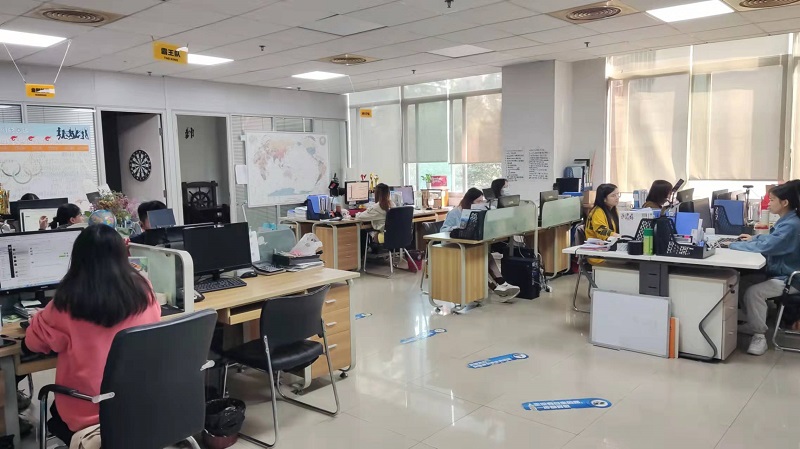
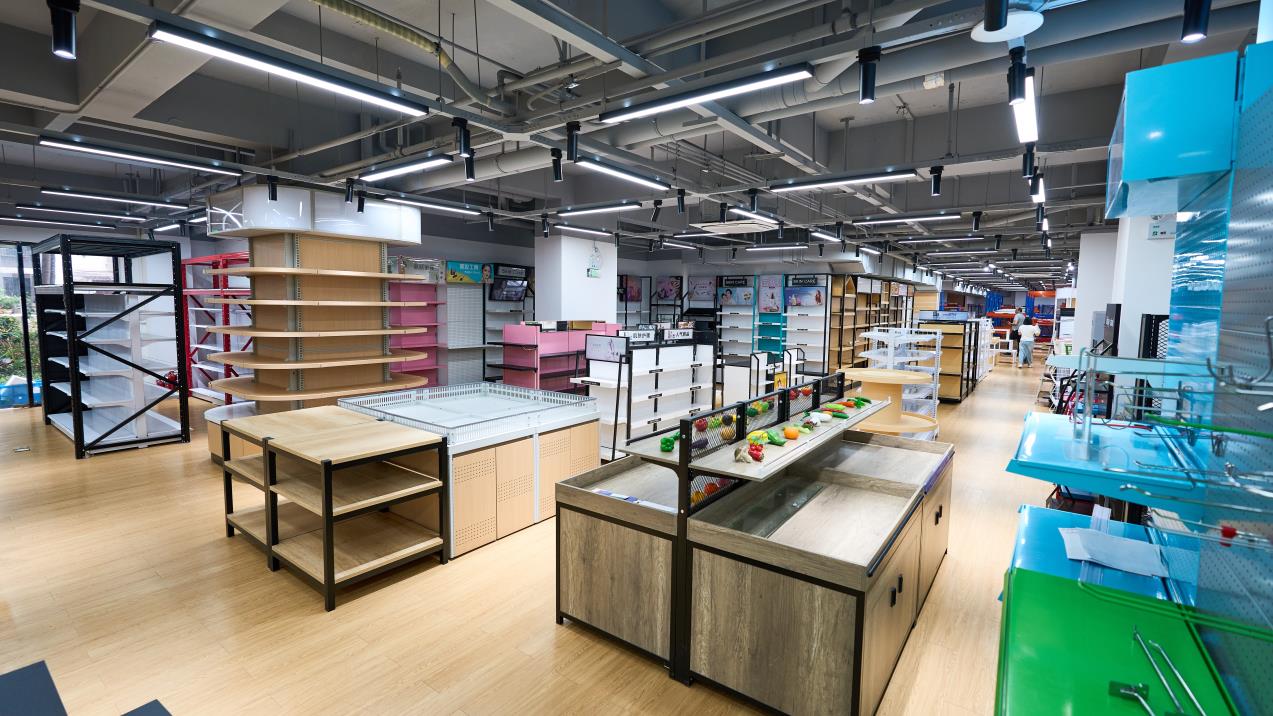
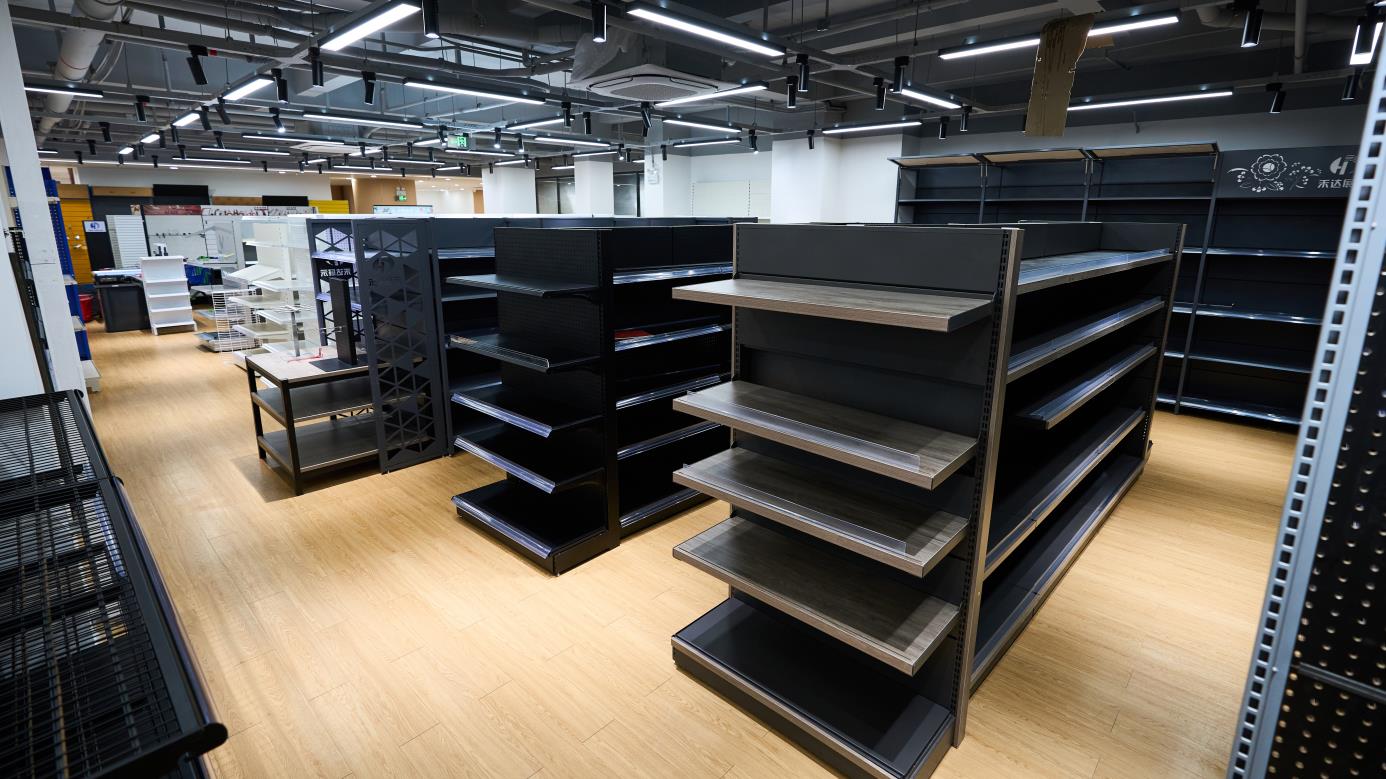
Pioneering modern industrial storage solutions since 2018, Ningbo CrownRacking Intelligent Warehouse Tech Co., Ltd. operates a modern manufacturing complex spanning over 46,500 m². With an export revenue of over $42,000,000 annually, our global trading capability is supported by 5 years of international trade operations and 8 years of industry-dedicated leadership. We have built a comprehensive network of 1,850 supply chain partners, enabling us to deliver turnkey structural projects to markets in Australia, Northern Europe, and North America.
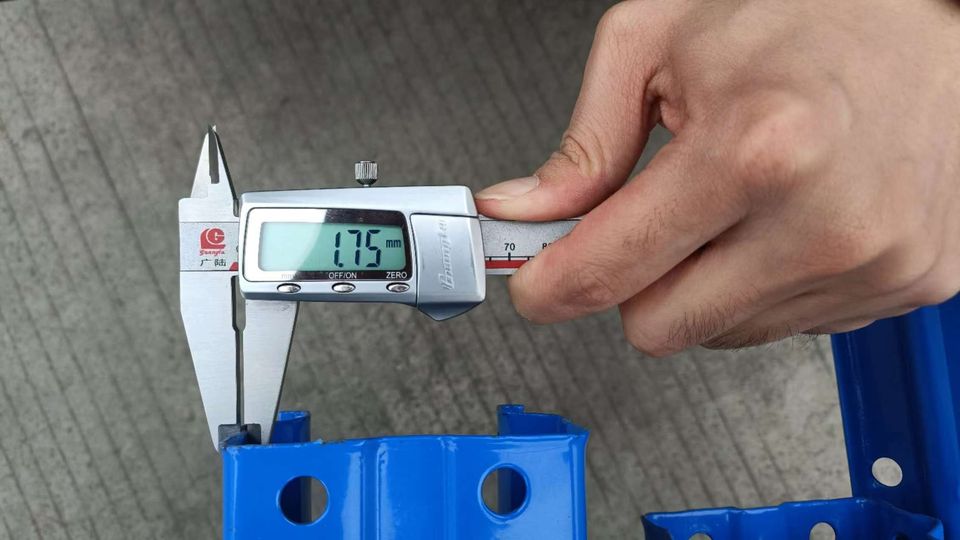
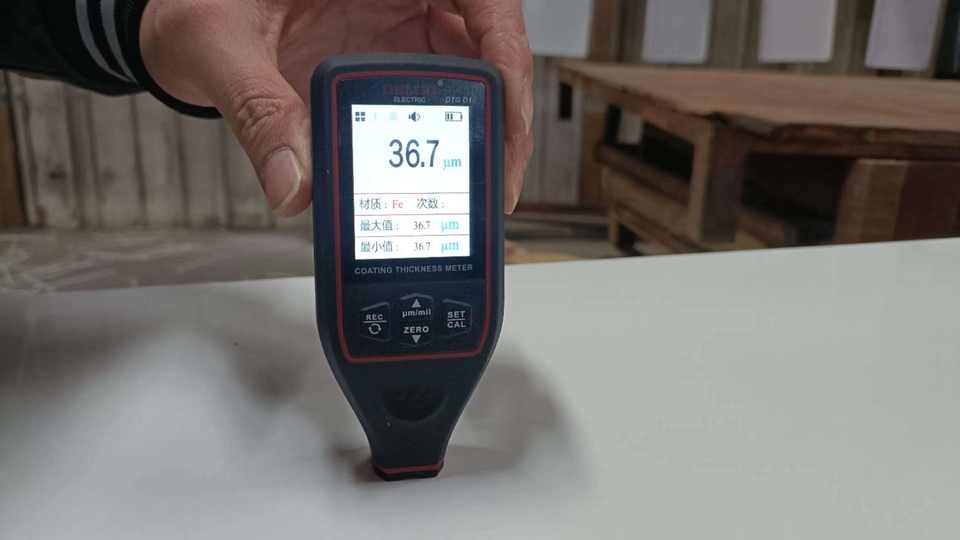
Our quality assurance protocol includes Full-Cycle In-Line & Final Stress Load Inspection. Every production run undergoes rigorous checking, utilizing Laser Coordinate Measuring & Coating Thickness Verification to confirm exact gauge and dimension tolerances. With 62 dedicated QC staff, our products meet or exceed the performance parameters required by major client types, including pharmaceutical distribution networks, retail logistics parks, and heavy machinery warehouses. Over the past year, our team developed and launched 85 new product designs, meeting the evolving needs of our international clients.
Customized configurations designed to address the specific performance, regulatory, and load challenges of key business sectors.
How current structural innovations prepare modern warehouses for next-generation automated picking and green building requirements.
The industrial warehouse racking industry is moving toward automated, data-integrated storage ecosystems. As companies deploy autonomous mobile robots (AMRs) and automated guided vehicles (AGVs), structural design parameters must adjust. Traditional human-centric tolerances of 5mm to 10mm are being replaced by millimeter-precise requirements. This level of precision is necessary for robotic vision guidance and grab arms to interface safely with racking systems. Our engineering department uses laser coordinate measuring tools during manufacturing to deliver the dimensional accuracy required for automated operations.
Sustainability is another major factor in modern procurement decisions. Major buyers in North America and Northern Europe require documentation for structural projects showing low carbon footprints. We are responding to this demand by optimizing our sourcing and fabrication processes: using scrap-recycled steel, improving energy efficiency in cold-rolling lines, and adopting low-VOC, lead-free powder coating technologies. These steps ensure our products meet environmental standards like LEED, BREEAM, and Green Star.
Finally, structural health monitoring is beginning to appear in heavy-duty setups. By embedding strain gauges and acceleration sensors directly into key structural columns and load beams, warehouse management systems can monitor real-time stress variations. This technology warns of load imbalances or structural fatigue from minor forklift impacts, helping prevent failures before they occur.
Answers to critical questions asked by procurement directors, warehouse managers, and structural engineers.
We calculate structural capacity using finite element analysis (FEA) software. Our R&D engineers model the physical design of the racking profiles under both static and dynamic forces. Our testing includes vertical load tests, horizontal shear tests, and joint stiffness analyses to ensure each configuration maintains a safety factor of 1.5 or greater. This ensures stable performance under full load capacities.
The main variables are load-bearing requirements and temperature conditions. Q235B steel is a reliable and cost-effective choice for standard light and medium-duty racks operating in ambient temperatures. For heavy-duty shelving, cold-chain environments, or seismic areas, we use Q355B steel. Its higher yield strength (355 MPa vs 235 MPa) and better low-temperature impact resistance allow us to design structural profiles that handle higher loads with less material weight.
We offer turnkey logistics services. We handle packing, export documentation, and customs clearance at Ningbo Port. We work with global freight forwarders to deliver products directly to client facilities. For installation, we provide detailed assembly drawings, 3D setup guides, and video tutorials. For large-scale projects, we can deploy installation supervisors to the site to assist local crews.
Our coating process begins with multi-stage chemical pretreatment, including degreasing and zinc phosphating. This creates a clean base for the electrostatically applied epoxy-polyester powder coating. We cure this at high temperatures to achieve a dry film thickness of 60 to 90 microns. This non-porous layer protects the underlying steel from moisture, chemical cleaning agents, and temperature fluctuations down to -30°C.
Engineered high-durability structures customizable to fluctuating warehouse capacities and dynamic merchandising cycles.
 CrownRacking
