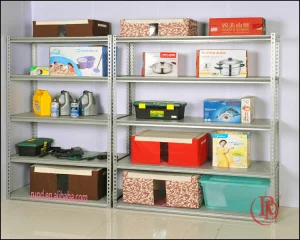
In the era of modern logistics, land pricing, and rapid fulfillment demands, horizontal warehousing expansion is no longer economically viable. Industrial operators are prioritizing vertical space optimization (VSO) to maximize capacity within existing structural footprints. OEM vertical storage units represent the structural response to this spatial crisis, transforming simple shelving networks into dynamic, load-tolerant distribution machinery.
Information Gain Metric: Transitioning from standard layout storage to precision vertical configuration increases volumetric utilization efficiency by up to 75%, effectively tripling the SKU density per square meter.
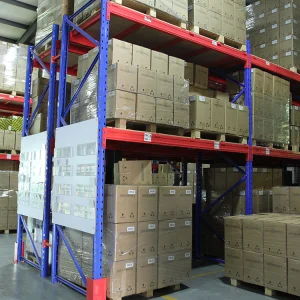
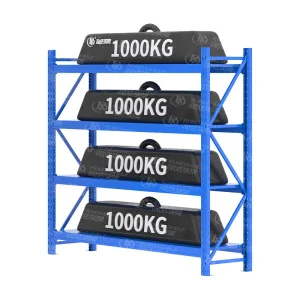
By utilizing advanced overhead space designs, including multi-tier structural mezzanines and heavy cantilever units, warehouses can reduce horizontal requirements while managing bulk capacity.
Modern vertical systems are highly engineered structurally. Seismic-bracing options prevent failure during shifting earth movements, satisfying local safety regulations such as AS4084-2012.
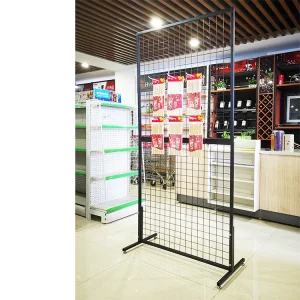
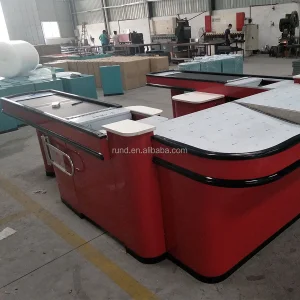
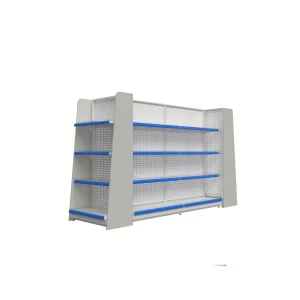
Industrial applications demand dynamic scaling. OEM modular designs allow units to be retrofitted with automatic cash checkout corners, double-sided displays, and custom protective guards.
Procurement directors and supply chain engineers evaluating vertical storage factories look far beyond surface dimensions. Enterprise procurement requires strict compliance with raw material metallurgy, deflection calculations, and surface finishing protocols. For custom-designed vertical racks, the margin of safety determines operational reliability under intensive round-the-clock cycling.
Under ANSI/RMI specifications, rack deflection must be monitored at a ratio of L/240 or better under maximum design load. Heavy-duty vertical configurations utilize carbon steel profiles (such as Q235B or Q355B structural grades) that withstand cyclic strain. By enforcing Full-Cycle In-Line & Final Stress Load Inspections, engineering parameters are proven before installation begins.
For marine shipping logistics, chemical containment facilities, and cold storage settings, humidity and salinity accelerate structural degradation. OEM systems demand automated pretreatment (typically involving alkaline cleaning, pickling, and iron-phosphate activation) followed by electrostatic powder deposition (60–100 μm thickness) or hot-dip galvanizing for premium corrosion resistance.
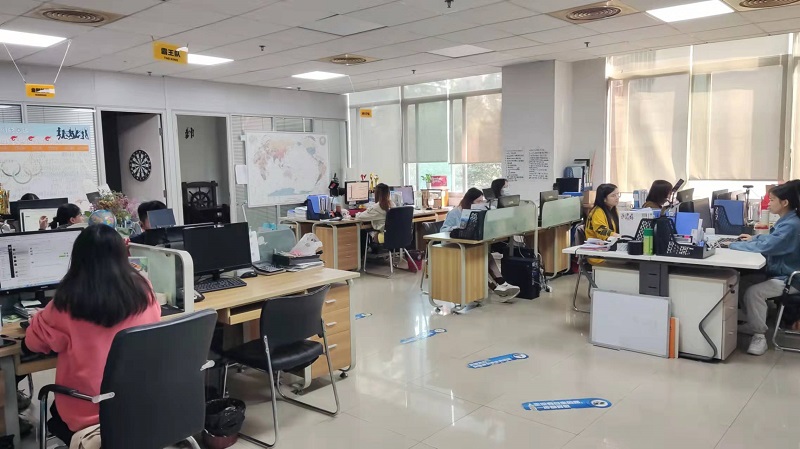
Established in 2018, Ningbo CrownRacking Intelligent Warehouse Tech Co., Ltd. has established an industry-leading manufacturing operation focused on vertical storage units and customized logistics racking systems. Operating from a modern 46,500 m² production facility, our enterprise generated $42,000,000 in annual export revenue, representing substantial scale and market trust.
Durability is guaranteed through rigorous quality management, overseen by a dedicated team of 62 QC professionals. The production cycle integrates Laser Coordinate Measuring and Coating Thickness Verification. Every system undergoes extensive stress testing to confirm that the real-world load limit exceeds structural specifications by a designated safety margin.
Our R&D team, composed of 54 senior engineers, drove 85 new product launches over the past year. Custom configurations span RAL color matchmaking, specialized seismic bracing, and integrated guard rail systems designed to resist warehouse vehicle impacts.
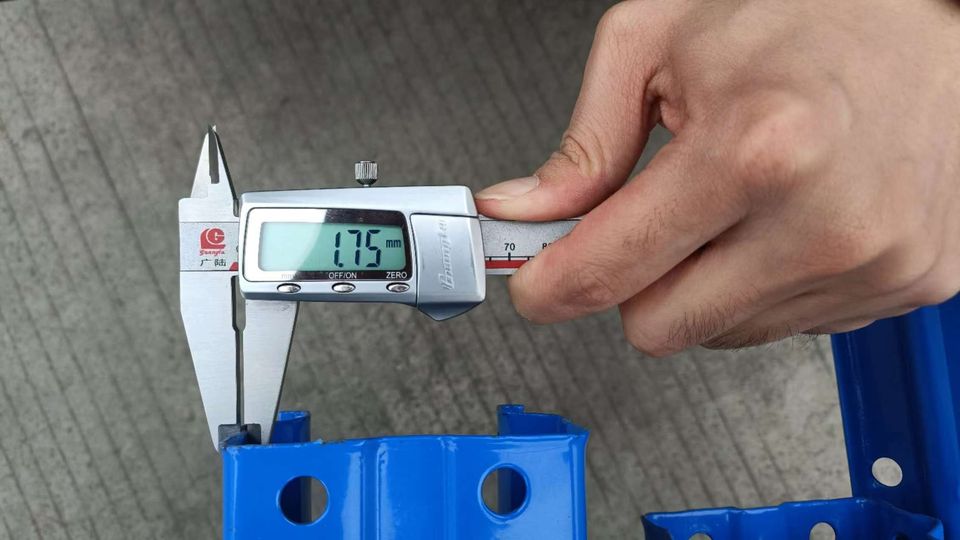
Laser-Calibrated Digital Caliper
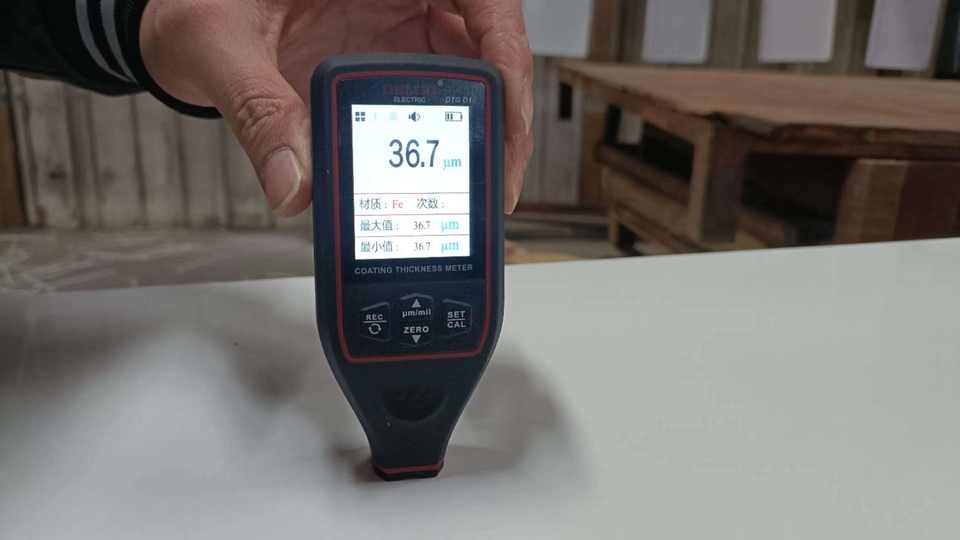
Coating Thickness Gauge
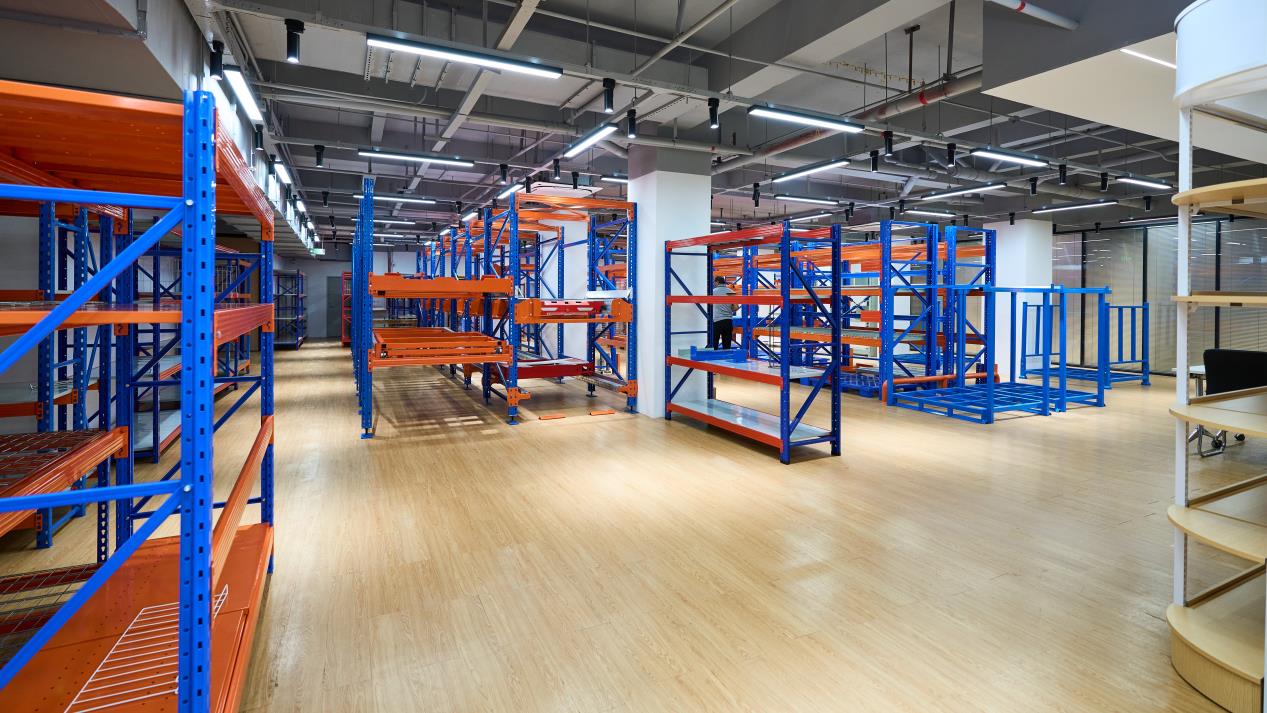
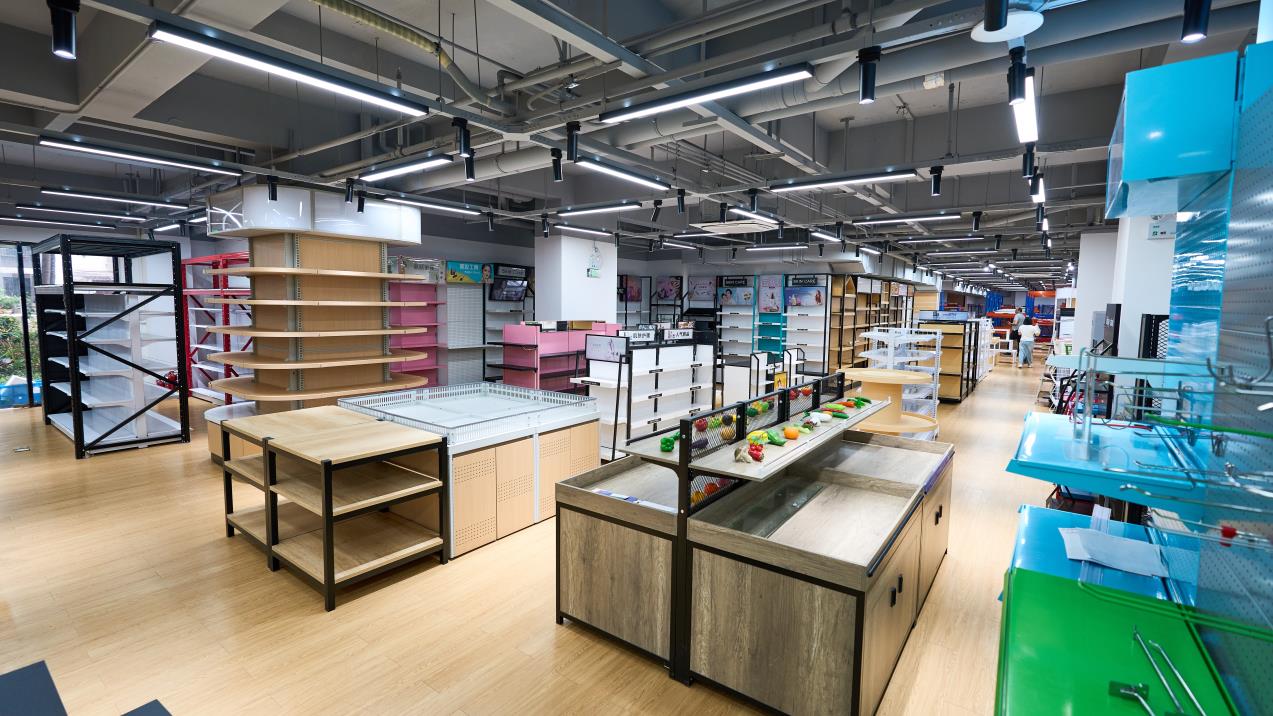
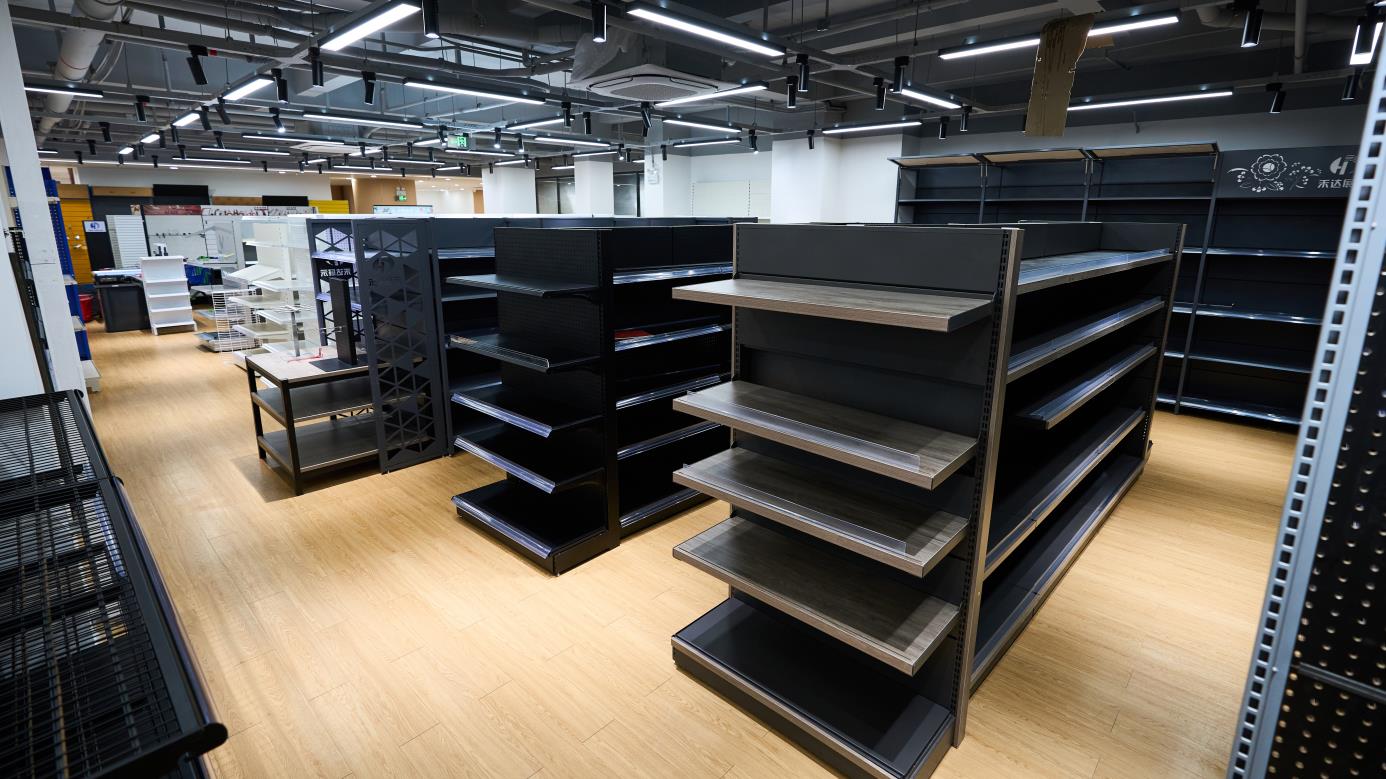
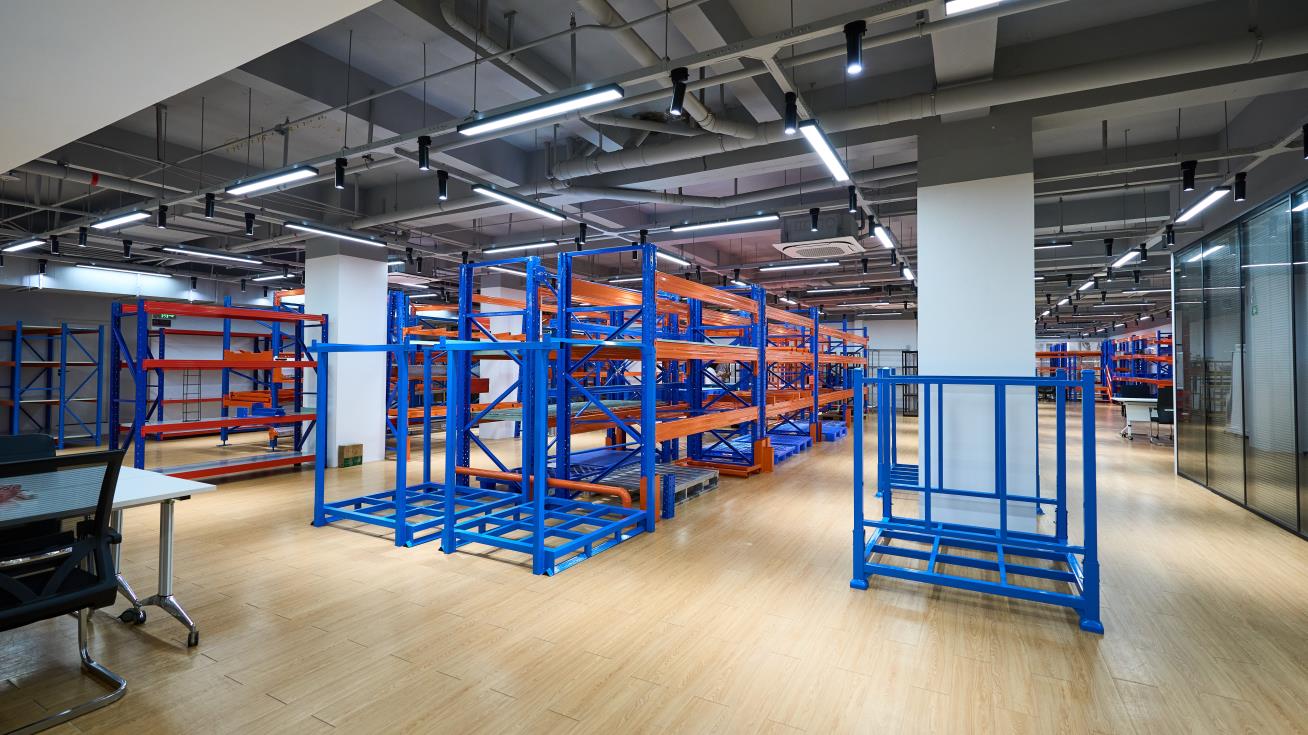
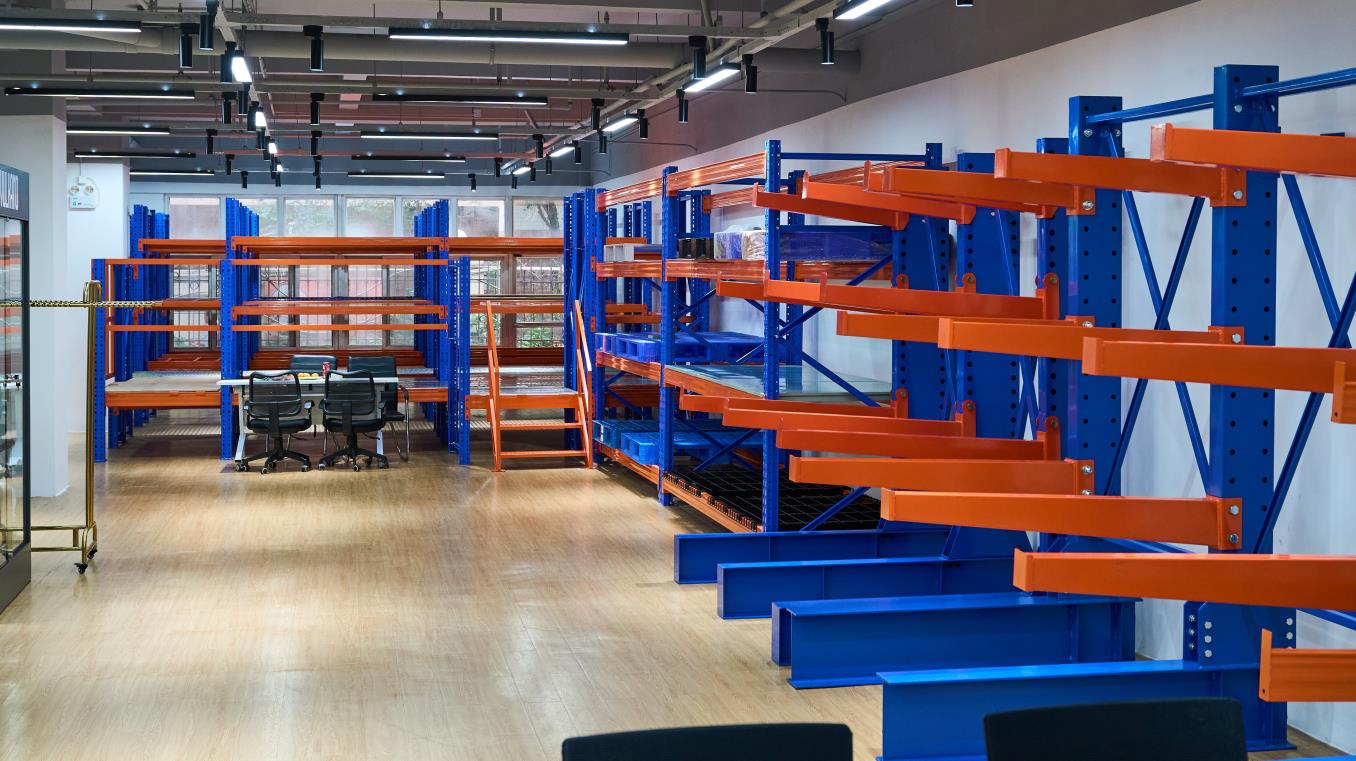
Different vertical sectors require unique structural solutions. Operating as a global turnkey partner, we supply optimized equipment designs tailored to the specific needs of various industries.
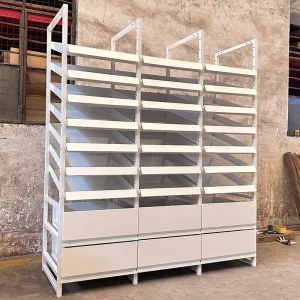
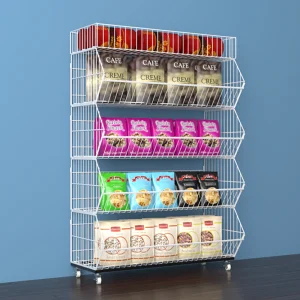
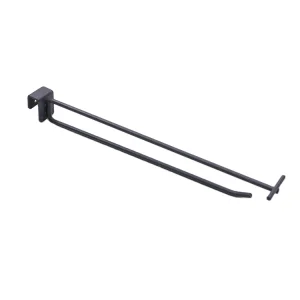
Strict sanitization protocols dictate cleanroom-compatible metal shelving. Our medical-grade systems feature highly adjustable divider panels, wire-basket stands, and hanging-arm structures for efficient, contamination-free storage.
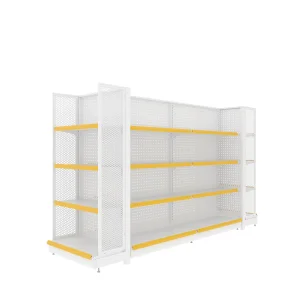
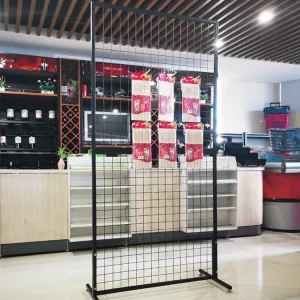
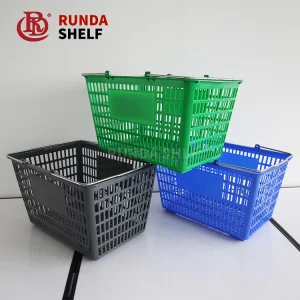
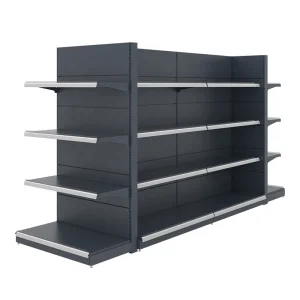
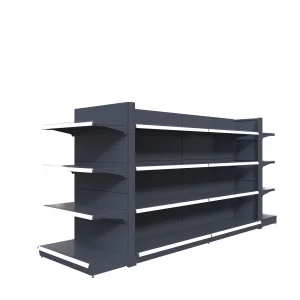
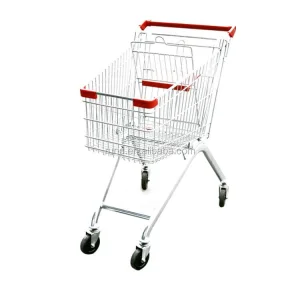
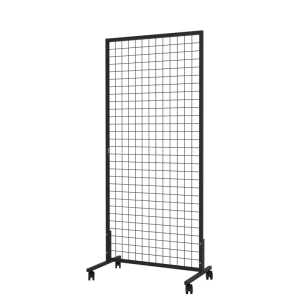
High throughput rates demand heavy-duty, double-sided metal gondolas and Nakajima displays. We integrate cash register corner bays, modular display grids, and safety cart systems to streamline front-of-house and back-of-house operations.
Industrial materials like rebar, piping, and timber require specialized support. Our powder-coated cantilever rack systems are engineered with high structural load limits to ensure safe, accessible storage for heavy inventory.
Importing structural steel racking demands adherence to localized manufacturing and safety codes. We design and fabricate custom OEM vertical storage systems to comply with leading international standards, ensuring seamless integration and structural certification in major markets.
Design criteria, deflection limits, and safety factor calculations comply with Australian standards for steel storage racking, passing strict onsite municipal audits.
Fabricated to meet the Rack Manufacturers Institute specifications, ensuring design safety, impact resistance, and dynamic load tolerances for heavy industrial setups.
Engineered in compliance with the FEM guidelines for structural design calculations, seismic risk analysis, and raw material certification for European operations.
The future of vertical storage units is centered on digital integration. As automated warehouse solutions evolve, structural storage systems must adapt to work seamlessly with intelligent robotics. Our R&D roadmap prioritizes the development of smart racking structures that enhance efficiency and safety in next-generation facilities.
Our future products are being engineered for integration with Autonomous Mobile Robots (AMRs) and Automated Storage/Retrieval Systems (AS/RS). This includes tighter manufacturing tolerances for shelf levels and precise placement of reflective sensors to enable reliable, automated pick-and-place operations.
In line with global environmental initiatives, we are expanding our use of eco-friendly processes. This includes adopting low-emission steel production methods, volatile organic compound (VOC)-free powder coatings, and recyclable materials to help operators meet their corporate sustainability targets.
Answers to technical and operational questions frequently asked by logistics engineers and enterprise procurement managers.
 CrownRacking