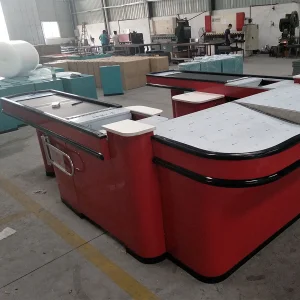
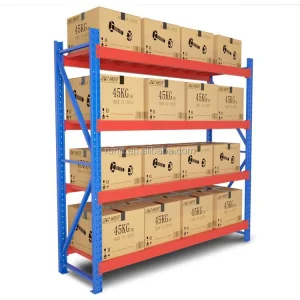
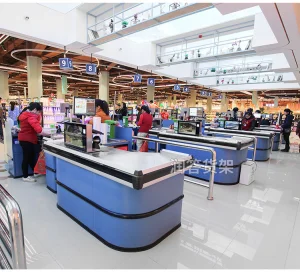
Explore our premium grade store fixtures, display systems, and light-to-heavy duty retail shelving units manufactured for global distribution.
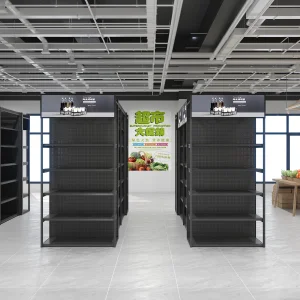
In an era defined by rapid SKU multiplication, omnichannel retail deployment, and volatile global logistics, the warehouse storage system has transitioned from a passive infrastructure commodity to an active driver of operational throughput. Modern warehousing demands highly engineered, custom OEM storage structures capable of maximizing vertical volumetric density, guaranteeing safe static and dynamic load distributions, and integrating seamlessly with manual, semi-automated, and fully automated material handling systems.
"True logistics resilience lies in the convergence of structural stability and physical flexibility. Our design framework focuses on transforming static square footage into responsive, multi-dimensional volumetric space."
As we project warehouse infrastructure requirements from 2025 to 2030, several primary engineering trends emerge in high-density storage:
Different industries present entirely distinct engineering parameters. A standard static rack design cannot meet the safety, environmental, and throughput demands of specialized verticals:
Racking structural failure can lead to catastrophic inventory loss and human harm. Consequently, structural engineering must comply with strict localized regional standards:
Global procurement managers prioritize end-to-end reliability. A reliable manufacturer must do more than deliver raw steel; they must offer a turnkey service package. This includes initial CAD/BIM space optimization layout modeling, factory direct export documentation, sea-freight routing optimizations, and local on-site installation supervision and structural sign-off.
Inside Ningbo CrownRacking’s advanced fabrication facility, blending automated processes with meticulous QA verification protocols.
Our manufacturing facilities are built on smart automation. We utilize automated roll-forming lines integrated with real-time laser alignment systems. As raw steel coils (typically Q235B or Q345B grade structural steel) feed into our lines, automated punches apply the connector patterns before the steel profiles are cold-formed into custom profiles. Computerized high-frequency welding ensures maximum seam strength on step beams and boxed beams, and our automated electrostatic powder-coating lines apply a corrosion-resistant protective coating to exact specifications.
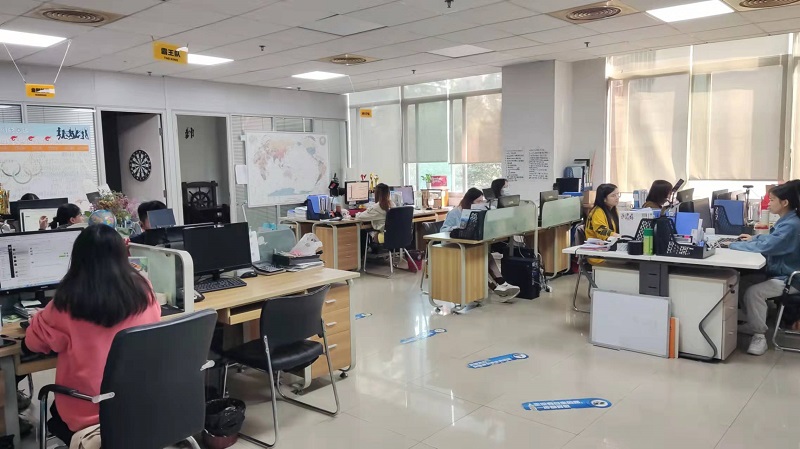
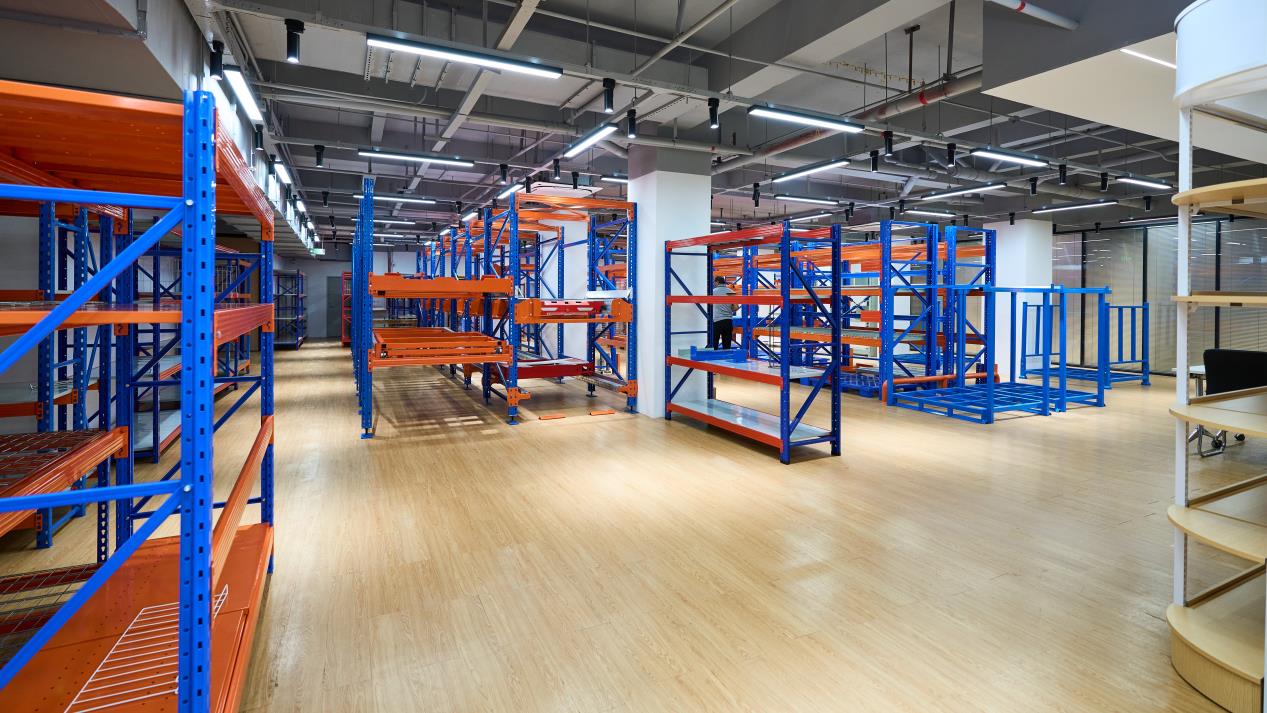
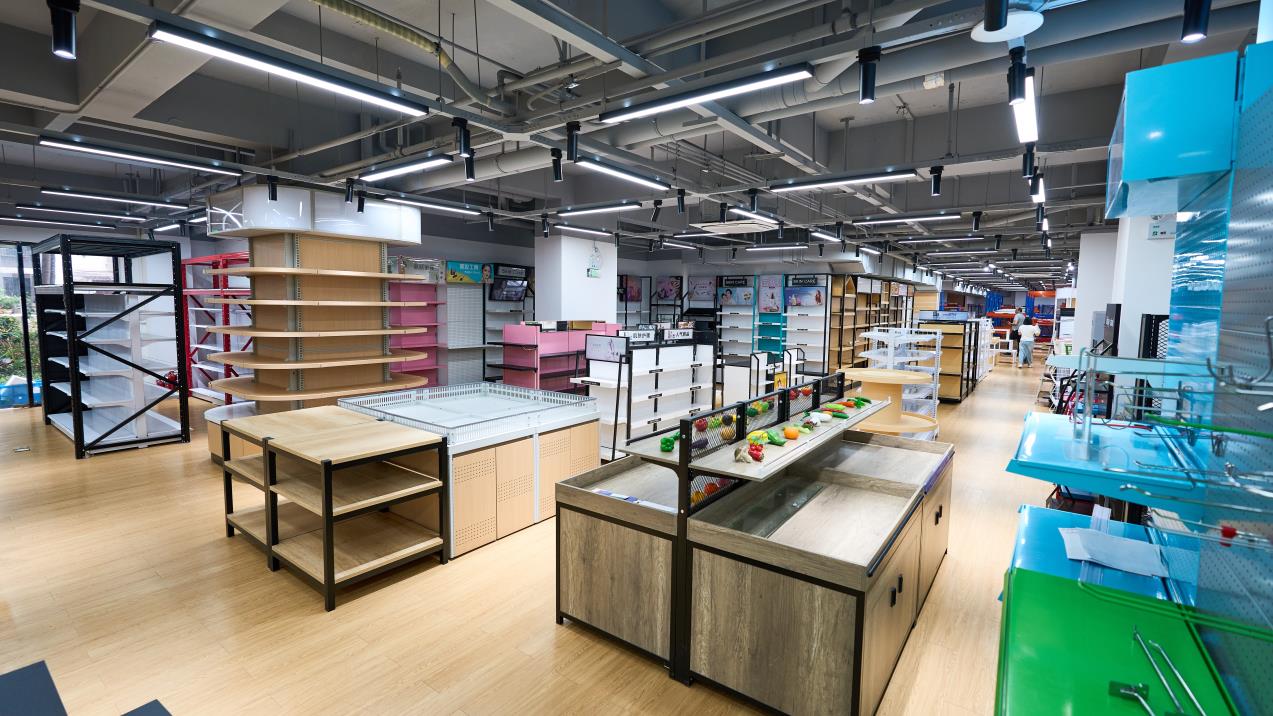
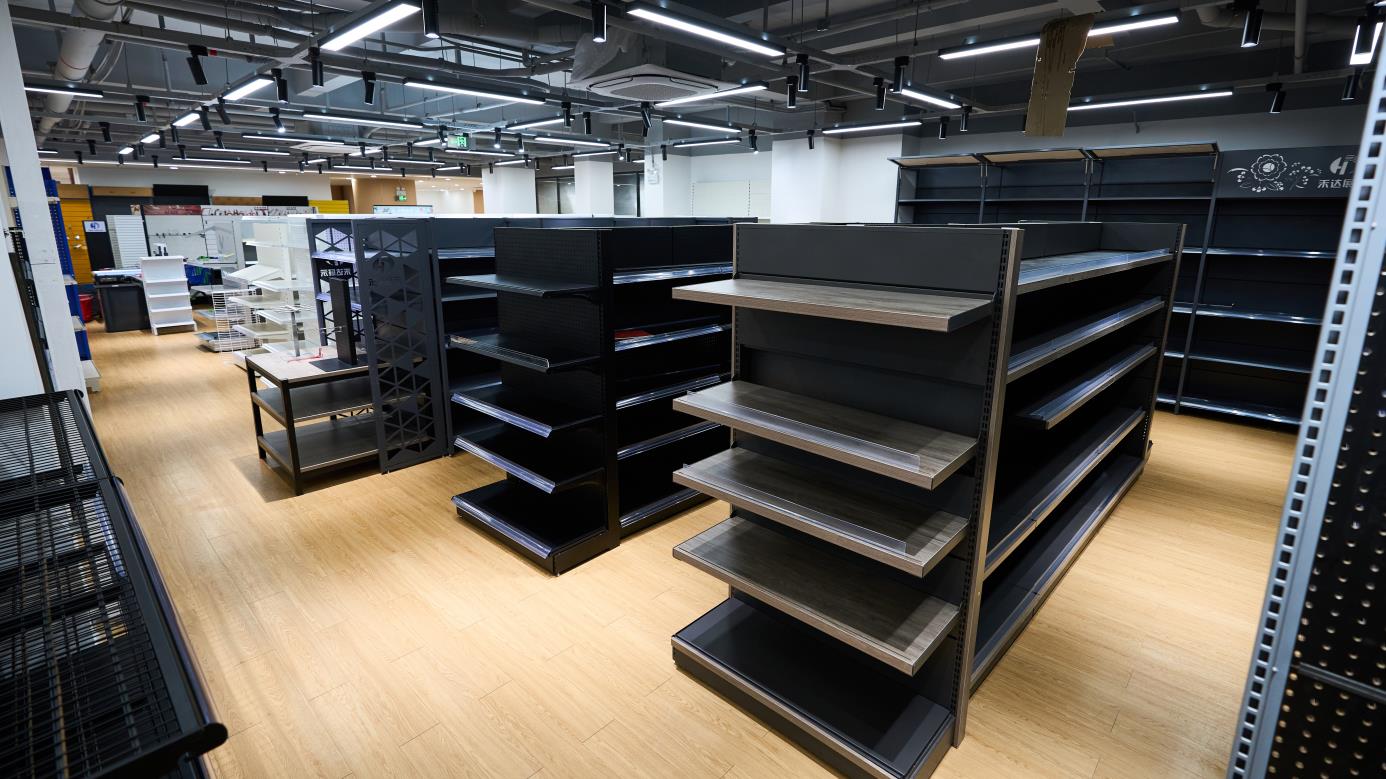
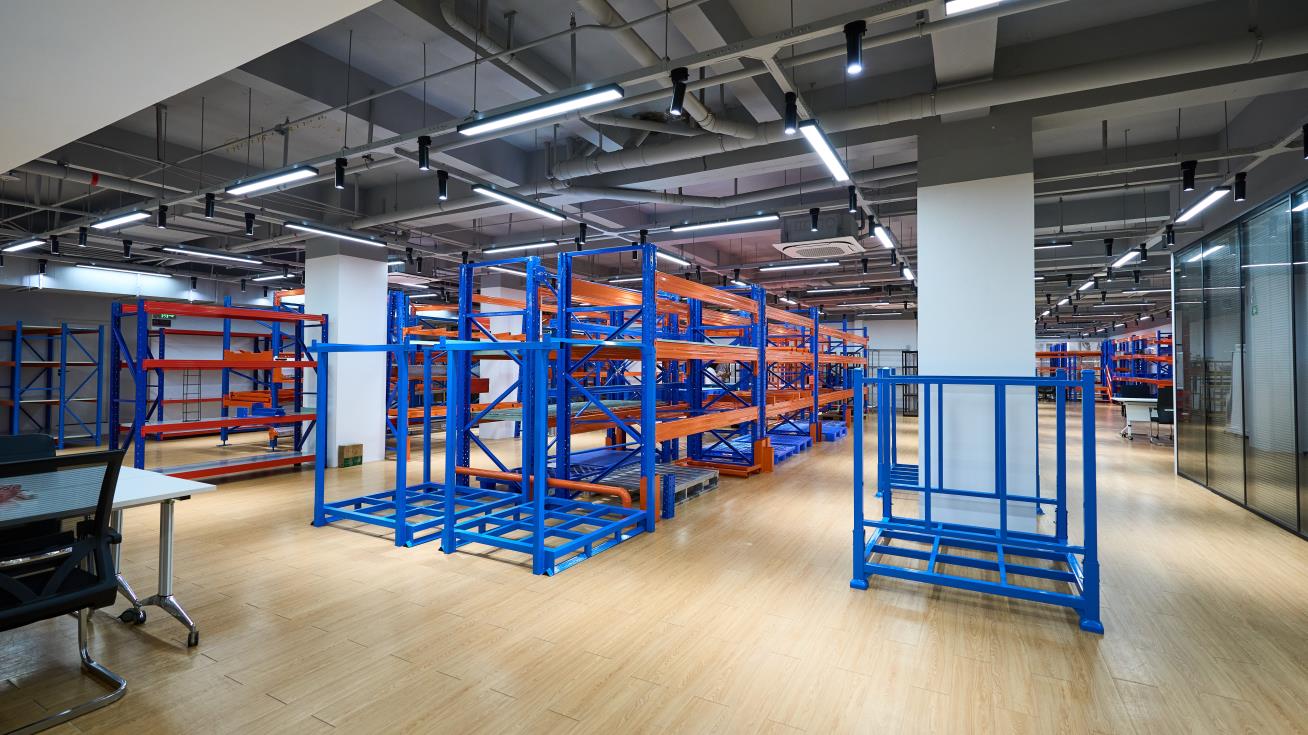
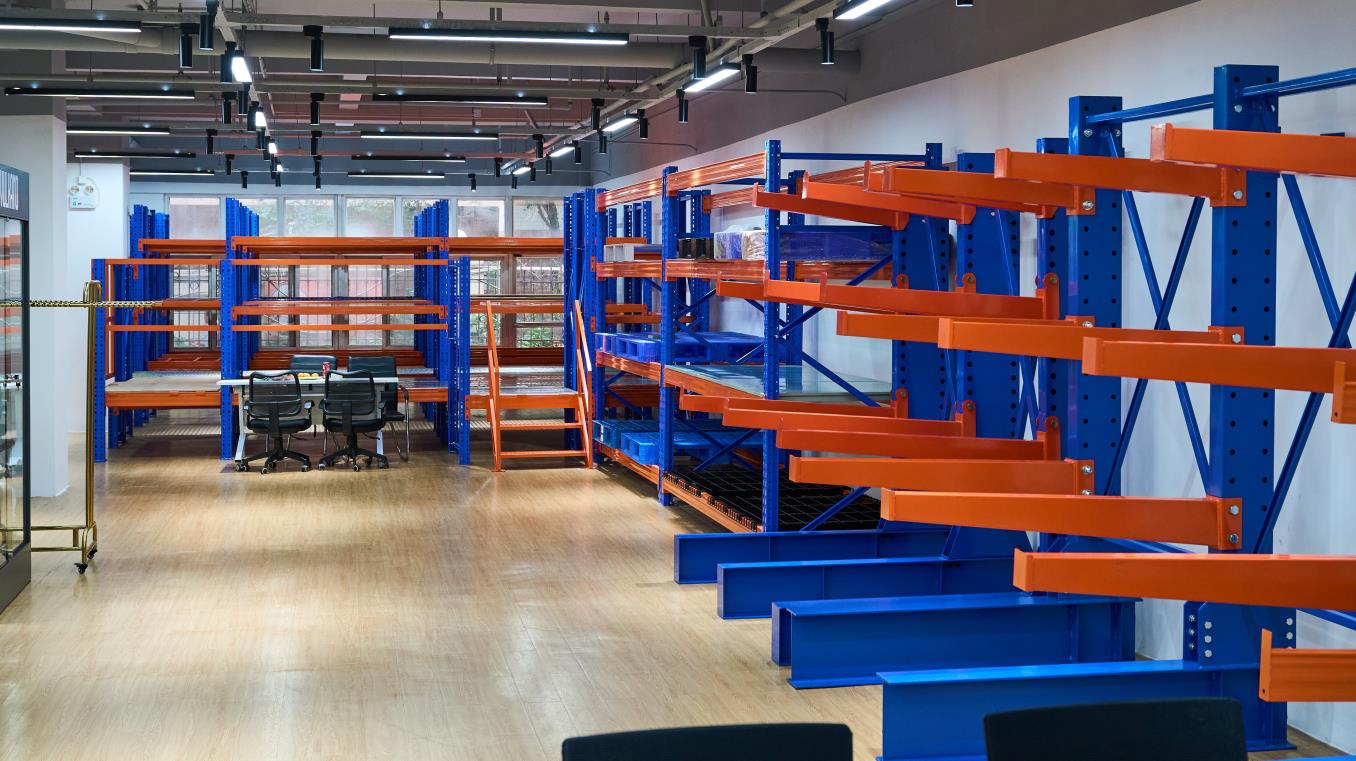
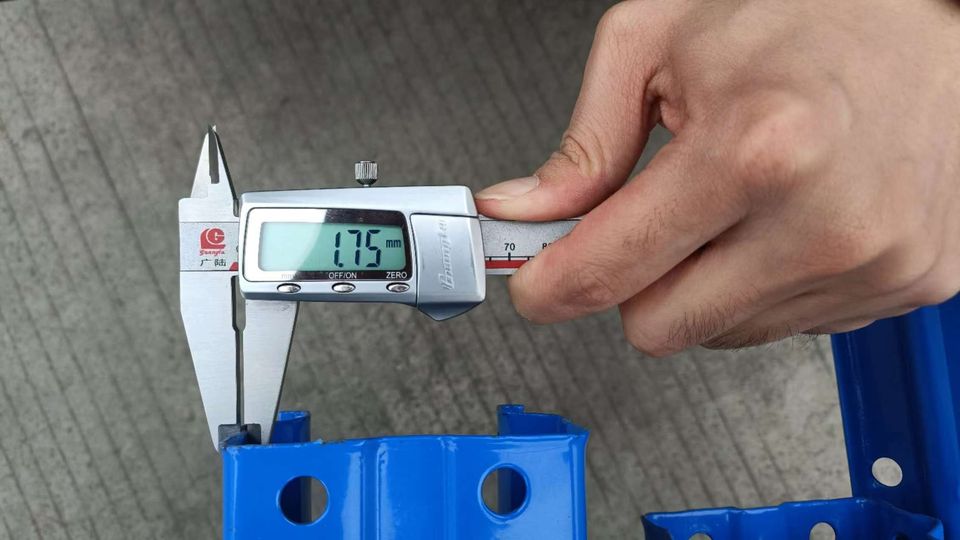
Our 62-person quality control department performs physical testing on every production batch to verify performance:
Our in-house design capabilities cover custom developments, dynamic simulations, and application support.
Designed for long, bulky materials (lumber, steel tubes, sheets). Custom column punching pitches allow simple adjustability under load.
Integrates structural catwalks, heavy-duty floor decking, and robust handrails to expand warehouse workspace vertically.
High-grade corporate identity match and zone safety painting using dynamic powder coating options.
Detailed explanations regarding structural designs, safety factors, and manufacturing standards.
Roll-formed racking uses coiled sheet metal formed through automated roller mills at room temperature. This is highly efficient and offers an adjustable weight-to-performance ratio for general palletized goods (ranging from 1,000kg to 3,000kg per level). Structural steel racking is hot-rolled from heavy-channel steel sections. It provides higher impact resistance and much higher static load limits, making it suitable for heavy-duty industrial warehouses, manufacturing environments, and forklift-dense operations.
We use finite element analysis (FEA) to simulate localized ground movement accelerations based on historical seismic zone data (e.g., IBC or AS4084 guidelines). Adjustments are made by increasing the cross-sectional gauge of uprights, widening base plates, upgrading anchor bolt grades (e.g., using chemical anchors), and integrating extra cross-bracing channels along both the transverse and longitudinal orientations of the rack arrays.
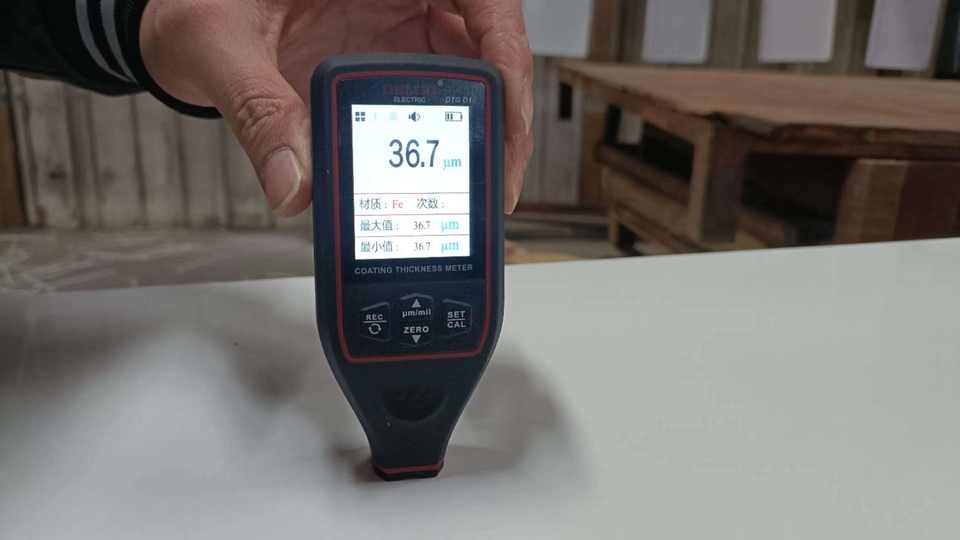
Powder coating acts as the barrier protecting the raw carbon steel substrate from moisture and oxidation. In cold storage or high-humidity facilities, thin spots can lead to rust. We use automated dry-film thickness gauges to confirm a paint thickness profile of 60 to 80 micrometers, which provides solid protection under standard operations.
According to standard RMI and EN regulations, the deflection limit is typically calculated as L/180 or L/240, where L is the clear span of the horizontal beam. For a typical 2700mm beam, a L/180 limit allows a maximum deflection of 15mm under full static load conditions. Automated shuttle systems (ASRS) require much stiffer profiles, often targeting a maximum deflection of L/300 or L/400.
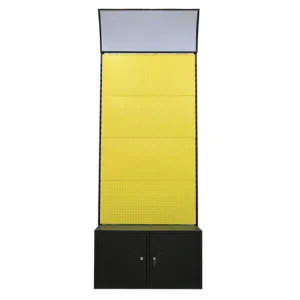
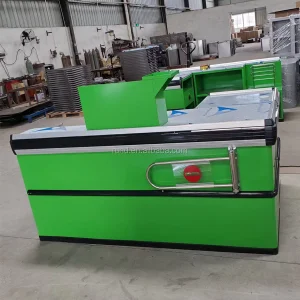
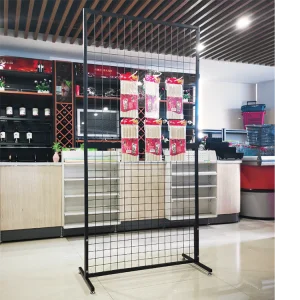
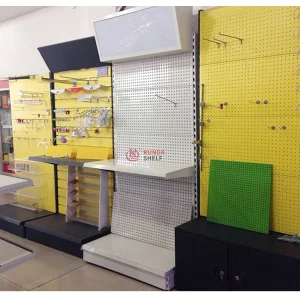
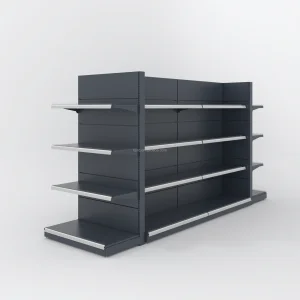
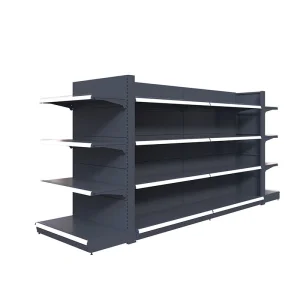
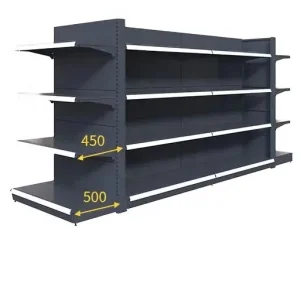
Premium hardware options, display panels, structural steel gondolas, and heavy-duty storage configurations.
 CrownRacking