Modern temperature-controlled logistics networks operate under severe spatial and thermal stress. The industrial global demand for Freezer Racks is driven by massive expansions in biological storage, pharmaceutical logistics, and frozen food supply chains. Cold storage space incurs operational expenses up to three times higher than ambient warehousing. Maximizing volumetric storage capacity through intelligent structural layouts is a critical survival metric for logistics operators.
In regions such as North America, Northern Europe, and Australia, strict compliance frameworks govern the design and installation of storage infrastructure. Racks positioned within sub-zero facilities (ranging down to -40°C) face physical challenges including low-temperature embrittlement, moisture condensation cycles, and seismic risks. Standard mild steel rack systems fail rapidly under these conditions. Consequently, high-performance low-alloy (HSLA) steels combined with specialized anticorrosion coatings are mandatory to maintain long-term structural safety and compliance.
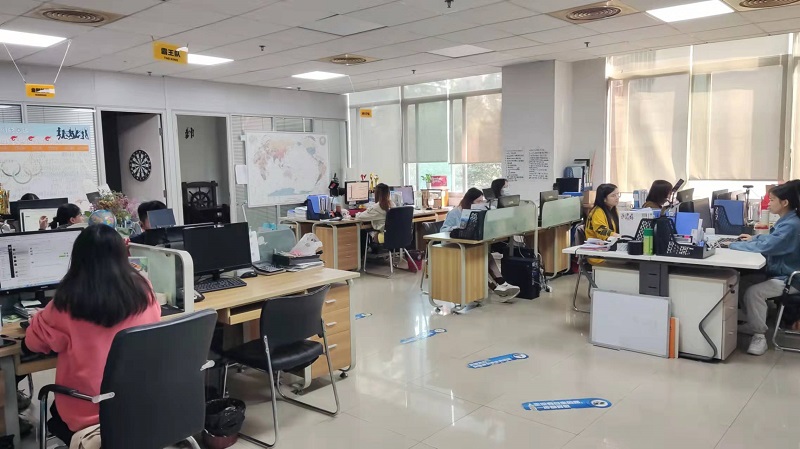
Established in 2018, Ningbo CrownRacking Intelligent Warehouse Tech Co., Ltd. has established itself as an innovative force in high-density warehouse solutions. Operating out of a 46,500 m² modern production complex, the company generates an annual export revenue of $42,000,000. With 5 years of international trade experience and 8 years of dedicated industry leadership, we supply robust steel structures to demanding global markets.
Our primary distribution channels cover Australia, Northern Europe, and North America. CrownRacking relies on over 1,850 supply chain partners, delivering solutions for pharmaceutical distribution networks, retail logistics parks, and heavy machinery warehousing.
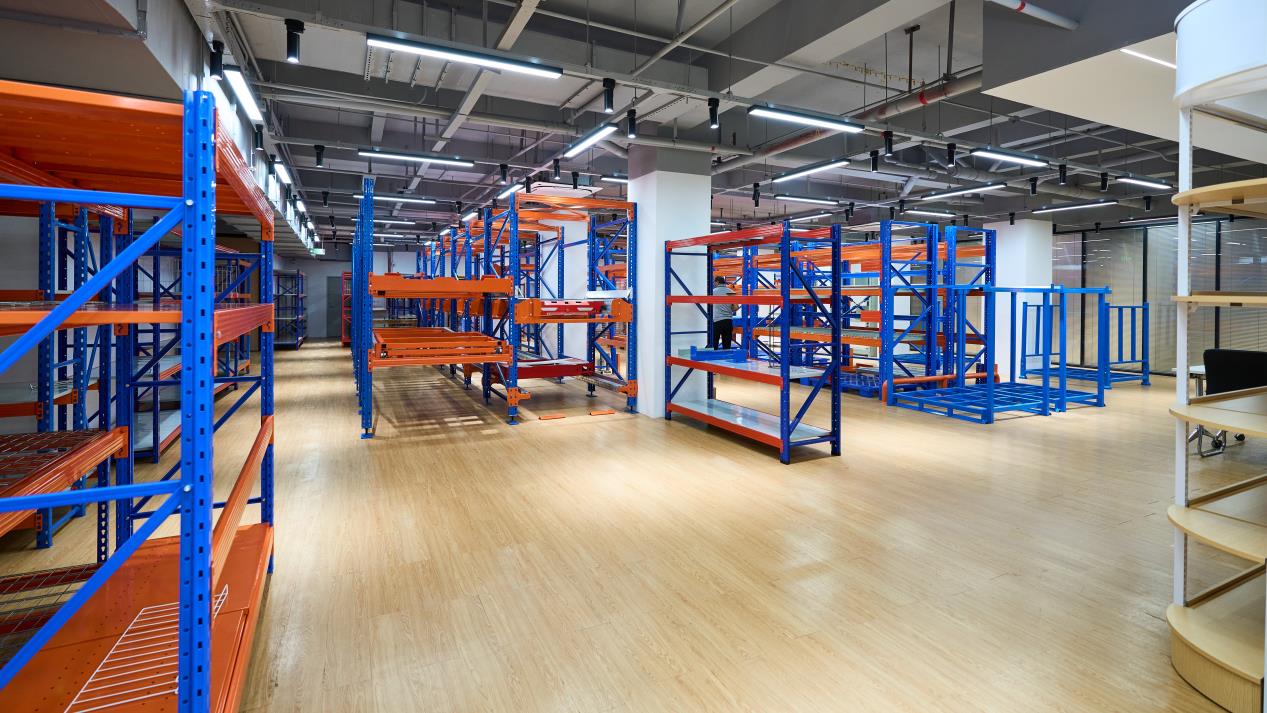
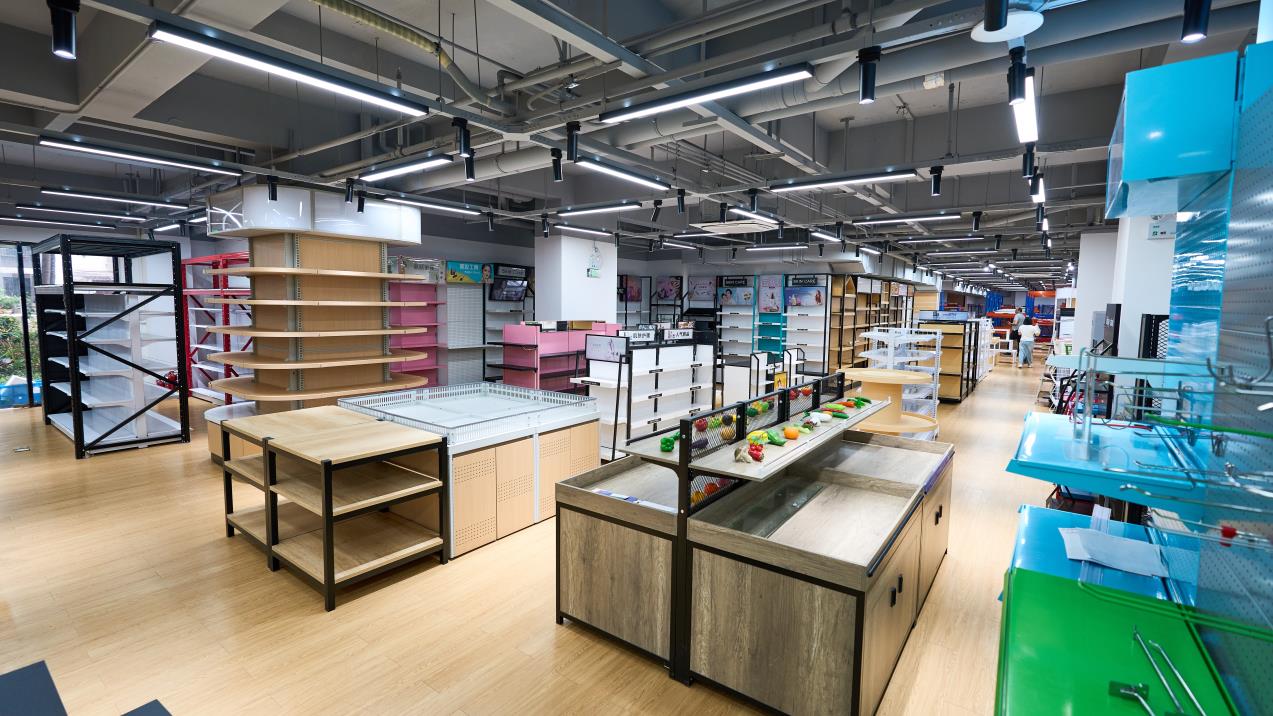
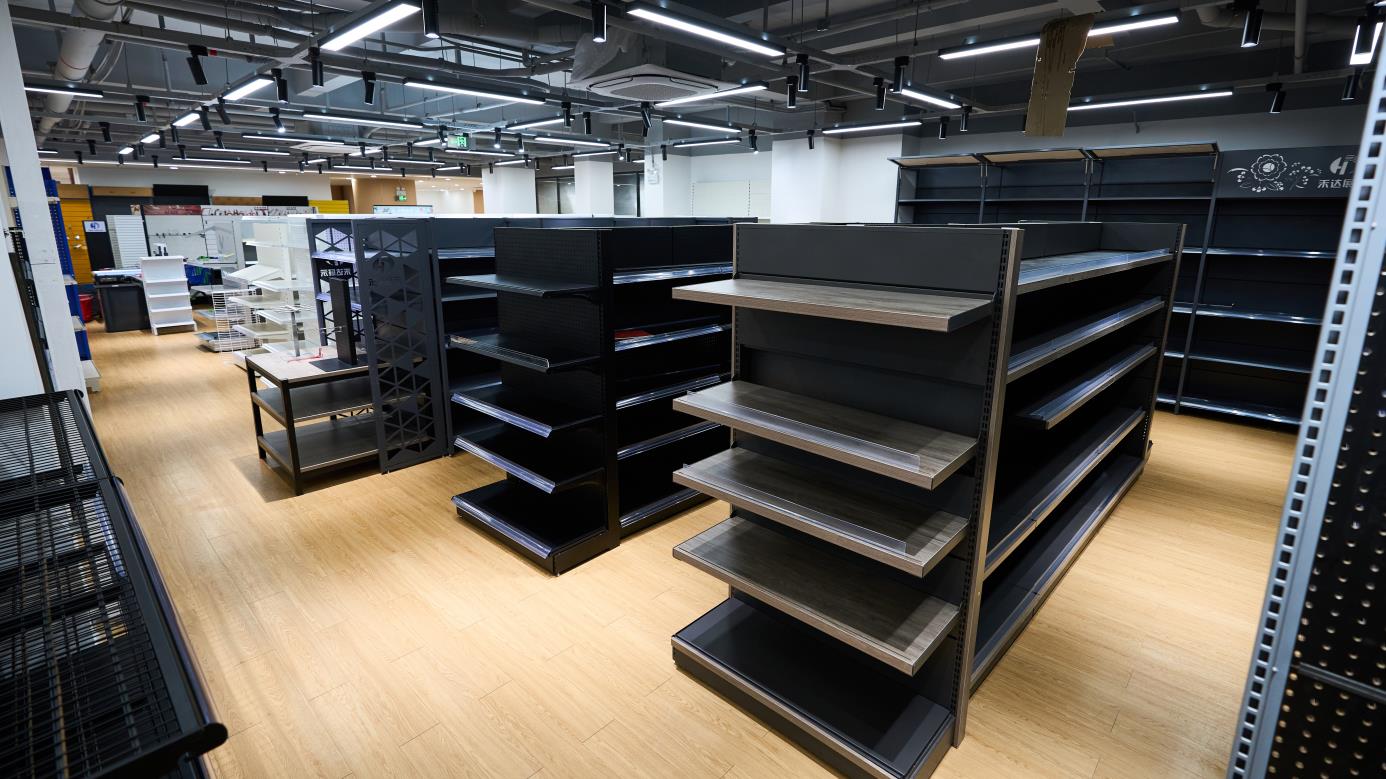
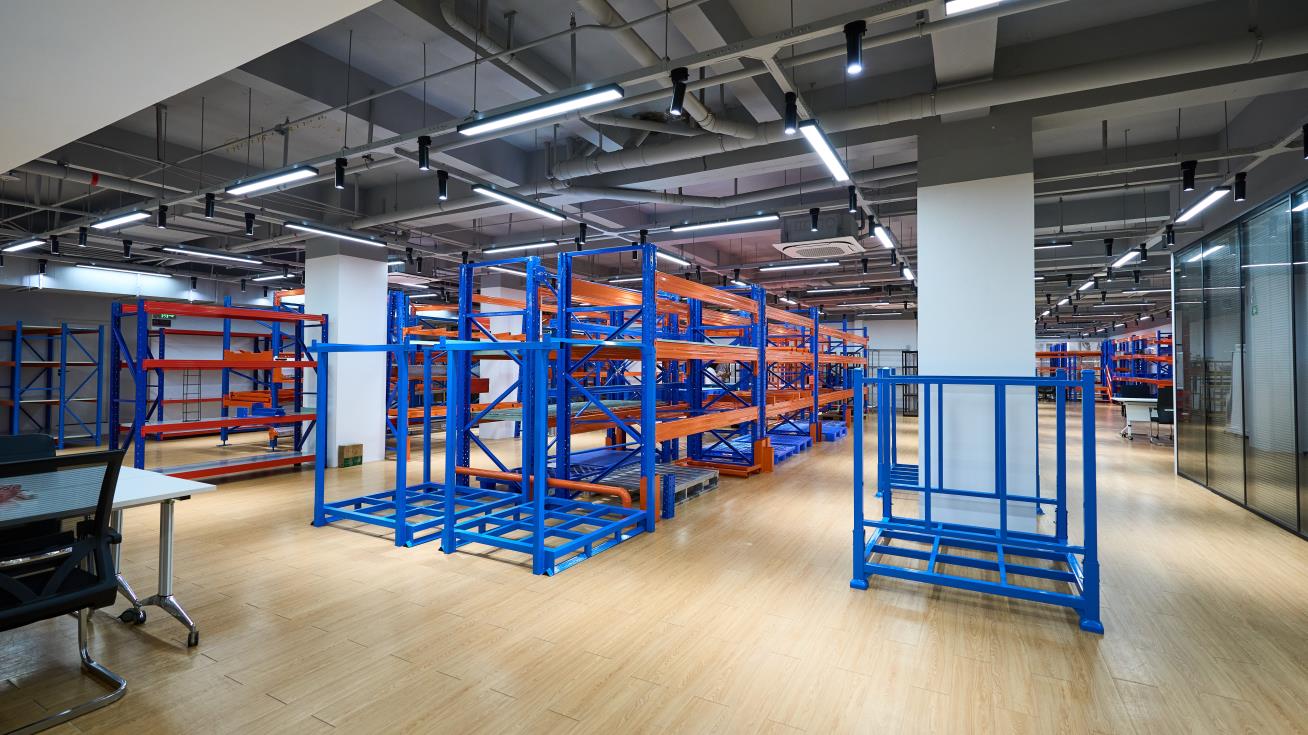
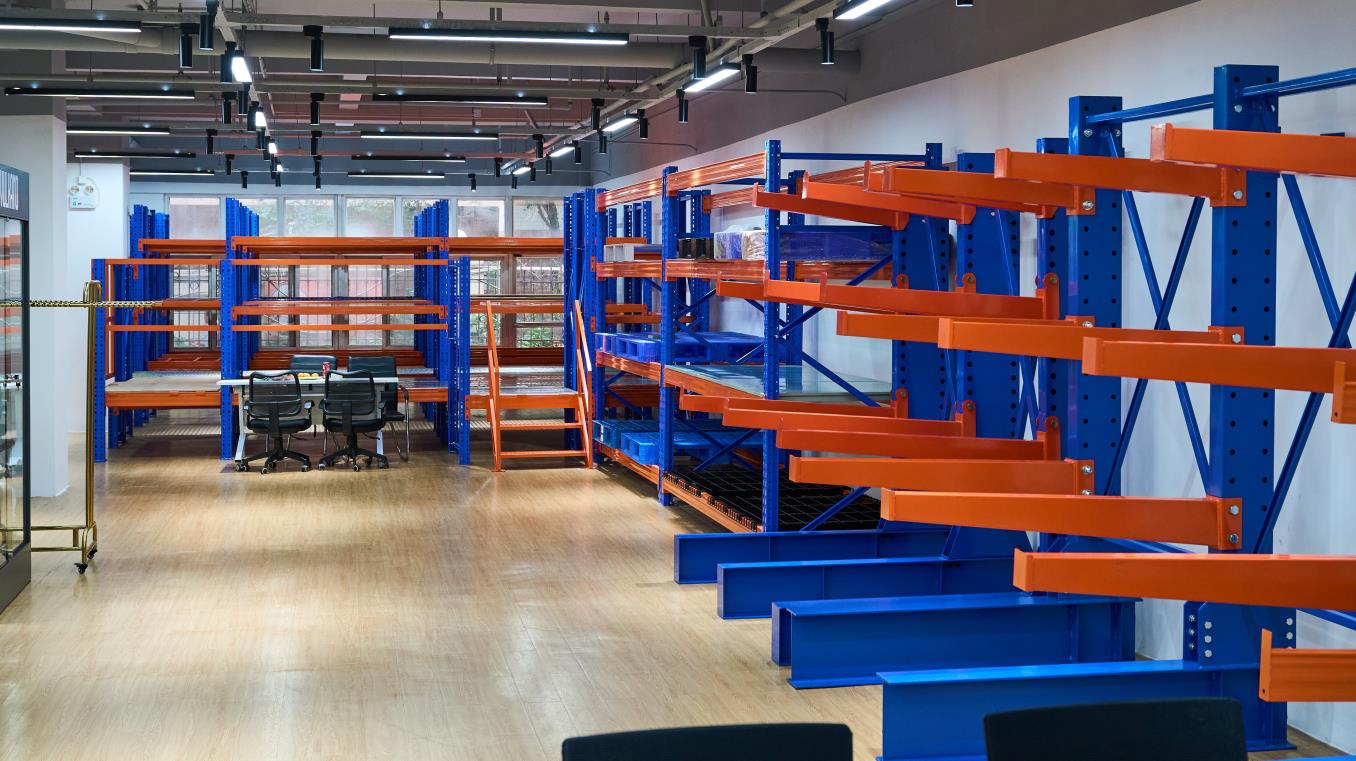
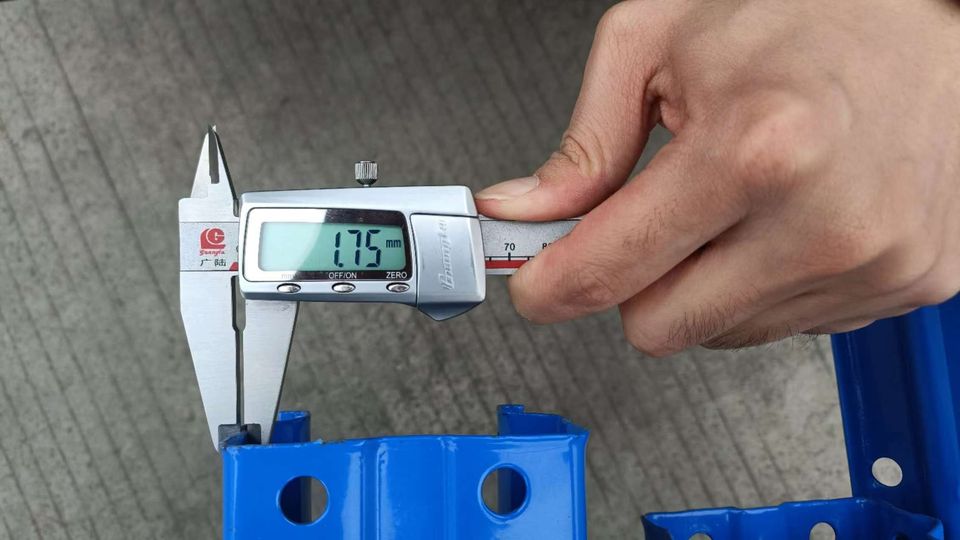
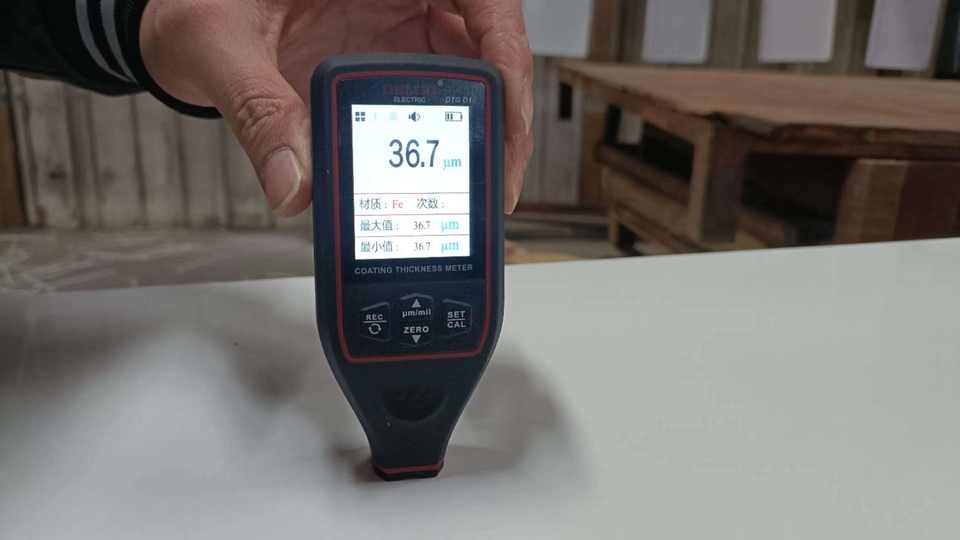
Under cold temperatures, steel structures face an increased risk of brittle fracture. Consequently, safety verification protocols must be more stringent than those used for ambient storage systems. To ensure long-term structural integrity, CrownRacking implements a Full-Cycle In-Line & Final Stress Load Inspection workflow. This system validates load-bearing capacity under simulated extreme temperatures.
Ensures physical profiles match structural designs within tolerances under +/- 0.5mm, preventing structural eccentricity and uneven load distribution.
Maintains the protective paint or hot-dip galvanized barrier, preventing moisture-induced rust during defrosting cycles.
Validates structural capacity under sub-zero conditions, ensuring stability when loaded with heavy industrial goods.
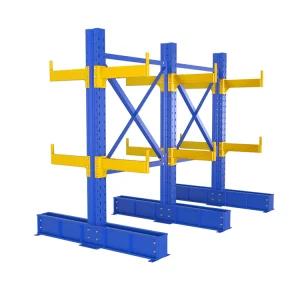
Our research and development program focuses on High-Density Cantilever & Multi-Tier Mezzanine Engineering. We offer custom options ranging from custom RAL color matching to specialized seismic bracing and rack protectors. Over the past year, our team of 54 R&D engineers introduced 85 new product designs, expanding our capability to handle custom projects worldwide.
When evaluating suppliers for low-temperature environments, buyers must look beyond standard structural designs. The physical properties of steel change significantly when exposed to temperatures below 0°C. Standard structural steel (such as Q235B) can become brittle, which increases the risk of catastrophic failure under dynamic loads.
To address this issue, premium manufacturers use modified structural steels (such as Q355D or Q460D). These materials undergo Charpy V-notch impact testing at temperatures down to -20°C or -40°C. This testing ensures the steel retains adequate toughness and resists brittle fractures under sub-zero temperatures.
Additionally, the design of structural joints must account for thermal contraction. As temperatures drop, steel structural components contract. In tight high-bay storage configurations, this contraction can cause alignment issues or increase tension on connection bolts. Premium designs address this by using slotted connections and specialized torque-locking nuts.
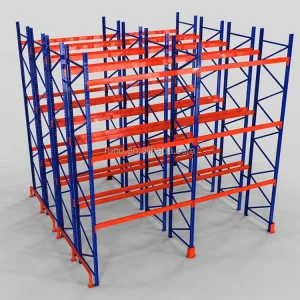
Every warehousing vertical requires a specific structural layout. Large cold storage operations generally utilize one of three primary configurations:
Ideal for high-density storage of uniform products with low rotation rates. This layout minimizes aisle space, reducing the total refrigerated volume required.
Mounted on guided floor tracks, these racks open dynamic access aisles as needed. This approach maximizes floor space utilization up to 85% while maintaining access to all pallets.
High-bay crane systems integrated with automated shuttles. By removing human operators from sub-zero environments, AS/RS setups reduce heat loss and lower energy consumption.
Low temperatures reduce the ductility of carbon steel, shifting it from a ductile to a brittle state. At temperatures below -20°C, typical structural steels are more susceptible to crack propagation and sudden failure under dynamic loads. To prevent this, cold storage structures should use steel alloys with proven impact energy ratings at sub-zero temperatures.
Freezer environments frequently undergo temperature changes, especially during defrost cycles. This causes moisture to condense on the rack surfaces. If the protective coating is thin or uneven, moisture can penetrate to the steel base and cause rust. Maintaining an optimized, consistent coating thickness prevents moisture ingress and protects the metal substrate.
Steel contracts at a rate determined by its coefficient of thermal expansion. In installations over 20 meters tall, this contraction can lead to measurable changes in overall height and alignment. Engineering designs must account for these changes to prevent binding in automated crane systems (AS/RS).
High-density storage configurations concentrate significant weight in a compact footprint. When planning installations in seismically active regions, systems must feature custom bracing layouts, heavy-duty base plates, and anchoring systems. These elements dissipate energy and protect the structure during a seismic event.
 CrownRacking