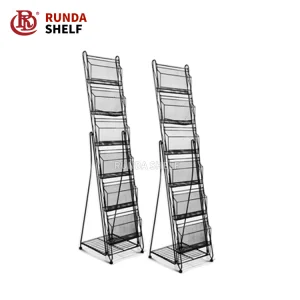
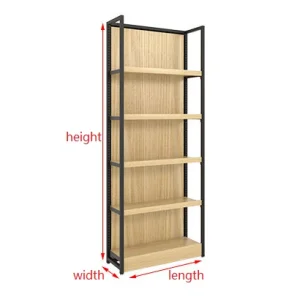
In today's highly dynamic corporate landscapes, spatial optimization is no longer just a facility management concern—it is a critical driver of structural cost control and organizational efficiency. The modern commercial storage system serves a variety of purposes, spanning from executive archives to light-duty retail racks, and extending further to structural industrial-grade solutions. Procuring these structures at scale requires deep visibility into manufacturing configurations, steel grades, and processing specifications.
This document serves as an industry whitepaper, examining the core factors that position leading manufacturing networks at the forefront of the global commercial shelving market. We will focus on loading capacities, steel engineering, structural stability testing, and logistical networks. Our goal is to provide enterprise buyers, warehouse managers, and retail network architects with clear insights to optimize their global supply chains.
SEO Insight & Intent Focus: High-density archiving and modern commercial configurations require structural designs that comply with rigorous international testing standards, such as EN 15635 and AS4084. Selecting the appropriate supplier goes beyond comparing pricing; it requires verifying structural calculations and load capacity certifications.
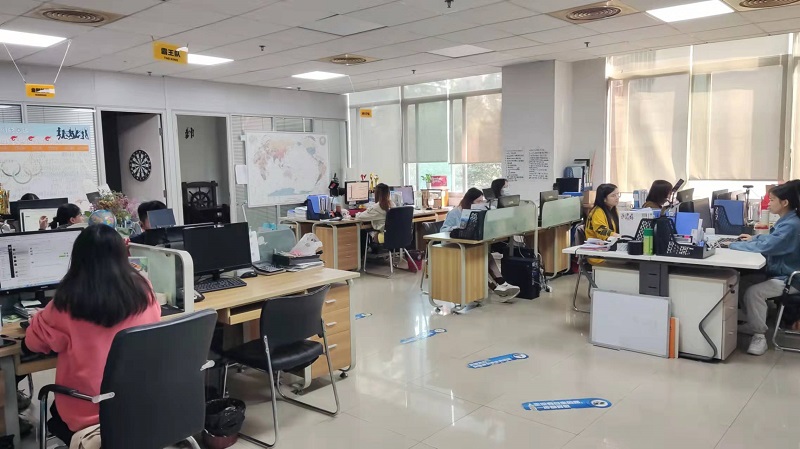
Established in 2018, Ningbo CrownRacking Intelligent Warehouse Tech Co., Ltd. has established itself as an innovative force in the development of heavy-duty, light-duty, and hybrid shelving solutions. Operating from a state-of-the-art 46,500 m² modern production facility, the company delivers advanced engineering to international clients, generating an annual export revenue of $42,000,000. Supported by five years of international trade operations and eight years of dedicated sector leadership, the company bridges the gap between raw manufacturing capability and specialized turnkey logistics projects.
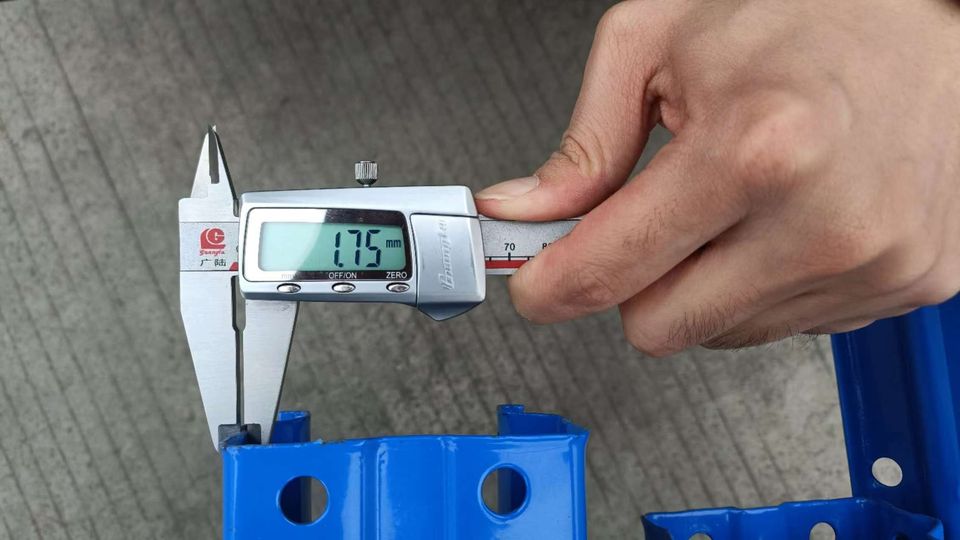
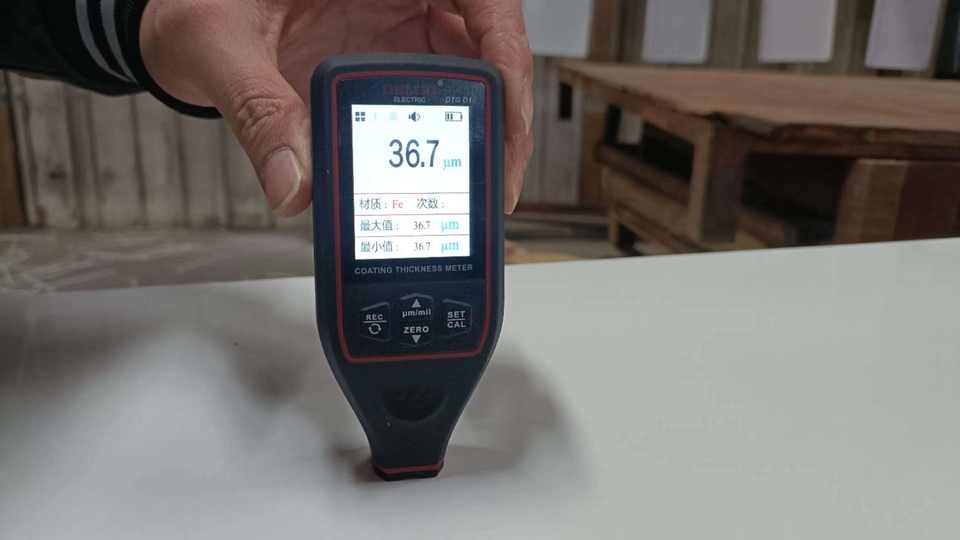
CrownRacking’s structural integrity is verified through a systematic, multi-tiered quality control program. The engineering team conducts Full-Cycle In-Line & Final Stress Load Inspections, utilizing Laser Coordinate Measuring & Coating Thickness Verification. Supported by 62 QC personnel, every shelf design undergoes finite element analysis (FEA) to confirm performance under varied loading conditions. Operating as a direct factory exporter with global turnkey project capabilities, primary service networks extend across Australia, Northern Europe, and North America.
The factory features dedicated calibration facilities to verify dimensional accuracy down to the micrometer level. Raw structural steel sheet feed undergoes continuous inspection, and the final electrostatic powder coatings are tested to withstand high-salinity and high-humidity environments.
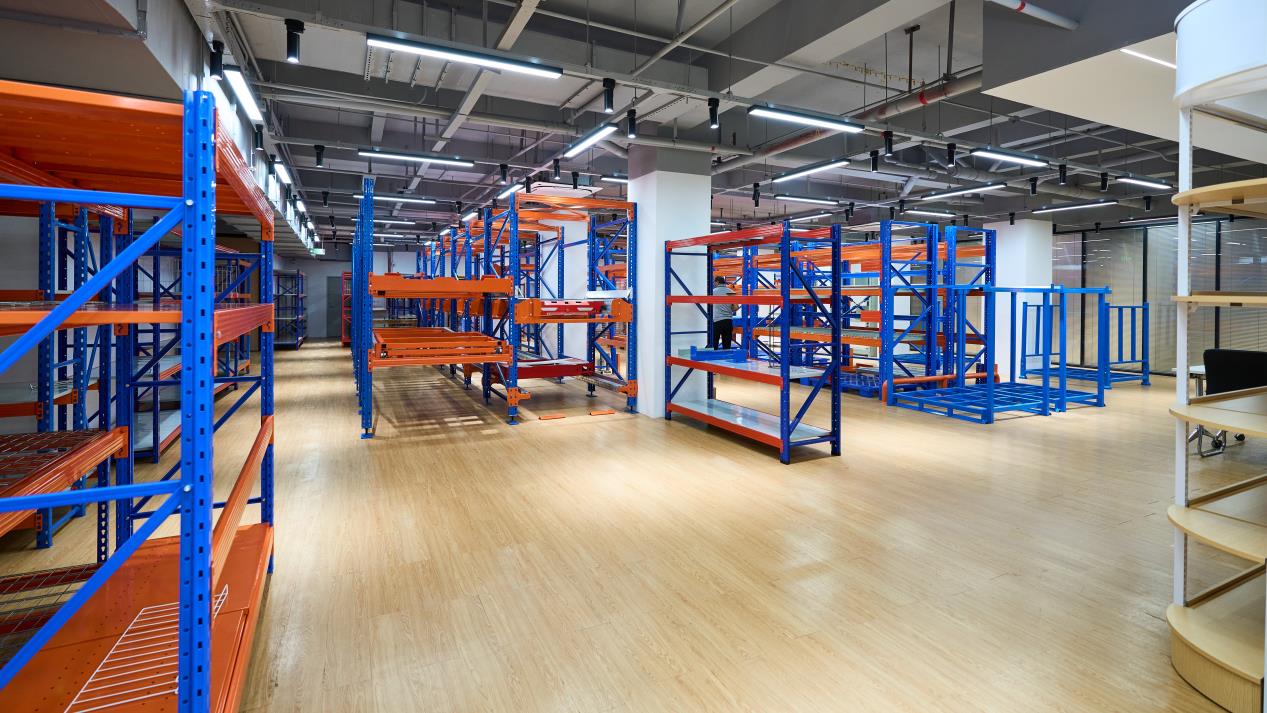
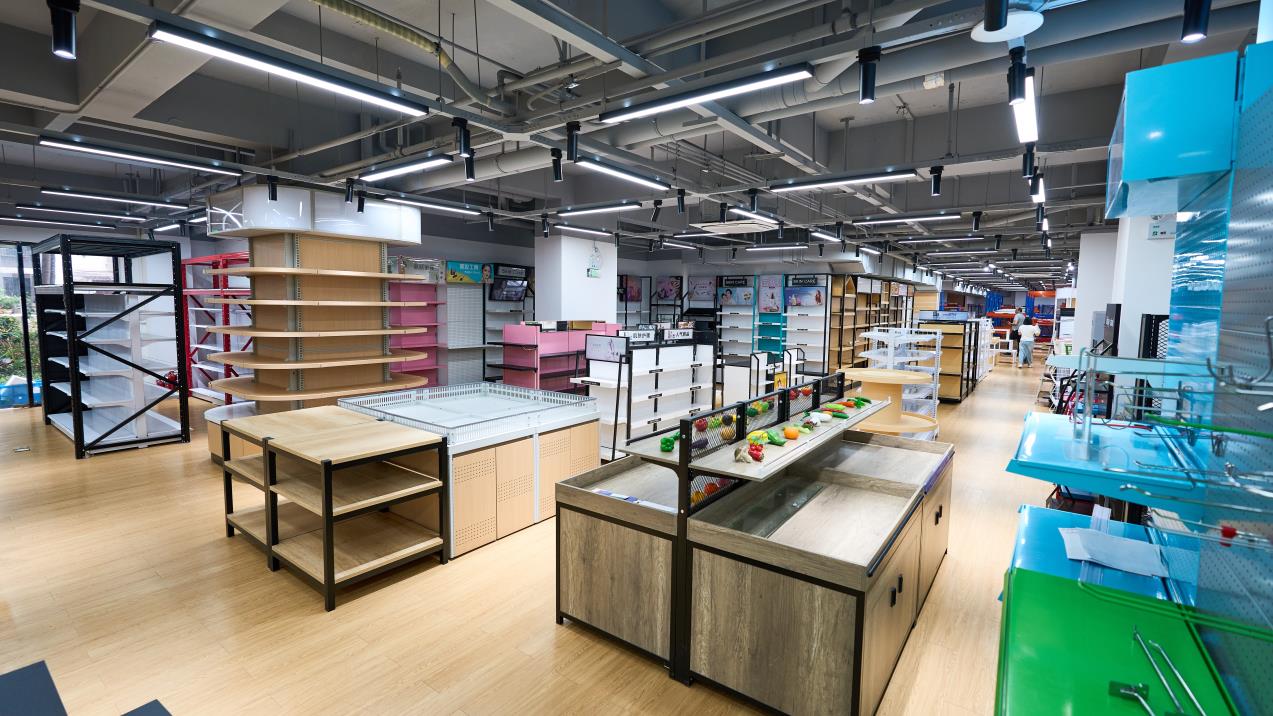
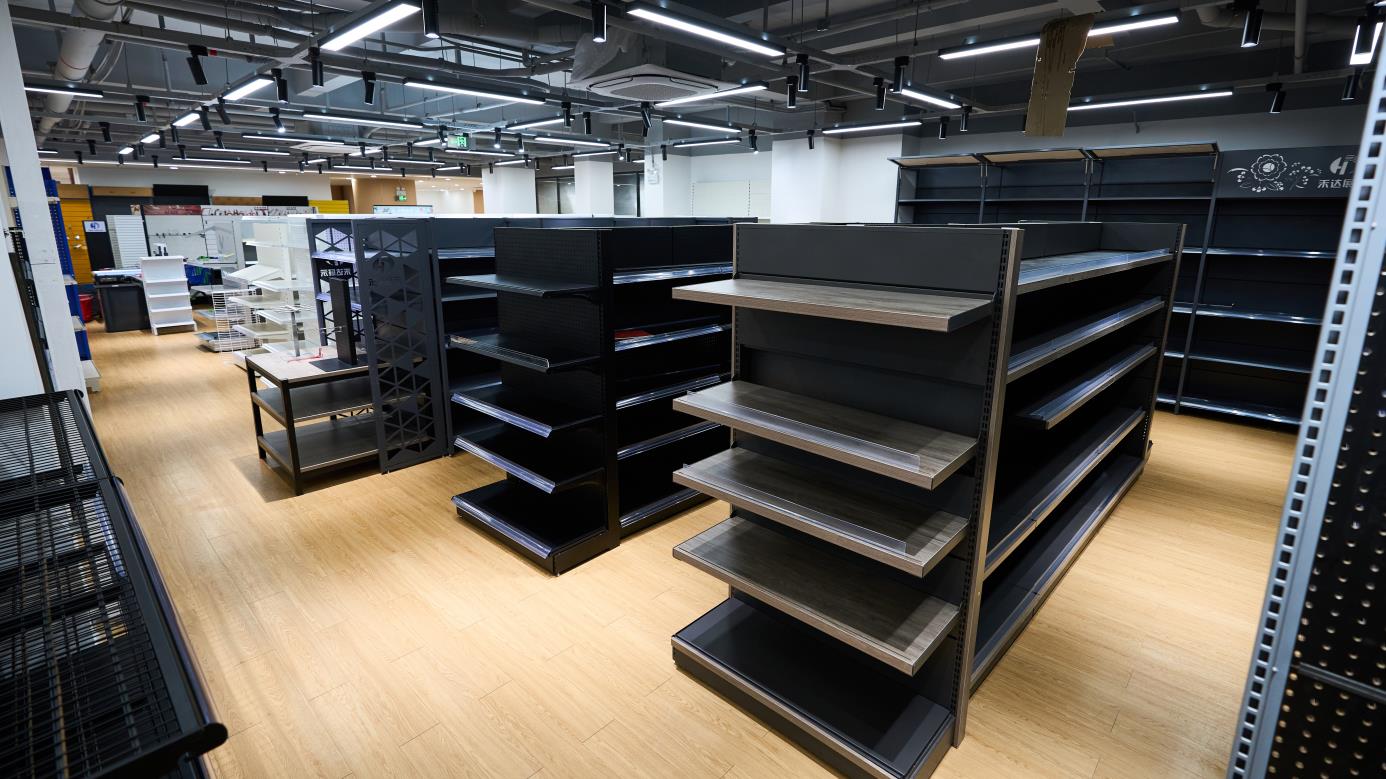
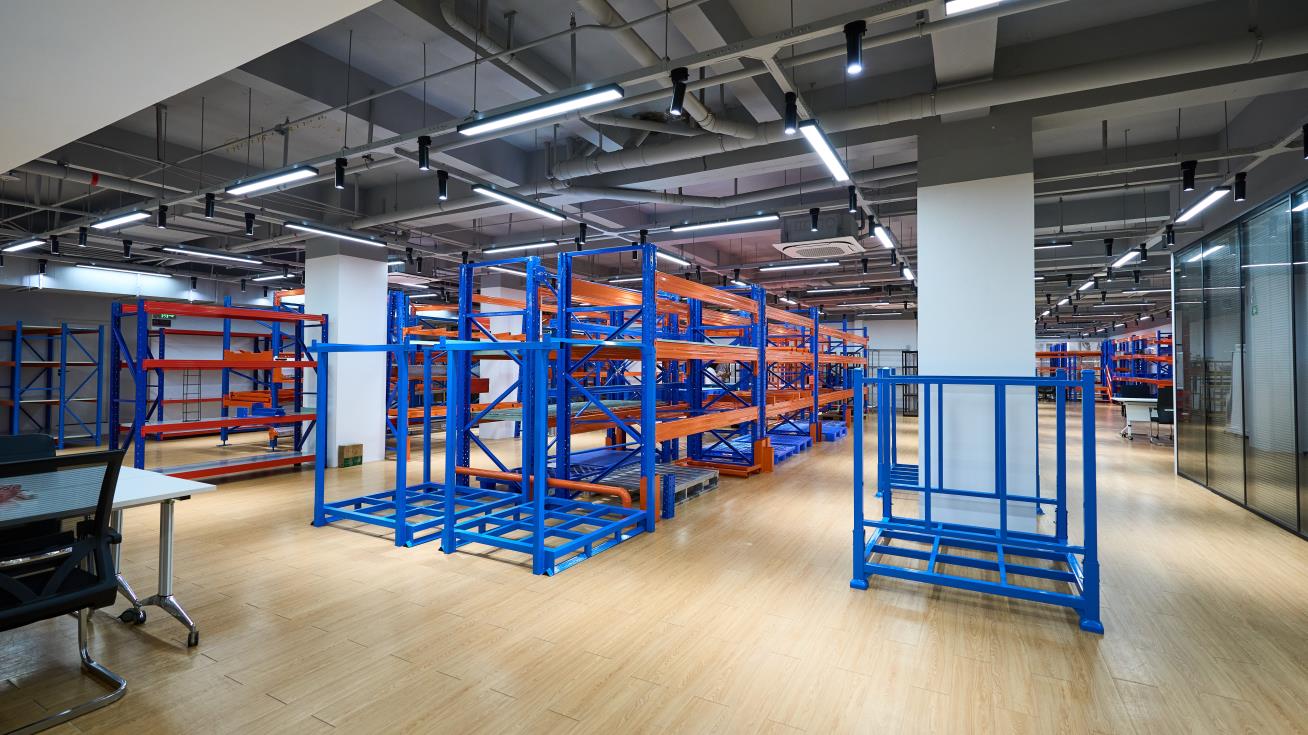
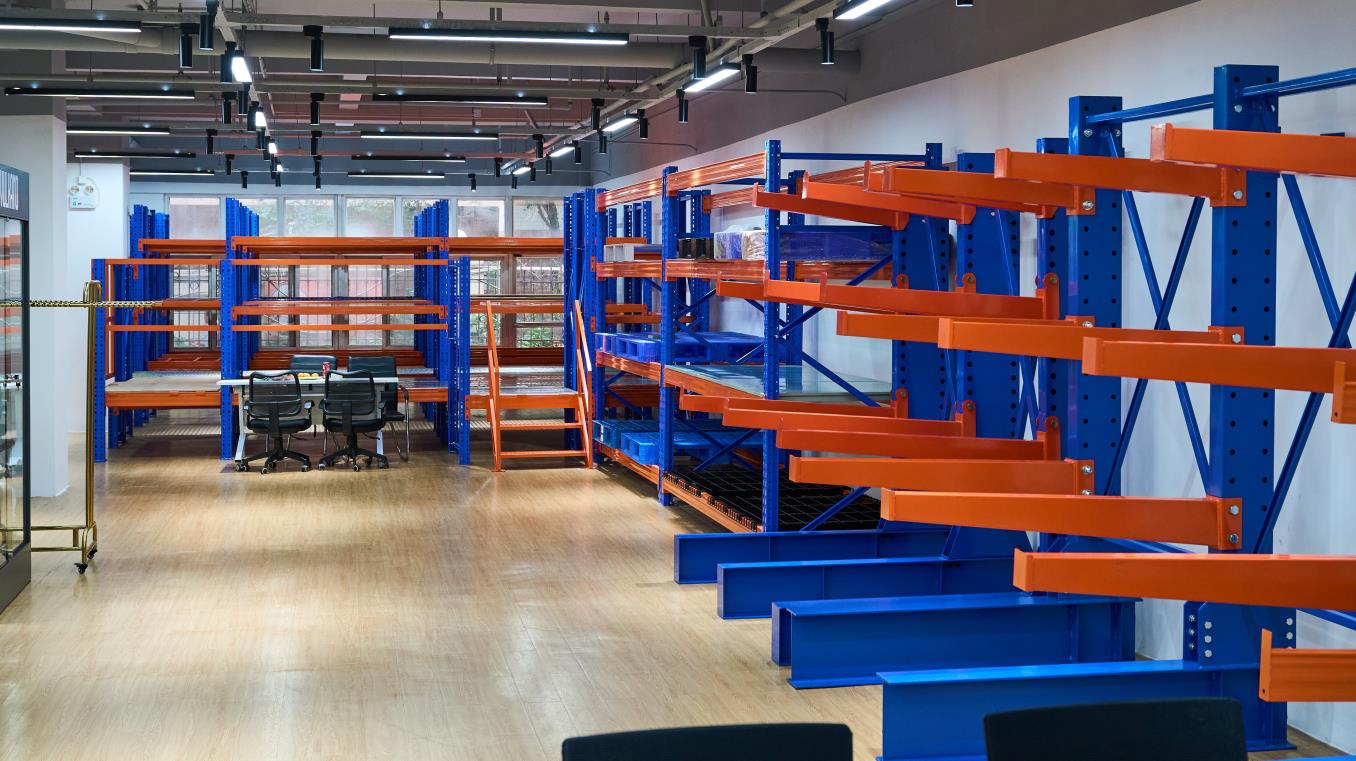
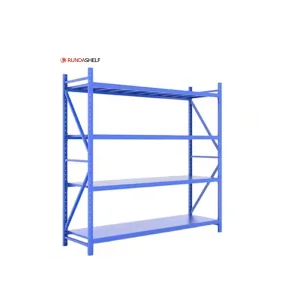
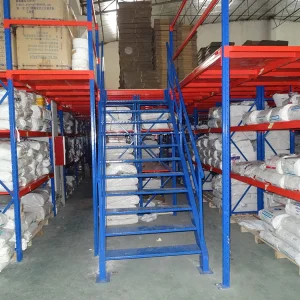
The research and development team focus on high-density cantilever engineering and multi-tier structural mezzanine layouts. Customization options range from specific RAL color-matching to specialized seismic bracing profiles. Over the past year, the 54 R&D engineers introduced 85 new product designs, expanding the company’s product portfolio for pharmaceutical distribution centers, automated logistics parks, and high-capacity machinery stores.
China’s manufacturing landscape has transitioned from high-volume assembly to automated, precision-engineered metal fabrication. This development is particularly evident in the commercial shelving and racking sector, where Chinese production networks offer distinct advantages:
Proximity to major steel producers ensures direct access to structural-grade carbon steels, such as Q235B and Q355B. This local access stabilizes raw material pricing, insulating international buyers from sudden material cost fluctuations.
Top-tier factories utilize automated roll-forming lines that punch, roll, cut, and weld within a continuous process. This level of automation ensures consistent dimensions across high-volume production runs.
Advanced electrostatic powder-coating systems apply thermosetting epoxy polyester coatings. These coatings provide durability, resistance to surface abrasion, and protection against chemical exposure, ensuring long-term aesthetic and structural preservation.
The commercial shelving market is evolving in response to changing workplace architectures, e-commerce growth, and sustainable design requirements.
| Trend Dimension | Technical Characteristics | Strategic Impact |
|---|---|---|
| Modular Configurations | Toolless interlocking frames, boltless connectors, and adjustable beam increments. | Allows rapid reconfiguration of storage layouts to meet changing organizational requirements. |
| Sustainable Production | Use of recyclable alloy steels, lead-free powder coatings, and zero-VOC processing. | Helps enterprises meet ESG standards and align with green building certifications like LEED. |
| Hybrid Office Designs | Combines decorative wood laminates with structural steel frames. | Supports aesthetic integration within open-plan offices while retaining commercial durability. |
| Automated Storage (ASRS) Integration | High-precision tolerance settings, robotic pick interface pathways, and sensor arrays. | Reduces retrieval and storage cycle times in high-volume fulfillment facilities. |
Storage layouts must be tailored to the specific spatial and operational needs of each environment. Here is how modern shelving systems are designed for different settings:
Mobile-track carriage systems and high-density, fire-resistant vertical files maximize spatial efficiency in sensitive document archives.
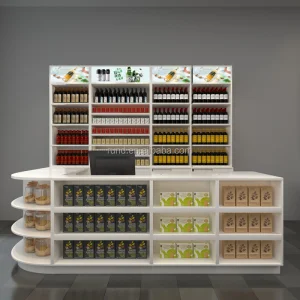
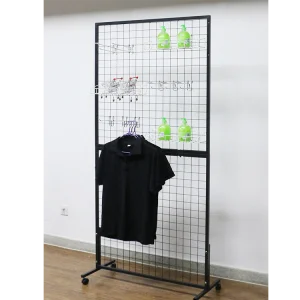
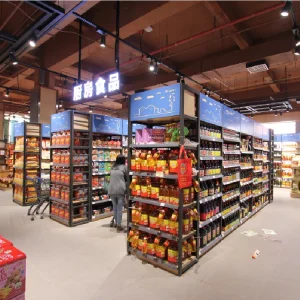
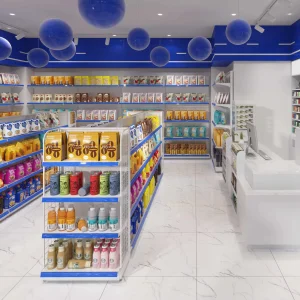
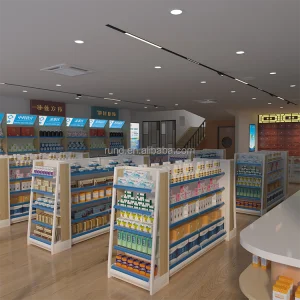
Double-sided wooden and metal display racks integrate LED track lighting to enhance product visibility and improve customer flow.
Corrosion-resistant steel wire units and specialized drug cabinets ensure compliance with sanitization protocols and safety standards.
Selecting storage systems requires evaluating key structural variables to ensure long-term stability and efficiency. Buyers should assess these core metrics:
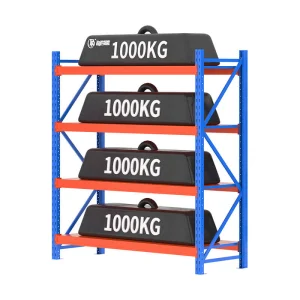
The structural deflection of a shelf beam under maximum load should not exceed 1/200th (or 1/300th for sensitive inventories) of the span length. Proper calculation prevents metal fatigue and helps maintain structural alignment.
In active seismic zones, shelving systems must integrate diagonal bracing, footplate floor anchors, and top-ties. These components help distribute lateral forces safely, protecting personnel and stock.
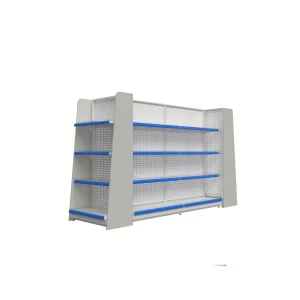
In facilities equipped with overhead sprinklers, storage systems must feature open wire decks or perforated shelves to allow adequate water penetration, helping to meet regional fire protection standards.
To maintain supply chain integrity and ensure long-term structural performance, enterprise buyers should follow a structured verification process when qualifying suppliers:
Verify mill test certificates (MTC) to confirm the chemical composition, yield point, and tensile strength of the raw structural steel.
Require salt spray resistance certification (ASTM B117) to verify corrosion resistance in high-humidity or coastal storage environments.
Confirm quality controls using coordinate measuring machines (CMM) to maintain part tolerances for automated storage integrations.
 CrownRacking