Engineered for durability, spatial maximization, and seamless merchandising integration
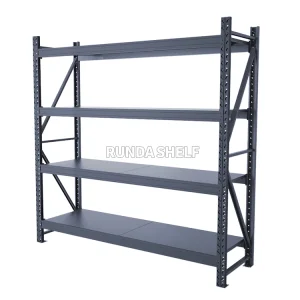
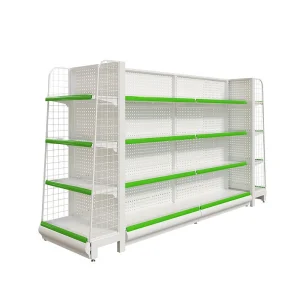
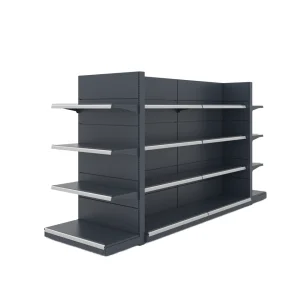
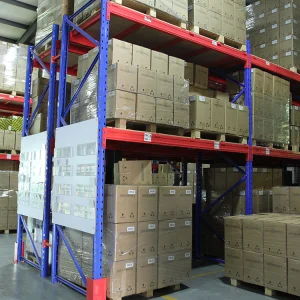
The global retail storage industry is undergoing a structural paradigm shift, catalyzed by the transition towards omnichannel distribution and micro-fulfillment logistics. In the modern B2B supply chain ecosystem, the line separating back-end logistics hubs from front-end commercial retail spaces is blurring. Brick-and-mortar storefronts are increasingly functioning as hyper-local fulfillment nodes, necessitating versatile, structural-grade display setups that can withstand continuous logistics wear while maintaining high aesthetic standards.
Sustainable manufacturing processes and modular design standards are dominating procurement requirements across Northern Europe and North America. Enterprises are shifting away from single-purpose, static shelving toward high-density, modular configurations that accommodate SKU velocity changes dynamically. Environmental compliance, notably the demand for low-emission powder coatings and cradle-to-gate environmental certifications, has transformed from a secondary asset into a critical gating criterion for tier-one corporate procurement teams.
Global procurement directors operating within large-scale retail distribution, pharmacy networks, and heavy machinery warehousing face complex structural engineering requirements and dynamic lead-time constraints. When selecting a tier-one manufacturing partner, B2B buyers look beyond visual layouts; they evaluate structural load tolerances, seismic safety margins, and metallurgical processing standards.
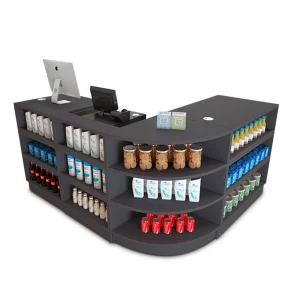
A critical challenge in global sourcing is ensuring that heavy-duty pallet racks, gondola modules, and checkout counters comply with regional construction codes without inflating installation and freight costs. Procurement officers require comprehensive, verifiable data regarding steel grades (typically Q235B or Q345B structural carbon steel), weld penetration metrics under AWS standards, and multi-tier load-bearing certifications.
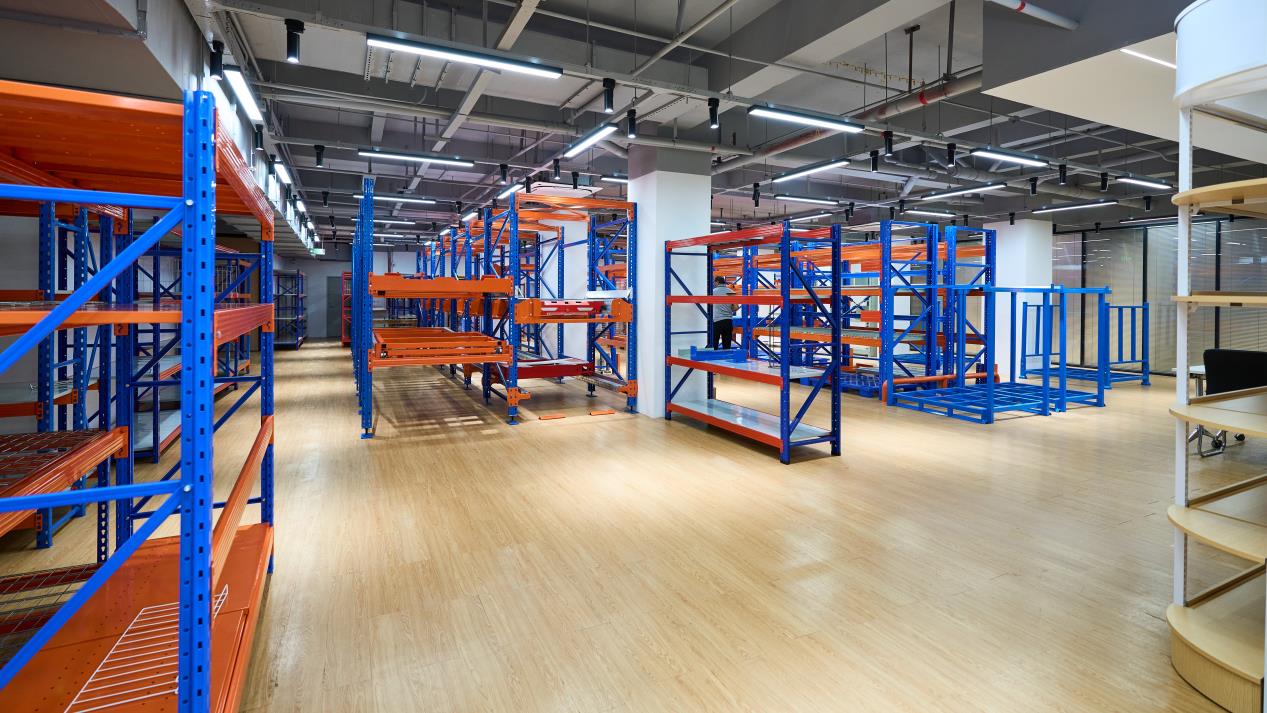
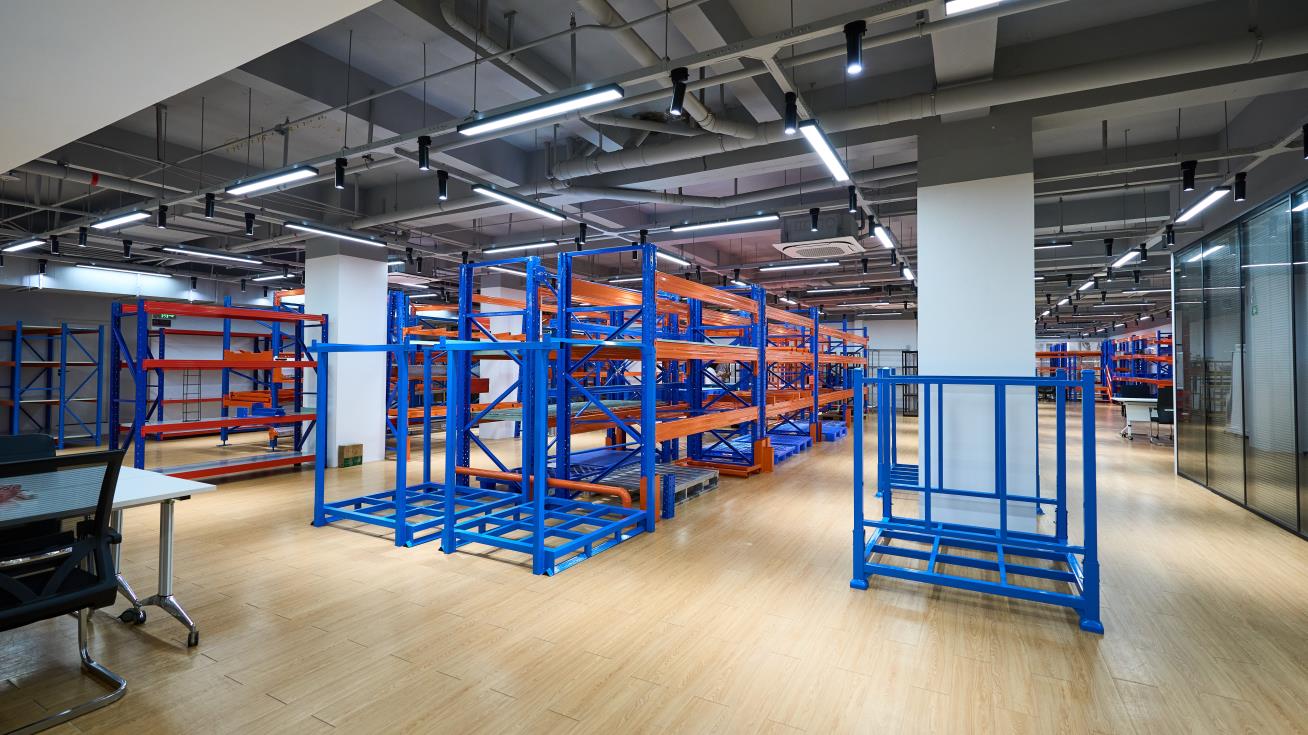
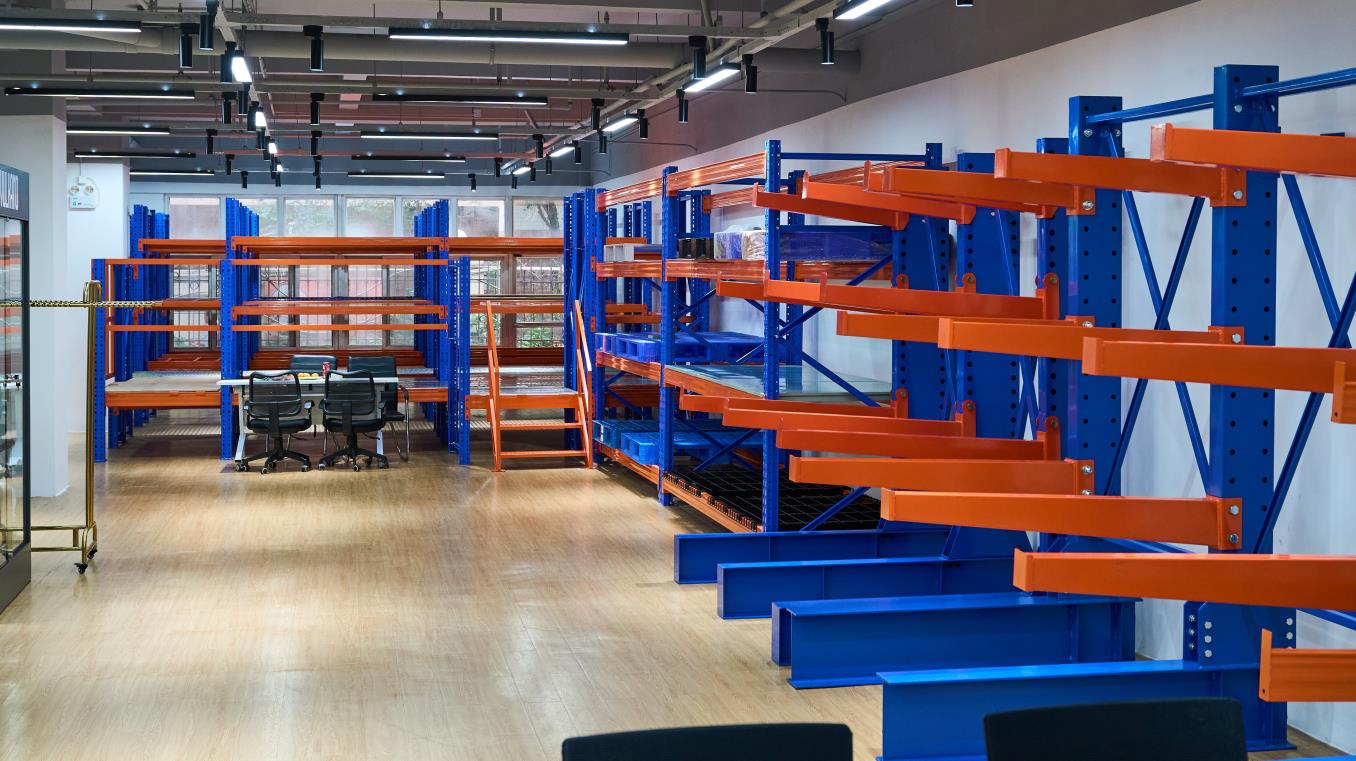
Optimizing floor-space layouts demands a hybrid layout approach that bridges the gap between bulk storage strength and consumer accessibility. In pharmaceutical distribution networks and large supermarkets, spatial design determines labor efficiency and product turnover rate. High-density cantilever storage systems and multi-tier structural steel mezzanines double vertical space usage, directly minimizing real estate capital expenditure.
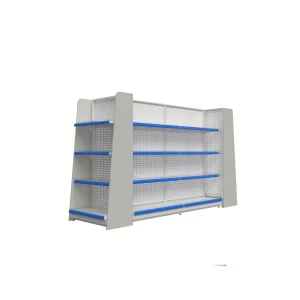
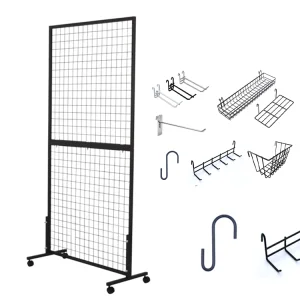
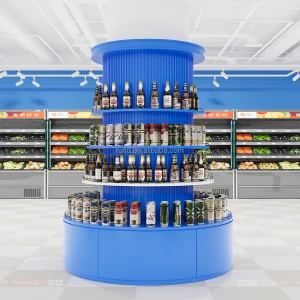
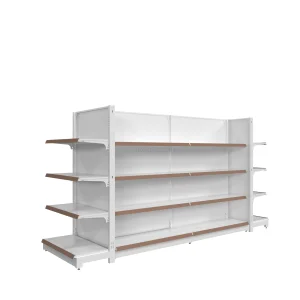
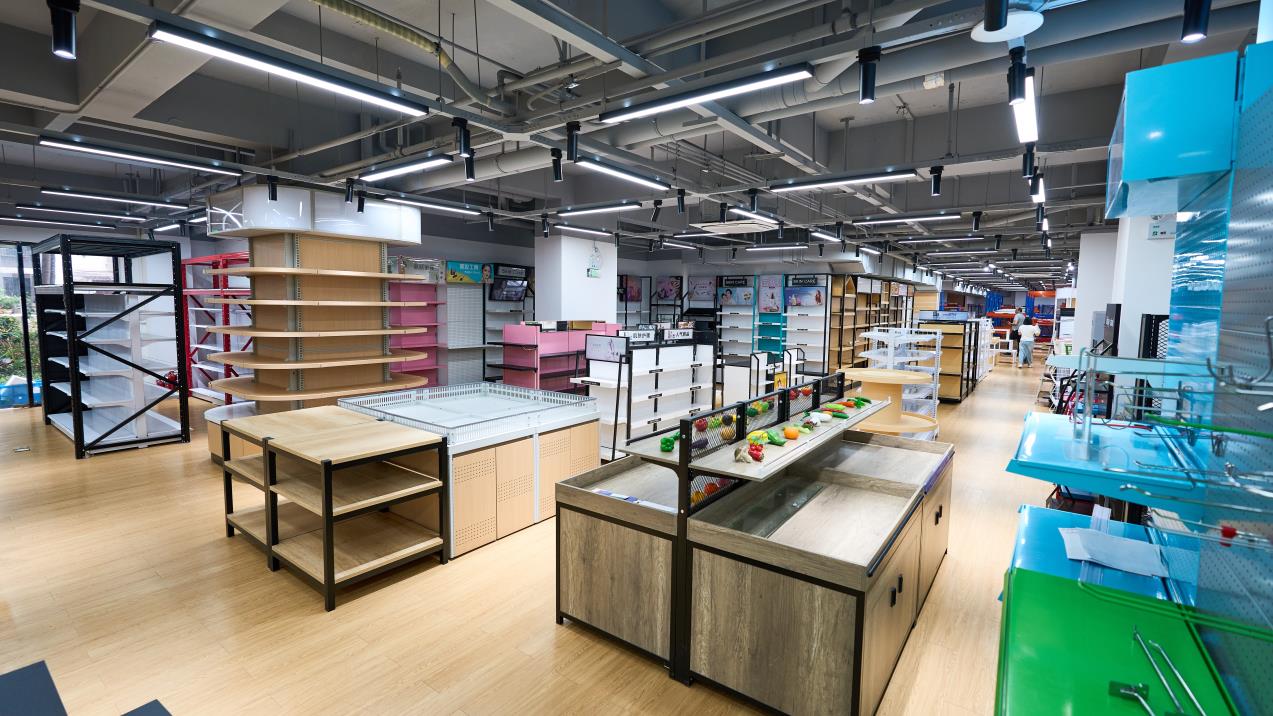
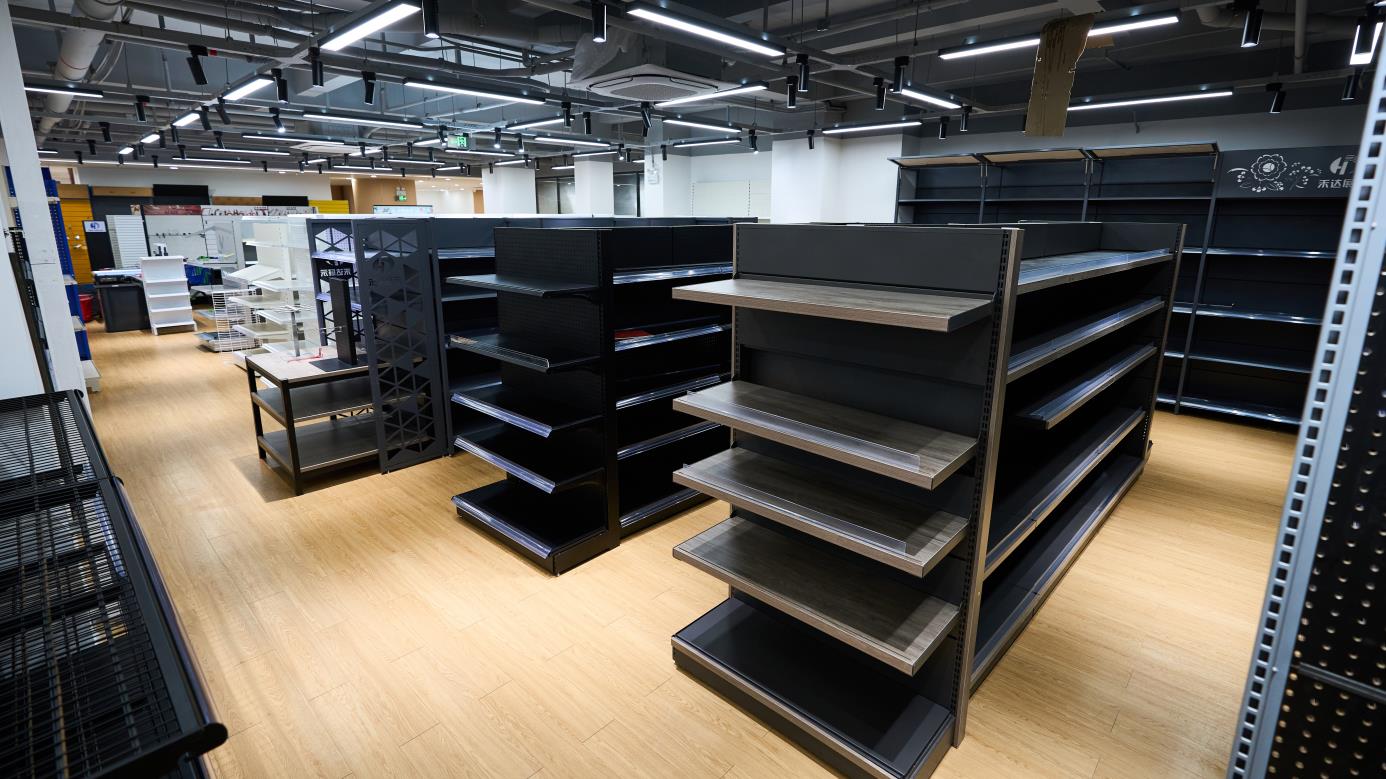
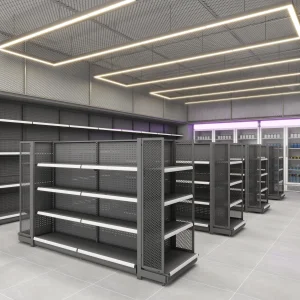
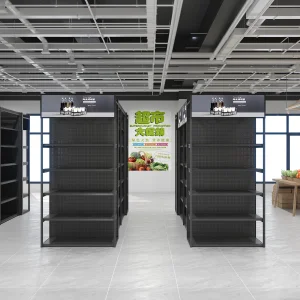
Simultaneously, commercial retail floors require visual cleanliness combined with durable construction. High-capacity metal and wood gondola shelf configurations allow supermarkets to customize display profiles dynamically, while perforated back panels and custom wire grids enable quick hook placements and efficient merchandising layouts. From pharmacy storage to food logistics warehouses, selecting the correct structural profile minimizes the risk of structural collapse and optimizes overall facility flow.
Ningbo CrownRacking Intelligent Warehouse Tech Co., Ltd. — Built on precision, quality, and global deployment services.
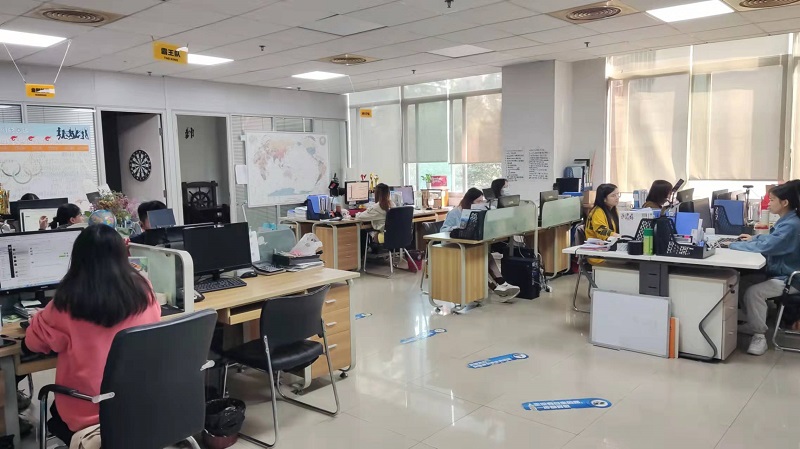
Established in 2018, Ningbo CrownRacking Intelligent Warehouse Tech Co., Ltd. has established itself as an industry leader in engineering advanced warehouse and retail display infrastructure. Operating within a state-of-the-art 46,500 m² modern production facility, we maintain vertical control over every phase of production, from raw steel coil processing to automated electrostatic powder coating. Backed by 5 years of international trade expertise and 8 years of dedicated manufacturing leadership, we offer complete global turnkey project services.
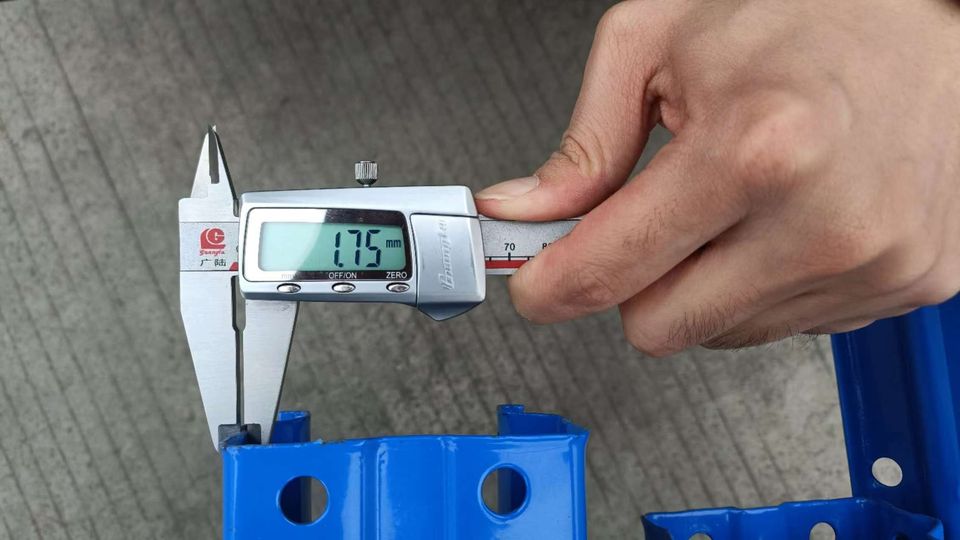
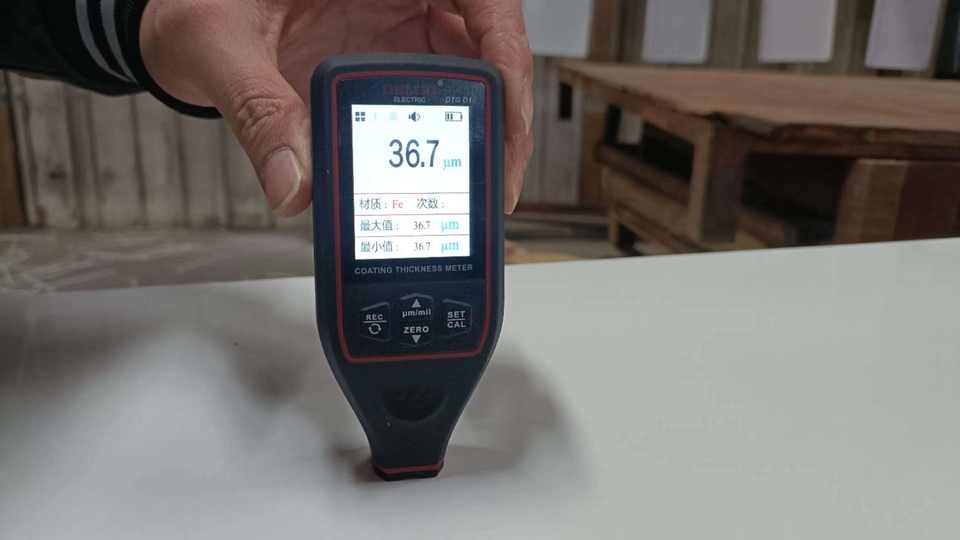
To guarantee structural integrity and long-term durability in high-risk environments, we conduct rigorous Full-Cycle In-Line & Final Stress Load Inspections. Our facility employs advanced Laser Coordinate Measuring & Coating Thickness Verification systems managed by a dedicated team of 62 QC specialists. Serving a vast global client base across Australia, Northern Europe, and North America, our distribution is supported by 1,850 supply chain partners. We specialize in tailoring custom solutions for pharmaceutical distribution networks, retail logistics parks, and heavy machinery warehouses.
Our R&D focuses on High-Density Cantilever & Multi-Tier Mezzanine Engineering. We offer custom options, including custom RAL color matching, specialized seismic-bracing, and heavy-duty corner frame protectors. Backed by 54 R&D engineers, we successfully launched 85 new products last year to meet evolving global standards.
Navigating international warehouse construction codes requires deep engineering expertise. When supplying systems to critical regions, we ensure compliance with specific safety certifications:
For the North American market, our structural calculations conform strictly to the Rack Manufacturers Institute (RMI) MH16.1 design standards, accounting for local seismic coefficients. In Australia, we engineer all systems to meet the strict AS4084-2012 steel storage racking code, validating structural load capacities with rigorous testing. For Northern Europe, our components meet EN 15512 and FEM 10.2.02 European specifications, guaranteeing consistent safety and reliability across diverse locations.
In addition to structural engineering compliance, our logistics services offer global turnkey support. This includes customized sea-freight loading to prevent transit corrosion, complete import clearance documentation, and localized installation support through our extensive network of assembly technicians.
Our manufacturing development is driven by automation, material engineering, and digital tracking integrations. Over the next three years, our R&D roadmap focuses on three main engineering initiatives:
First, we are advancing the integration of ultra-high-strength micro-alloy steels, allowing us to reduce total system weight by up to 15% while maintaining standard structural loading capacities. Second, we are expanding our modular boltless locking mechanisms to simplify assembly times for multi-tier mezzanine floors. Finally, we are optimizing paint adhesion through nano-ceramic pre-treatments, improving corrosion resistance in temperature-controlled pharmaceutical warehouses.
By investing in automated laser-cutting stations and multi-axis bending robots, we ensure that every batch of upright columns, box beams, and base plates is manufactured to sub-millimeter tolerances. This precision guarantees simple integration with emerging warehouse management systems (WMS) and automated material handling equipment.
Answers to critical questions regarding B2B procurement, material specifications, and regulatory compliance.
Engineered to support high weight capacities and demanding operational environments
 CrownRacking