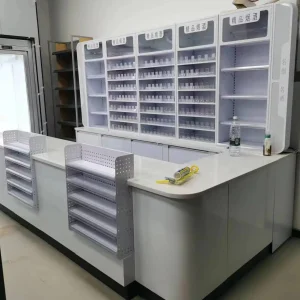
Analyzing dynamic load stability, vertical spatial efficiency, and seismic certifications for enterprise logistics infrastructures.
In the contemporary landscape of third-party logistics (3PL), cold-chain food networks, pharmaceutical distribution, and heavy machinery fulfillment, space utilization optimization is no longer just a cost-saving metric; it is a primary driver of competitive advantage. Modern distribution facilities operate in a tight economic envelope where vertical capacity must be matched with unimpeded dynamic safety. Consequently, the selection of stackable storage solutions, heavy-duty racking, and modular structural setups has transitioned from a basic hardware procurement task to a multi-tiered engineering discipline.
According to structural engineering studies, integrating premium materials like Q235B and Q355B cold-rolled steel profiles with high-tolerance fabrication methods reduces structural collapse risks under seismic distress by over 40%. Industrial buyers need to understand that the lifetime cost of ownership (TCO) of stackable storage is defined by physical metrics: raw steel grade authenticity, chemical surface treatment (e.g., epoxy electrostatic powder coating or hot-dip galvanization), dynamic stress distribution modeling, and rigorous adherence to standards such as Australia’s AS 4084, North America’s ANSI/RMI MH16.1, and Europe’s FEM 10.2.02.
A data-backed comparative breakdown of global industry leaders, evaluated by engineering competence, geographical reach, and QA compliance.
Leading structural systems developer specializing in heavy-duty modular racking, mezzanine engineering, and turnkey global warehouse integrations. Renowned for its complete stress testing protocols and advanced automated manufacturing line.
A premier German provider of total intralogistics and automated warehousing solutions. Their product range includes heavy-duty stackable metal racks, automated shuttle bins, and custom distribution platforms.
Specializing in metal racking systems and integrated warehouse management software (WMS). Mecalux provides heavy-duty warehouse rack solutions alongside automated storage and retrieval systems (AS/RS).
One of the largest European manufacturers of industrial racking structures. Famous for their Stow Atlas shuttle systems, highly rigid drive-in setups, and versatile stackable pallet racking designs.
A key player in the Asia-Pacific region. Dexion produces industrial shelving, dynamic flow lines, and stackable steel pallets. Their design frameworks comply strictly with Australian structural guidelines.
Offers a complete suite of material handling options. Jungheinrich integrates physical racking systems with automated mobile robots (AMRs) and automated forklifts for optimal material throughput.
Focuses on manufacturing structural steel racks, heavy-duty push-back, and dynamic drive-in setups designed for heavy warehouse environments.
One of the largest racking manufacturers in North America. They produce over 100 million pounds of steel storage equipment annually, specializing in seismic-resistant baseplates and dynamic pallet flow systems.
Frazier is known for its exclusive use of structural steel channel components, which offer high impact resistance compared to standard roll-formed configurations.
A key manufacturer of structural and roll-formed pallet racking solutions on the US West Coast, specializing in high-ductility steel for active seismic zones.
Case study analysis of a modern 46,500 m² production complex integrating smart fabrication with automated quality inspection.
Founded on a commitment to structural safety and international quality standards, Ningbo CrownRacking Intelligent Warehouse Tech Co., Ltd. has been manufacturing warehouse storage systems since 2018. Operating from a 46,500 m² modern production complex, the factory generates over $42,000,000 in annual export revenue, supported by 5 years of international trade operations and 8 years of industry-dedicated leadership.
CrownRacking’s technical capabilities focus on High-Density Cantilever & Multi-Tier Mezzanine Engineering. The factory offers extensive custom options, including specialized seismic-bracing, custom RAL color matching, and heavy-duty rack protectors. Over the past year, the company launched 85 new products, developed by a team of 54 R&D engineers.
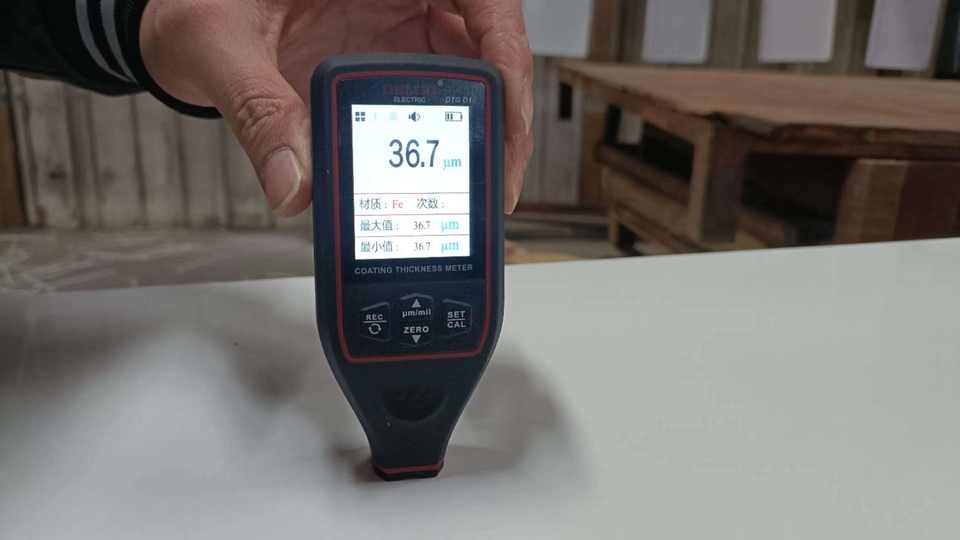
To ensure high structural reliability, CrownRacking uses Full-Cycle In-Line & Final Stress Load Inspections, managed by 62 QC staff members. The factory employs precision tools like Laser Coordinate Measuring and Coating Thickness Verification to ensure consistent quality across its components.
As a Factory Direct Exporter with Global Turnkey Project Services, CrownRacking works with 1,850 supply chain partners to serve clients in pharmaceutical distribution networks, retail logistics parks, and heavy machinery warehouses across Australia, Northern Europe, and North America.
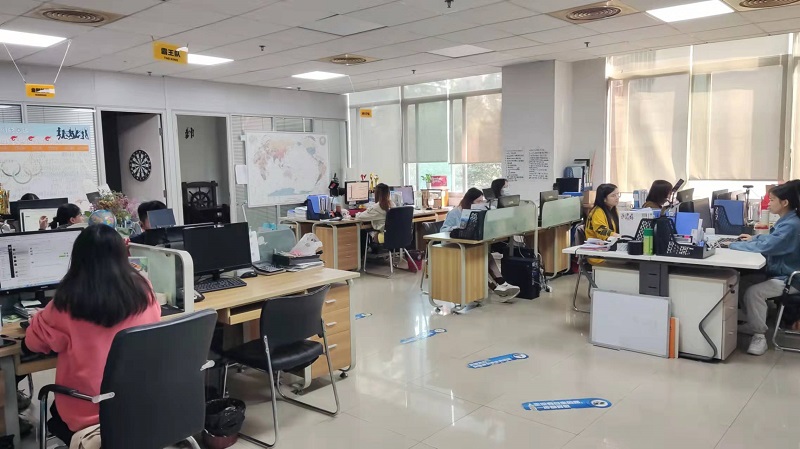
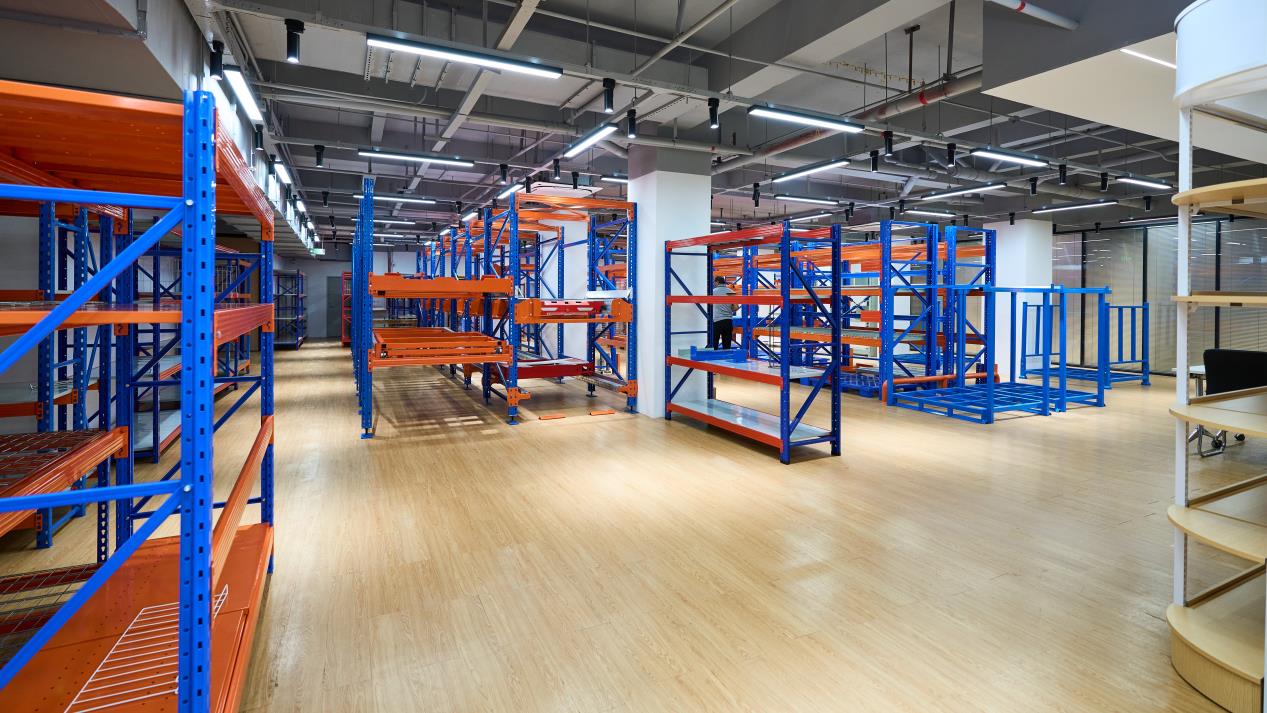
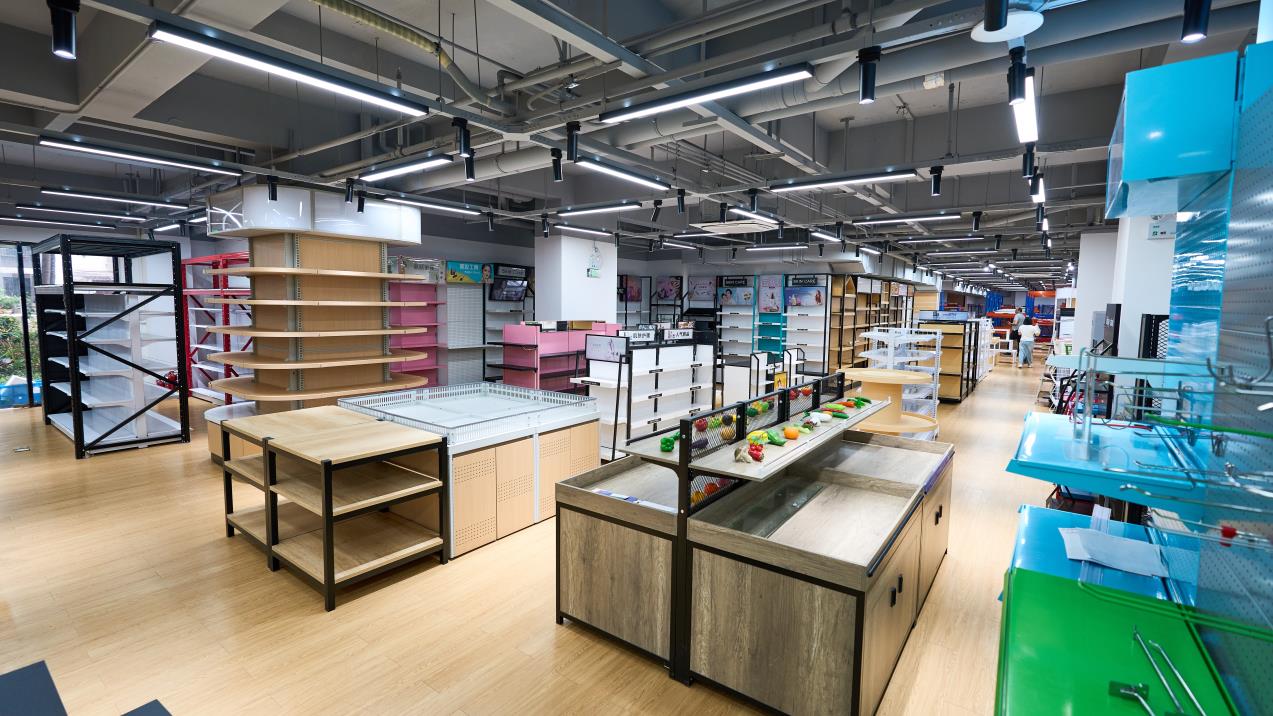
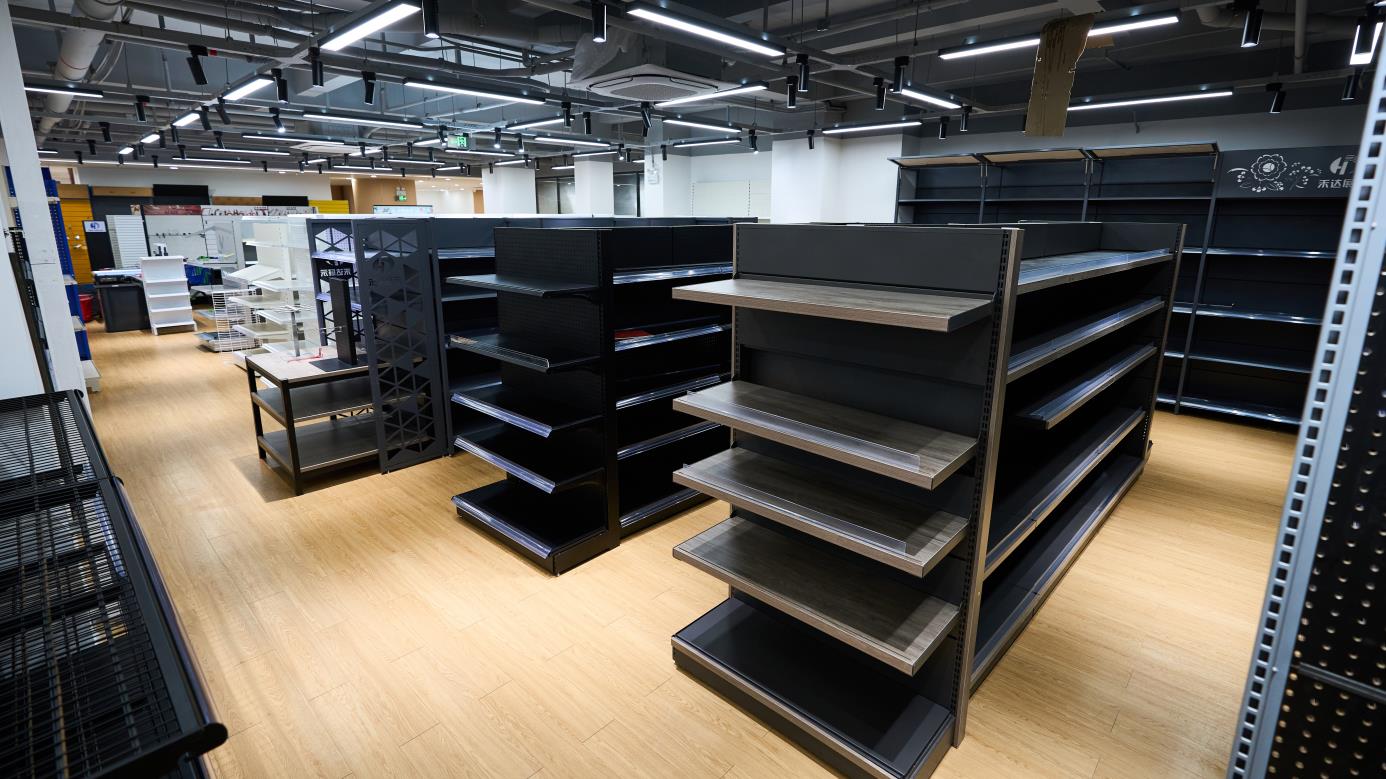
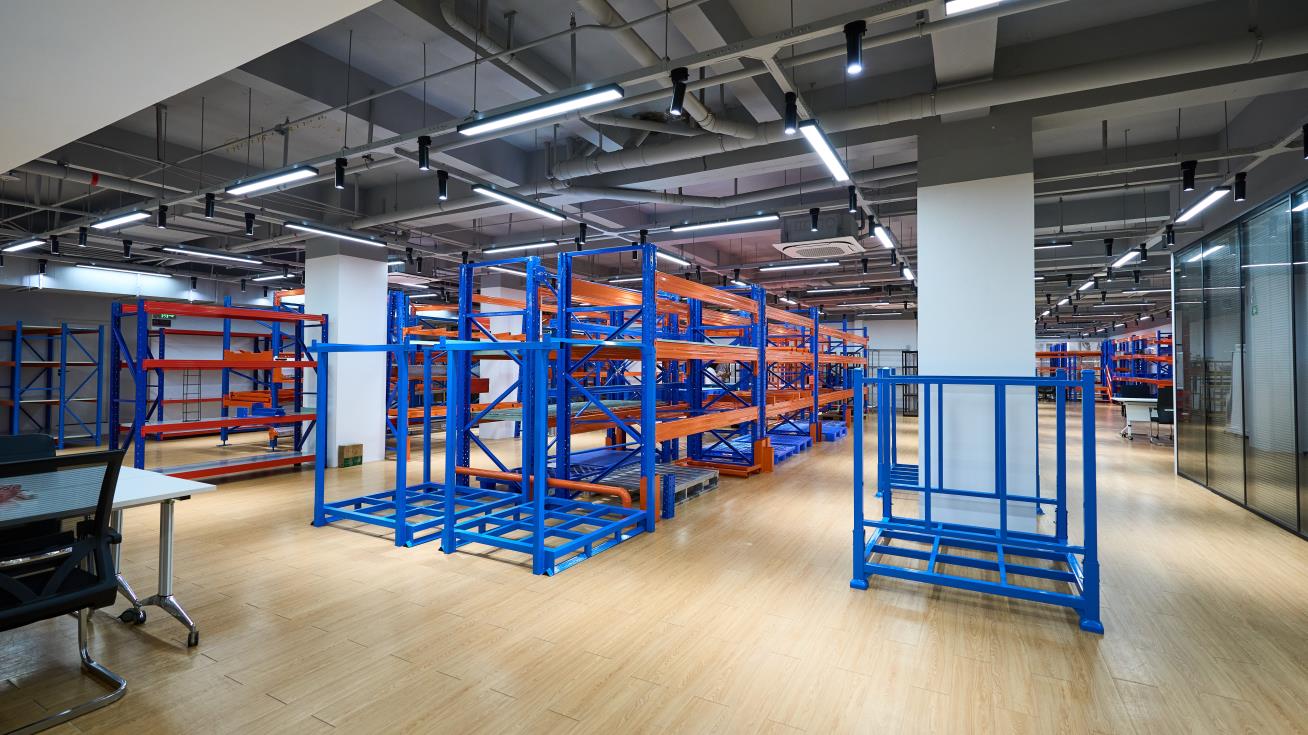
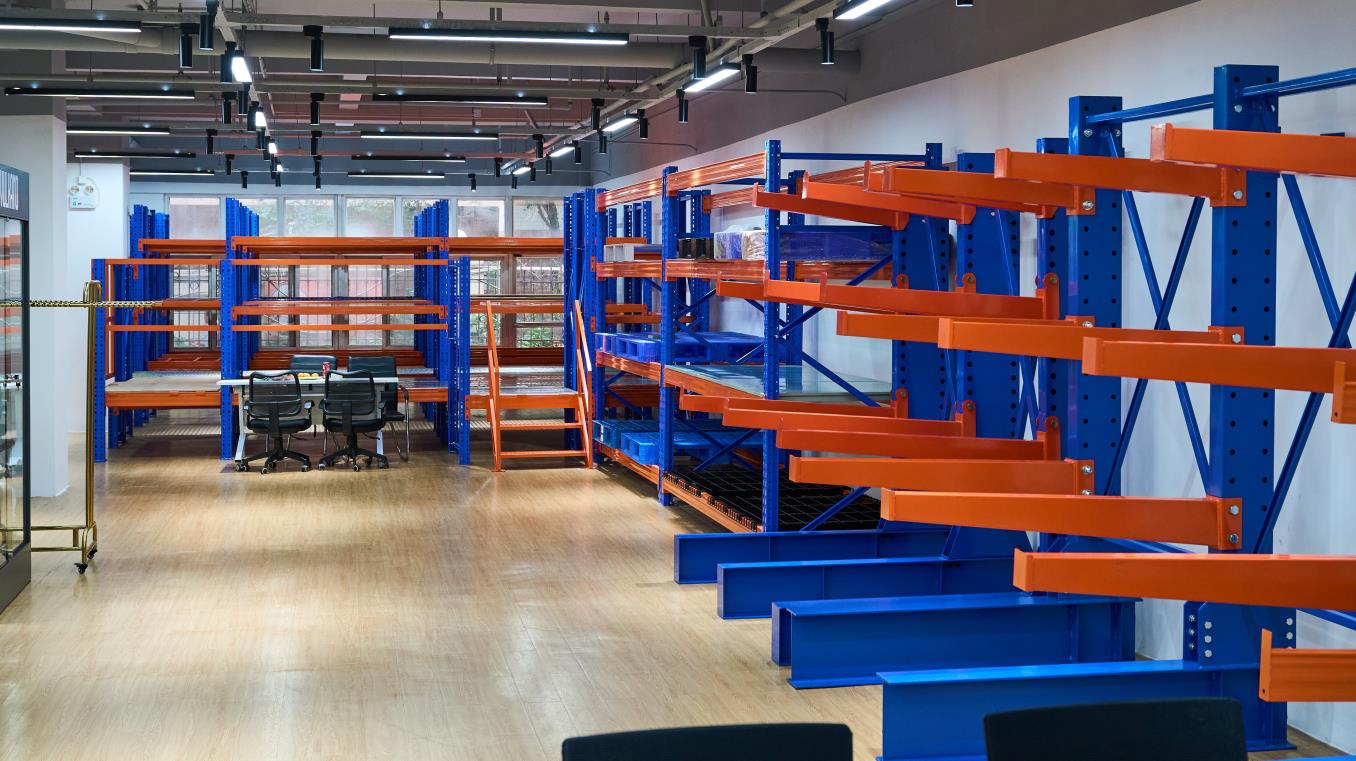
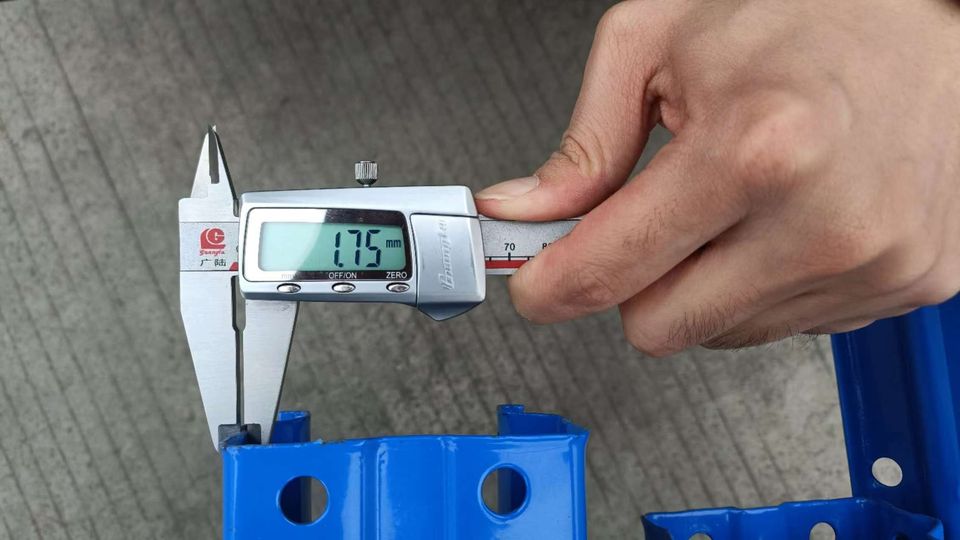
The transition from analog static warehousing to smart, dynamic, and seismic-braced automated racking structures.
"As distribution sites scale vertically, standard static load models are insufficient. Finite Element Analysis (FEA) combined with real-time strain-gauge data is now required to model dynamic stress events under robotic operations and seismic disturbances."
Looking ahead, the industrial storage sector is evolving across three key technical areas:
| Racking Structural Attribute | Light Duty Shelving | Roll-Formed Selective Racking | Structural Channel Racking | High-Density Shuttle Mezzanines |
|---|---|---|---|---|
| Load Capacity (per Level) | 50 kg - 150 kg | 500 kg - 2,500 kg | 1,500 kg - 5,000 kg | Up to 15,000 kg |
| Typical Steel Grade | Q195 / Q235B | Q235B / Q355B | Structural Steel ASTM A36 | Q355B Cold Formed Profiles |
| Impact Resistance | Low | Moderate | High (Heavy Duty) | Very High (Shear Restrained) |
| Seismic Compatibility | Standard | Engineered Options | Seismic Zones 3 & 4 | Custom Dynamic-Engineered |
| Surface Protection | Polyester Powder Coat | Epoxy-Polyester Coat | Hot-Dip Galvanized | Duplex Powder Coating |
How stackable warehouse configurations are customized to meet the operational demands of different industries.
Strict temperature control and material trace stability. Systems feature chemical-resistant epoxy coatings, stainless steel joint frames, and dynamic airflow designs to support cold-chain preservation.
High-turnover SKU profile environments. Focuses on modular flexibility, easy adjustment of shelf spacing, and integration with dynamic carton flow tracks for FIFO efficiency.
Heavy structural steel frames with thick dynamic floor-anchoring. Designed to store engine components, casting dyes, and steel coils with safety factor limits exceeding 1.5.
Galvanized metal systems resistant to thermal shock. Prevent metal embrittlement and oxidation down to -30°C, maximizing spatial density within expensive refrigerated space.
A breakdown of regional certifications and testing standards required for industrial storage equipment.
Navigating global compliance is a key challenge for supply chain managers importing industrial racking. Installing systems that fail to meet local building codes can lead to regulatory delays, insurance issues, or structural risks. Procurement teams should align their technical specifications with the relevant regional frameworks:
1. North America (RMI Standards & ANSI MH16.1): The Rack Manufacturers Institute (RMI) governs design and testing standards for industrial steel storage racks in the US. Compliance requires physical testing to verify component capacity under static and dynamic loads, alongside calculations that factor in local seismic risks.
2. Australia (AS 4084-2023): The updated AS 4084 standard outlines strict testing methods for structural uprights, baseplates, and beam connections. It requires specific testing to confirm tolerances under shear and torsional stress, along with regular structural inspections.
3. Europe (EN 15512 & FEM Guidelines): The European Committee for Standardization (CEN) enforces EN 15512, which uses limit state design principles to evaluate structural safety. Designs must also account for dynamic actions from handling equipment and systematic eccentricity tolerances.
Engineering and structural answers to common questions about industrial stackable storage configurations.
 CrownRacking