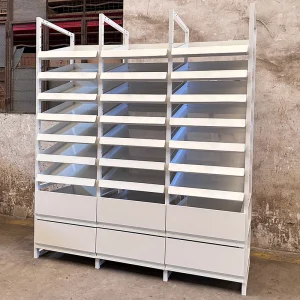
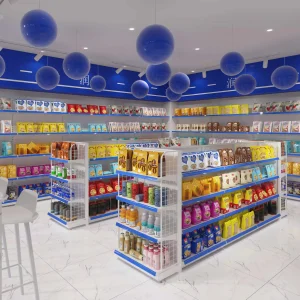
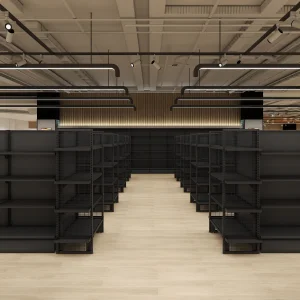
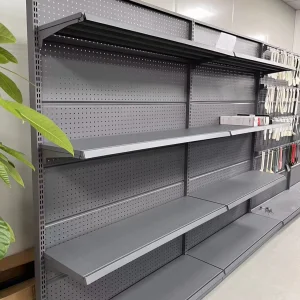
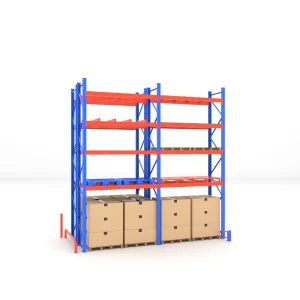
Top Trusted Adjustable Shelving Manufacturer & Factories

High-Density Industrial Storage & Intelligent Smart Warehousing Engineering Solutions Tailored for Global Enterprises.

46,500 m²
Production Complex
$42,000,000
Annual Export Revenue
62 Staff
QC Specialist Team
1,850+
Supply Chain Partners

Executive Summary: The Evolution of Global Adjustable Shelving Systems

In the modern, fast-paced logistics and retail environment, the demand for dynamic spatial optimization is at an all-time high. Heavy-duty adjustable shelving systems represent the structural backbone of warehouses, distribution hubs, and retail outlets worldwide. No longer treated as simple passive hardware, industrial racking is now recognized as a critical component in automated warehouse operations, high-density fulfillment centers, and complex omnichannel supply networks.

This whitepaper explores the critical engineering paradigms, manufacturing processes, and quality assurance workflows required to deliver high-density storage frameworks that withstand extreme static and dynamic loads. By analyzing the engineering methodologies of industry leaders such as Ningbo CrownRacking Intelligent Warehouse Tech Co., Ltd., we present an authoritative evaluation of adjustable shelving systems, from raw material chemistry to Factory 4.0 automation and international structural compliance.

Ningbo CrownRacking: Industry Leadership & Enterprise Scale

Pioneering heavy-duty and intelligent warehouse solutions since 2018, Ningbo CrownRacking Intelligent Warehouse Tech Co., Ltd. operates out of a state-of-the-art 46,500 m² production complex. Positioned strategically as a premier Factory Direct Exporter with Global Turnkey Project Services, the company leverages over 5 years of international trade operations and 8 years of industry-dedicated leadership to engineer systems that meet the stringent demands of global enterprises.

With an annual export revenue reaching $42,000,000, CrownRacking has built a resilient market footprint across key regions, including Australia, Northern Europe, and North America. Supported by a robust network of 1,850 supply chain partners, CrownRacking designs, manufactures, and deploys high-grade shelving systems for complex corporate operations, including pharmaceutical distribution networks, retail logistics parks, and heavy machinery warehouses.

Advanced Structural Engineering & Customized Integration

CrownRacking's R&D capability centers on High-Density Cantilever & Multi-Tier Mezzanine Engineering. To facilitate seamless integration into diverse global operations, the company offers extensive custom options, including specialized seismic-bracing, custom RAL color matching, and heavy-duty rack protectors. In the past year alone, their R&D division—comprising 54 R&D engineers—introduced 85 new product launches, showcasing a rapid pace of continuous innovation.

Global Procurement Demands & Mechanics of Load-Bearing Racking

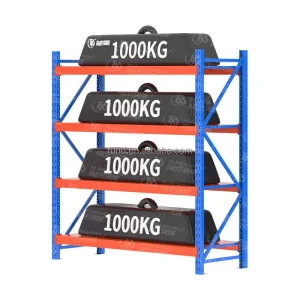
Procurement officers evaluating industrial-grade shelving systems must prioritize raw material classification and mechanical performance metrics to prevent catastrophic structural failures. High-density warehouse environments demand cold-rolled steel alloys—specifically Q235B and Q355 carbon steel—designed to maintain physical integrity under massive, continuous loads.

The mechanical performance of an adjustable shelving system is dictated by key variables:

  • Deflection Limits (L/200 & L/300): The ratio of beam length to deflection must remain strictly controlled under full weight loads to prevent structural bending or dynamic instability.
  • Seismic Hazard Engineering: Custom vertical and horizontal diagonal bracing configured to dissipate seismic energy, complying with AS4084 (Australian Standard) and RMI guidelines in the US.
  • Impact Resistance: Base plates, post protectors, and high-visibility end-of-aisle safety barriers designed to withstand forklifts and AGV collisions.

To satisfy the strict standards of modern cold-chain and heavy machinery facilities, load-bearing capacities are subjected to finite element analysis (FEA) models. This digital simulation optimizes the shape and perforation pattern of upright frames, minimizing steel usage while maximizing load-bearing efficiency.

China Factory 4.0: Supply Chain Resilience & Smart Production

China's manufacturing landscape has transitioned from basic mechanical assembly to smart cyber-physical systems. At CrownRacking's 46,500 m² modern production facility, Factory 4.0 strategies are integrated across all manufacturing processes:

  • Automated Roll-Forming Lines: Continuous, high-precision roll forming ensures that steel profiles and uprights are pressed with millimeter-level accuracy, maintaining structural consistency throughout production runs.
  • Robotic Welding Cells: High-frequency automated robotic welding produces seamless connections on support beams, minimizing thermal distortion and joint vulnerabilities.
  • Advanced Electrostatic Powder Coating: Automated multi-stage pretreatment combined with specialized thermosetting powder coatings ensures uniform thickness, protecting components from humidity, abrasion, and industrial chemical exposure.

This scale of automation, supported by 1,850 supply chain partners, provides unmatched flexibility. It allows CrownRacking to maintain consistent output while remaining resilient against raw material price swings and transport interruptions, keeping lead times short and dependable.

Quality Control Metrology & Stress Testing

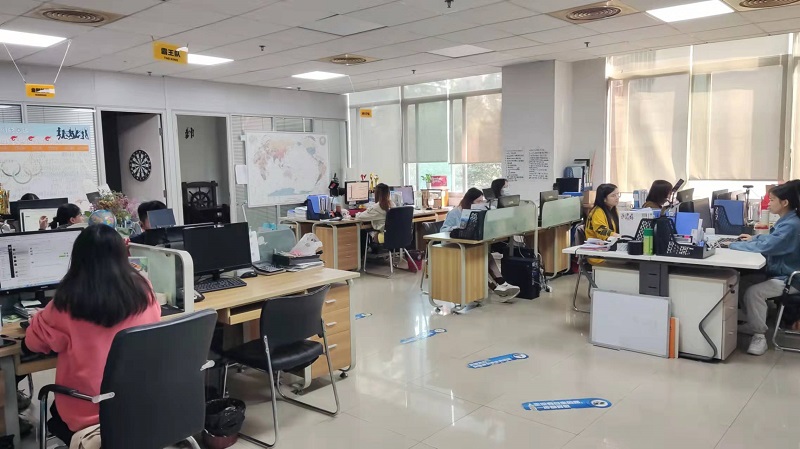
Ensuring high structural reliability requires rigorous, multi-tiered testing protocols. CrownRacking achieves this through a 62-member Quality Control team that implements Full-Cycle In-Line & Final Stress Load Inspections across the entire production sequence.
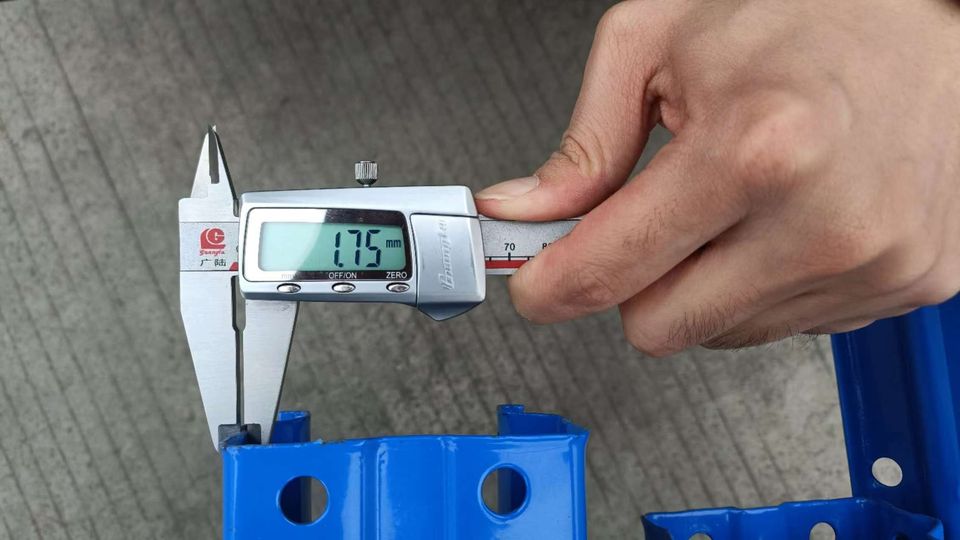
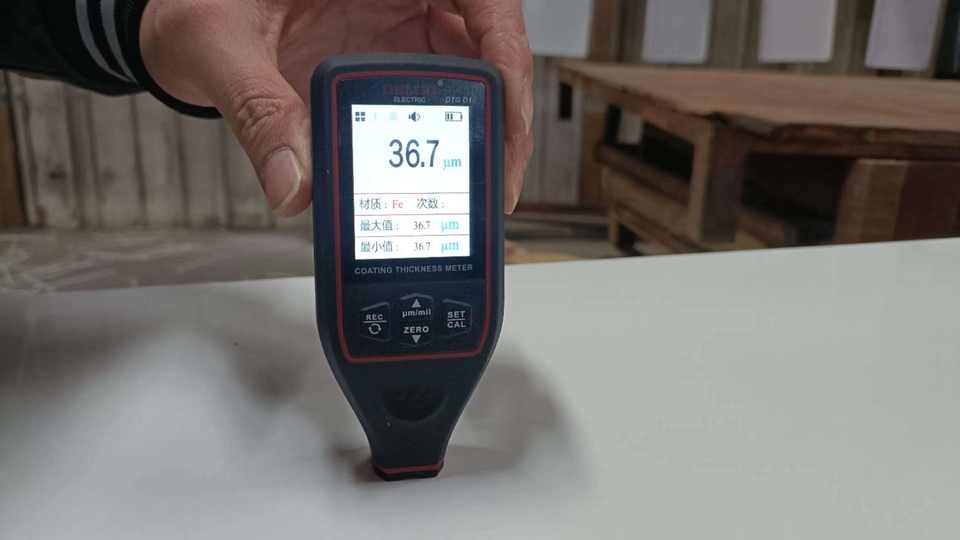
Quality control workflows utilize high-precision metrology tools, including:
  • Laser Coordinate Measuring: Verifies dimensional tolerances of punched holes, hooks, and connectors down to micrometric variances, ensuring simple assembly and even load distribution.
  • Coating Thickness Verification: Standardized electromagnetic gauges measure paint thickness to confirm dry-film properties, ensuring durability under harsh operational conditions.
  • Mechanical Stress Load Testing: Hydraulic testing rigs apply force to finished shelving frames to verify yield and ultimate strength, ensuring safe operations at rated capacities.

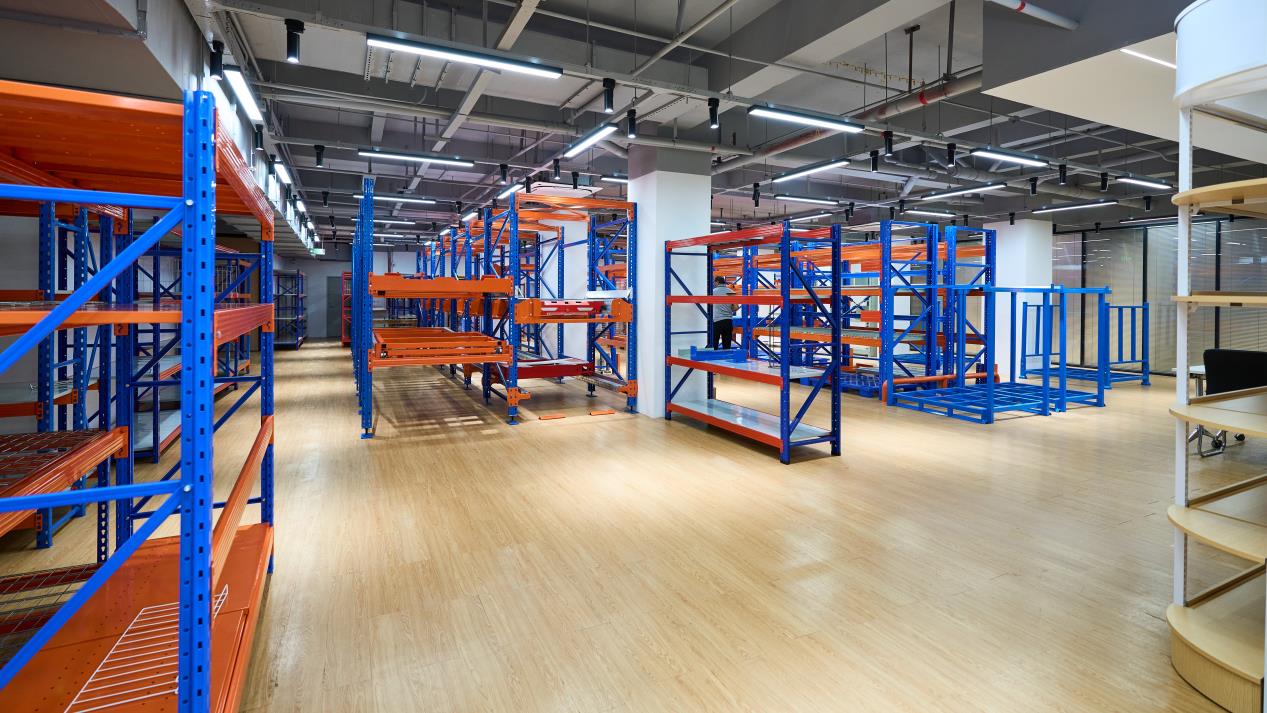
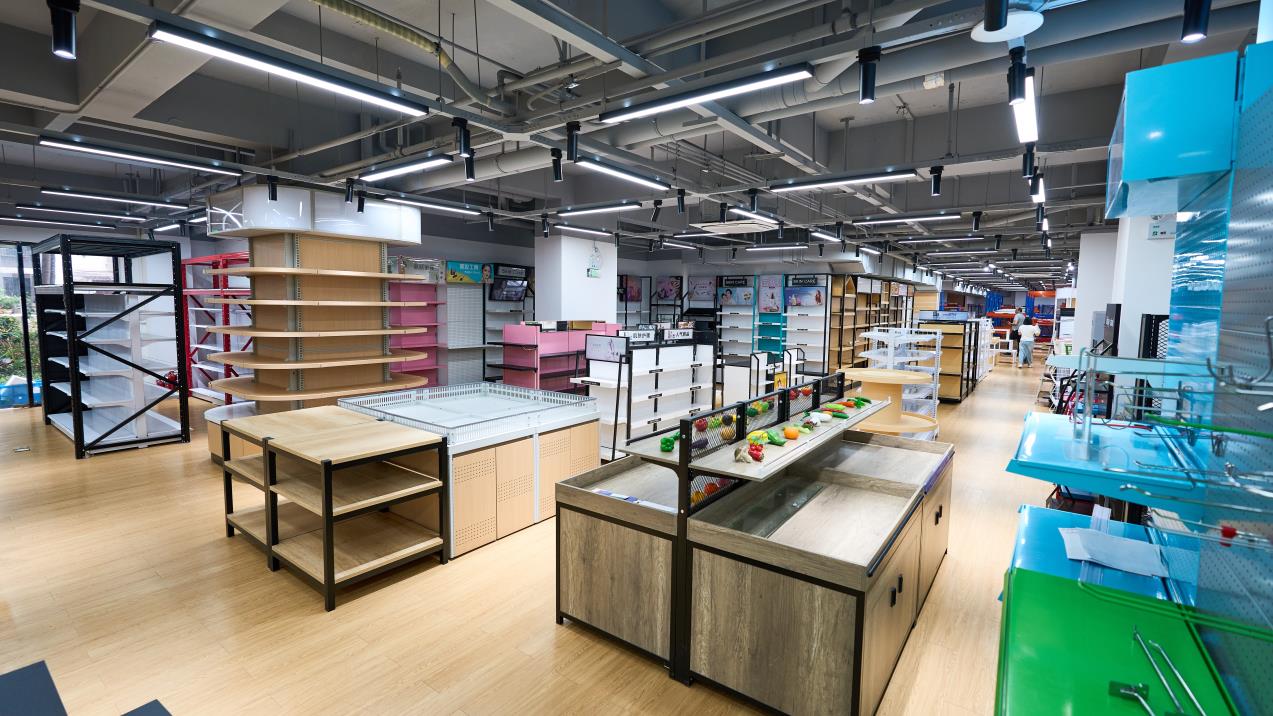
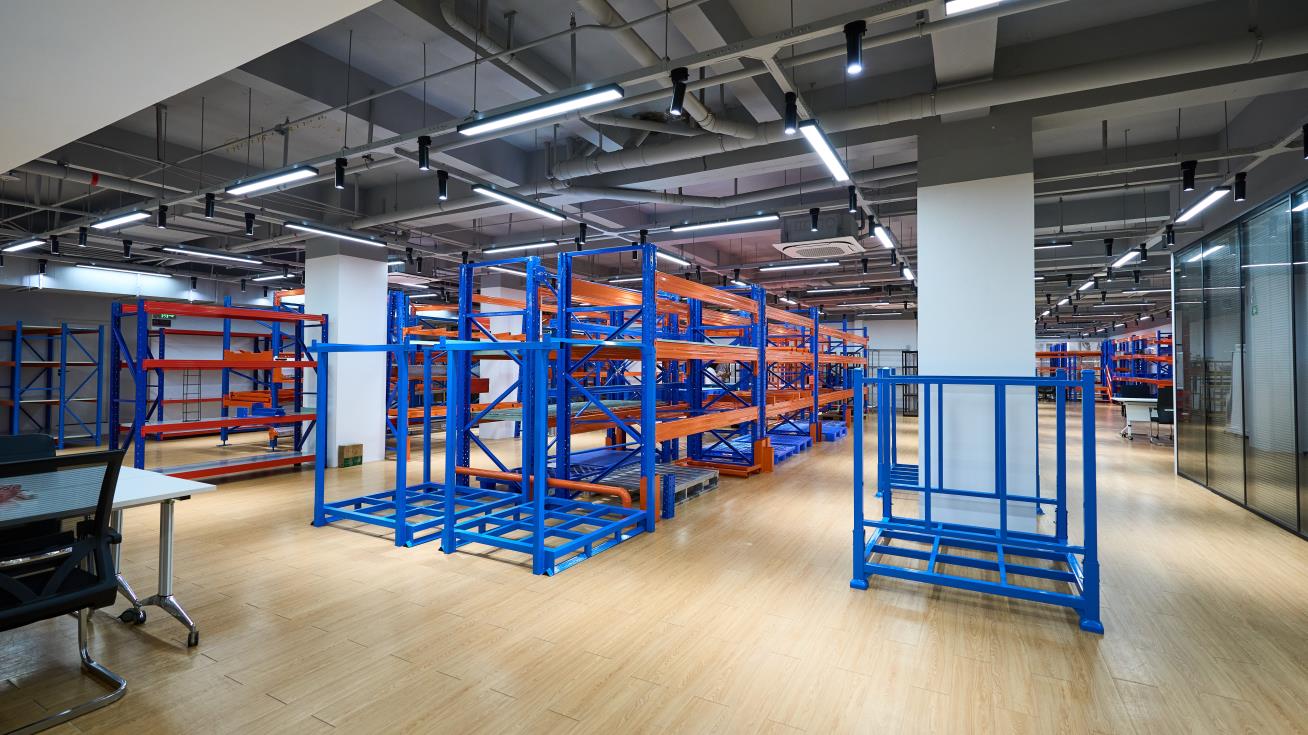
Ningbo CrownRacking Production Facilities & Processes

Macro-Industry Solutions & Vertical Applications

Modern storage environments require shelving systems engineered for specific operational contexts. Standardized solutions often fall short in specialized industries:

  • Pharmaceutical & Cold Chain Networks: These facilities require high-density, anti-microbial wire-mesh shelving or galvanized racks to support temperature-controlled environments down to -30°C. Heavy wire shelving units with up to 500kg capacity ensure proper airflow and resist rust.
  • Logistics & E-Commerce Fulfillment Parks: High-throughput fulfillment environments rely on multi-tier mezzanine engineering and long-span metal shelving to optimize vertical space and accommodate dynamic SKU profiles.
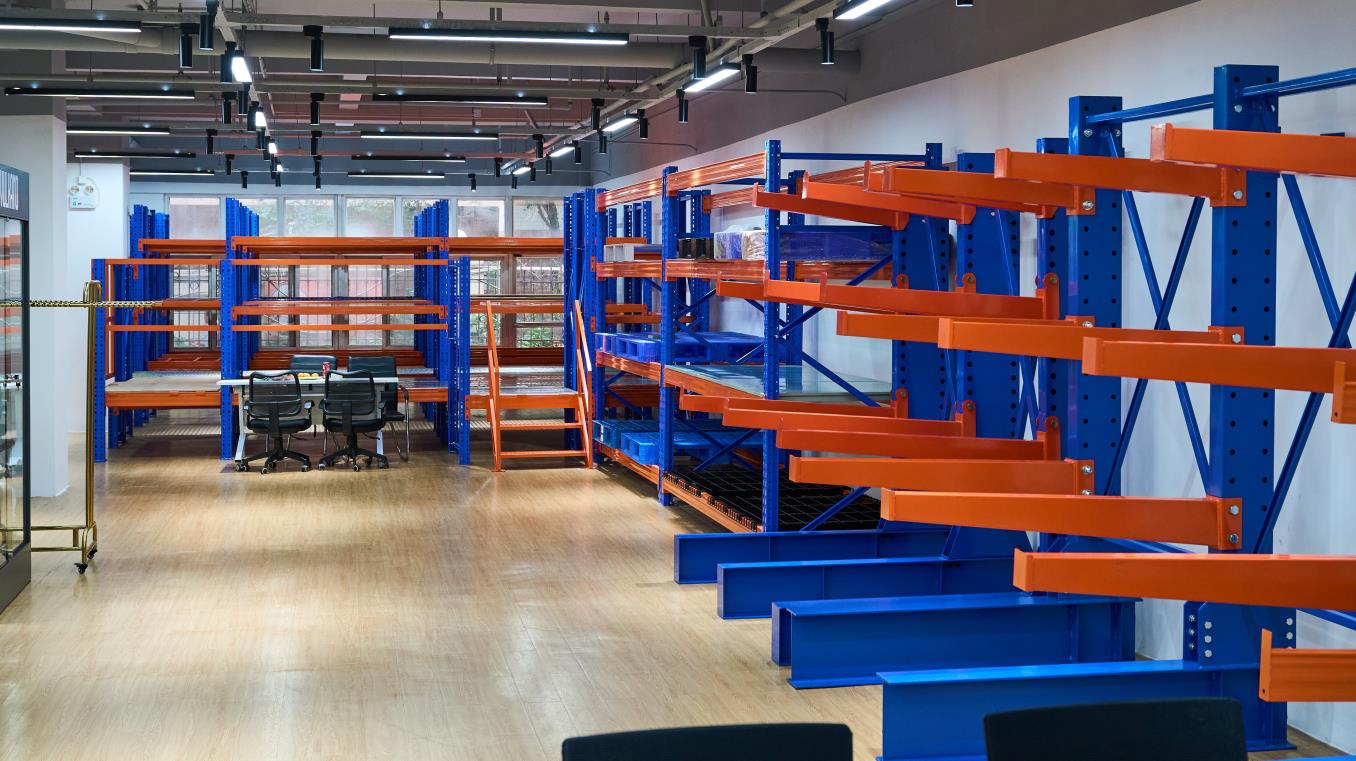
  • Heavy Industrial Manufacturing & Automotive: Storing heavy machinery parts, steel coils, and dies requires robust, heavy-duty cantilever systems. These open-front profiles allow overhead cranes and specialized side-loading forklifts to handle large, non-standard items safely.

Technology Roadmap & Future Outlook

The storage industry is transitioning from passive steel frames to intelligent, data-driven warehousing platforms. Industry trends highlights several key developments:

Smart Shelving Integration (IoT & Automated Systems)

Future designs will incorporate load-sensing strain gauges and IoT modules directly into support beams. These components monitor weight and deflection in real time, alerting operations when load limits are exceeded or structural stress is detected.

Other key developments on the technology roadmap include:

  • AGV and AMR Optimization: Frame designs are being updated with guide paths, magnetic tracking markers, and lower clearance heights to interface seamlessly with Automated Guided Vehicles and Autonomous Mobile Robots.
  • Green Steel & Sustainable Powder Coatings: Factories are adopting zero-VOC electrostatic powder coatings and green steel alloys, helping global buyers meet Scope 3 carbon reduction goals.
  • Modular Reconfigurability: Research continues on toolless locking mechanisms that allow warehouse personnel to reconfigure storage bays quickly as SKU sizes change.

Localization Support & Regulatory Compliance

Deploying heavy racking internationally requires compliance with local structural standards. Industrial systems must adhere to regional guidelines to pass inspection and ensure worker safety:

  • Europe (EN 15512 & EN 15620): Regulates calculation methods, structural tolerances, and safety clearances for steel static storage systems.
  • North America (RMI MH16.1): Specifies requirements for testing, designing, and installing cold-formed steel racks, particularly under high seismic loads.
  • Australia (AS 4084-2012): Dictates strict load testing and structural design specifications for steel storage racks.

Working with manufacturers who offer complete turnkey installation and local engineering support helps streamline the approval process, preventing structural non-compliance and installation delays.

FAQ: Expert Procurement Advice on Industrial Adjustable Shelving

Q1: How do Q235B and Q355 carbon steel compare for heavy-duty racking?
A1: Q235B carbon steel is standard for light-to-medium-duty racks due to its balance of weldability and cost. For heavy-duty racking, Q355 steel is preferred because of its higher yield strength (355 MPa compared to 235 MPa). This higher strength allows for columns with thinner profiles to support heavier loads safely, reducing total structure weight.
Q2: What is the significance of the deflection ratio limits?
A2: The deflection ratio measures how much a beam bends under load. A limit of L/200 means deflection cannot exceed 1/200th of the span, which is common for standard warehousing. For automated retrieval systems (AS/RS), a tighter limit of L/300 is required to prevent sagging, ensuring cranes and robotic lifts can interface with shelves without hitting obstacles.
Q3: Why are wire mesh decks preferred over solid steel shelves in cold chain facilities?
A3: Wire mesh shelving allows air to circulate freely, ensuring consistent temperatures throughout cold storage facilities. Additionally, wire mesh permits water from overhead fire sprinklers to pass through, meeting safety standards that restrict solid decking.
Q4: What certifications should I check for prior to procurement?
A4: For structural safety and quality control, verify that the manufacturer is certified under ISO 9001:2015. Additionally, confirm that their designs comply with local structural standards, such as AS 4084 for Australia, RMI MH16.1 for the US, and EN 15512 for Europe.