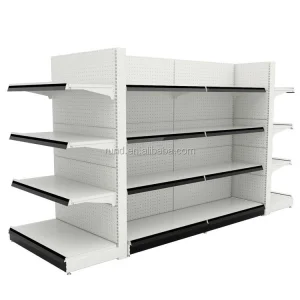
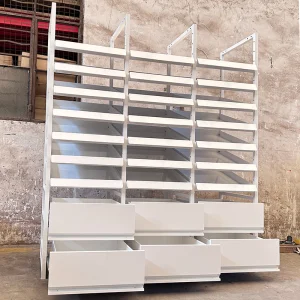
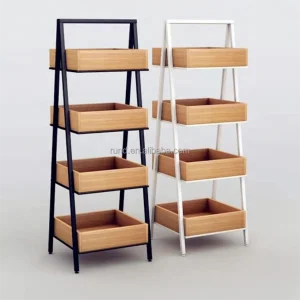
Engineered for immediate deployment across Sydney, Melbourne, Brisbane, and regional Australian industrial parks.
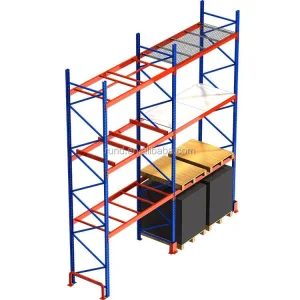
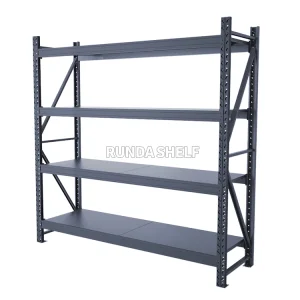
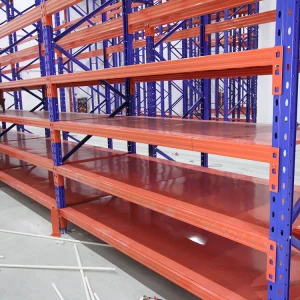
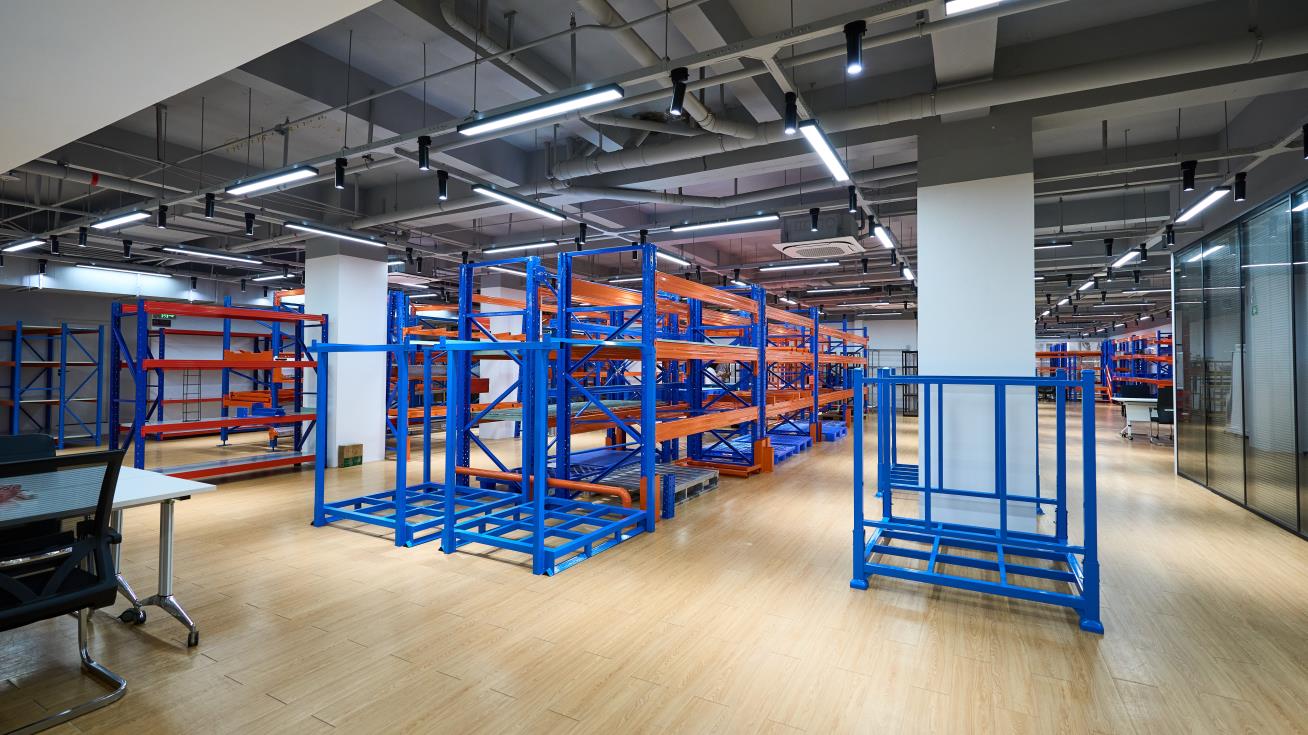
Australia’s unique geography demands highly optimized logistics infrastructure. Across key industrial hubs like Western Sydney, Melbourne West, and Brisbane Gateway, warehouses are facing unprecedented space constraints, skyrocketing land values, and surging operational costs. Modern logistics operators can no longer afford inefficient floor plans. The industrial sector is actively transitioning from horizontal storage layouts to high-density vertical solutions.
As a result, high-durability beam shelves and structural heavy-duty pallet racking systems are the backbone of this transformation. Structural capacity, absolute stability, and modular compliance with Australian racking safety guidelines are non-negotiable requirements. When importing systems for these markets, supply chain managers require direct access to manufacturing plants that understand these regional nuances and load dynamic regulations.
Industrial developments in Victoria and New South Wales show a 35% year-on-year increase in clear height requirements, demanding advanced racking structural rigidity to prevent horizontal sway and structural deflection.
Understanding these specifications helps logistics and procurement leads avoid major liability issues, racking failures, and compliance bottlenecks during local worksafe audits.
Global sourcing for commercial and industrial projects has matured beyond simple unit-price comparisons. Smart enterprises prioritize the Total Cost of Ownership (TCO), which factors in structural longevity, safety ratings, configuration flexibility, and transit reliability. Relying on an unstructured supply chain introduces risks such as off-spec steel components, delivery delays, and failed local engineering approvals.
Leading industrial developers mitigate these risks by partnering directly with integrated factories that hold verified certifications (such as ISO 9001 and CE) and have a proven track record of handling high-volume turnkey projects. A direct-from-factory model ensures transparent quality control, custom profile shaping, and consistent batch coating, resulting in long-term operational peace of mind.
Before placing bulk orders for industrial projects, verify that your manufacturer provides:
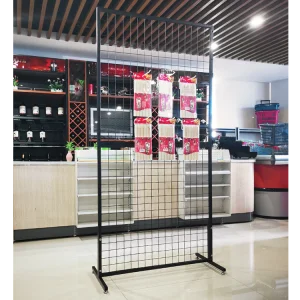
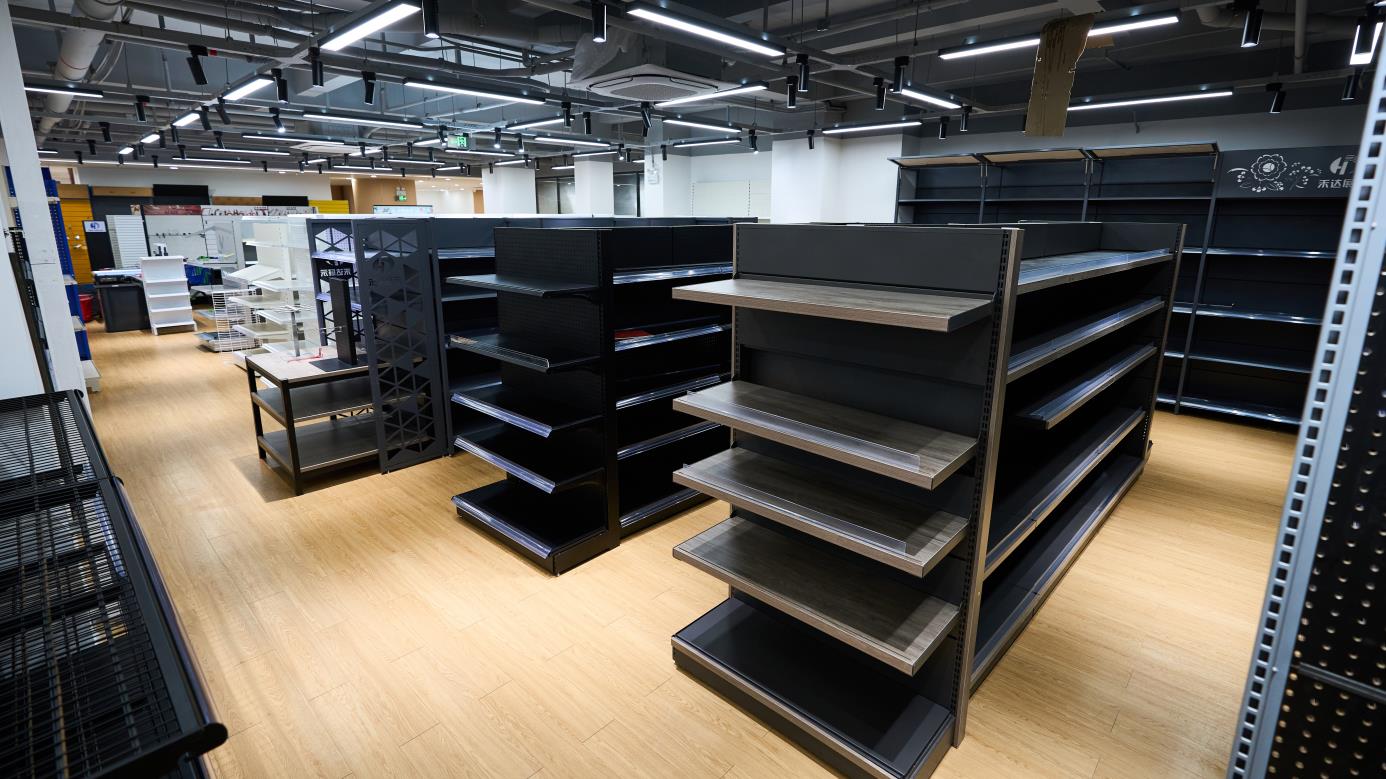
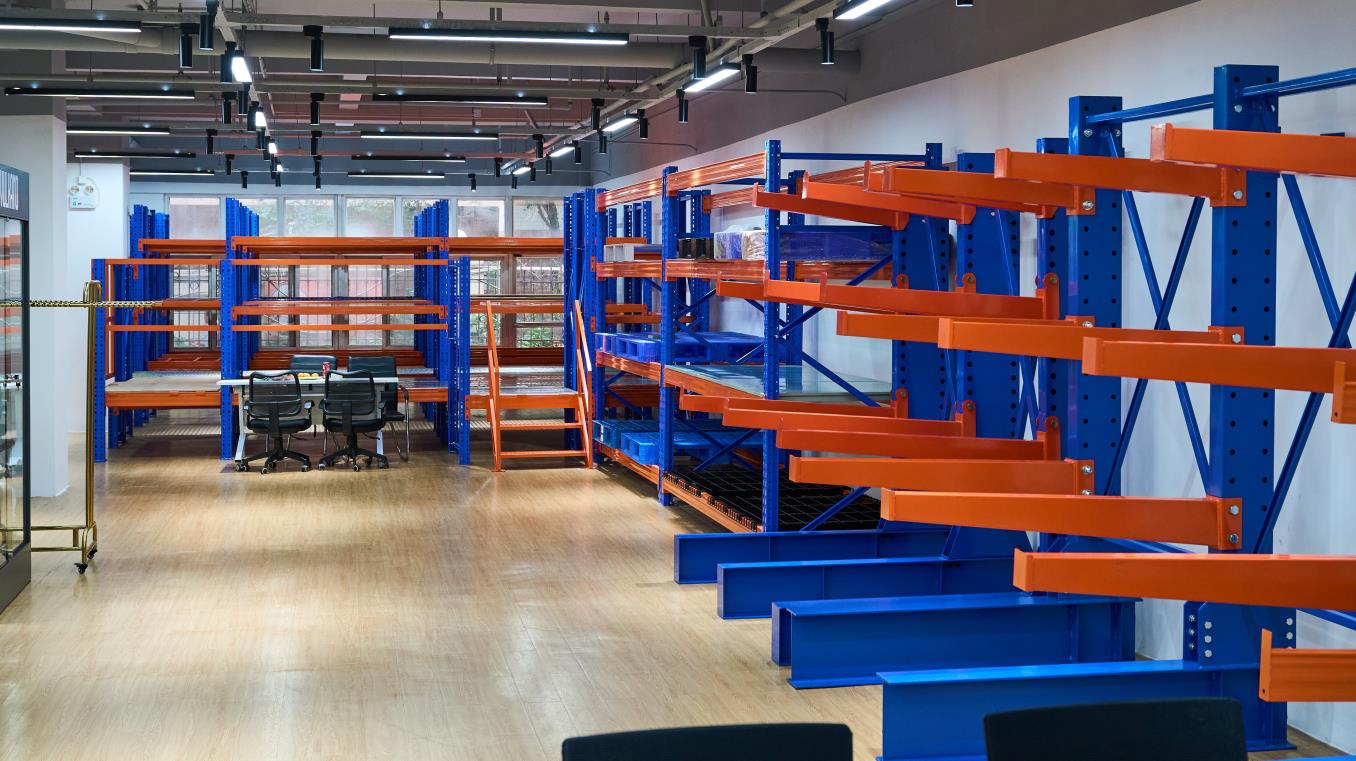
From heavy-duty cantilever supports to high-volume FMCG grid systems, explore our specialized configurations.
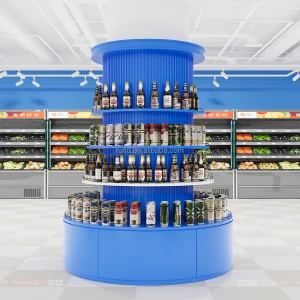
Why structural stability starts at the engineering table, backed by our 46,500 m² state-of-the-art facility.
A beam shelf is not simply a piece of folded metal. It is an engineered safety device that supports multi-ton pallets above workers and equipment. Our technical department runs advanced finite element analysis (FEA) to simulate buckling modes, twist deformation, and localized stress concentrations on every rack design.
By utilizing high-grade steel sheets processed on computer-controlled multi-stage rolling lines, we maintain consistency in every upright post profile and beam box section. The precision of our connection tabs ensures seamless hook-and-beam interlocking, preventing torsion-induced release during load insertion.
Environmental factors can rapidly degrade steel surfaces, leading to oxidation and structural weakness. Our automatic pre-treatment process includes multi-stage acid pickling, phosphating, and deionized water rinsing.
This is followed by an electrostatic powder coating application and high-temperature curing. The resulting hard, uniform, and scratch-resistant coating easily resists typical warehouse knocks, impact damage, and chemical exposures.
Exploring the integration of advanced racking infrastructure with automated supply chain technologies.
Modern logistics hubs are rapidly transitioning toward automation. Racking systems are no longer passive steel frame structures. Today, they act as the dynamic structural backbone for automated guided vehicles (AGVs), shuttle systems, and high-speed cranes.
To support these advanced technologies, racking tolerances must be kept within millimeter-level variations. Small structural shifts or misalignments can cause AGV sensors to fault, halting picking workflows. Our engineering team specializes in producing high-precision, low-tolerance rack components designed for seamless automation integration.
Engineered to high-precision tolerances for seamless integration with radio shuttles and automated cranes.
Provisioned for strain-gauge sensor integration to monitor load deflection and detect impacts in real-time.
Manufactured utilizing eco-friendly powder coatings and 100% recyclable structural steel profiles.
Crucial regulatory expectations for steel storage racking installations in Australia.
In Australia, warehouse storage systems must comply with the strict guidelines of AS 4084 (Steel Storage Racking). These standards outline design requirements for structural analysis, load capacity documentation, installation tolerances, and ongoing safety checks.
Under local worksafe regulations, it is mandatory to display clear, visible load boards at the end of every racking run. These signs must show the safe working limits for each beam level, total bay capacity, and supplier design information.
Furthermore, annual structural inspections are required by certified auditors to evaluate structural upright damage, beam deflection, and footplate anchor integrity. Non-compliant setups run the risk of worksite shutdowns, structural failures, and significant legal liability.
Ningbo CrownRacking Intelligent Warehouse Tech Co., Ltd.
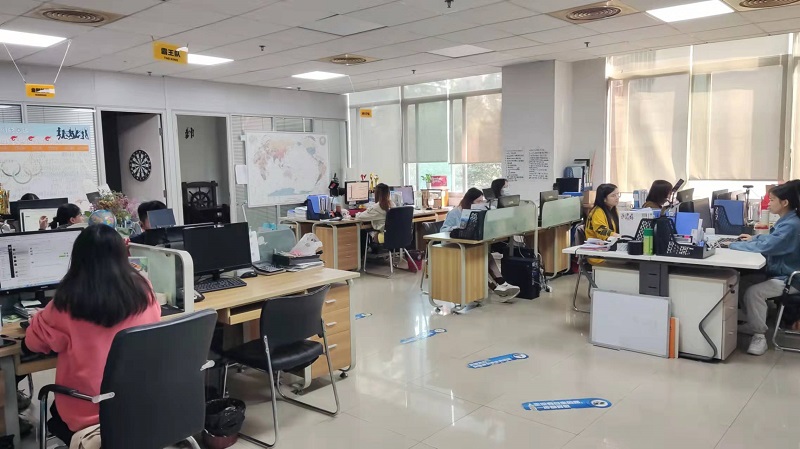
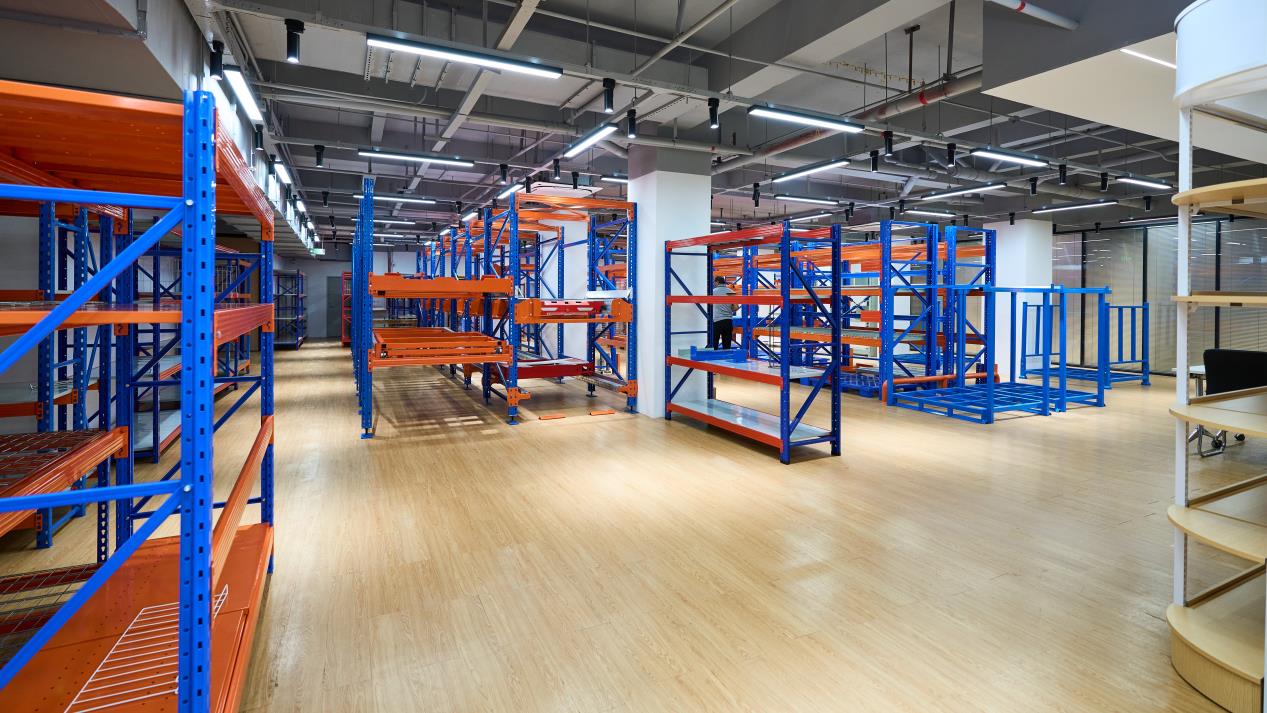
Established in 2018, Ningbo CrownRacking Intelligent Warehouse Tech Co., Ltd. has been pioneering warehouse solutions from its modern 46,500 m² production complex. Backed by 5 years of international trade experience and 8 years of industry-dedicated leadership, we maintain an annual export volume of $42,000,000.
Our primary target markets include Australia, Northern Europe, and North America, serving major client types like pharmaceutical distribution networks, retail logistics parks, and heavy machinery warehouses. Supported by 1,850 supply chain partners, we ensure our global clients receive top-tier, reliable solutions.
Our R&D team, comprised of 54 experienced engineers, drives innovation and custom solutions, resulting in 85 new product launches over the past year. We offer tailored design choices ranging from custom RAL color matching to specialized seismic bracing and customized column guards.
To ensure absolute safety and quality, we run a rigorous Full-Cycle In-Line & Final Stress Load Inspection program led by our 62 QC staff members. The testing process utilizes advanced equipment, including Laser Coordinate Measuring Machines and Coating Thickness Testers, to verify structural integrity and powder coat durability.
From initial spatial CAD layouts to final ocean transport containers, we provide global logistics developers with comprehensive project support, engineering drawings, and structural capacity certificates.
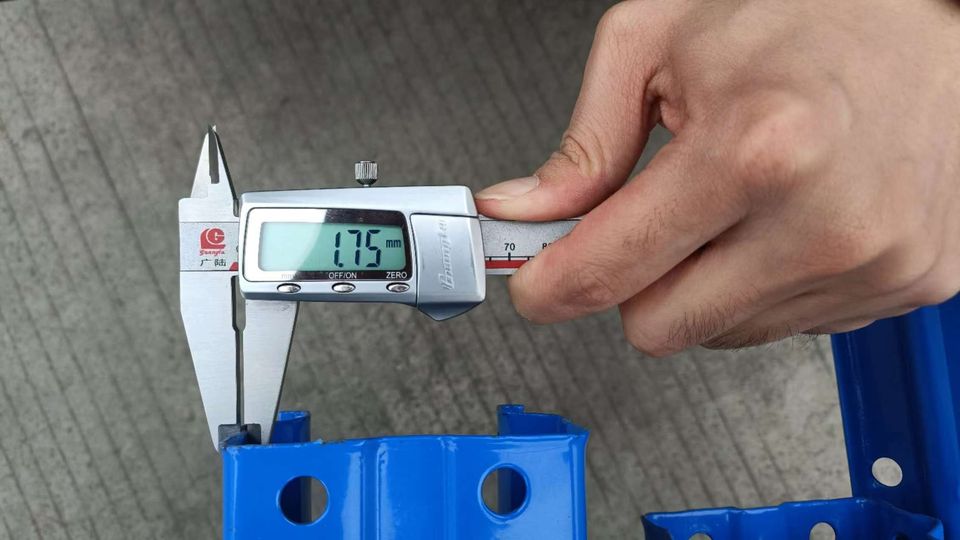
Caliper Measurement Verification
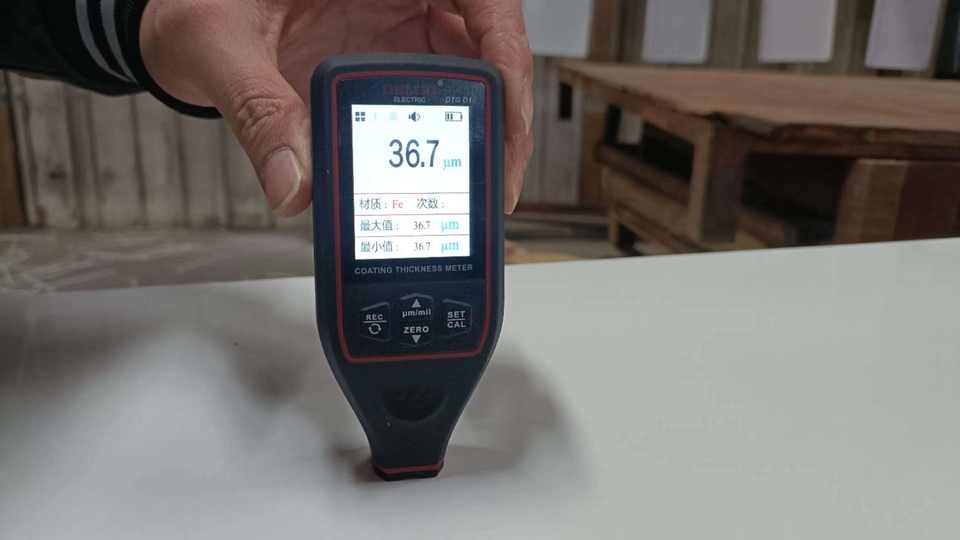
Coating Thickness Testing
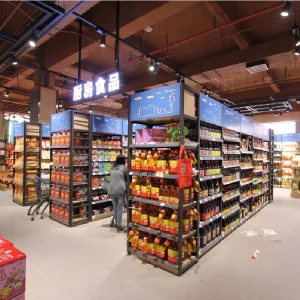
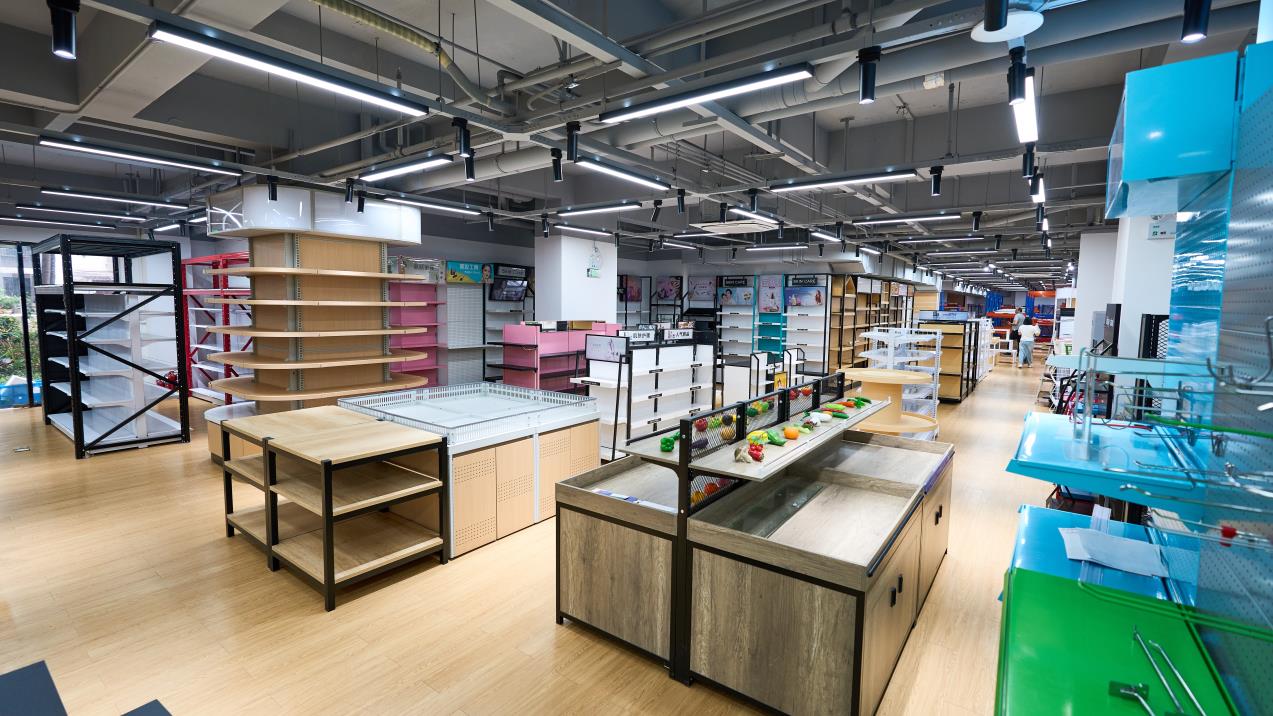
Manufactured to international standards, optimized for commercial applications and retail storage networks.
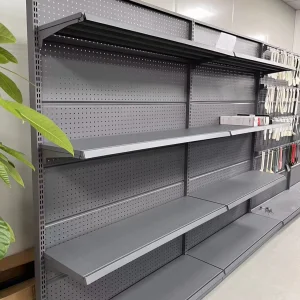
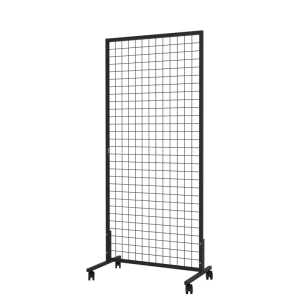
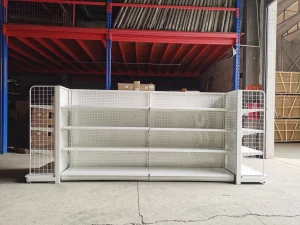
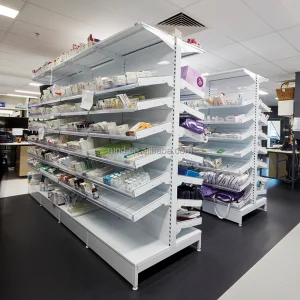
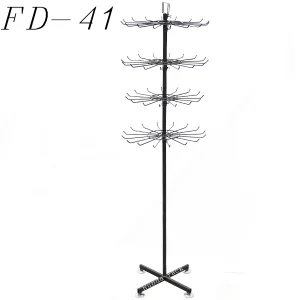
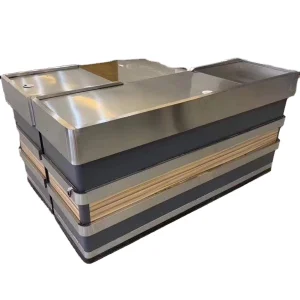
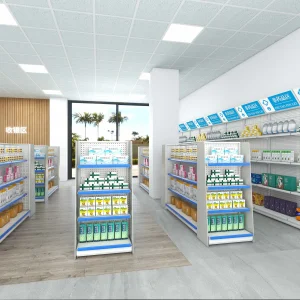
Technical clarity on storage rack standards, project planning, and direct factory procurement.
Yes. Our industrial pallet racking and beam shelf configurations are engineered to meet the structural parameters defined by AS 4084 (Steel Storage Racking). We conduct exhaustive material and mechanical stress load testing to ensure all structural uprights, box beams, and locking connectors withstand the target design loads safely. If your regional council or worksafe auditor requires structural engineering computations, we can provide technical sheets and drawings to support your certification process.
Typically, manufacturing takes 20 to 30 days depending on the project volume and customization needs (such as specialized powder coating colors or custom frame heights). Shipping transit from our factory to major Australian container ports (Sydney, Melbourne, Brisbane, Adelaide) averages 12 to 18 days. We recommend allocating a total lead time of 6 to 8 weeks from final design sign-off to delivery at your logistics warehouse site.
We mainly use high-quality structural steel grades Q235B and Q355B (which compare directly to Australian steel structural standards). For our surface finish, we apply a multi-stage pre-treatment wash (acid clean, phosphate coating, rinse) followed by an electrostatic powder coat. This creates a durable, impact-resistant finish that protects your racking against corrosion and rust, even in cold-storage or humid coastal warehouses.
Absolutely. Our technical department has 54 R&D engineers specialized in creating custom storage setups. We regularly design tailor-made racking heights, custom load profiles, non-standard beam lengths, and bespoke cantilever systems to optimize warehouse space and clear height. We can also color-match components to your brand using RAL color standards.
We implement a strict quality control workflow managed by 62 specialized QC inspectors. Every production run undergoes In-Line and Final Stress Load Inspections to verify component integrity. We utilize high-precision Laser Coordinate Measuring Machines (CMM) to check frame dimensions, along with digital testers to verify coating thickness. Mill certificates and stress test reports are provided for all major orders.
In accordance with Australian standards, every installed racking unit must feature an enduring load placard placed in a highly visible position at the end of each racking run. These placards must state the maximum load limit per beam level, the maximum unit load, the maximum load per bay, and detail structural information about the manufacturer and design limits. Operating racking systems without these signs is a major compliance risk under local workplace health and safety laws.
 CrownRacking