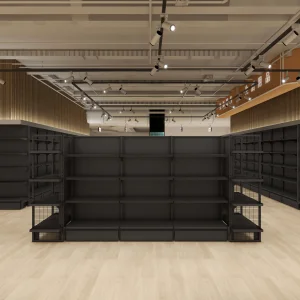
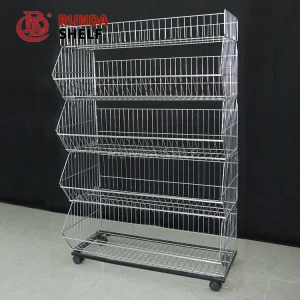
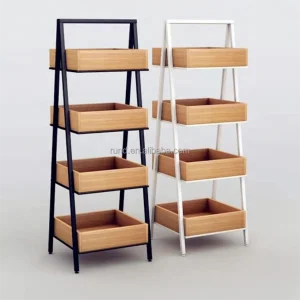
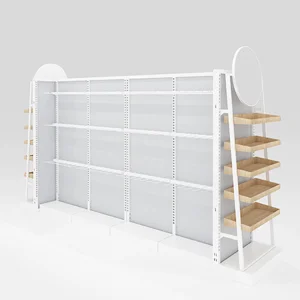
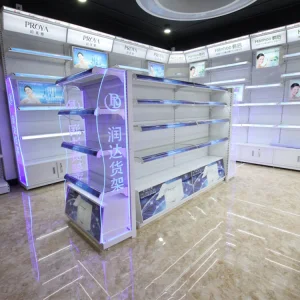
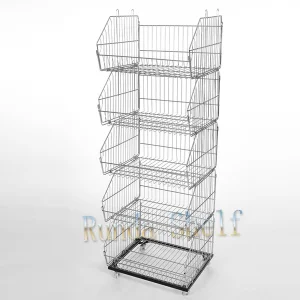
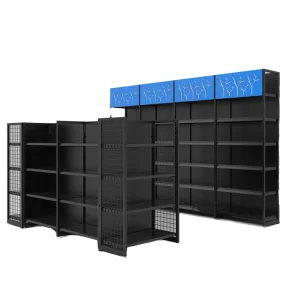
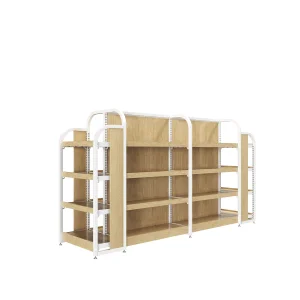
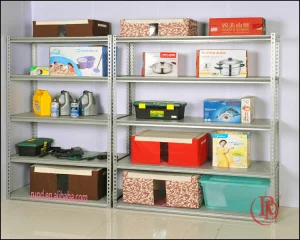
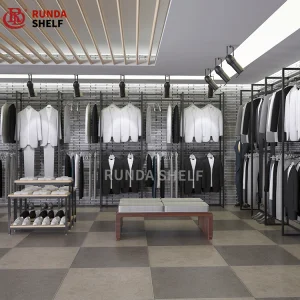
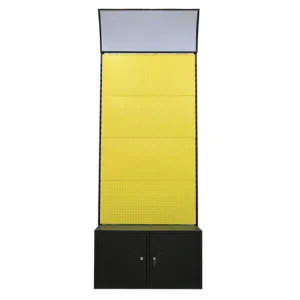
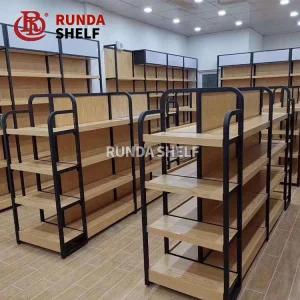
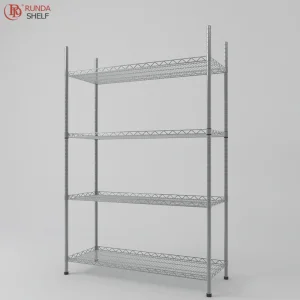
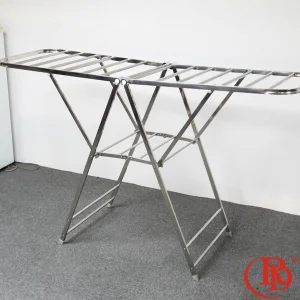
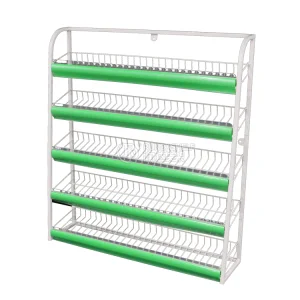
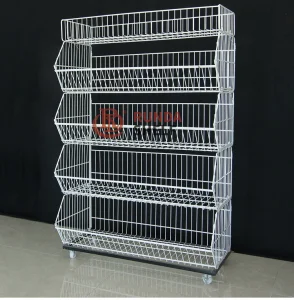
Engineered display shelf solutions designed to optimize floor visualization, enhance consumer pathways, and support maximum structural load-bearing parameters.
The Indian retail ecosystem is undergoing an unprecedented structural transition. Propelled by rapid urbanization, rising disposable incomes, and a significant shift from unorganized Kirana stores to organized retail formats (hypermarkets, supermarkets, and boutique lifestyle centers), the demand for high-performance retail storage and display solutions has scaled exponentially. As of 2024, the Indian retail market is valued at over USD 800 billion, with organized retail maintaining a compound annual growth rate (CAGR) exceeding 15%.
This commercial mutation requires more than standard shelf installations; it necessitates highly specialized engineering capabilities. Stores in Tier-1 cities like Mumbai, Delhi NCR, Bangalore, and Chennai face severe space constraints combined with exceptionally high footfall densities. Display fixtures must optimize vertical space, ensure compliance with international safety protocols, prevent structural deflection under heavy local product assortments (such as bulk pulses, grains, and heavy brassware), and withstand local tropical microclimates without rusting.
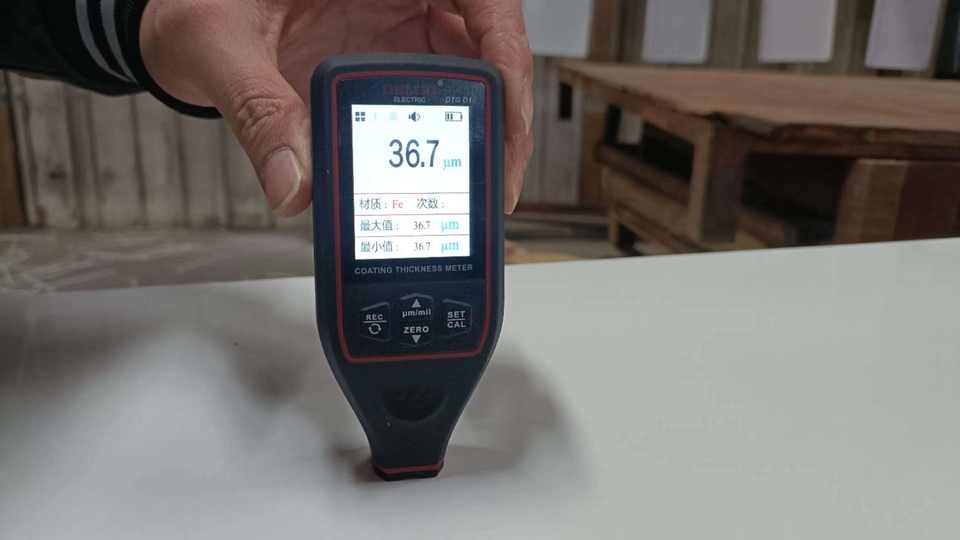
Information Gain Insight: Unlike Western markets where retail environments are highly climate-controlled and standard modular shelving suffices, the Indian subcontinent demands specialized surface treatments. High relative humidity in coastal trade hubs (e.g., Chennai, Mumbai, and Kolkata) dictates the use of advanced electrostatic powder coating techniques with specific dry film thickness (DFT) metrics to inhibit galvanic and atmospheric corrosion over long lifecycles.
Understanding the micro-markets within India is vital for proper deployment of display assets. Each industrial zone presents distinct operating challenges and visual requirements:
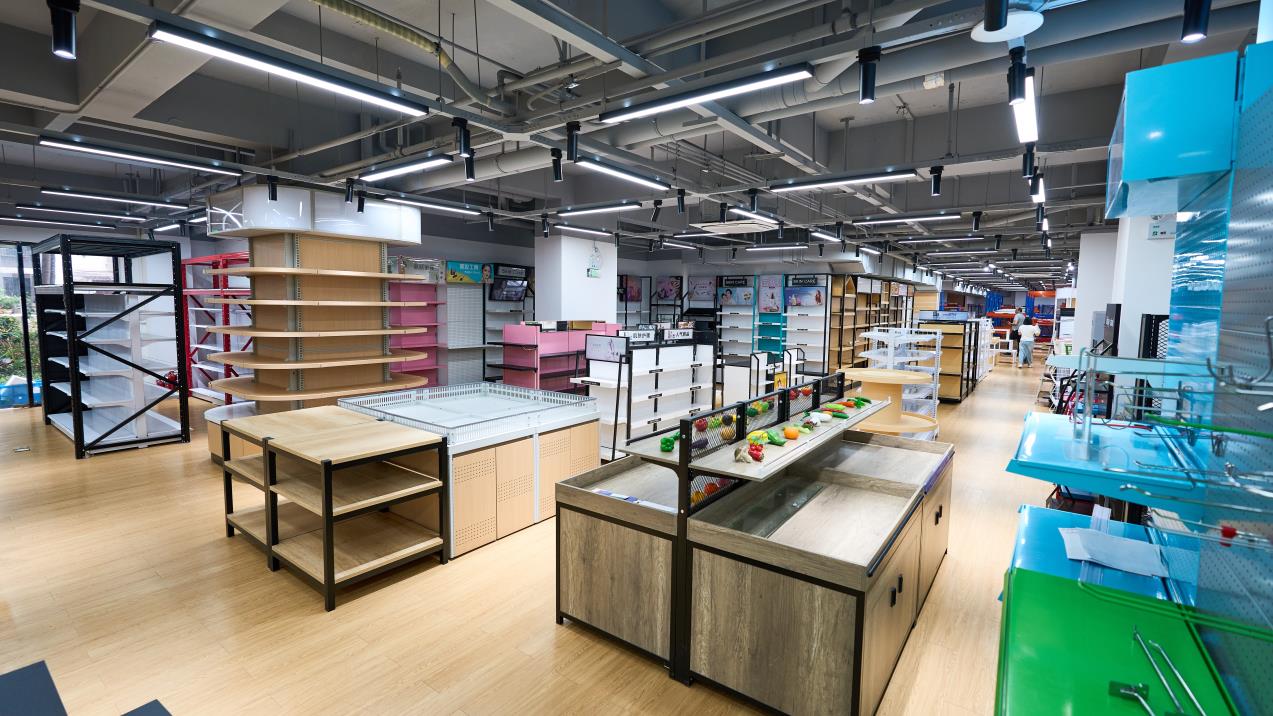
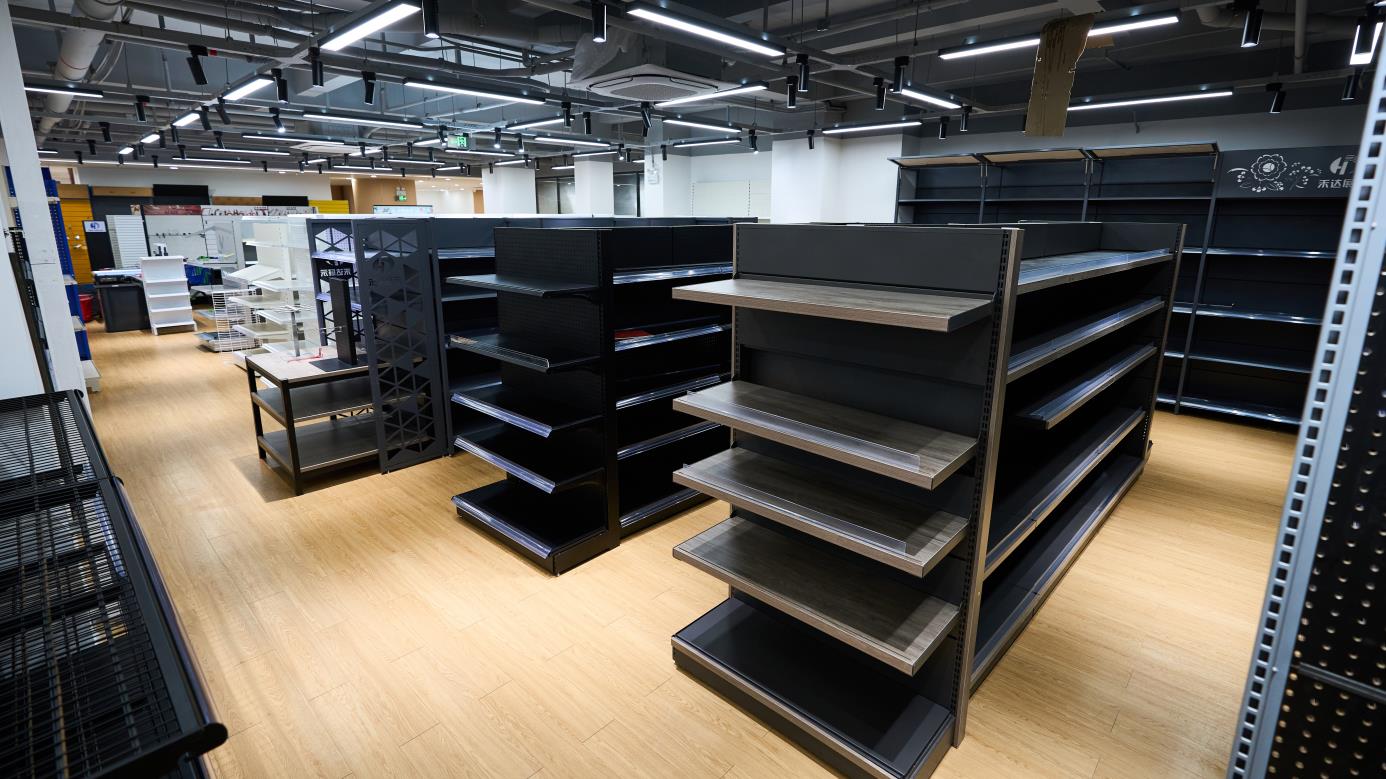
In metropolitan high-rent zones, maximize profit per square foot via multi-tier display shelves and modular steel-wood combinations. Micro-visual merchandising layouts (planograms) must adapt dynamically to fast-moving consumer goods (FMCG). The shelves must support rapid stock turnarounds and exhibit high impact resistance from heavily loaded customer trolleys.
As organized supermarkets extend to Tier-2 cities (such as Pune, Lucknow, Ahmedabad, and Coimbatore), display shelving must serve double-duty: high-volume storage at the bottom base shelves and premium visual marketing displays at eye level. This requires versatile structural uprights that can easily transition from light-duty cosmetic hangers to heavy-duty bulk grocery units.
The Indian pharmaceutical retail sector is modernizing rapidly. Pharmacies demand cold-rolled steel structures with clean, anti-microbial coatings. Shelving units must maintain perfect level alignments to prevent glass medicine containers from slipping and must allow airflow to align with local temperature management guidelines.
Engineered systems built for maximum structural integrity, optimized visibility, and aesthetic alignment in mid-sized commercial spaces across India.
The display shelf is evolving from a passive steel structural frame into an interactive, smart edge device. Leading operators in India are monitoring international trends to design future-ready stores. The technology roadmap for modernized shelving highlights several critical tracks:
Manual price updates are prone to human error and labor inefficiencies. Modernized shelves feature integrated rail systems designed to host wireless ESL modules. These interface directly with Central ERP systems, allowing real-time dynamic pricing changes across thousands of product SKUs instantly.
Utilizing micro-scale sensors embedded within the shelf panels, modern racking can measure remaining stock volume by weight. When the load drops below a certain threshold, the system automatically triggers a replenishment alert to the back-of-house warehouse management system (WMS).
Aligning with ESG (Environmental, Social, and Governance) targets, modern retail projects emphasize low-carbon footprint metals and responsibly sourced wood veneers. Using recycled steel without sacrificing tensile rating is a key focus area of current metallurgical research.
While local Indian fabricators exist, high-volume deployments, rigorous quality consistency, and complex customized projects are best supported by advanced manufacturing hubs. Ningbo CrownRacking Intelligent Warehouse Tech Co., Ltd. provides a premier manufacturing standard that combines large-scale industrial output with precise quality controls:
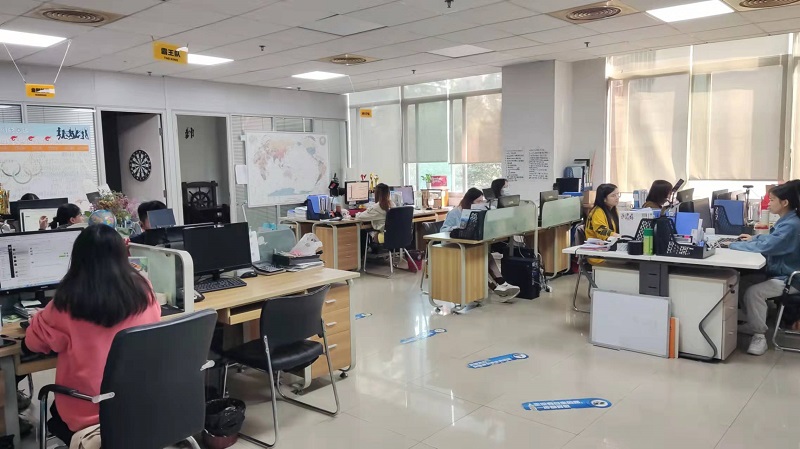
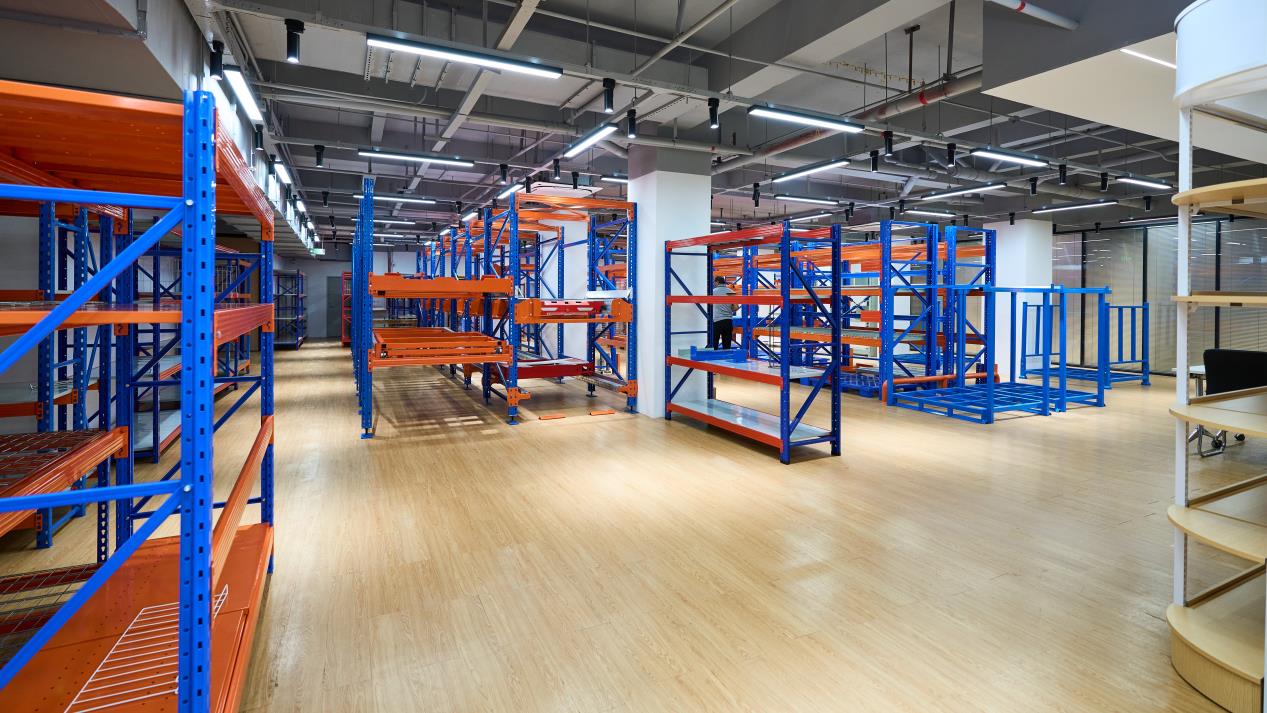
Operating out of a massive 46,500 m² modern production complex, we produce an annual export revenue of $42,000,000. Our operational success is backed by 5 years of international trade experience and 8 years of industry dedicated leadership.
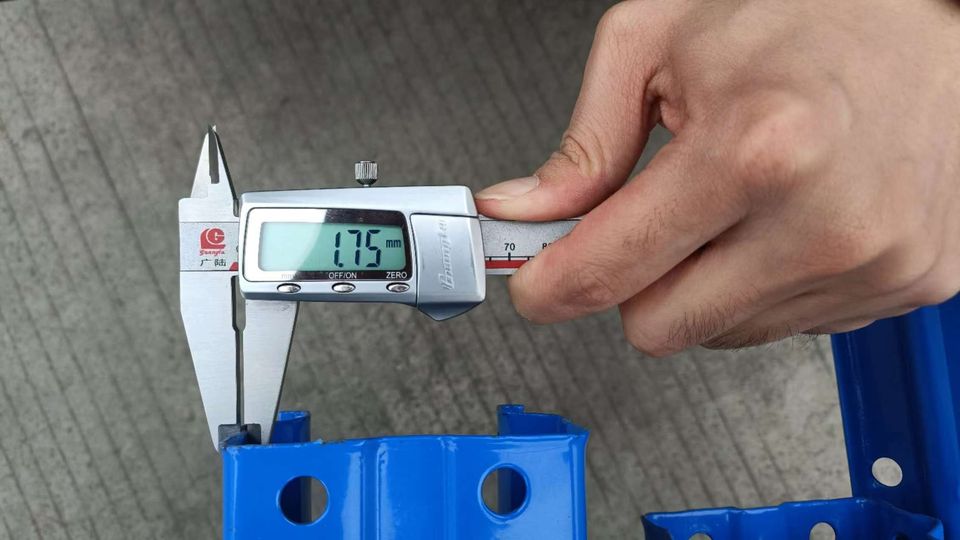
We guarantee structural durability through rigorous Full-Cycle In-Line & Final Stress Load Inspection, employing Laser Coordinate Measuring & Coating Thickness Verification managed by 62 QC staff members. With a Factory Direct Exporter with Global Turnkey Project Services trade background, our primary markets cover Australia, Northern Europe, and North America. We are supported by 1,850 supply chain partners, serving major client types including pharmaceutical distribution networks, retail logistics parks, and heavy machinery warehouses.
Our R&D capability focuses on High-Density Cantilever & Multi-Tier Mezzanine Engineering. We offer comprehensive custom options ranging from custom RAL color matching and specialized seismic-bracing to specialized rack protectors. Over the past year, we introduced 85 new product launches, developed by our team of 54 R&&D engineers.
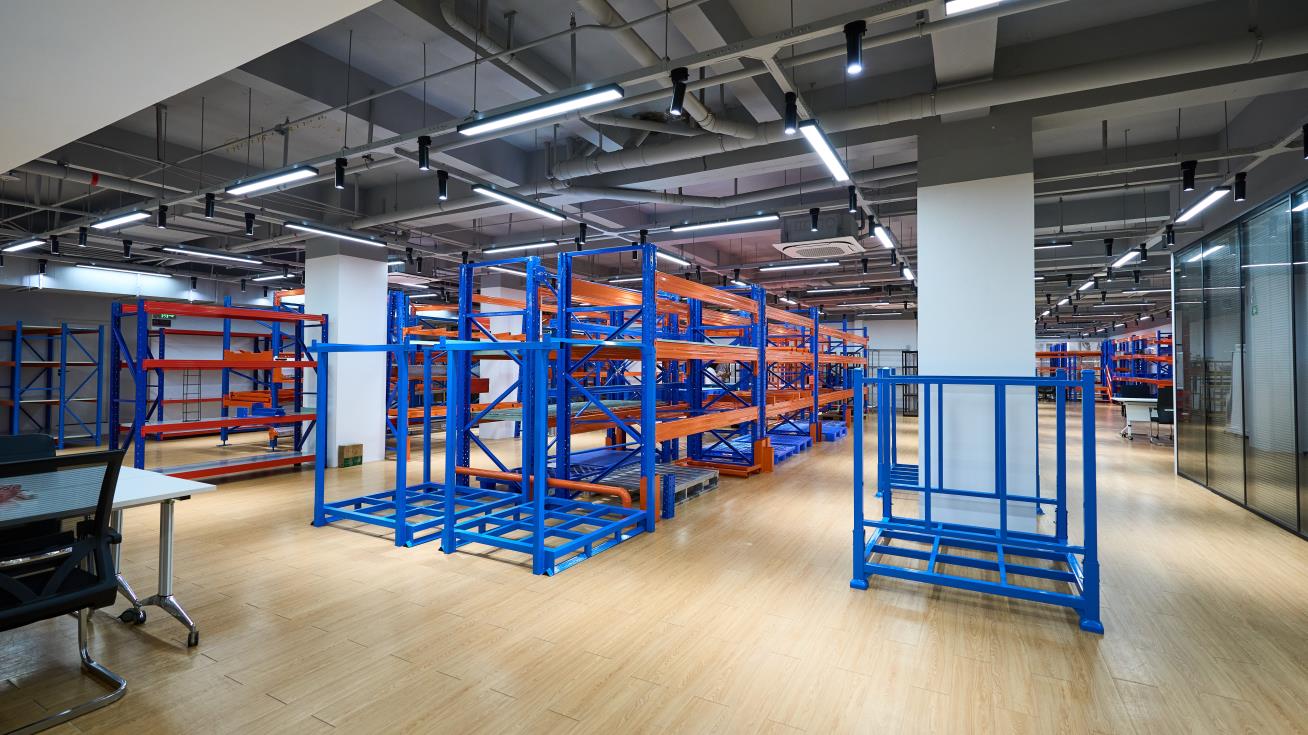
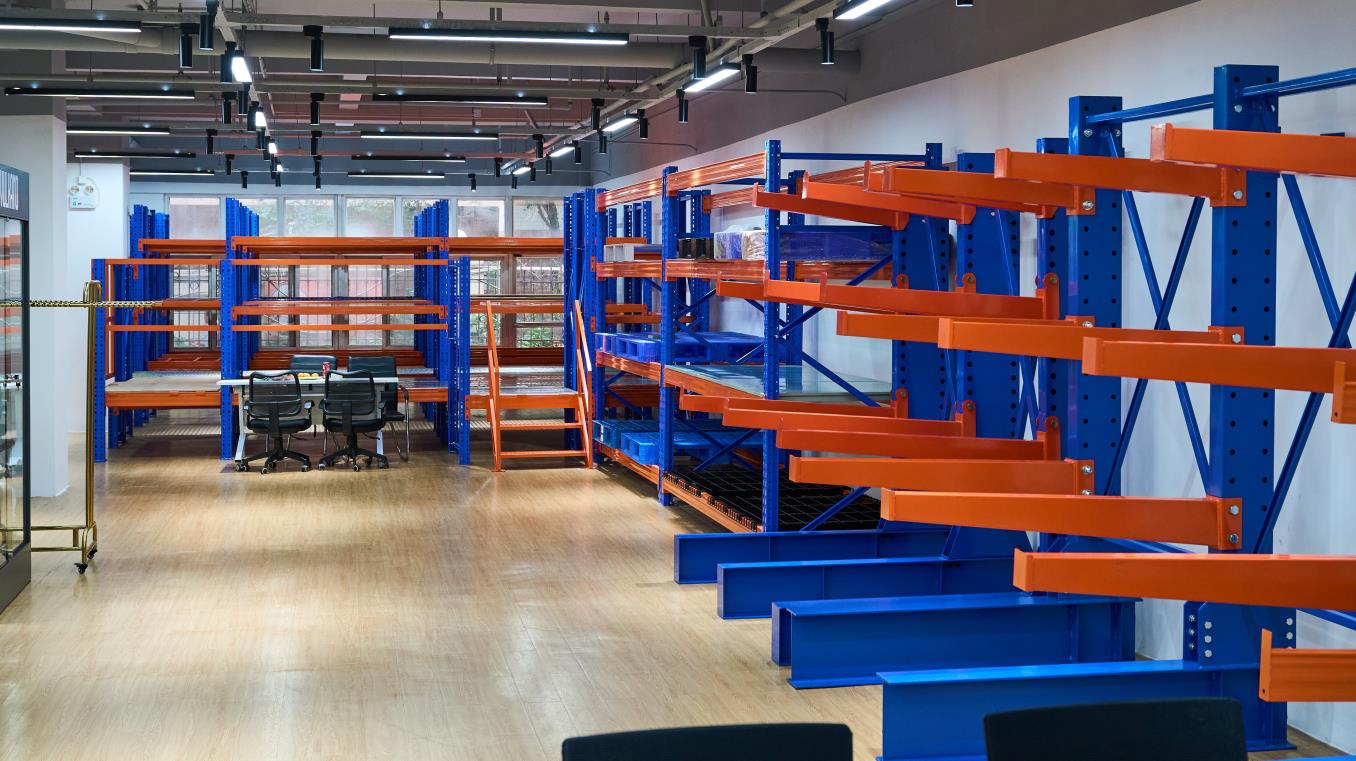
Local fabrication workshops in India often struggle with automated powder coating consistency, structural steel raw grade verifications, and automated continuous welding. These limitations lead to paint peeling (under high-humidity environments), shelf sag (deflection under uneven loading), and poor assembly alignments at the site.
CrownRacking's heavy investment in Laser Coordinate Measuring and automated cold-roll forming lines ensures that every upright post, bracket, and shelf panel is identical. This facilitates fast, trouble-free installation on-site, minimizing setup times for retail spaces in Delhi, Chennai, or Mumbai.
Importing and installing commercial structures in the Indian market requires strict adherence to regional safety and customs regulations:
Steel used for warehouse or heavy retail structures must conform to national standard specifications equivalent to IS 2062 or IS 513 cold-rolled sheet standards. CrownRacking ensures all raw materials are tested for yield strength, tensile limits, and elongation ratios, matching or exceeding Indian BIS structural mandates.
Parts of Northern India (including Delhi NCR, North-East states, and Himalayan regions) fall under Seismic Zone IV and V. Standard display shelves without adequate structural reinforcement risk collapse during seismic events. We provide specialized seismic base plates, cross-bracings, and anchor bolts calculated specifically for local earthquake zone ratings.
Importing metal and wood storage products into major Indian ports (Nhava Sheva, Chennai, Mundra) requires complete documentation, including certified Mill Test Certificates (MTC), Certificates of Origin, and clear cargo descriptions. CrownRacking's dedicated logistics support handles these requirements to prevent cargo delays at Indian customs.
Explore our complete range of specialized display, storage, and utility racking systems engineered for international retail and light-duty industrial applications.
Key compliance, logistics, and technical answers for global buyers operating in the Indian retail market.
 CrownRacking