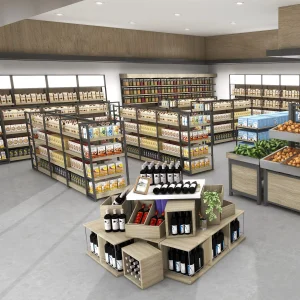
Optimized supermarket shelving, gondolas, and checkout solutions conforming to German retail ergonomic and aesthetic standards.
A comprehensive analysis of agricultural logistics, cold storage infrastructure, and supply chain demands in Europe's largest consumer market.
As the largest domestic market in the European Union, Germany stands as a cornerstone of international agricultural logistics. German grocery retail, dominated by major players like Edeka, Rewe, Schwarz Group (Lidl), and Aldi, enforces some of the world's most stringent requirements on food supply chains. With consumers increasingly demanding fresh, organic (Bio-Lebensmittel), and sustainably sourced fruits and vegetables, the storage infrastructure supporting these agricultural products has had to evolve rapidly.
In Germany, fresh logistics relies heavily on regional distribution centers (Distributionzentren). The shelf life of fresh items is highly volatile, making storage and display logistics key factors in minimizing waste and maximizing shelf rotation. Traditional wooden or poorly protected metal shelves are no longer sufficient; they cannot withstand the humidity, frequent washdowns, and strict hygiene protocols of high-volume supermarkets. To meet German safety, food hygiene, and structural reliability standards, equipment must comply with EN 15512 and TÜV guidelines. This has generated a significant demand for robust, anti-corrosive, food-grade metal racking and display solutions designed to withstand both heavy loads and continuous operation in demanding environments.
Additionally, German logistics systems are heavily integrated with automated warehousing. With labor costs rising and real estate in key transportation hubs like Hamburg, Duisburg, and Munich at a premium, warehousing demands high-density options. CrownRacking meets this need by engineering racking systems that integrate seamlessly with German cold-chain fleets and automated logistics processes.
Evaluating the technical hurdles of storing and distributing perishable items on a global scale.
The preservation of fresh produce globally is highly dependent on continuous cold chain maintenance. The journey from field to fork often requires multi-modal transportation and multi-stage cold storage warehousing. Cold storage facilities operate at low temperatures, typically ranging from 0°C to 4°C for standard fresh produce and as low as -25°C to -30°C for deep-freeze storage. Under these extreme conditions, standard structural steel risks low-temperature embrittlement, which can lead to structural failure under heavy loads.
Consequently, material science plays a crucial role in modern storage engineering. High-tensile steel grades (like Q235 and Q345) must be treated with specialized corrosion-resistant finishes. Hot-dip galvanization (HDG) and specialized food-safe epoxy powder coatings are essential. The coating must prevent oxidation, resist condensation buildup, and withstand acidic and alkaline cleaning agents used during sanitation cycles.
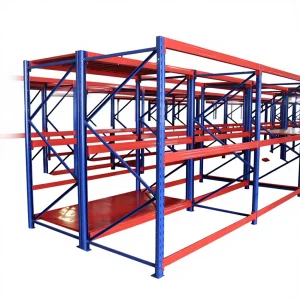
From a spatial design perspective, fresh agricultural storage requires either high-density Drive-in/Drive-through racking, Mobile racking, or dynamic Gravity Flow racking. These systems ensure the FEFO (First-Expired, First-Out) inventory management principle is strictly maintained, protecting product freshness and reducing financial losses due to spoilage.
Engineered for low-temperature resilience, structural load safety, and optimization of fresh supply chains.
Combining world-class production capacity with advanced automated processes to serve global distributors.
The efficiency of Chinese manufacturing, particularly in cluster regions like Ningbo, is built on supply chain integration, technological automation, and access to raw materials. CrownRacking's 46,500 m² modern production complex utilizes advanced equipment to ensure consistent manufacturing precision and competitive pricing.
CrownRacking's manufacturing process relies on automated production lines, including roll-forming lines, robotic laser welding, and automated powder coating chambers. Robotic welding maintains structural integrity, minimizing human error and ensuring load-bearing calculations remain precise across entire installations.
By maintaining a team of 54 R&D engineers and introducing 85 new products annually, CrownRacking adapts design configurations to meet specific international building codes, including seismic parameters, European steel structural standards (Eurocode 3), and Germany's local safety mandates.
Tailored logistics and merchandising configurations designed to meet specific regulatory and architectural requirements.
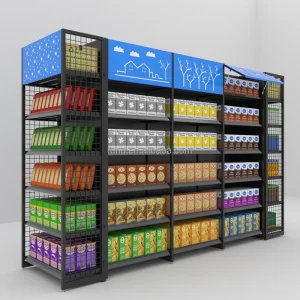
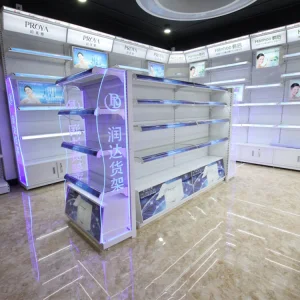
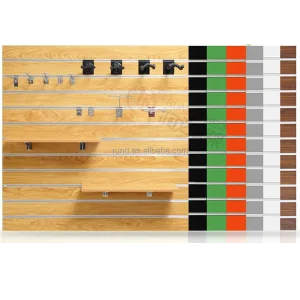
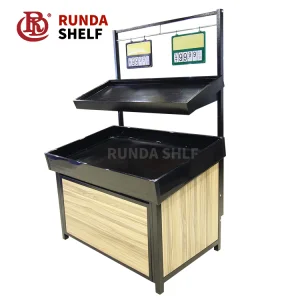
In Germany's organic grocery stores, natural and hygienic aesthetics are crucial. CrownRacking's modular systems allow retailers to combine solid wood veneer accents with robust steel backing panels (such as our wood veneer panel shelves). This setup supports heavy loads of root vegetables while presenting a rustic appearance. The steel supports are finished with food-safe powder coatings to prevent organic juices from corroding the structure, ensuring easy cleaning and compliance with food hygiene rules.
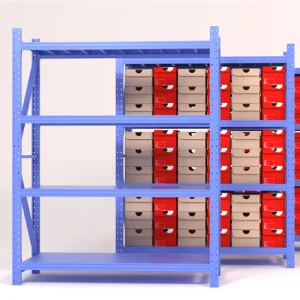
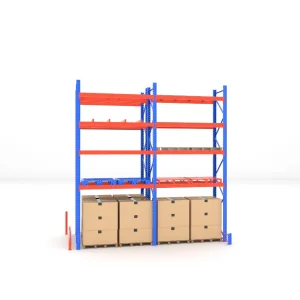
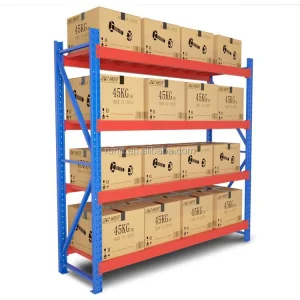
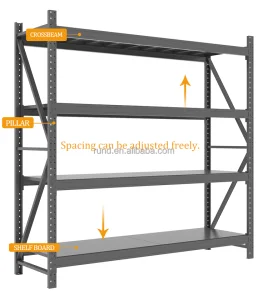
For temperature-controlled distribution hubs handling imported Mediterranean fruits and vegetables, structural reliability is paramount. CrownRacking's heavy-duty galvanized pallet racks support pallets up to 500kg or more, even at sub-zero temperatures. Built with specialized low-temperature carbon steel and reinforced cross-beams, these systems resist structural deflection under temperature fluctuations. They also include custom rack protectors to absorb impact from forklift operations.
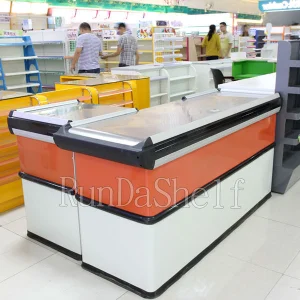
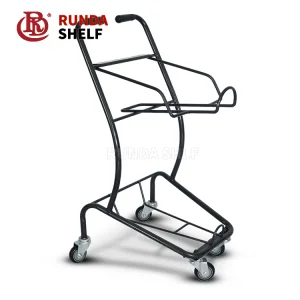
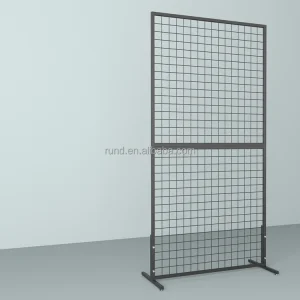
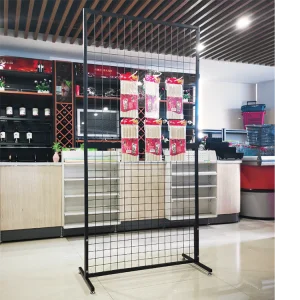
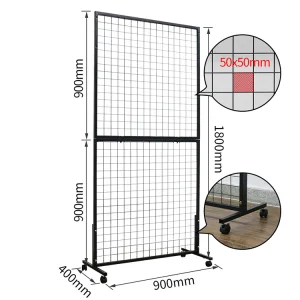
German inner-city grocery stores focus heavily on spatial efficiency and quick throughput. Our checkout counters, built from MDF and steel, are engineered for high-traffic environments. They accommodate German cash register hardware, POS scales, and IT cabling. Combined with modular gridwall panels and wire shopping carts, this creates a smooth, efficient customer journey from product selection to purchase.
Pioneering global warehouse and retail display solutions since 2018.
Ningbo CrownRacking Intelligent Warehouse Tech Co., Ltd. has been pioneering warehouse solutions since 2018. Operating out of a 46,500 m² modern production complex, we produce an annual export revenue of $42,000,000. Our operational success is backed by 5 years of international trade experience and 8 years of industry dedicated leadership.
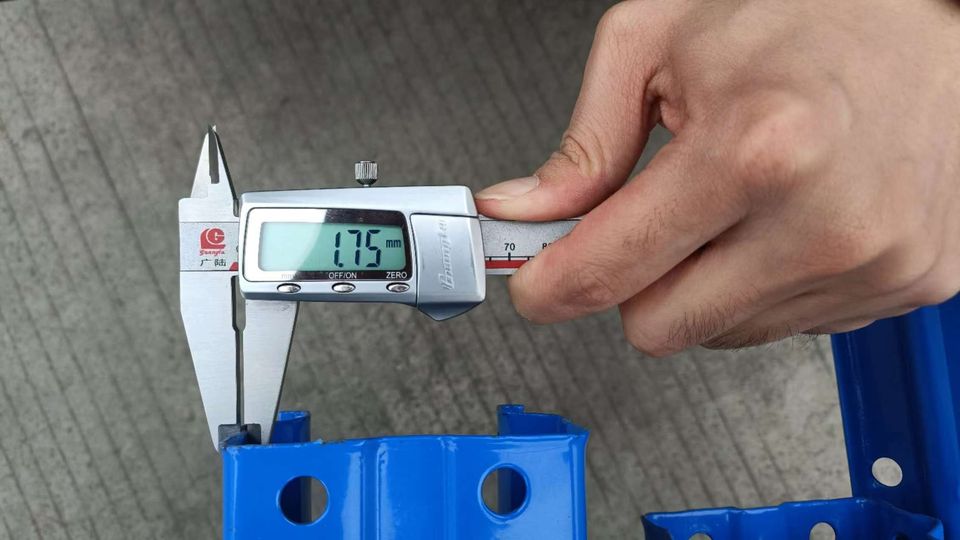
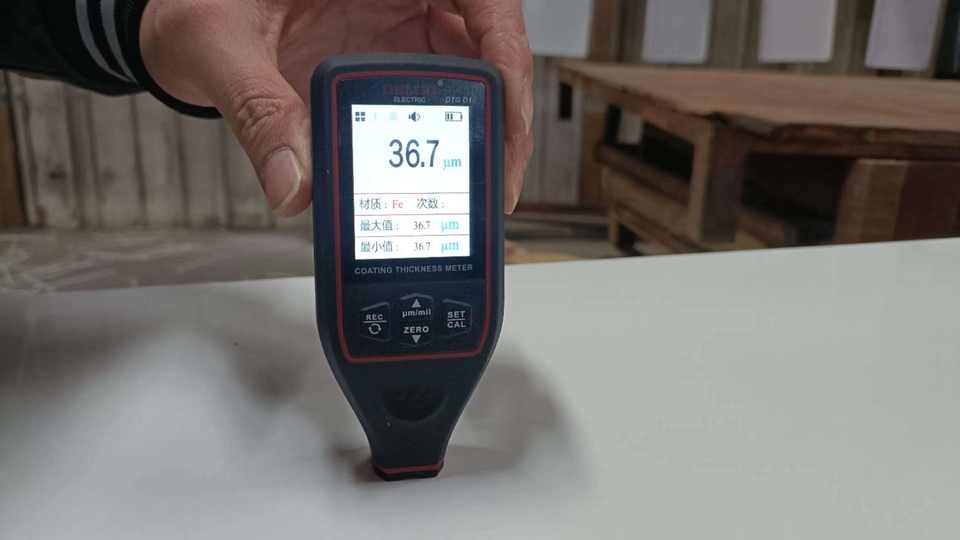
We guarantee structural durability through rigorous Full-Cycle In-Line & Final Stress Load Inspection, employing Laser Coordinate Measuring & Coating Thickness Verification managed by 62 QC staff members. With a Factory Direct Exporter with Global Turnkey Project Services trade background, our primary markets cover Australia, Northern Europe, and North America. We are supported by 1,850 supply chain partners, serving major client types including pharmaceutical distribution networks, retail logistics parks, and heavy machinery warehouses.
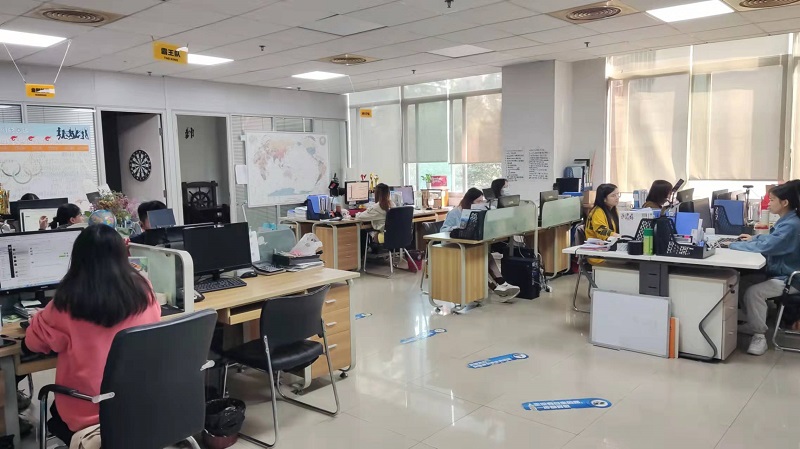
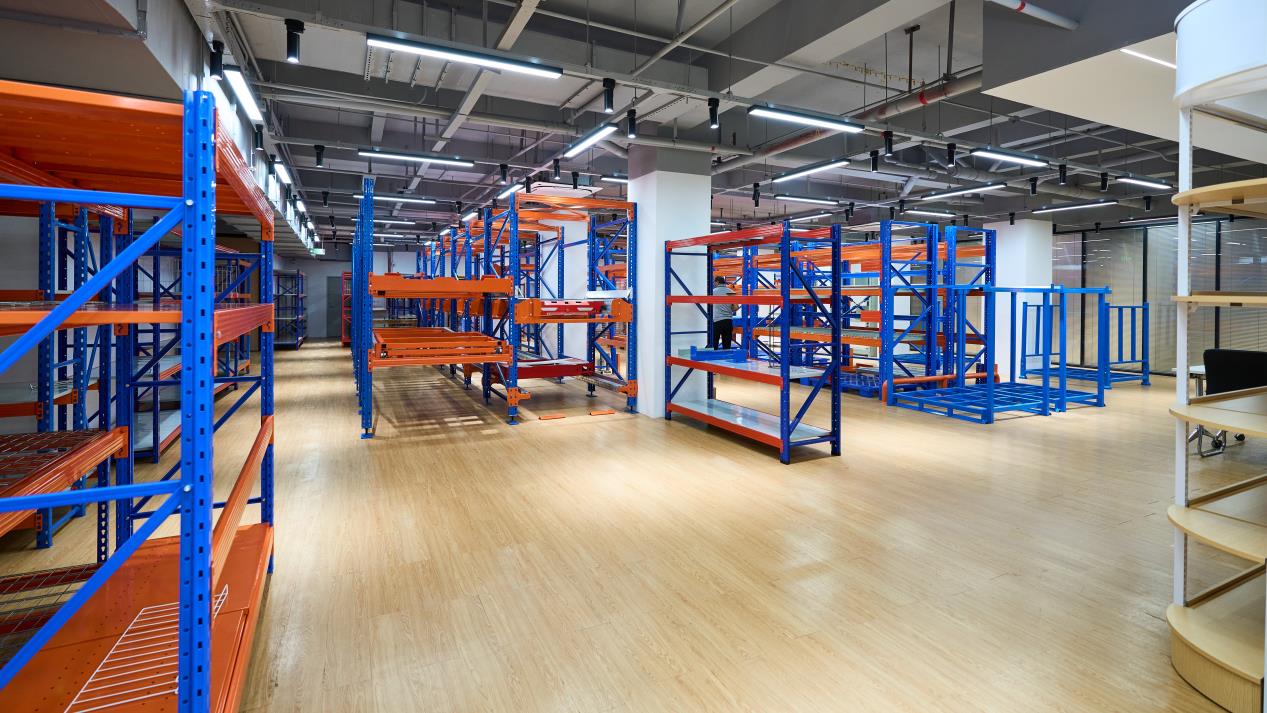
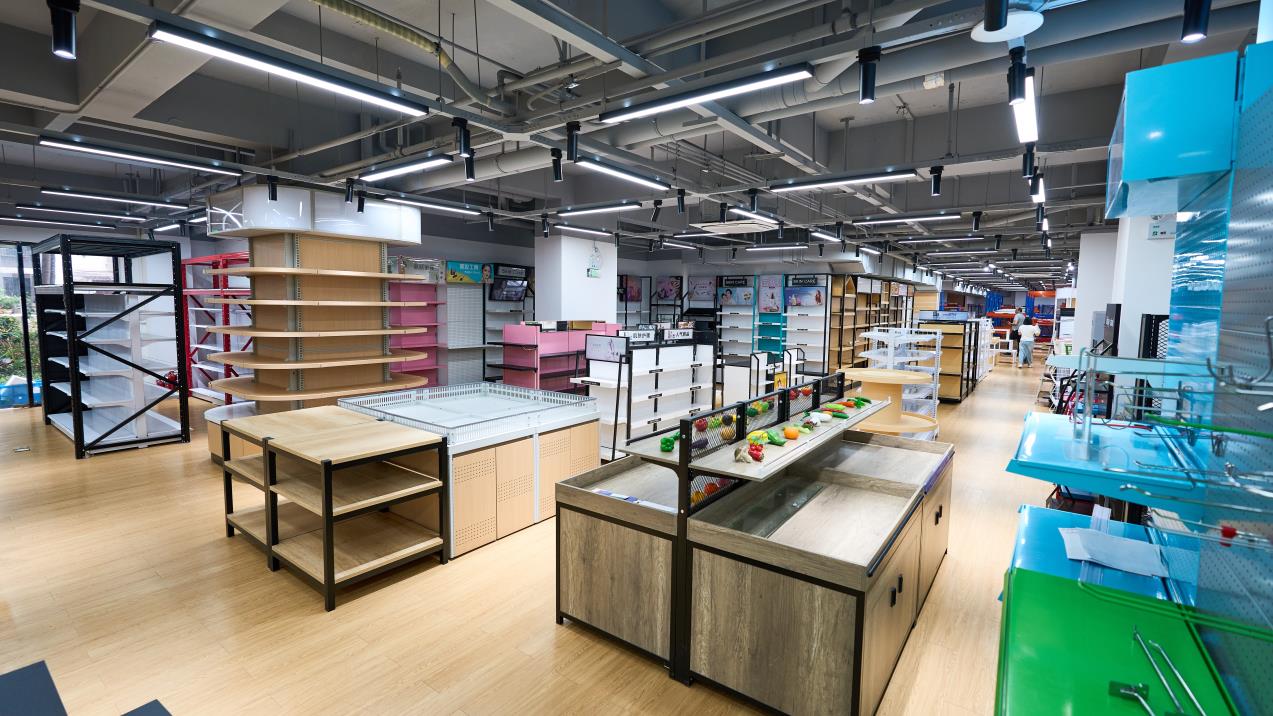
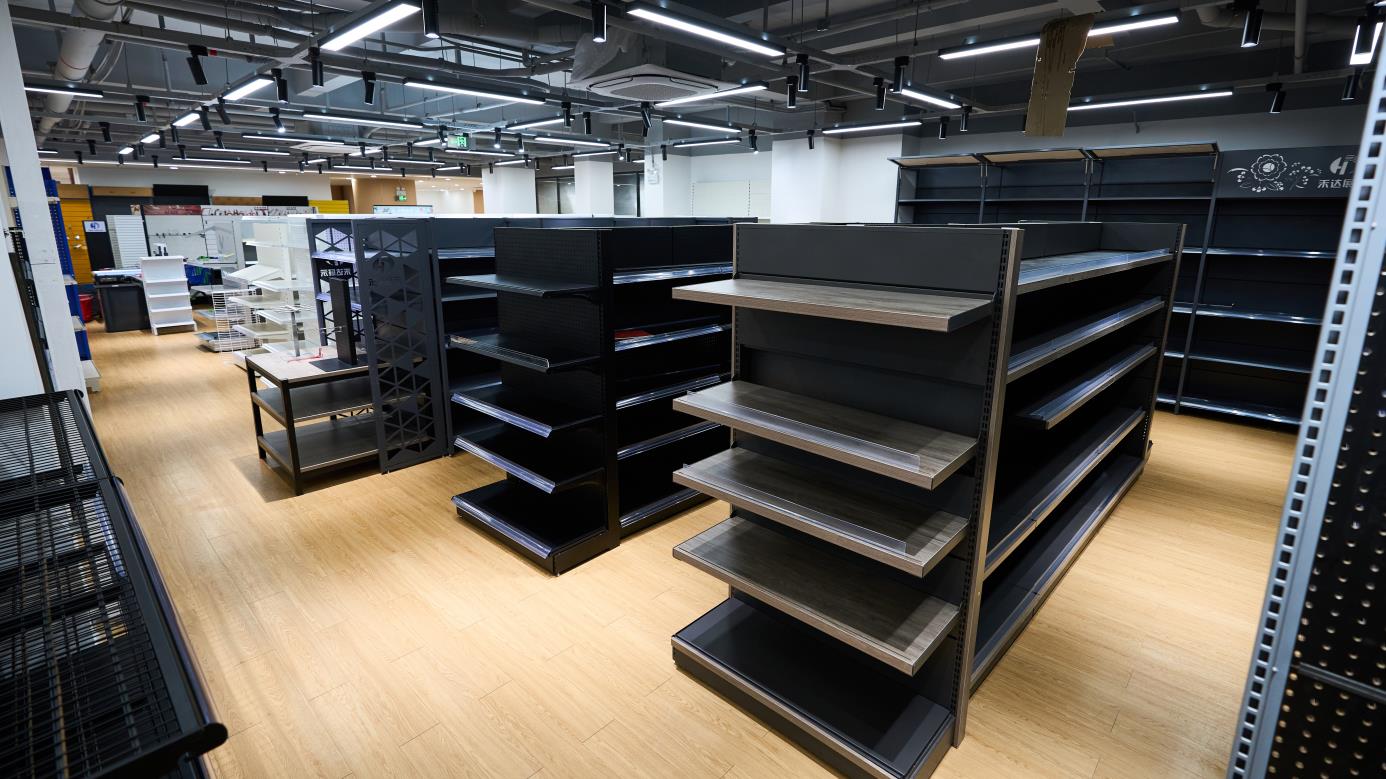
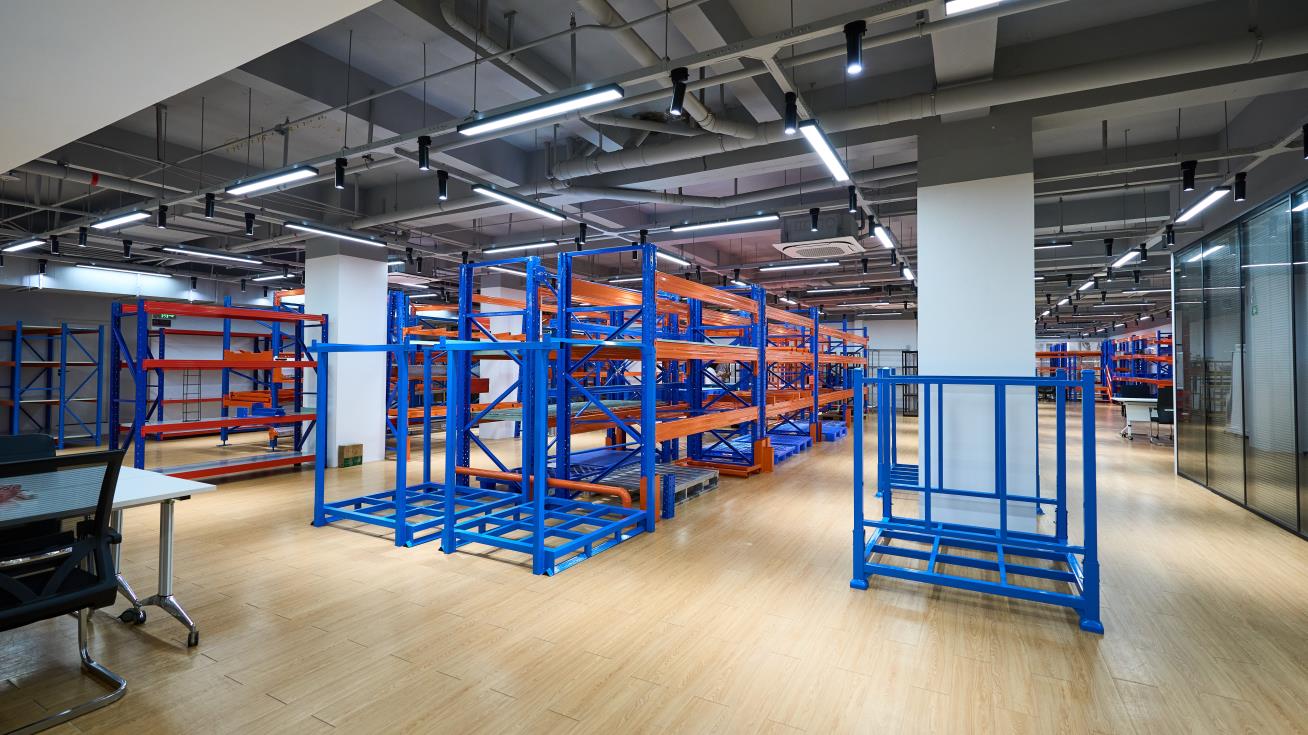
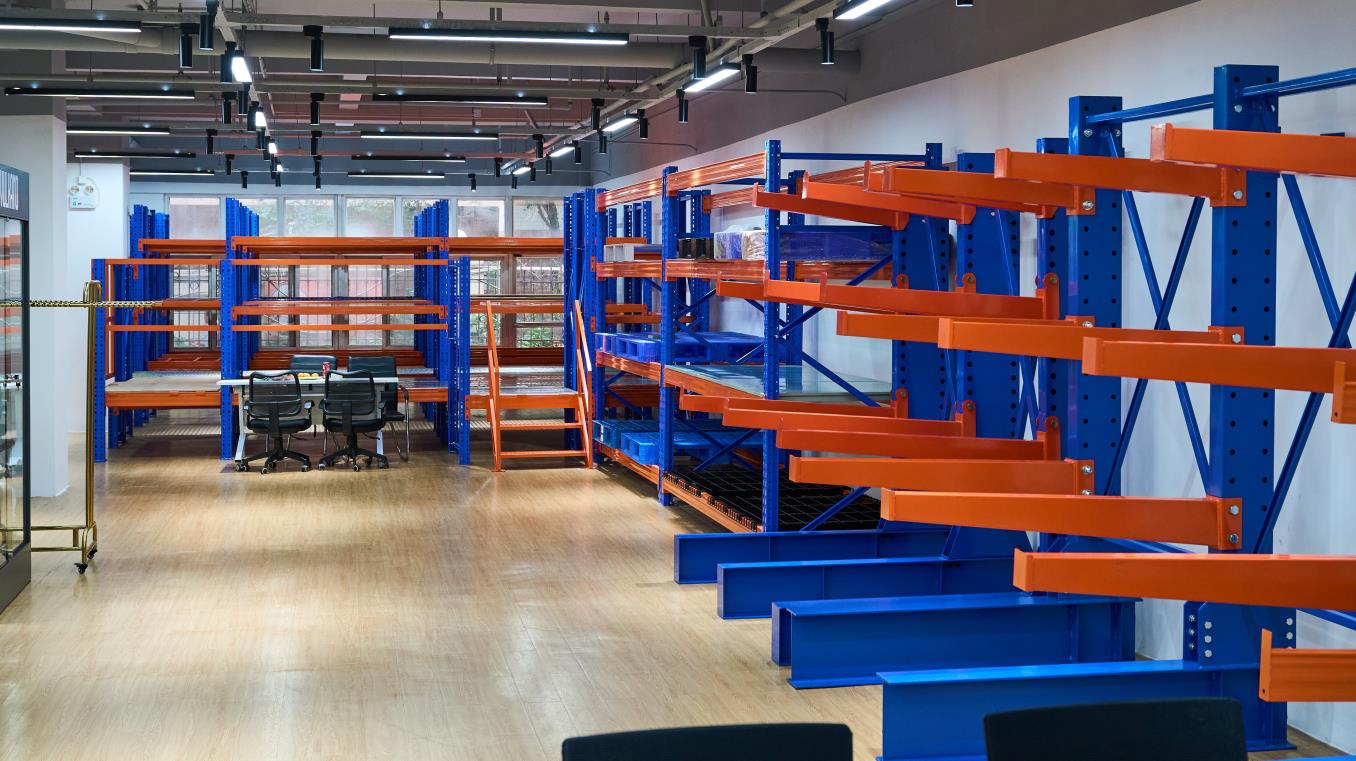
Our R&D capability focuses on High-Density Cantilever & Multi-Tier Mezzanine Engineering. We offer comprehensive custom options ranging from custom RAL color matching and specialized seismic-bracing to specialized rack protectors. Over the past year, we introduced 85 new product launches, developed by our team of 54 R&D engineers.
Versatile display fixtures, organizational shelving, and checkout counters designed for modern retail environments.
Technical compliance, logistics coordination, and procurement options for German and European customers.
 CrownRacking