Engineered for maximum density, structural durability, and absolute compliance with safety metrics.
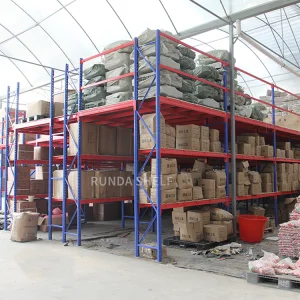
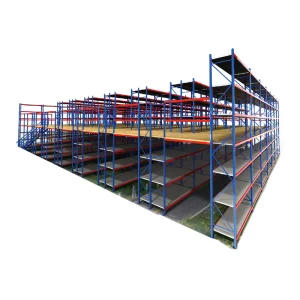
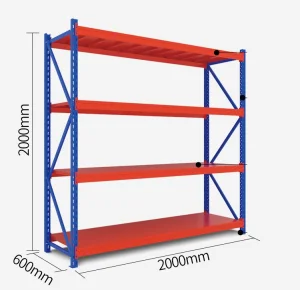
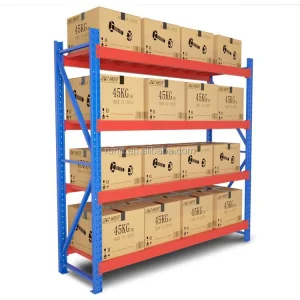
New Zealand’s industrial landscape is undergoing a monumental shift. The rapid expansion of third-party logistics (3PL) providers, coupled with the e-commerce surge across key logistics nodes like South Auckland, Wiri, Penrose, and the Christchurch Hornby industrial zone, has pushed warehouse capacity requirements to new heights. To maximize square-meter yield in regions where land is at a premium, businesses are transitioning from standard configurations to high-density heavy storage shelves and multi-tier mezzanines.
However, optimizing storage capacity in New Zealand involves navigating complex, non-negotiable structural challenges. The country's geographical location along the Pacific Ring of Fire requires all warehouse infrastructure to conform to stringent seismic building codes. Standard structural shelving designs are insufficient. Under the AS/NZS 4084:2012 and the updated AS/NZS 4084.1:2023 standards, storage racks must be treated as engineered structures capable of absorbing dynamic lateral seismic loads. This makes partnering with a technically verified manufacturer essential for legal compliance and personnel safety.
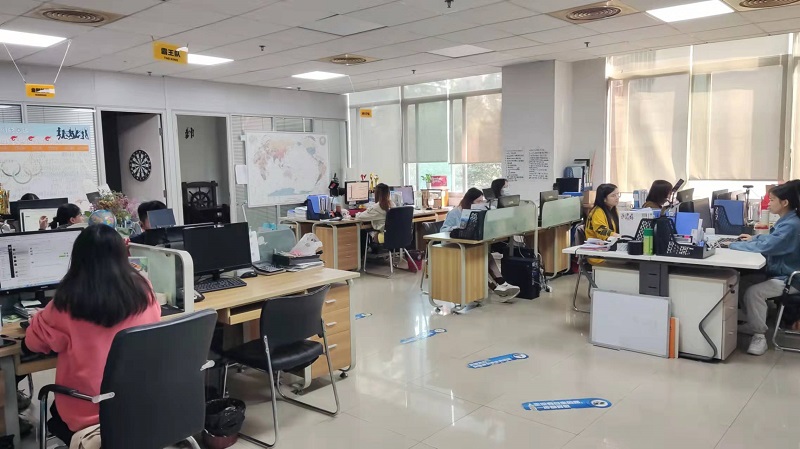
The international material handling sector is rapidly shifting toward automated, high-density, and green storage architectures. Modern supply chain operations rely heavily on data-backed spatial engineering. Structural integrity calculations are executed using advanced Finite Element Method (FEM) analysis, allowing designers to simulate structural reactions under extreme static load and dynamic earthquake stresses.
Incorporating custom tension-bracing systems, heavy-duty floor anchor bolts, and oversized baseplates designed to dissipate kinetic energy during seismic events.
Racking units designed with tolerance controls to seamlessly integrate with Automated Guided Vehicles (AGVs) and stacker cranes.
Electrostatic thermoset powder coatings that provide exceptional resistance to humidity, corrosion, and wear, with zero VOC emissions.
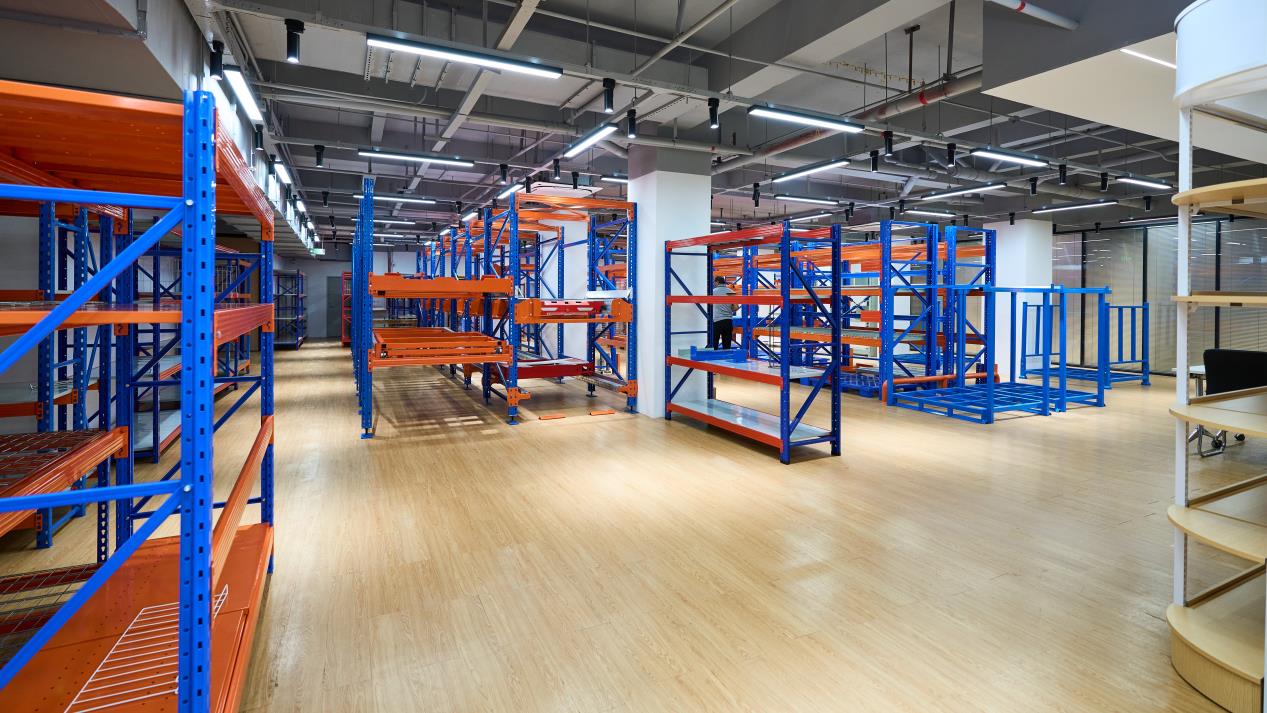
Engineered shelving solutions optimized for retail networks, hospital environments, and regional distribution centres in New Zealand.
Pioneering High-Precision Storage Systems Globally Since 2018
Operating from our advanced manufacturing facility, we specialize in high-capacity pallet racking, cantilever systems, and structural mezzanines. Our export framework supports dynamic integration with warehouse operators in Australia, Northern Europe, and North America, ensuring direct compliance with regional safety codes, including the strict seismic regulations of New Zealand.
Our engineering capabilities focus on High-Density Cantilever & Multi-Tier Mezzanine Engineering. We offer custom options, including specialized seismic bracing, column protectors, and RAL color matching to align with corporate requirements. With 85 new product developments launched in the past year, supported by a specialized team of 54 R&D engineers, we remain at the forefront of warehouse space optimization.
To maintain material reliability, we perform structural load verification at every stage of production. From steel coil stress testing to paint film inspection, our quality procedures ensure every rack configuration withstands vertical, horizontal, and accidental impact loads.
Dynamic and static pressure testing guarantees safety margins exceed minimum industry guidelines.
Ensures micron-level tolerance accuracy, minimizing structural deviation during assembly.
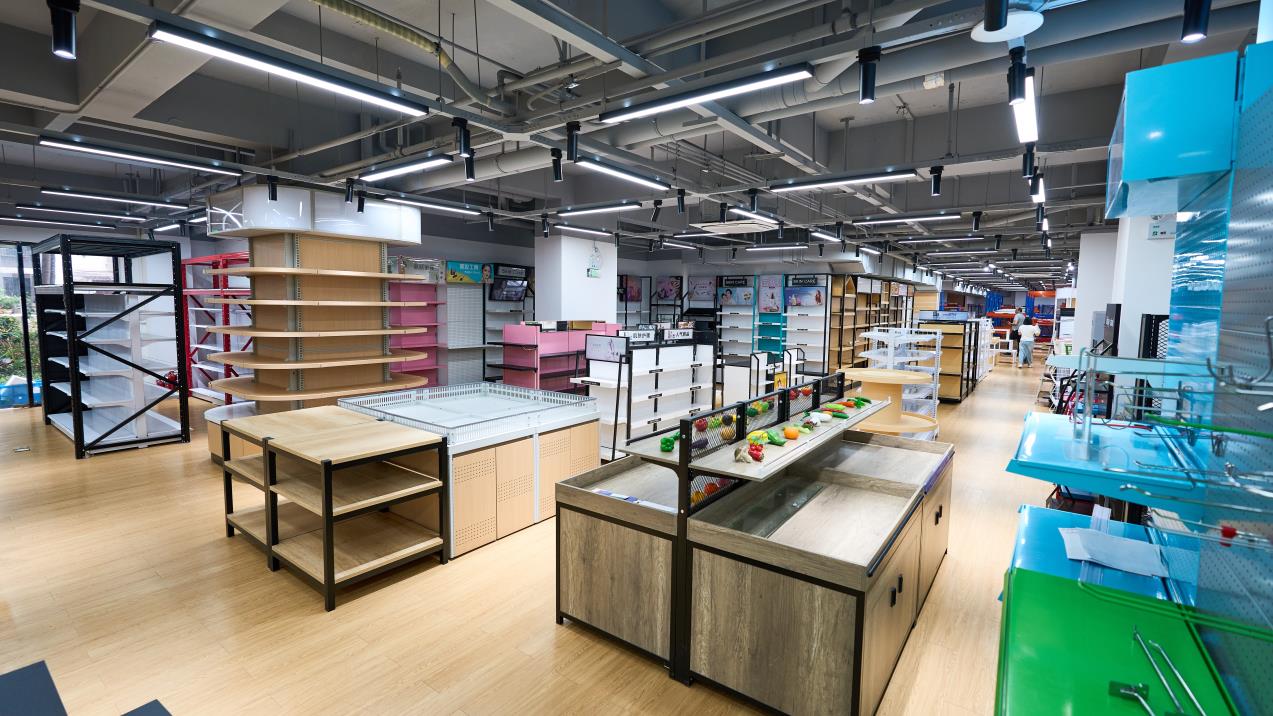
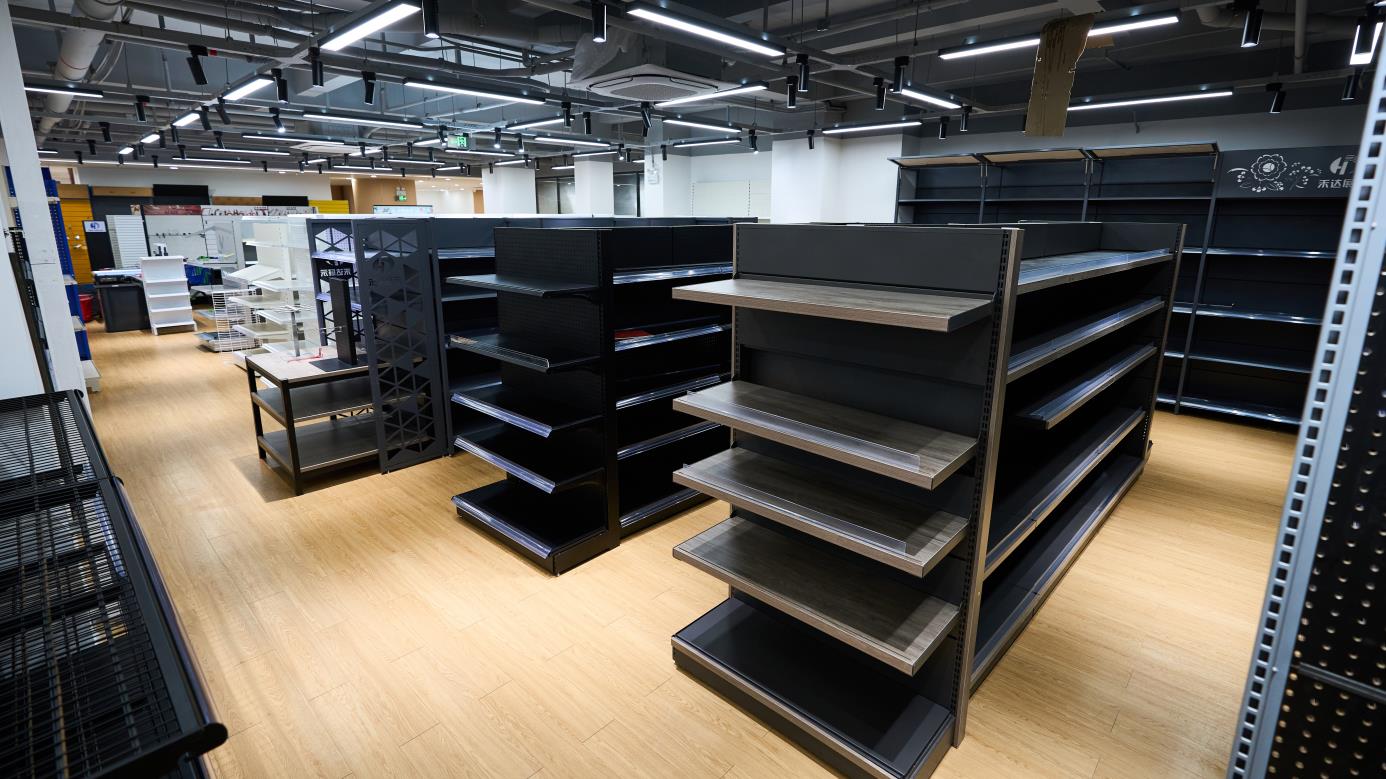
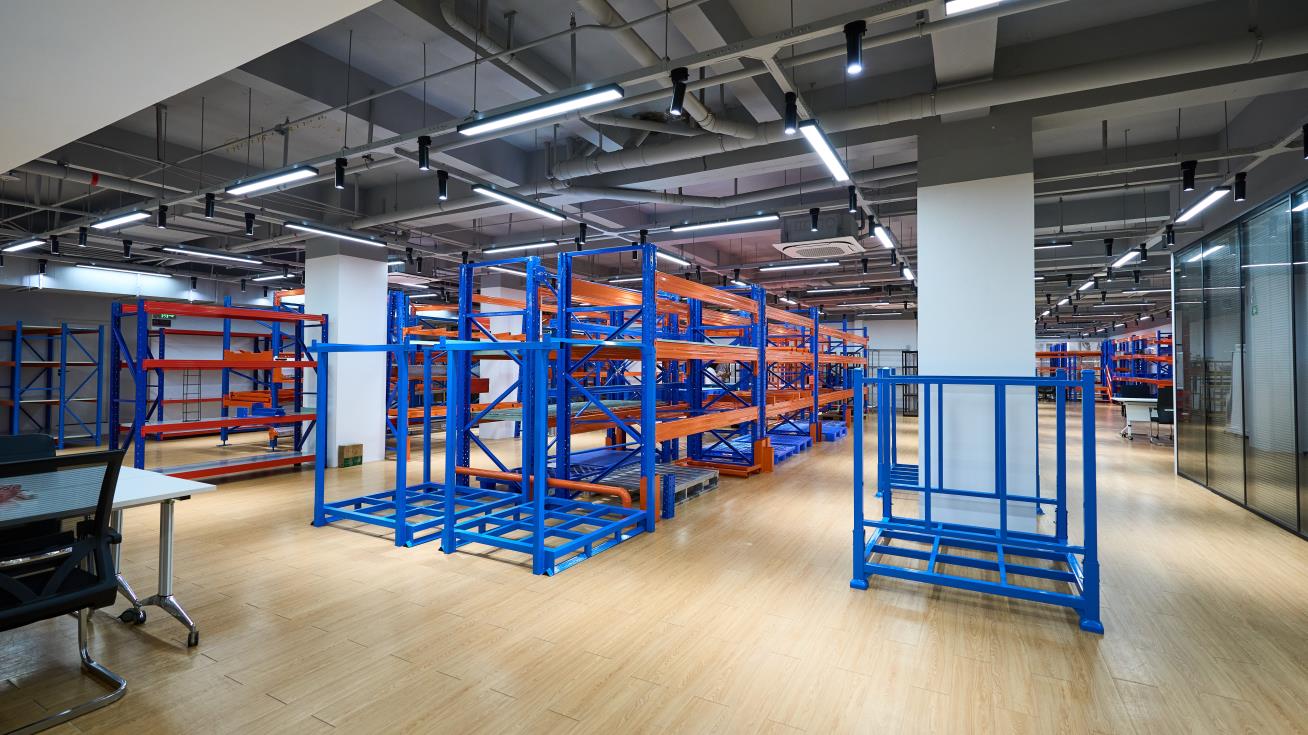
Inspecting structural steel thickness, powder coating consistency, and load thresholds to guarantee stability under load.
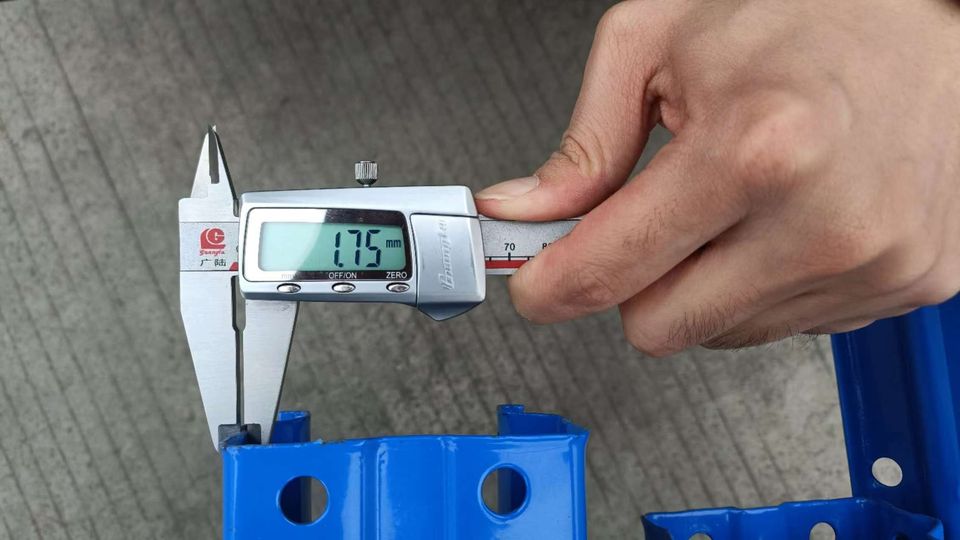
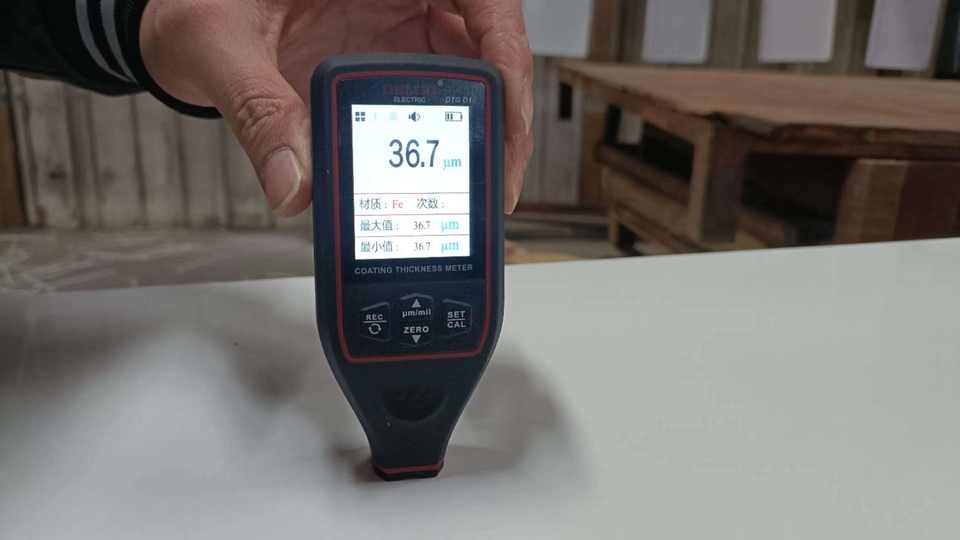
Expert technical advice regarding local standards, engineering specifications, and safety maintenance.
Compliance is defined by strict steel grade tracking (e.g. high-yield Q235B/Q345B steel), specific post deflection calculations under maximum weight limits, and seismic testing profiles configured for New Zealand's soil categories and peak ground acceleration parameters.
Under local guidelines, structural steel racks must undergo professional audits at least once every 12 months. Any structural changes, forklift collisions, or major seismic events require immediate technical reassessment by qualified safety engineers.
Yes. Custom baseplates, anchoring profiles, dynamic cross-bracing configurations, and variable bay layouts can be designed based on geotechnical surveys of the concrete floor slab to optimize stability and balance load distribution.
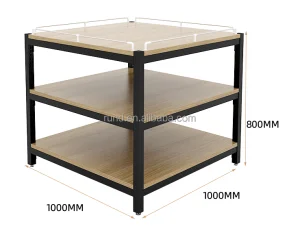
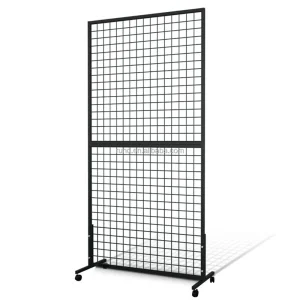
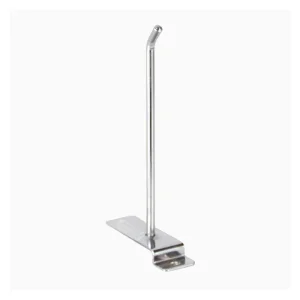
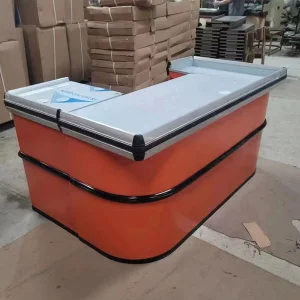
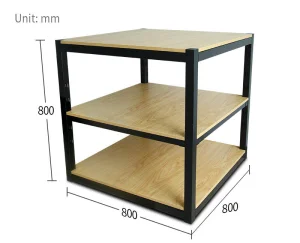
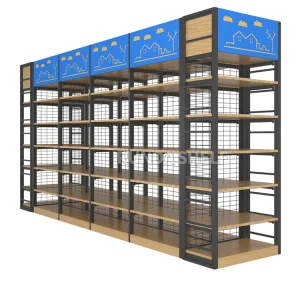
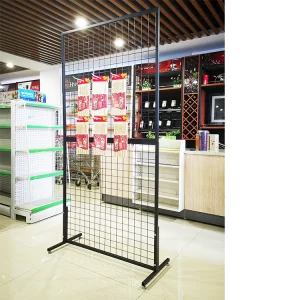
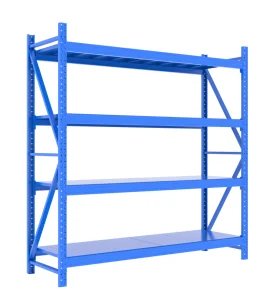
Explore our full selection of storage solutions, from supermarket merchandise displays to heavy industrial setups.
 CrownRacking