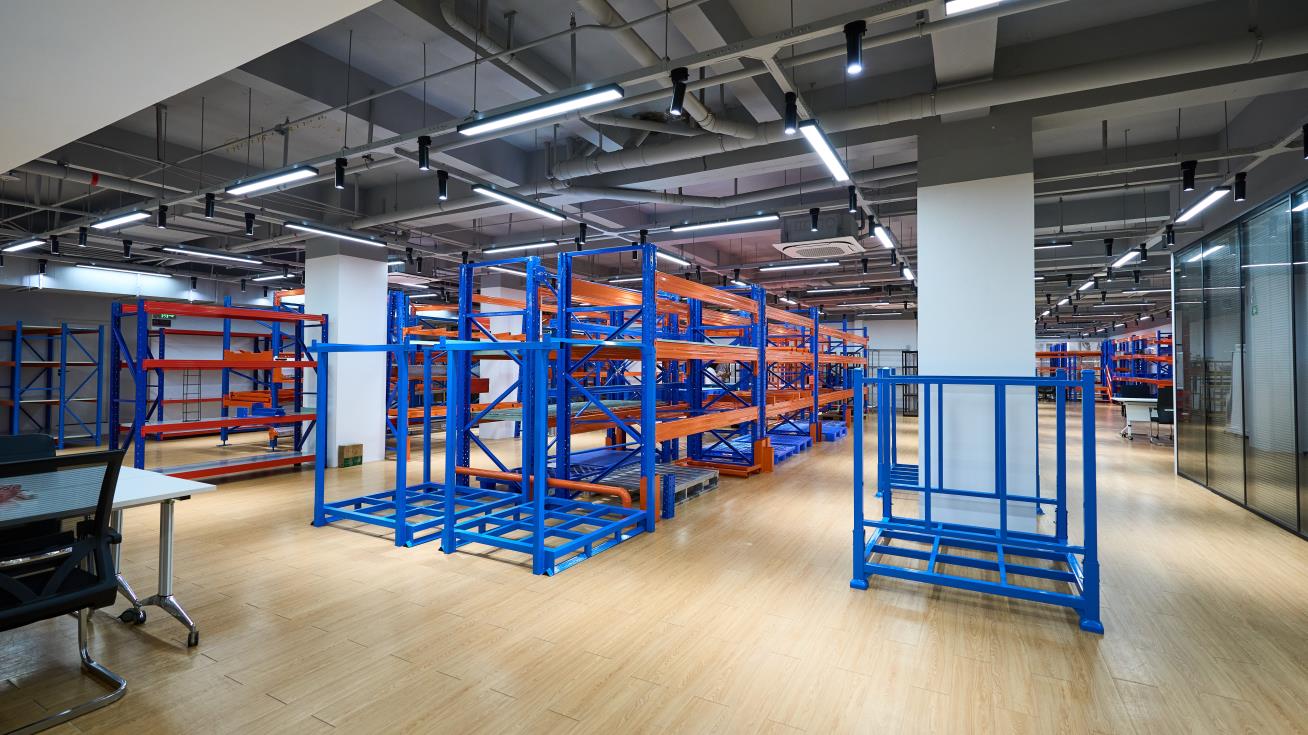
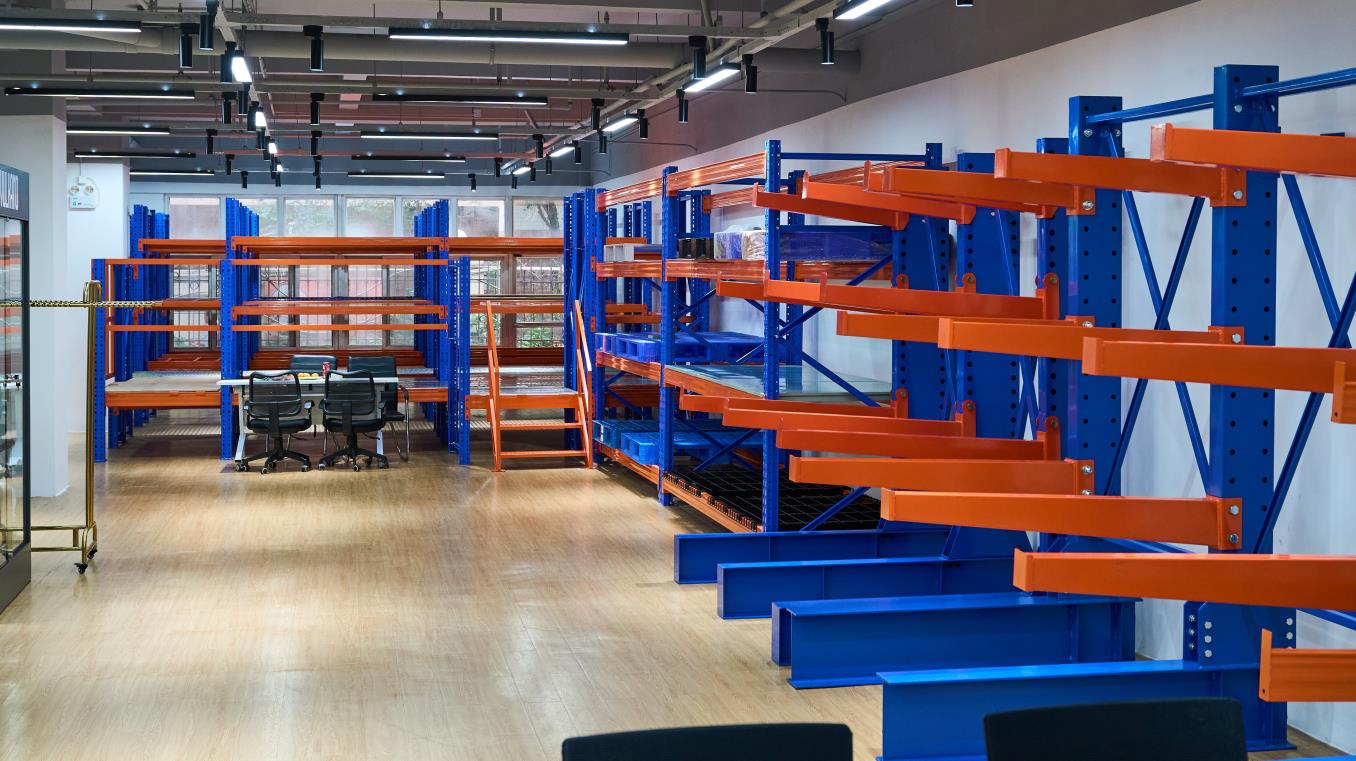
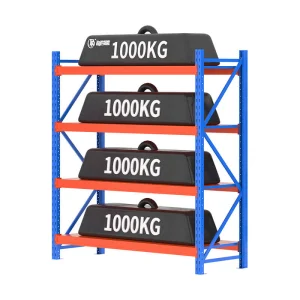
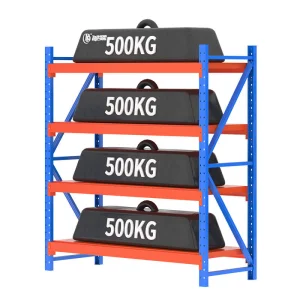
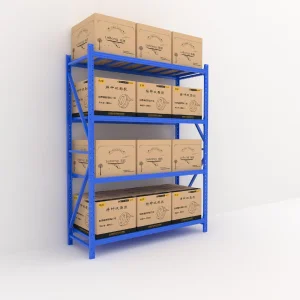
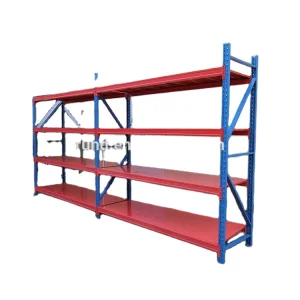
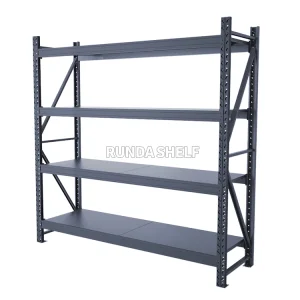
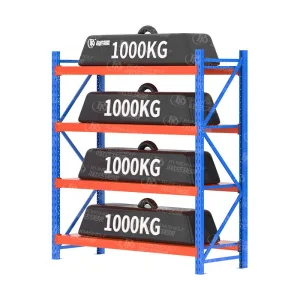
Configured specifically to support the high-density space requirements of the Kansai commercial sector, these four flagship systems represent premium manufacturing standards with certified stress limits.
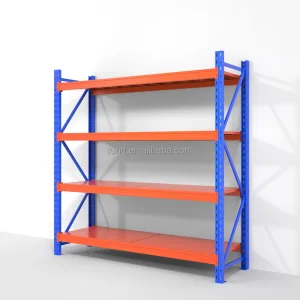
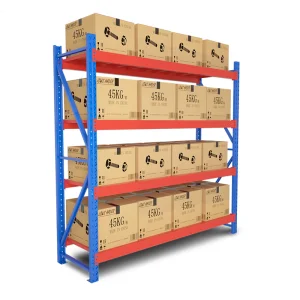
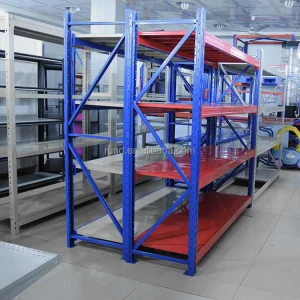
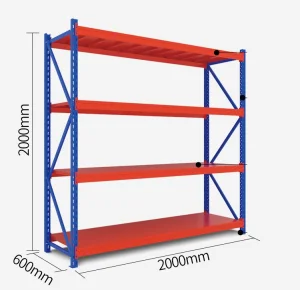
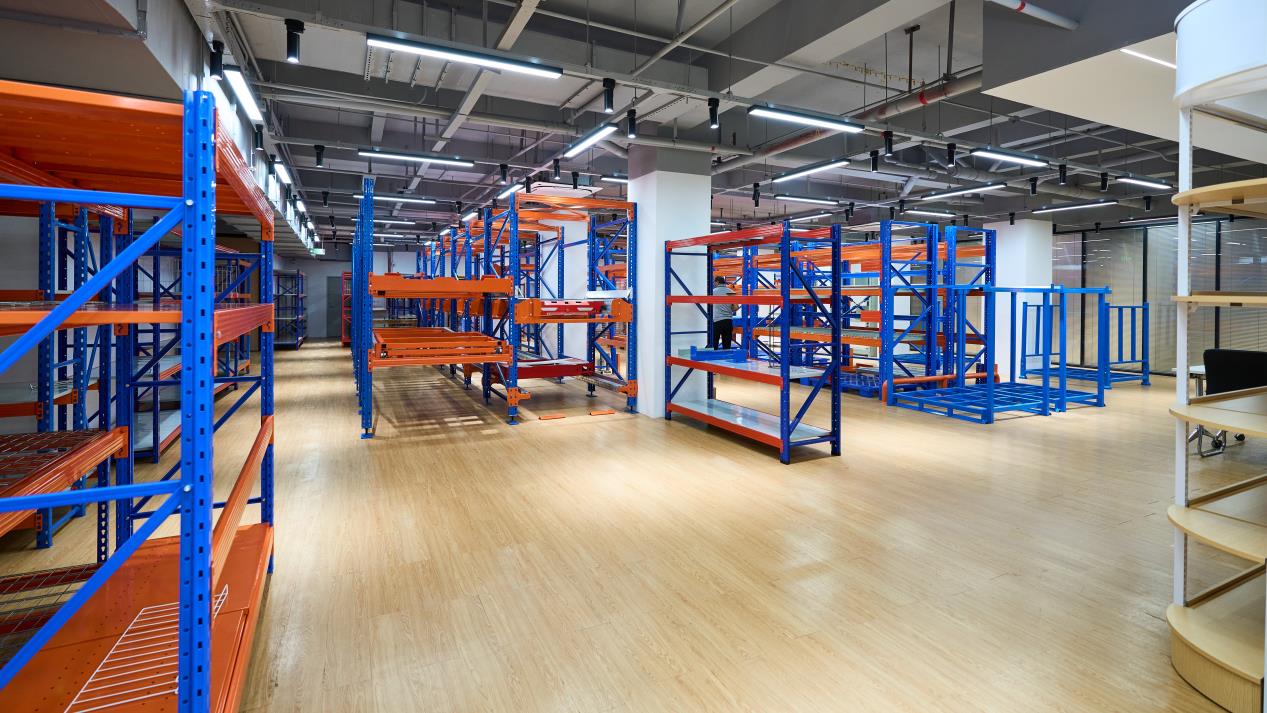
In modern industrial logistics, optimizing vertical cubic volume without compromising floor space elasticity remains the primary operational goal. Medium warehouse shelving systems, specifically engineered for load distributions ranging from 100kg to 300kg per level, serve as the indispensable backbone of micro-fulfillment nodes, dynamic manufacturing cells, and regional distribution frameworks. These modular rack systems balance lightweight handling configurations with structural capacities capable of supporting high-turnover manual inventory picking.
In dense urban logistics centers like Osaka, where physical real estate demands premium pricing, businesses cannot afford oversized, heavy pallet racks for sub-500kg payloads. Implementing the correct load profile (100–300kg) minimizes structural steel deadweight, decreases seismic risk, and allows multi-tier floor integrations (mezzanines) that would otherwise violate local floor-loading ordinances.
As Japan's historic trade gateway and the core of the Kansai region, Osaka has evolved into a highly complex, multimodal logistics epicentre. Ranging from the bustling marine ports of Nanko in Suminoe-ku to the industrial manufacturing estates of Sakai and Higashiosaka, storage density dictates business viability. The Osaka Bay area, in particular, hosts critical logistics corridors where major third-party logistics (3PL) providers and e-commerce companies deploy high-density sortation centers.
Japanese land use constraints demand high efficiency. In areas like Yodogawa-ku and around Shin-Osaka, warehousing facilities often operate in multi-story structures. These multi-story layouts restrict heavy floor load capacities, making 100–300kg medium shelving the ideal architectural fit. By optimizing layouts with customized upright frames and step beams, Kansai manufacturers can implement flexible assembly-line parts feeding and pick-to-light sorting shelves without exceeding floor weight boundaries.
High-quality engineering ensures structural longevity and eliminates the hazards of beam deflection and shelf buckling. Our systems are fabricated using premium Q235B high-tensile cold-rolled steel, ensuring that structural properties align with major international codes such as FEM 10.2.02 (European Racking Code) and JIS Z 0620 (Japanese Industrial Standard for Racking).
| Technical Variable | 100 kg Load Configuration | 200 kg Load Configuration | 300 kg Load Configuration |
|---|---|---|---|
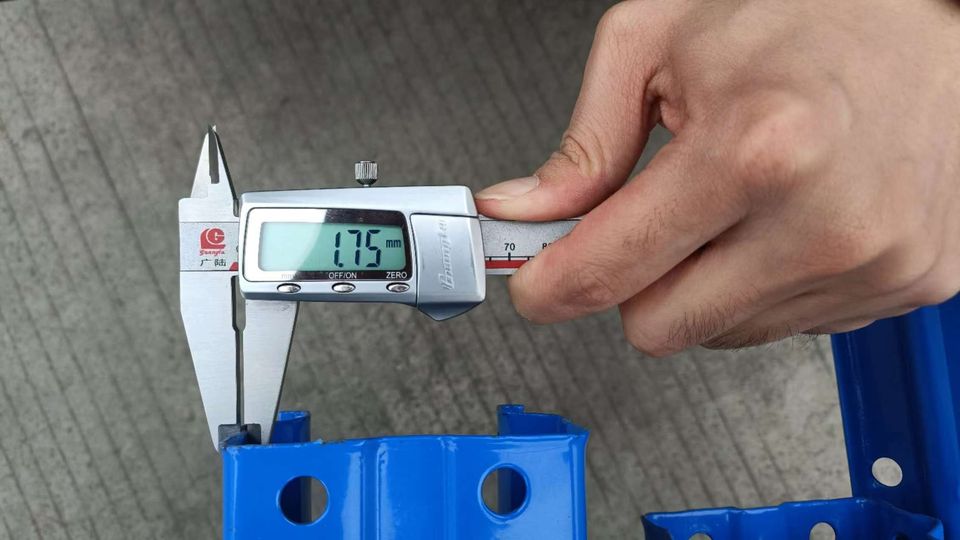
| Upright Column Profile | 50mm x 47mm x 1.5mm | 55mm x 47mm x 1.8mm | 60mm x 50mm x 2.0mm |
| Beam Profile (Step/P-beam) | 50mm x 30mm x 1.2mm | 60mm x 40mm x 1.5mm | 70mm x 40mm x 1.8mm |
| Steel Grade Selection | Q235B Premium Cold-Rolled | Q235B / Q355B Upgrade | Q235B / Q355B Industrial Grade |
| Deflection Safety Ratio | < L/200 under full load | < L/200 under full load | < L/240 under full load |
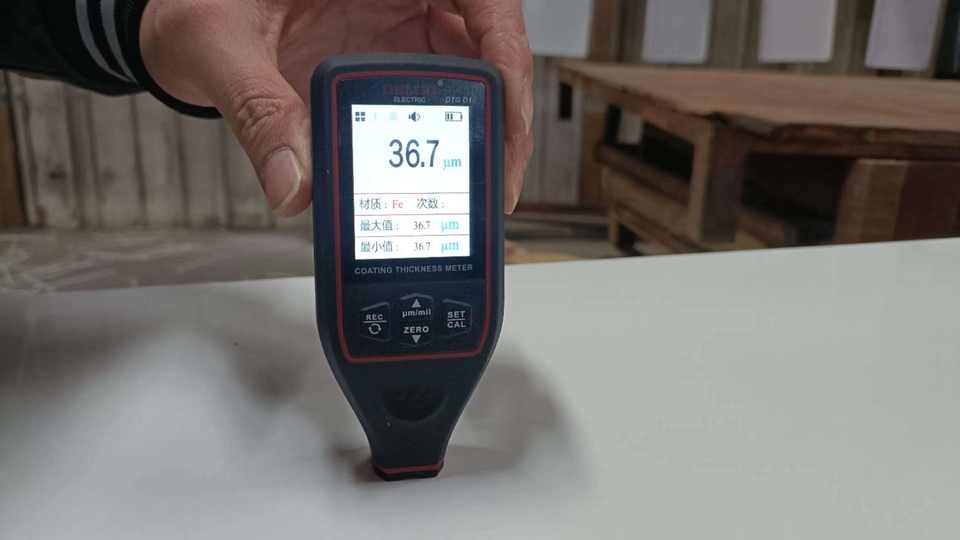
| Surface Protective Coating | 60-80μm Electrostatic Powder | 60-80μm Electrostatic Powder | Hot-Dip Galvanized / Electrostatic Powder |
Worldwide, the logistics industry is shifting toward modularity, sustainability, and automated system integration. The massive surge in e-commerce globally, coupled with supply chain nearshoring, has driven warehouse managers to opt for smart boltless shelving layouts. By eliminating complex welding and bolting during installation, boltless medium-duty shelves (such as our RD-33# and Runda 35# lines) cut installation times by up to 60%, allowing rapid redeployment of warehouse layout configurations. Furthermore, sustainable manufacturing practices, including lead-free powder coatings and low-carbon steel recycling programs, are now mandatory procurement baselines across North America, Northern Europe, and Australia.
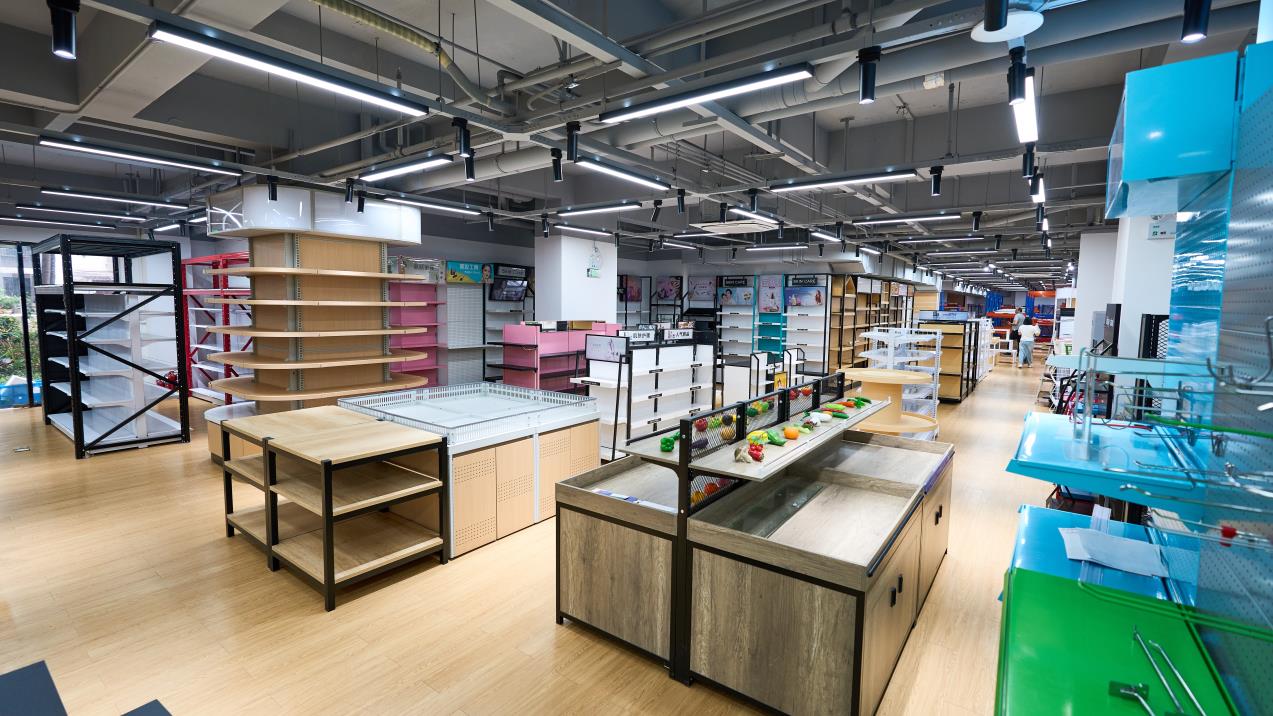
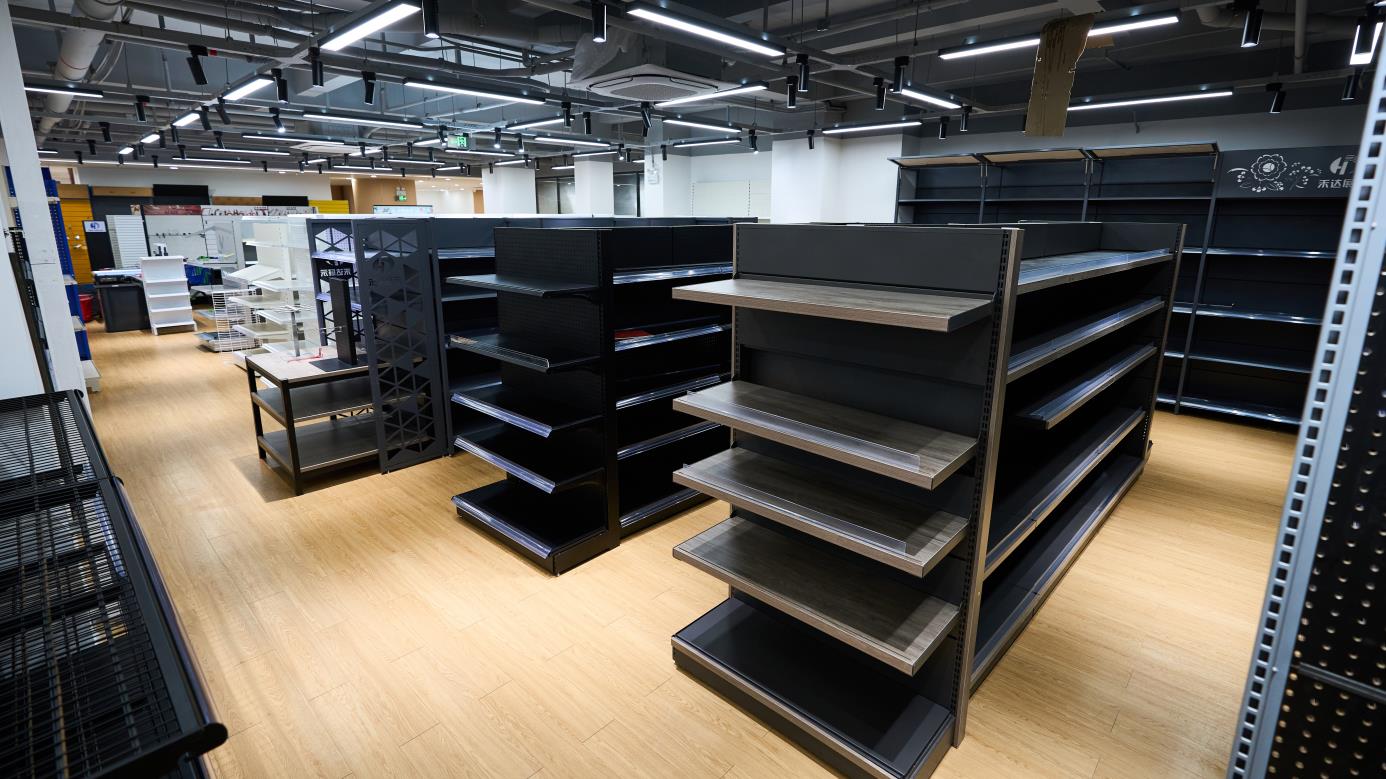
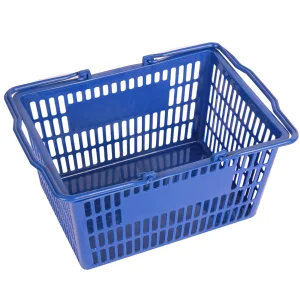
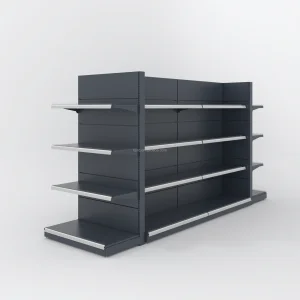
Beyond traditional pallet environments, retail, convenience stores, and specialized industrial facilities require hybrid storage solutions. The following products combine retail-level layout versatility with heavy-duty structural capabilities.
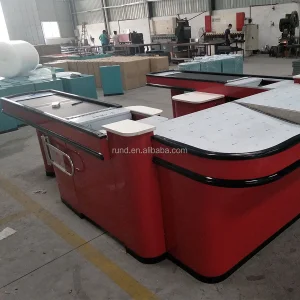
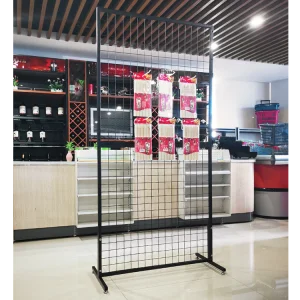
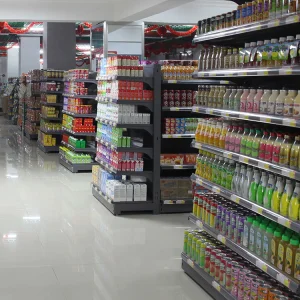
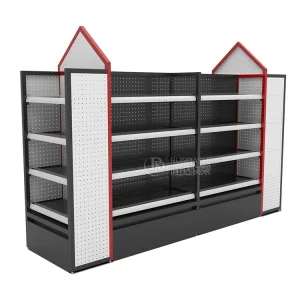
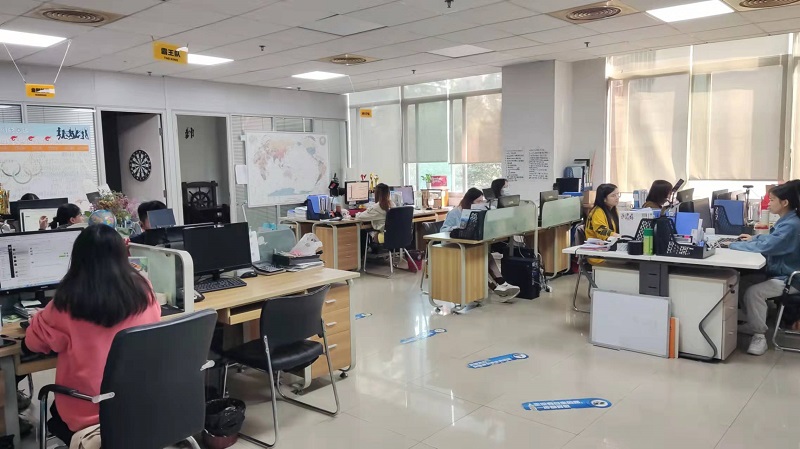
In accordance with the Google Search Quality Rater Guidelines, physical product integrity is validated by manufacturing credentials. At Ningbo CrownRacking Intelligent Warehouse Tech Co., Ltd., our operational transparency, industrial footprint, and quality validation processes ensure that clients in Osaka and worldwide receive structurally sound shelving systems that conform to the highest safety classifications.
Our quality verification processes leverage advanced inspection gear, ensuring structural load protection and corrosion resistance. We implement Full-Cycle In-Line & Final Stress Load Inspections, using Laser Coordinate Measuring to check beam alignment and Coating Thickness Verification to maintain a minimum of 60 microns of protective electrostatic powder finish.
Since 2018, CrownRacking has accumulated 5 years of international trade experience and 8 years of industry-dedicated leadership. We focus on High-Density Cantilever & Multi-Tier Mezzanine Engineering, offering customizable options ranging from custom RAL color matching to specialized seismic-bracing and rack protectors. Over the past year alone, our 54 R&D engineers introduced 85 new product launches.
Operating a warehouse facility in the Kansai region requires special consideration of Japan's seismic risk profile. Seismic waves require dynamic energy dissipation within storage structures to prevent total rack collapse, especially under mid-weight loads (100–300kg) that can tip over due to high-gravity centers.
To safely install medium shelving in areas like Osaka Harbor or near the Uemachi Fault Line, specific protocols must be implemented:
Our racking lines serve a variety of industries across Osaka:
The following selection presents our globally exported, stress-tested warehouse systems and commercial utility gear. All structural profiles are fully compliant with ISO 9001 quality frameworks.
When selecting and importing industrial shelving solutions to Japan, procurement officers and warehouse directors must navigate complex safety, compliance, and logistics questions. Below, our engineering leads address critical technical details.
 CrownRacking