Engineered to comply with local retail optimization, seismic demands, and micro-fulfillment needs. These selected systems highlight high spatial performance and durability.
San Francisco is one of the most demanding retail landscapes in North America. The Bay Area, comprising major economic hubs like Oakland, San Jose, and the Peninsula, presents a complex ecosystem where high operating overheads, minimal square footage, and stringent local regulations dictate store layouts. With retail rent averaging premium rates, supermarket operators, boutique specialty stores, and logistics distribution parks cannot afford under-utilized spatial volume. Every single square foot must work toward maximizing inventory velocity and customer transit flow.
Furthermore, California's strict Title 24 energy code and structural seismic requirements (under CBC Chapter 16) shape store construction. Store display shelving, heavy-duty warehouse storage racks, and mezzanine floor structures must be engineered to resist significant lateral seismic forces. Standard modular fixtures commonly used elsewhere will fail to meet the localized building codes of the San Francisco Bay Area without rigorous certified load capacities, reinforced base plates, and robust anchoring designs. By understanding these micro-market parameters, Ningbo CrownRacking provides pre-engineered structural steel storage systems that simplify local permitting and optimize floor planning.
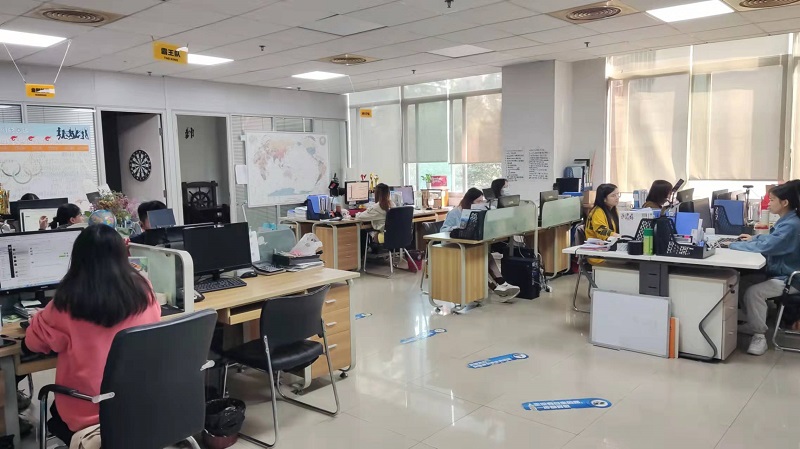
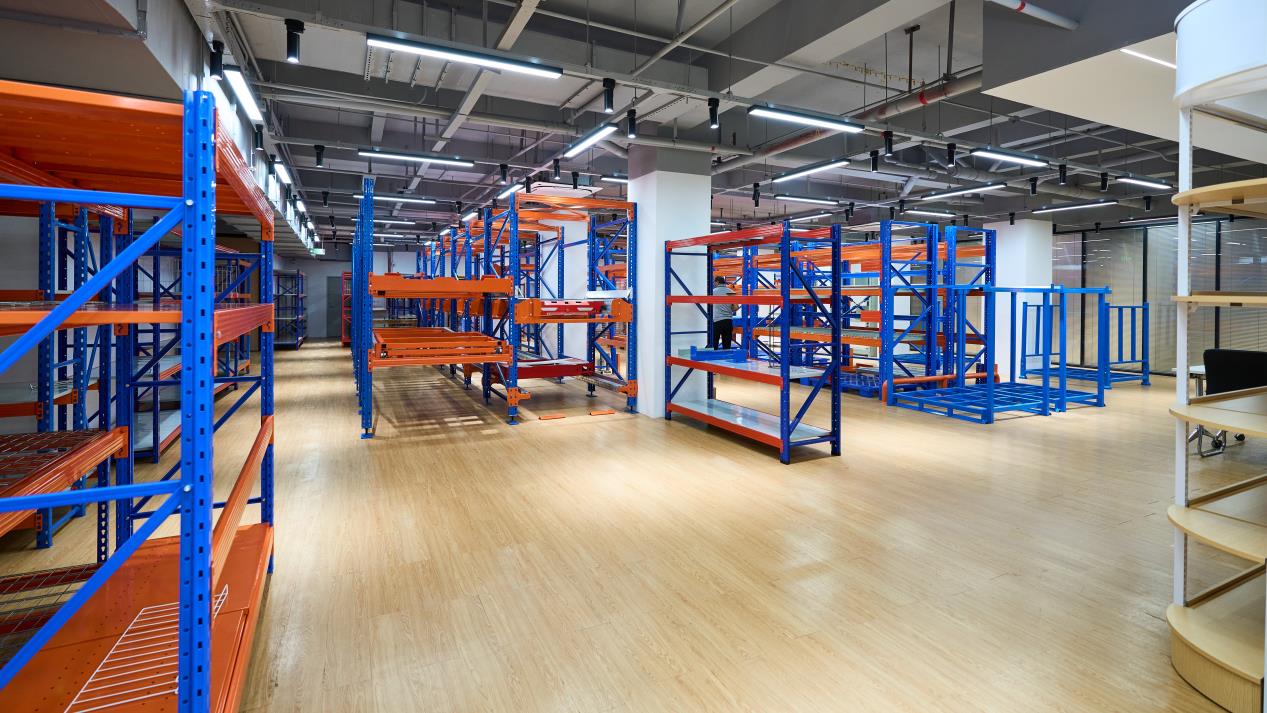
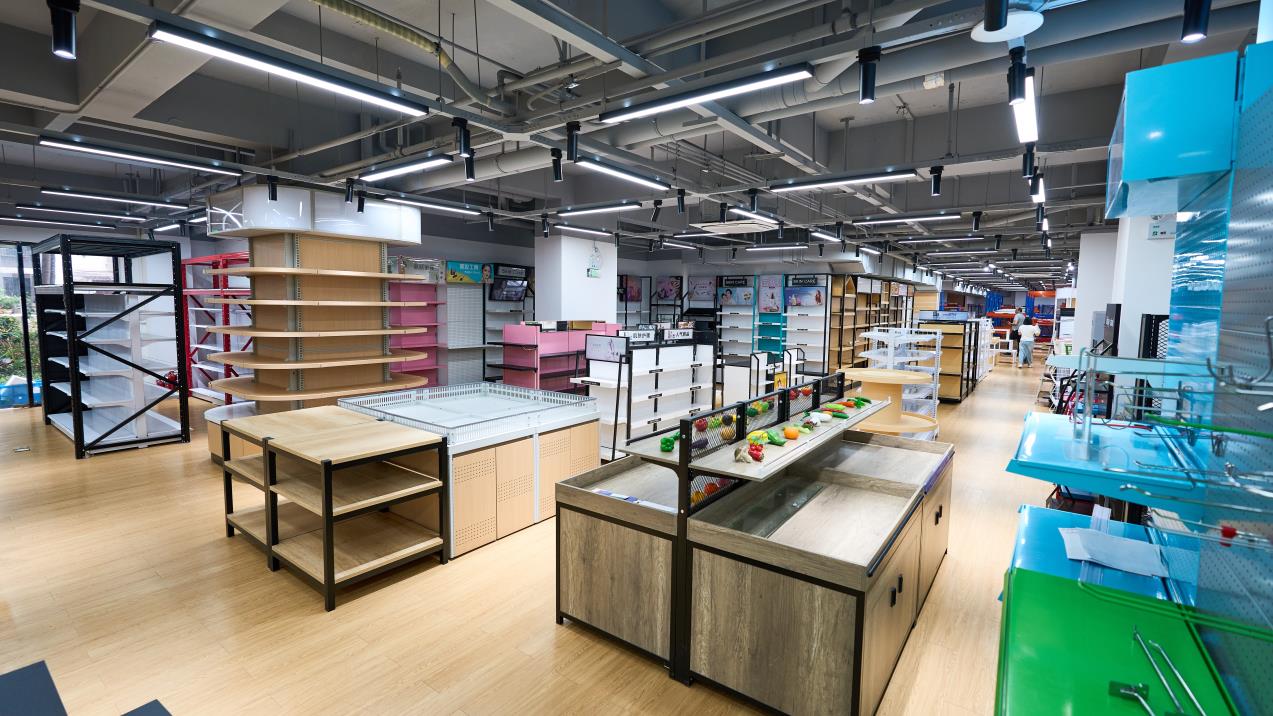
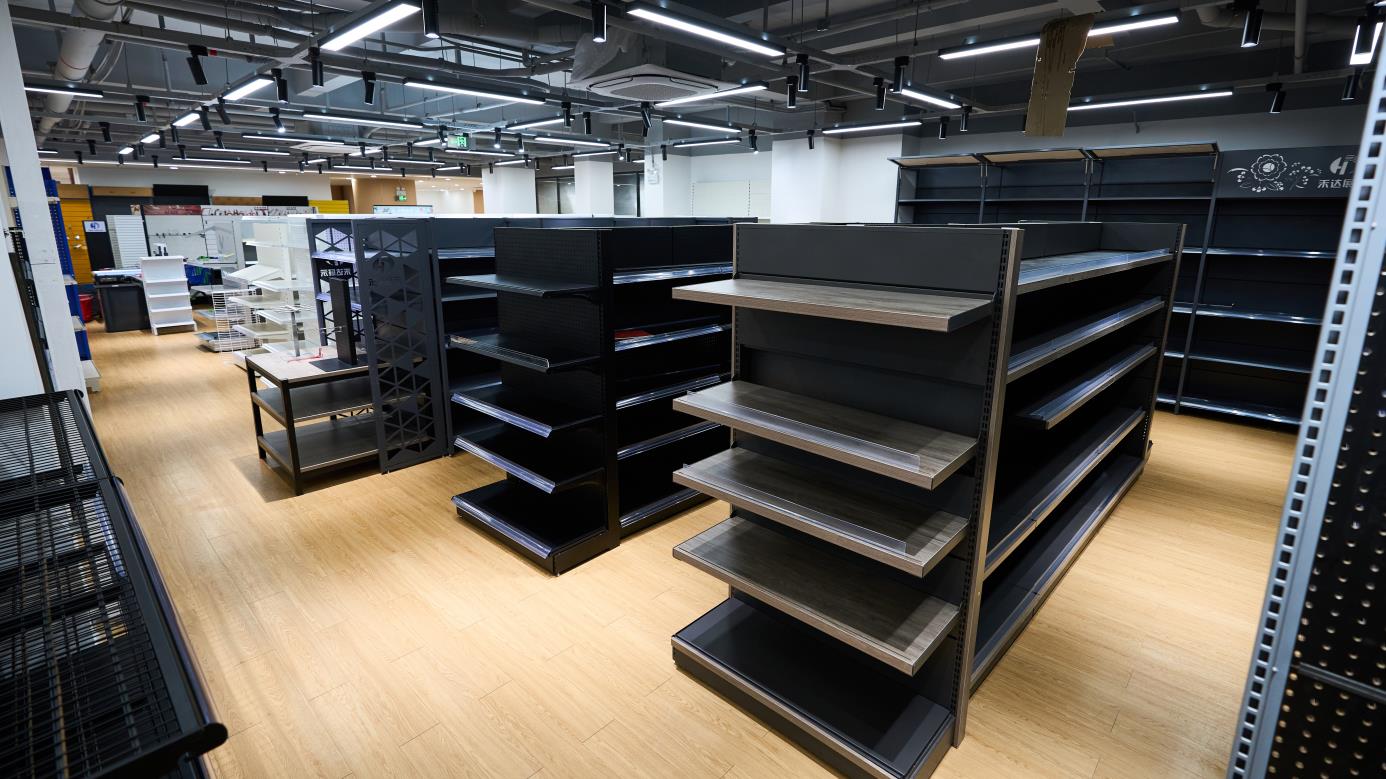
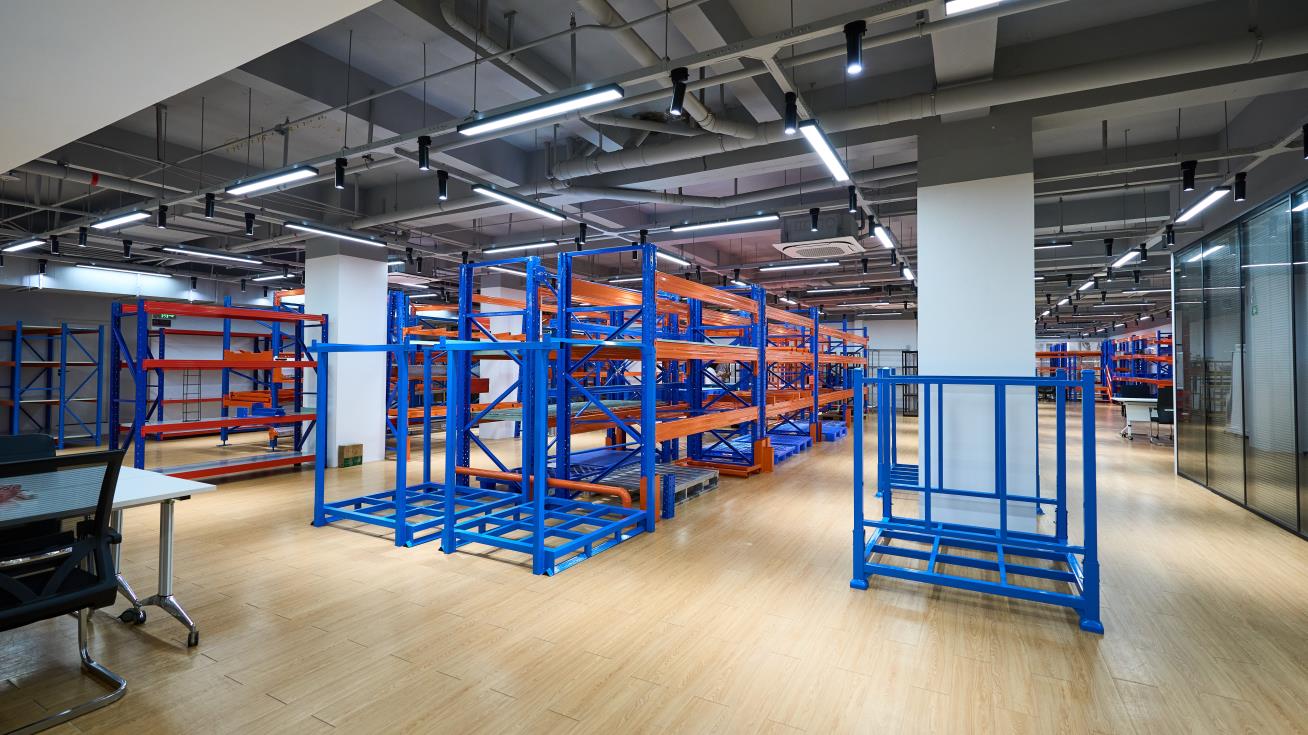
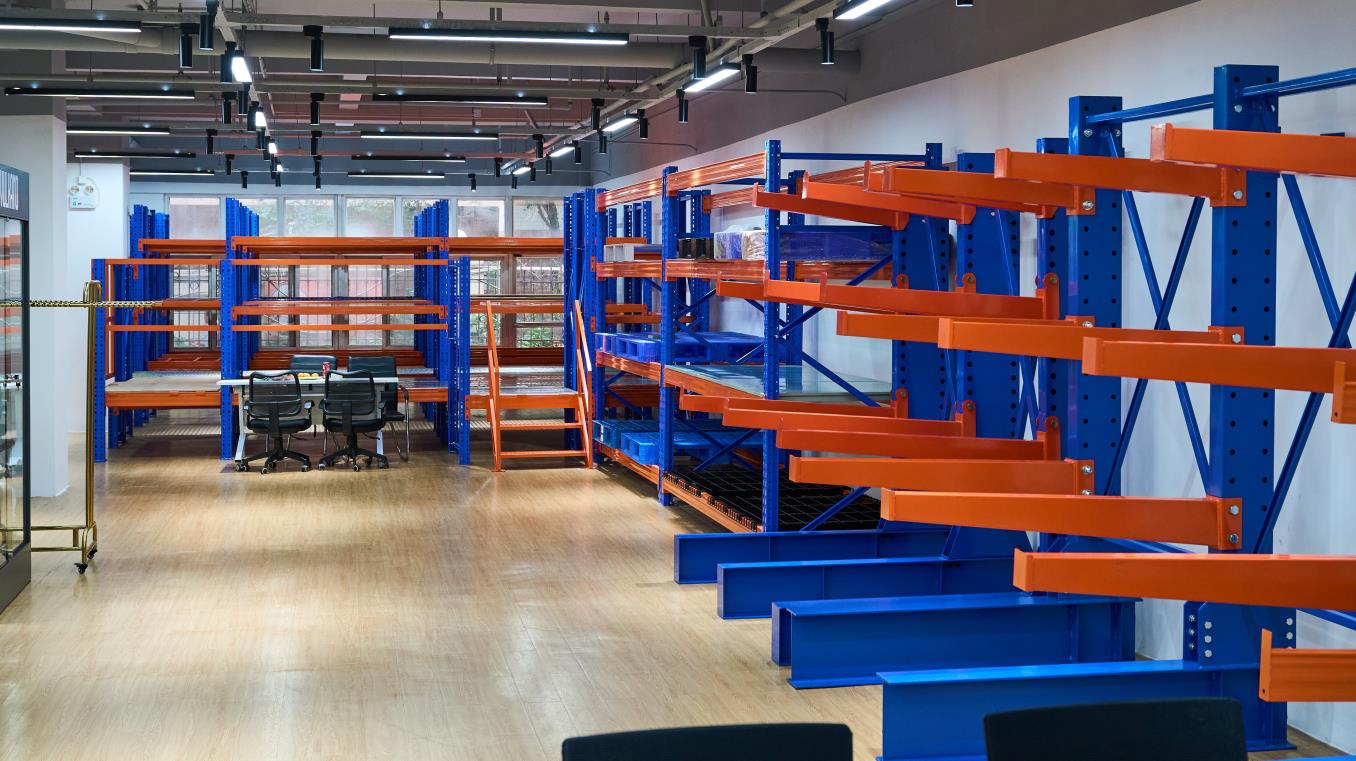
Ningbo CrownRacking Intelligent Warehouse Tech Co., Ltd. drives operational efficiency and material quality through automated infrastructure.
We ensure that our supermarket shelving, checkouts, and warehouse mezzanines maintain structural performance through continuous in-line testing. By utilizing professional testing machinery, including calibrated steel thickness gauges and advanced electrostatic coating thickness verifiers, we confirm that our products can resist corrosion, wear, and structural fatigue in coastal environments like San Francisco.
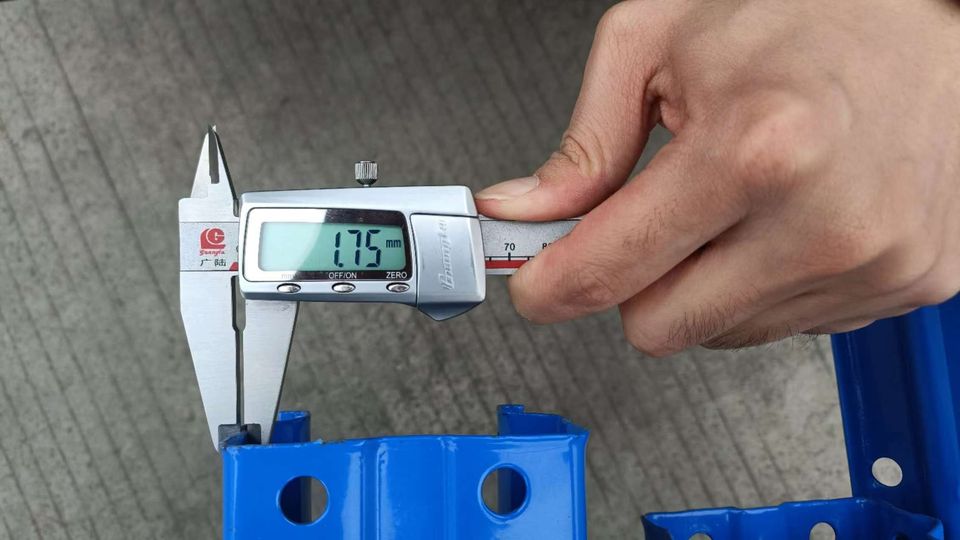 Digital Caliper Tolerances Verification
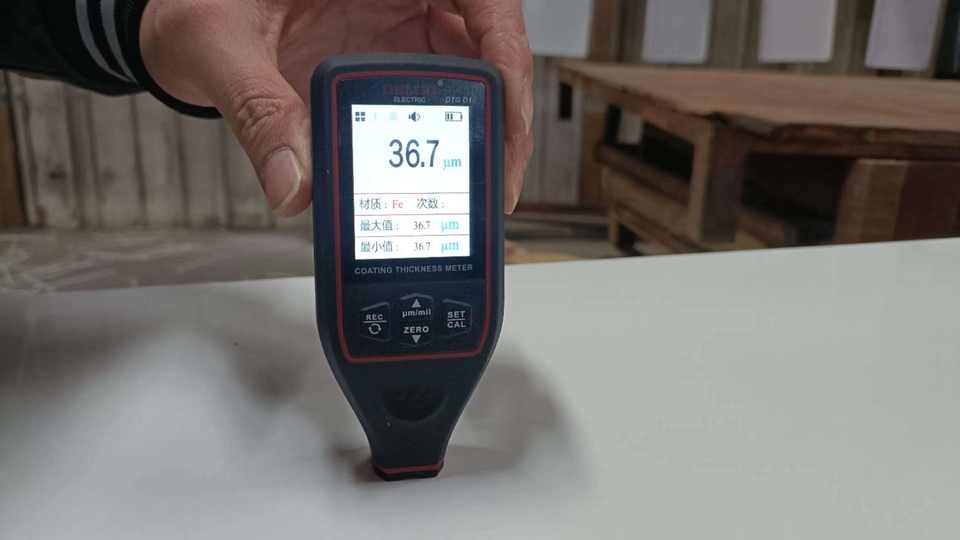 Coating Thickness Testing
Operating since 2018 out of our modern production facility, CrownRacking has prioritized high-performance materials. We utilize Q235B structural carbon steel—a high-tensile material designed for load capacity and seismic impact flexibility. Unlike generic recycled steels, Q235B possesses the ductility needed to absorb and dissipate lateral kinetic energy, a vital specification for any structure erected in Northern California.
Our Factory 4.0 framework employs CNC fiber lasers for clean cutting, fully automated welding robots that eliminate joint defects, and a multi-stage automated powder coating line. The resulting electrostatic dry-powder coating provides resistance to humidity and coastal salt-fog, preventing underlying rust propagation. Our Full-Cycle In-Line & Final Stress Load Inspection guarantees that every retail bracket, structural beam, and upright frame meets the physical load ratings stamped on our engineering layouts.
The shift toward hybrid retail models, localized distribution networks, and smart display structures.
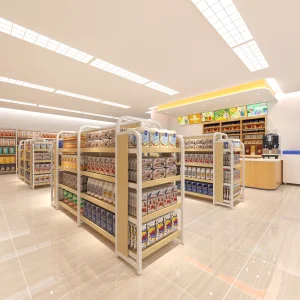
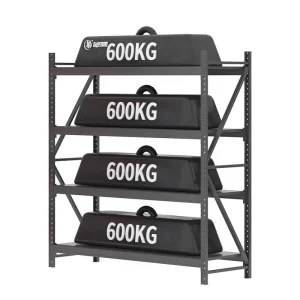
Supermarkets are transitioning back-of-house zones into localized pick-up hubs. Heavy-duty mezzanine floors and adjustable vertical steel racks optimize these tight footprints, allowing retail stores to act as rapid e-commerce hubs without expanding physical layouts.
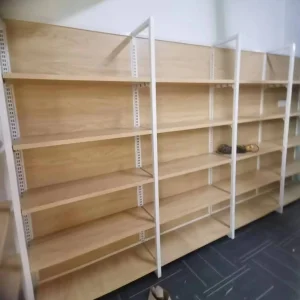
Modern grocery stores utilize a blend of metal strength and natural wood finishes. This hybrid approach provides high load capacities while creating the warm display environment expected by organic and natural foods consumers.
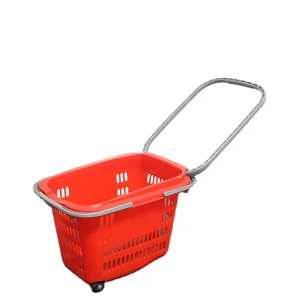
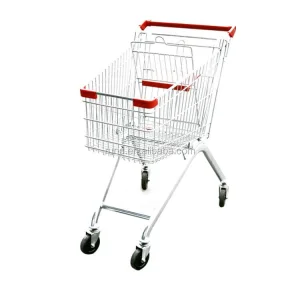
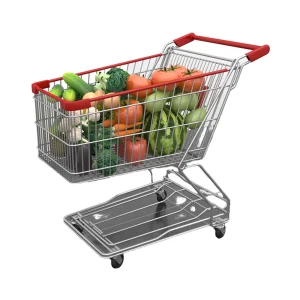
Durable components reduce long-term operational impact. Using repairable, long-lasting stainless steel transport shopping carts and modular shelving minimises structural metal waste and replacement cycles, matching California's sustainable sourcing initiatives.
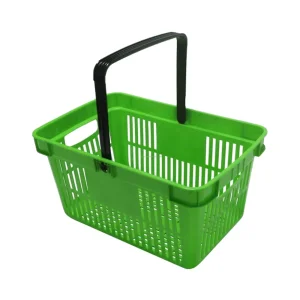
Explore our full line of industrial logistics, storage, and customer checkout systems. Every asset is built to order, with custom sizing, load configurations, and colors available.
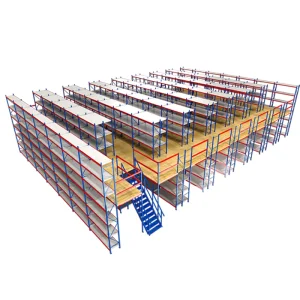
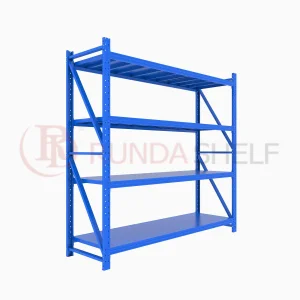
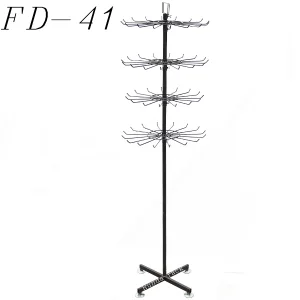
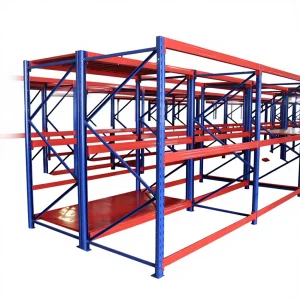
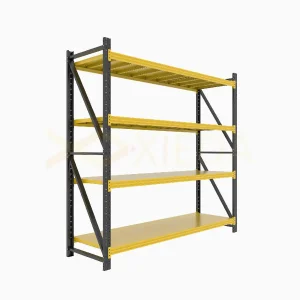
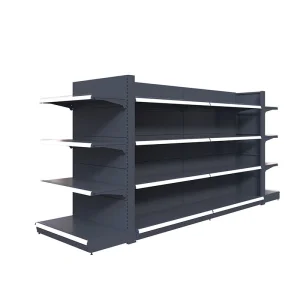
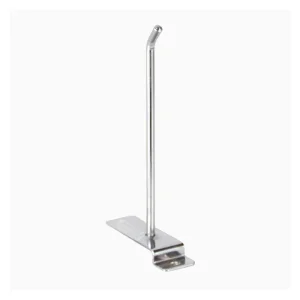
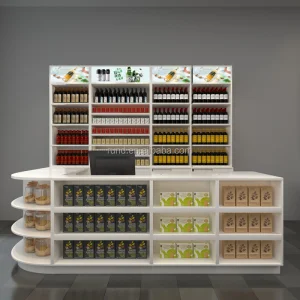
Technical advice regarding retail storage code compliance, material certifications, and shipping configurations.
Under the California Building Code (CBC) Title 24, all heavy-duty shelving and storage racks exceeding 5.9 feet (71 inches) in height must be anchored to the floor using certified seismic anchors. San Francisco is classified under high Seismic Design Categories (typically D, E, or F). CrownRacking provides pre-drilled base plates engineered to accept concrete wedge anchors (such as Simpson Strong-Tie or Hilti systems) to withstand lateral ground movements. Our design engineers provide calculations for retail and warehouse systems to support local permitting.
We implement a Full-Cycle In-Line & Final Stress Load Inspection managed by our 62-person QC staff. Quality control is verified using high-precision measuring tools like coordinate lasers, digital calipers for steel gauge validation, and digital coating thickness meters to ensure uniform paint deposition. This prevents surface degradation and underlying steel oxidation in humid, coastal, or high-traffic grocery store environments.
Q235B structural carbon steel is a material engineered for moderate yield strength (235 MPa) and ductility. Its composition allows it to deform without cracking under seismic shifts, absorbing dynamic energy. This is a critical safety consideration for retail public spaces in high-risk zones. Additionally, Q235B provides high structural capacities, meaning shelf profiles can remain thin and modern while supporting heavy merchandise loads.
We provide full design customization via our 54 R&D engineers. For high-end organic grocers, we supply hybrid steel-and-wood shelving systems, combining clean natural timber aesthetics with the structural loading capacity of metal. We offer custom powder-coating matches across all standard RAL colors, integrated LED lighting tracks under shelves, and custom cashier counter configurations built to fit specific POS systems and store layouts.
Manufacturing typically requires 20 to 30 days depending on the customization scope. Ocean transit from the Port of Ningbo directly to the Port of Oakland or the Port of San Francisco averages 14 to 22 days. We coordinate container loading to optimize density, ensuring components arrive undamaged and nested to reduce local drayage and warehouse handling costs in the Bay Area.
Get in touch with our engineering and logistics teams to design, quote, and source your retail display layouts, heavy storage racks, or custom supermarket systems.
 CrownRacking