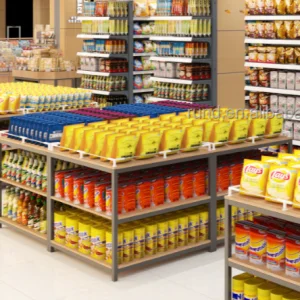
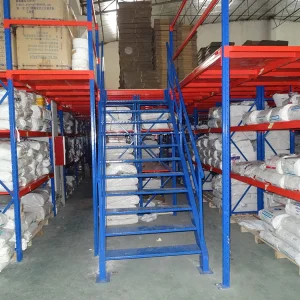
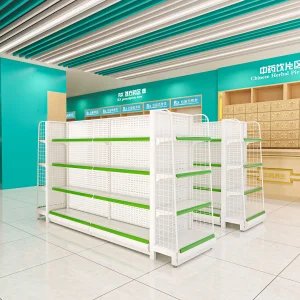
Explore our premium structural components, rigorously stress-tested for high-density logistics hubs and commercial environments across the US.
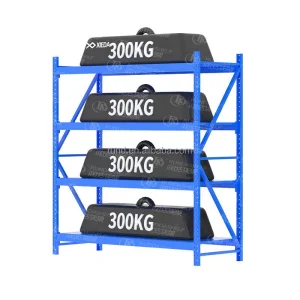
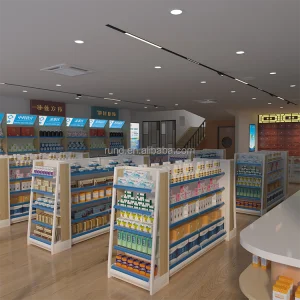
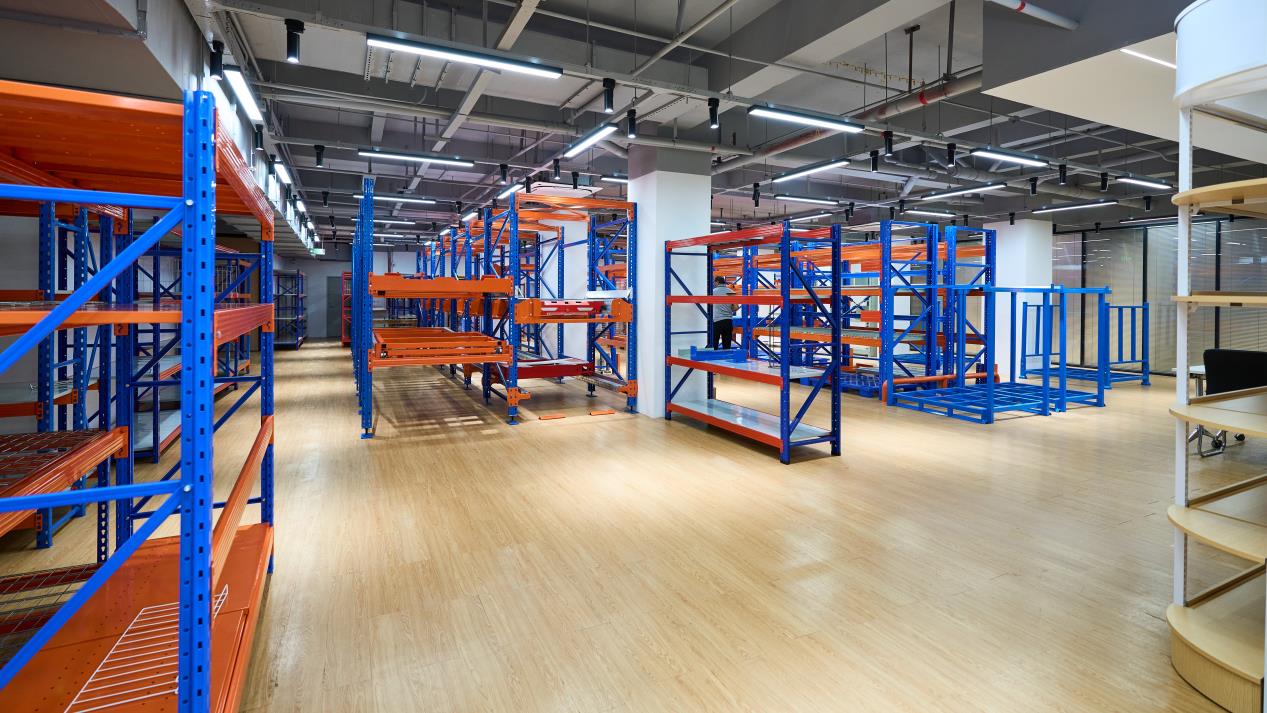
How our heavy-duty steel systems meet the rigorous demands of US localized industrial structures.
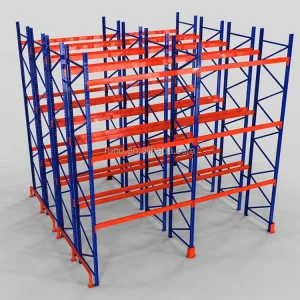
Designed and manufactured in accordance with RMI (Rack Manufacturers Institute) and ANSI standards. Our structures incorporate heavy-duty seismic bracing and specialized base plates for high-risk earthquake zones (Seismic Design Categories C through F).
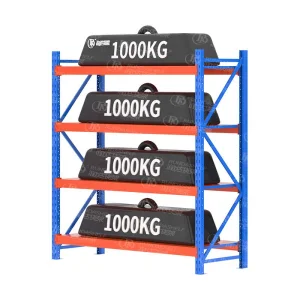
We source cold-rolled structural carbon steel featuring optimal yield strength and elongation. Continuous computerized roll-forming processes ensure that upright columns and box beams maintain exact load profiles without structural fatigue.
Our electrostatic powder coating line applies a high-durability finish resistant to impacts, abrasions, and chemical solvents. Ideal for demanding cold-storage setups and heavy manufacturing zones across North America.
A Comprehensive Guide to Supply Chain Infrastructure, Structural Load Dynamics, and Global Sourcing Economics.
The landscape of industrial warehousing in the United States is undergoing a profound structural shift. Driven by the continuous growth of e-commerce, localized omnichannel fulfillment, and nearshoring of manufacturing assets, the demand for high-efficiency space has surged. Major logistics corridors—such as Southern California's Inland Empire, Dallas-Fort Worth, Chicago's logistics ring, the Atlanta metro area, and the New Jersey/New York ports—face intense space constraints. Consequently, warehouse developers and logistics managers are no longer just expanding footprint area; they are focusing heavily on vertical cube utilization.
As industrial ceiling heights in newly constructed class-A facilities climb to 36 feet and even 40 feet or higher, the physical load placed on heavy-duty pallet racking systems has escalated dramatically. Uprights must withstand higher static loads and dynamic operational stresses. Furthermore, localized building codes dictate strict compliance with structural and fire safety regulations. In states like California, Washington, and parts of the Mountain West, seismic design parameters (calculated according to the International Building Code and ASCE 7) require racking structures to absorb horizontal acceleration forces. This makes heavy-duty engineering, robust anchoring, and seismic baseplates non-negotiable requirements for industrial rack procurement.
On a global scale, supply chains are prioritizing resilience over pure "just-in-time" inventory models. This shift toward "just-in-case" safety stocks requires significantly more pallet positions per square foot. Multi-tier mezzanine floor structures, push-back racking, carton flow racks, and Automated Storage and Retrieval Systems (AS/RS) are replacing standard selective pallet racks in high-throughput distribution hubs.
Internationally, standardization bodies like the European Federation of Materials Handling (FEM) and the Rack Manufacturers Institute (RMI) in the United States govern the engineering specifications of steel storage systems. Global companies operating across multiple regions seek manufacturing partners that can produce systems adaptable to these regional specifications. This requires a highly flexible production line capable of switching between imperial measurements for the American market and metric specifications for European or Australian logistics grids.
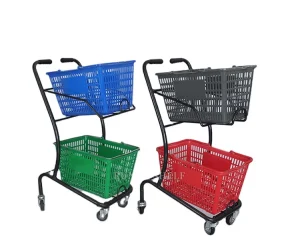
For American enterprise buyers, procurement strategy often balances domestic lead times against the significant cost-efficiency and volume scale of specialized Chinese manufacturing plants. Ningbo CrownRacking Intelligent Warehouse Tech Co., Ltd. exemplifies this structural advantage. With a modern, highly automated 46,500 m² production complex, our facility utilizes continuous robotic welding stations, multi-station roll-forming mills, and large-scale, climate-controlled electrostatic powder coating bays. This industrial automation ensures component consistency that is difficult to replicate with manual processes.
The Chinese supply chain ecosystem provides rapid access to high-grade cold-rolled structural steel (primarily Q235B and Q355B), resulting in substantial raw material cost control. By maintaining tight, direct relations with major domestic steel mills, CrownRacking secures consistent steel chemistry and thickness. This directly correlates with structural integrity and load capability, preventing the structural deformation risks associated with lower-grade recycled metals. Through integrated container loading, port proximity in Ningbo, and global customs coordination, we offer high-volume production schedules and cost efficiencies that help buyers offset transpacific shipping costs and Section 301 tariffs, keeping the Total Cost of Ownership (TCO) highly competitive.
Storage rack deployments vary widely depending on the industry and the materials being handled. Below are the key scenarios where CrownRacking systems are widely deployed:
To assist procurement directors, this table provides an objective comparison of domestic procurement models against CrownRacking's factory-direct global turnkey solutions.
| Comparison Parameter | US Domestic Suppliers | CrownRacking Factory-Direct Services |
|---|---|---|
| Raw Material Sourcing | Domestic ASTM steel; subject to local price volatility. | Direct mill-certified Q235B/Q355B steel; stable pricing. |
| Customization Scale | High premium for custom profiles or custom RAL colors. | Zero custom-setup fees for large orders; custom engineering. |
| Quality Control Protocol | Batch inspection; third-party structural reviews. | Full-Cycle In-Line & Final Stress Load Inspection by 62 QC staff. |
| Turnkey Support | Local dealer networks with varying installation capabilities. | End-to-end design, production, customs, and local setup. |
| Total Cost of Ownership (TCO) | Higher initial purchase cost; lower shipping expenses. | Up to 30-40% savings on production costs; optimized packing. |
The next decade in warehousing belongs to automation. Traditional static shelving is rapidly evolving to interface with autonomous mobile robots (AMRs) and AS/RS crane shuttles. This integration demands extreme precision in racking construction tolerances. Even a variance of 2 millimeters in beam sag or upright deflection can cause automated sensors to fail, stopping the entire operation.
CrownRacking is at the forefront of this trend, developing structural systems designed for tight integration with automated systems. We are also committed to sustainability, transitioning to low-VOC, lead-free powder coatings and implementing steel recycling initiatives within our 46,500 m² factory. We ensure our materials are 100% recyclable at the end of their operational lifecycle, supporting green building and LEED certifications for modern logistics facilities.
Ningbo CrownRacking Intelligent Warehouse Tech Co., Ltd. has been pioneering warehouse solutions since 2018. Operating out of a 46,500 m² modern production complex, we produce an annual export revenue of $42,000,000. Our operational success is backed by 5 years of international trade experience and 8 years of dedicated industry leadership.
We guarantee structural durability through rigorous Full-Cycle In-Line & Final Stress Load Inspection, employing Laser Coordinate Measuring & Coating Thickness Verification managed by 62 QC staff members. As a Factory Direct Exporter with Global Turnkey Project Services, our primary markets cover Australia, Northern Europe, and North America. We are supported by 1,850 supply chain partners, serving pharmaceutical distribution networks, retail logistics parks, and heavy machinery warehouses.
Our R&D capability focuses on High-Density Cantilever & Multi-Tier Mezzanine Engineering. We offer comprehensive custom options ranging from custom RAL color matching and specialized seismic-bracing to rack protectors. Over the past year, we introduced 85 new product launches developed by our team of 54 R&D engineers.
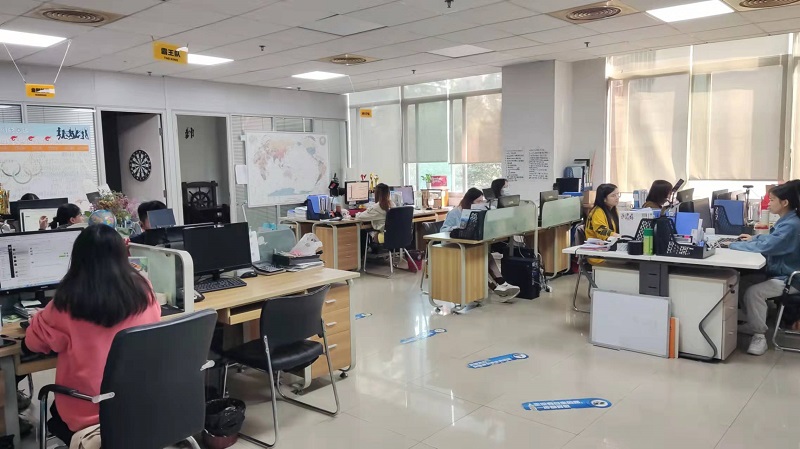
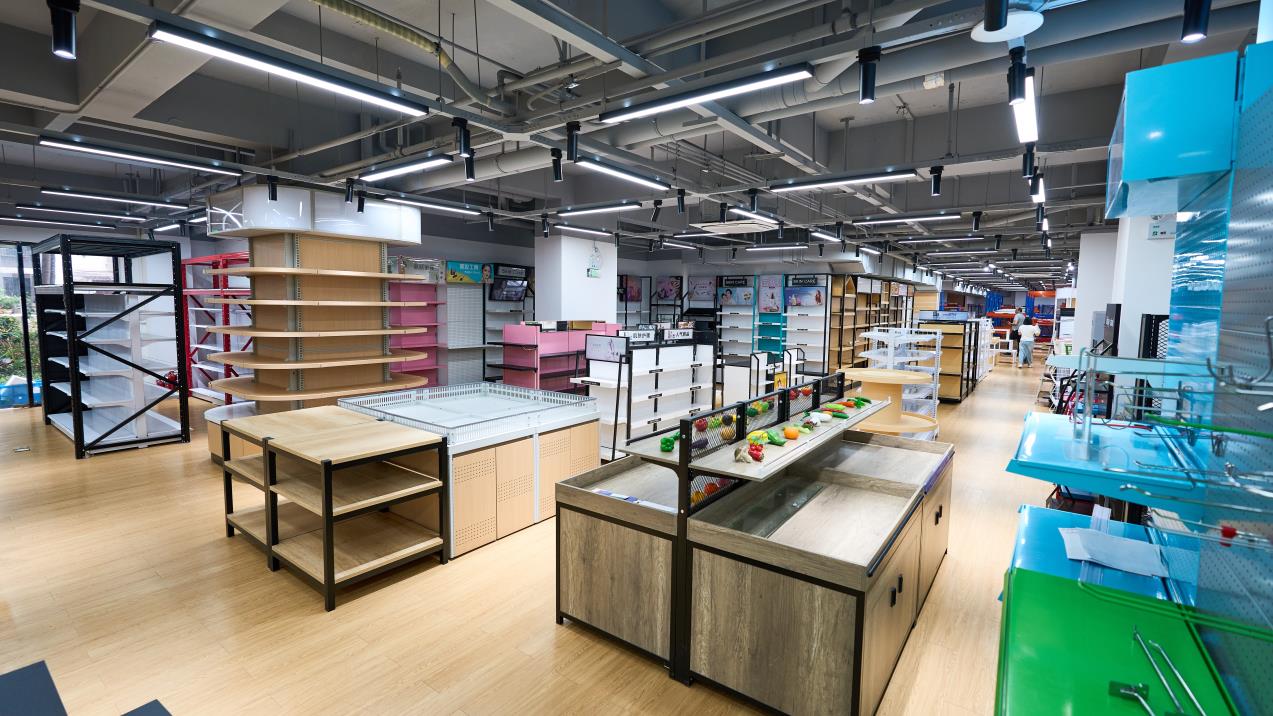
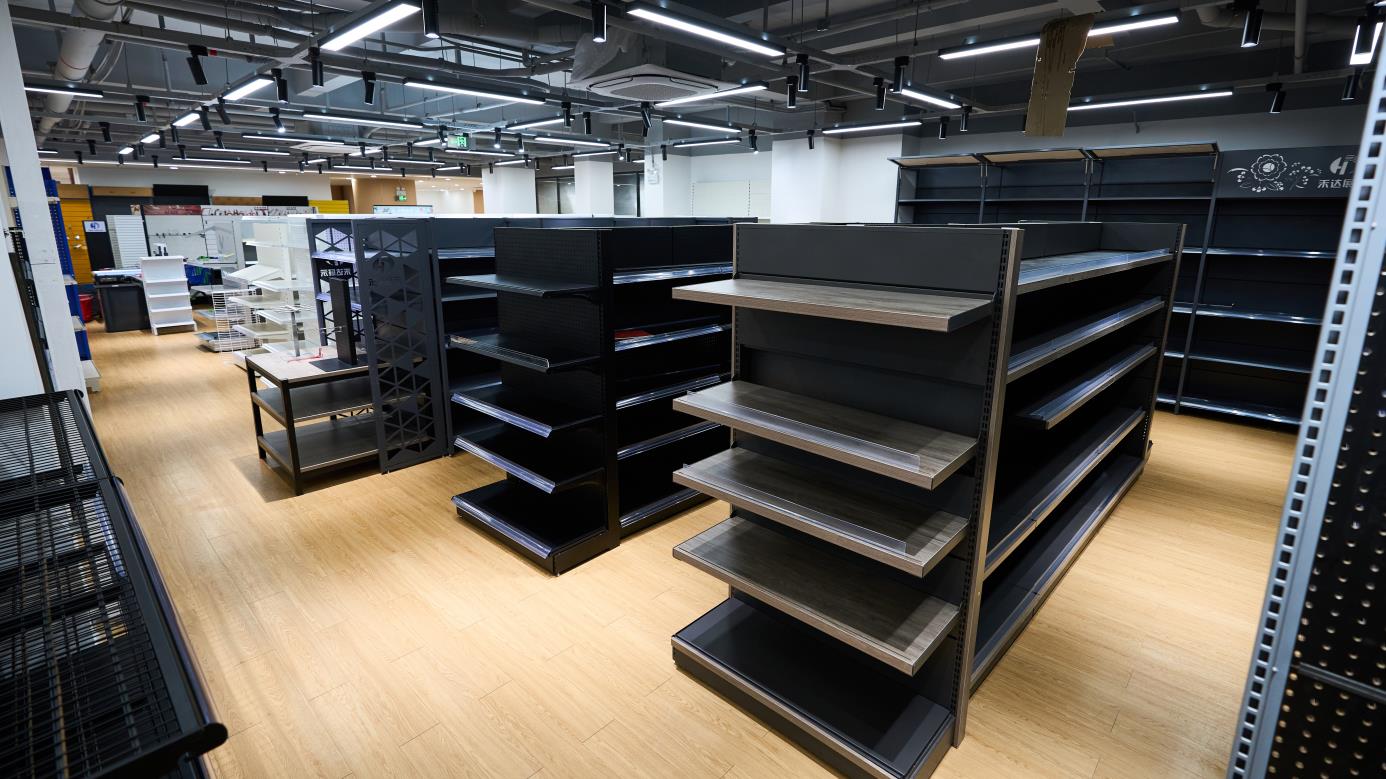
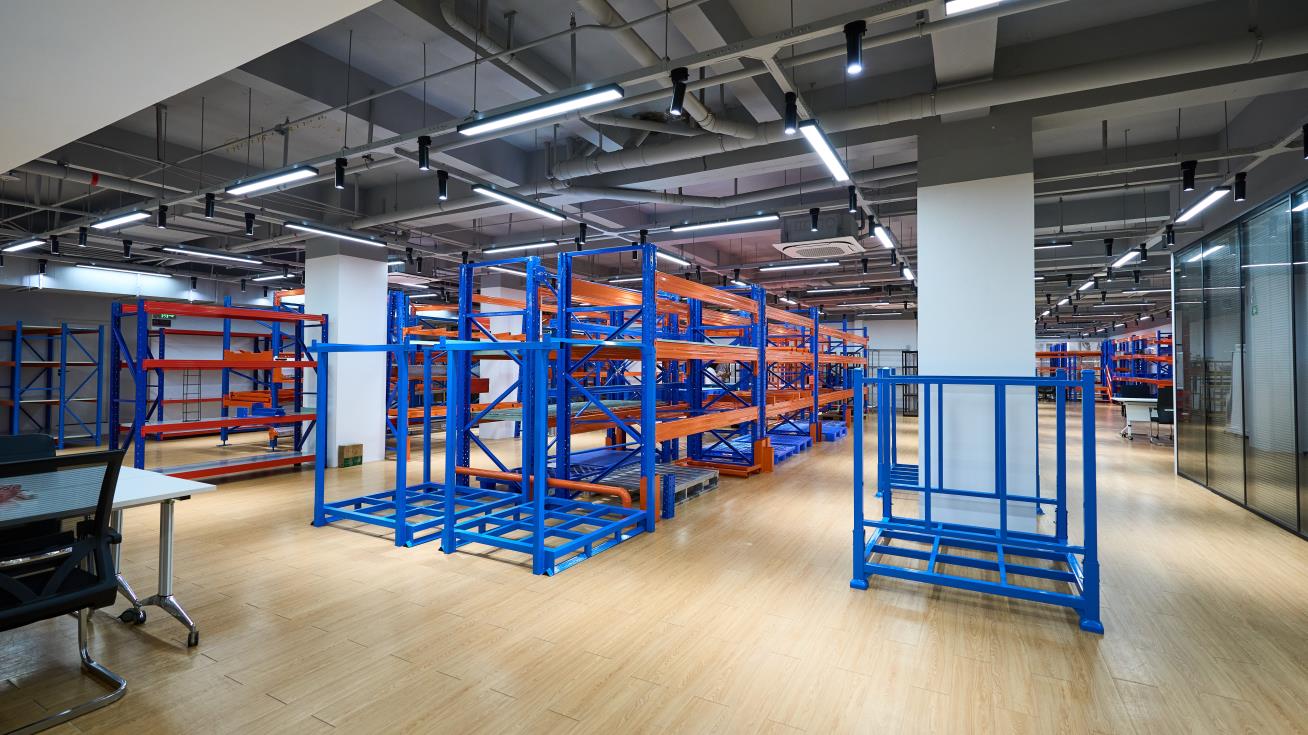
Providing certified safety measurements to ensure our racking components stand up to real-world industrial demands.
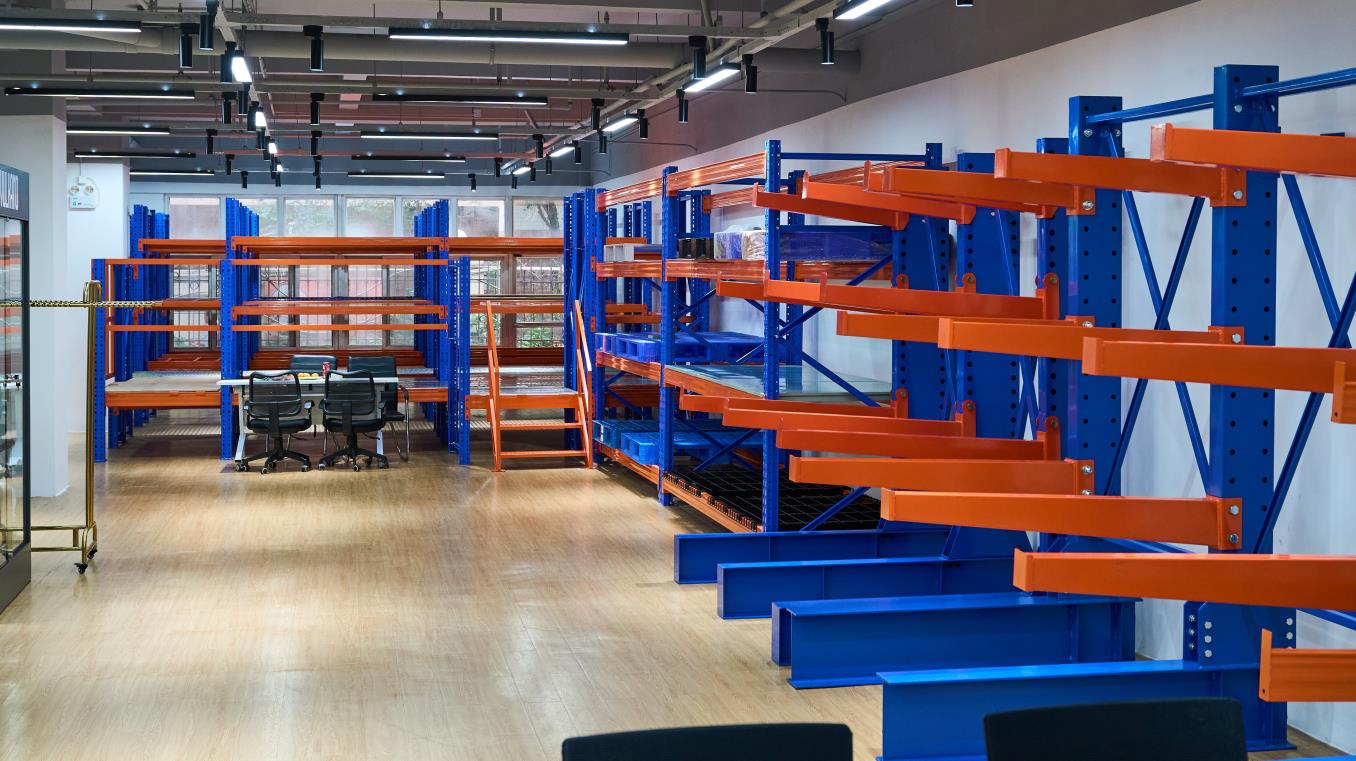
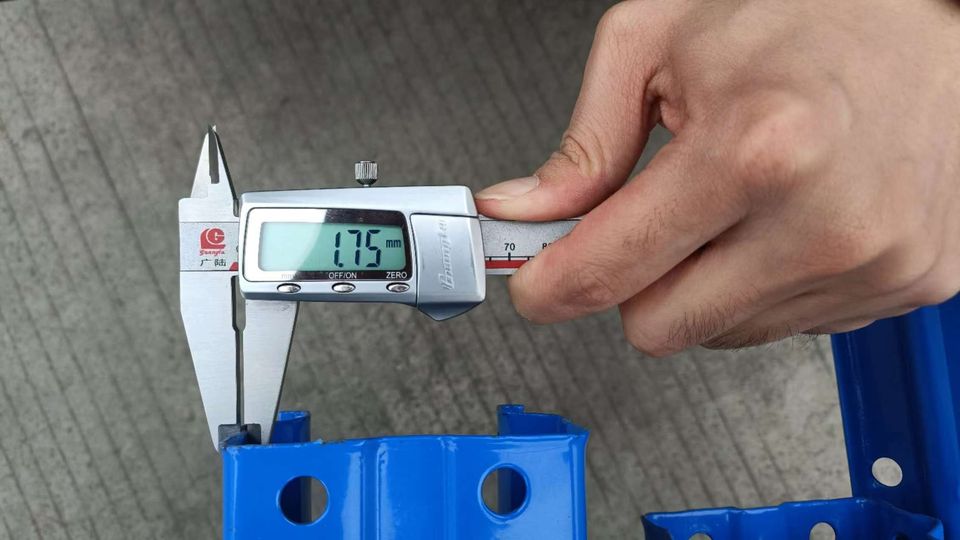
Our Quality Control team measures structural steel thickness at multiple key points using digital calipers, ensuring adherence to the exact specifications required for high weight-capacity ratings.
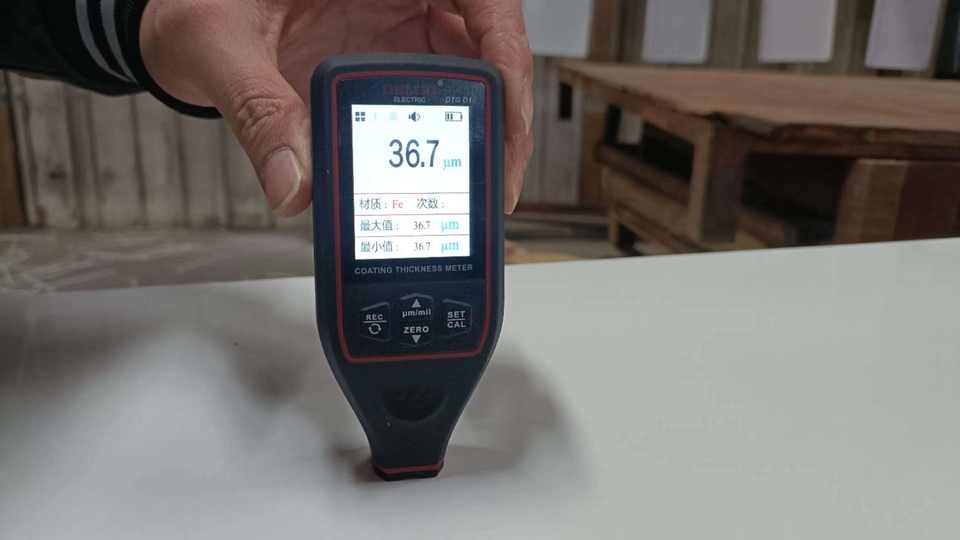
Using electromagnetic coating thickness testers, we verify the protective powder coat layer. This ensures uniform protection against rust and corrosion, even in cold-storage and high-humidity environments.
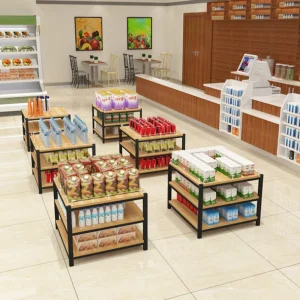
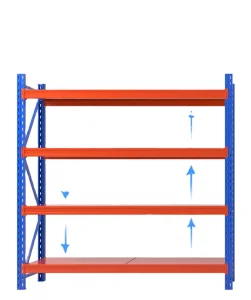
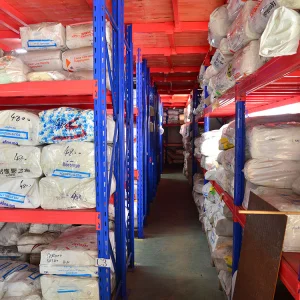
Heavy-duty structures, display systems, and industrial platforms optimized for performance under the highest operational demands.
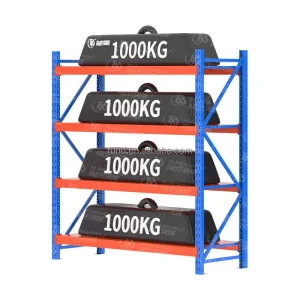
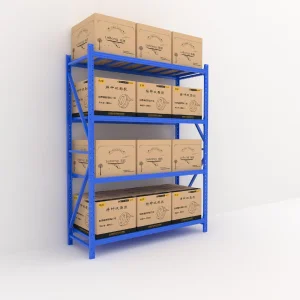
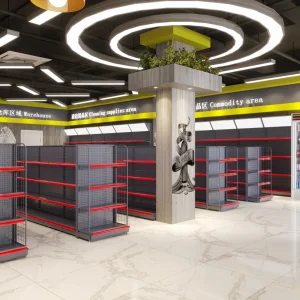
Get professional answers regarding design guidelines, standards compliance, load calculations, and global supply chain logistics.
 CrownRacking