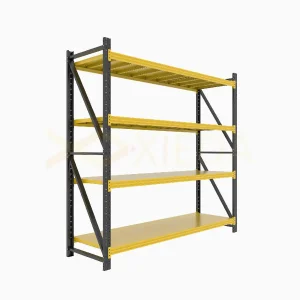
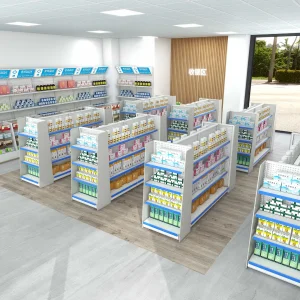
Explore our highly customized shelving configurations, mobile solutions, and heavy-duty storage racks engineered for direct efficiency.
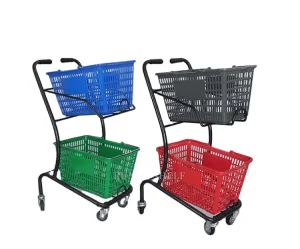
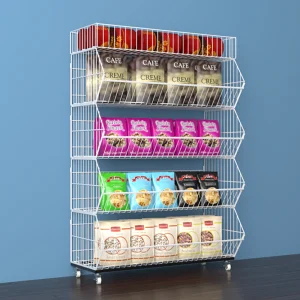
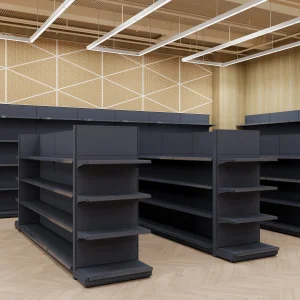
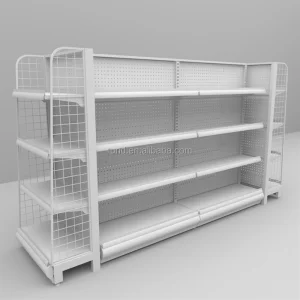
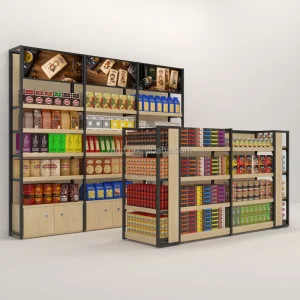
In the current landscape of global commerce, supply chain networks demand unprecedented flexibility, high volume capacity, and speed. Static warehousing is no longer viable. Modern logistics terminals, cold chain storage facilities, and high-frequency distribution centers require OEM modular shelving configurations that adapt instantly to changing product dimensions, SKU profiles, and automated picking technologies. The shift toward modularity allows commercial operators to utilize vertical clearance heights, maximizing storage density without committing to permanent, structural, cost-prohibitive modifications.
Whether deploying multi-tier mezzanine floors or heavy-duty industrial storage racks, enterprises must evaluate dynamic load parameters, aisle space optimization, and mechanical interfaces. Choosing a professional custom OEM modular shelving supplier is the primary strategic decision for operations planning. An experienced supplier designs beyond simple steel fabrication; they build engineered systems integrated with physical inventory ecosystems, accommodating automated guided vehicles (AGVs), conveyor belts, and robotic picking arms.
SEO Insight on High-Density Storage: Selecting the proper modular shelving parameters goes beyond cost per bay. True value is measured in structural volume utilization (%), picking speed improvements, and long-term modular reconfigurability without downtime.
China’s manufacturing ecosystem provides advantages in modular shelving supply, characterized by vertical supply chain integration, raw material availability, and advanced manufacturing automation. Ningbo CrownRacking Intelligent Warehouse Tech Co., Ltd. demonstrates these advantages. Operating from a modern 46,500 m² production facility, our factory uses automated cold-roll forming lines, high-precision fiber laser cutters, and robotic welding stations to convert raw coil steel into load-rated structural storage systems.
This production scale allows for cost control and custom OEM flexibility. With direct steel procurement channels and automated powder-coating processes, Chinese manufacturers maintain lead-time predictability, even during global shipping fluctuations. For overseas distributors and logistics operators, this translates into consistent supply, scalable production capacity for large projects, and lower cost-per-pallet position compared to regional manufacturers.
Industrial warehousing conditions vary significantly by geographic region due to different regulatory standards, environmental conditions, and logistical requirements.
By providing customized steel profiles, adjustable shelf pitches, and localized upright designs, we ensure our systems meet regional compliance and mechanical requirements.
We focus on integrating physical modular racking with automated logistics systems. Our development roadmap centers on smart warehousing technology:
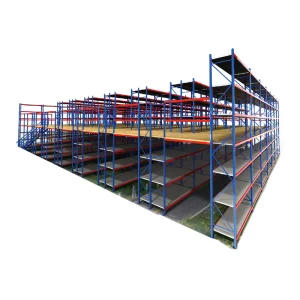
High-Density Mezzanine Engineering: Standard racking is expanding into multi-tier mezzanine floors utilizing light-gauge cold-formed steel profiles. These structures double or triple usable floor space without expanding the building footprint.
Seismic and Environmental Design: Utilizing finite element analysis (FEA), our engineering team models stress under seismic conditions, designing custom baseplates, bracing systems, and frame geometry to protect assets and workers.
IoT & Automation-Ready Systems: Future systems will integrate RFID-tagged rack components, smart sensor monitors for load deflection, and design profiles that match AGV tracking parameters for autonomous warehouses.
Ningbo CrownRacking Intelligent Warehouse Tech Co., Ltd. has been pioneering warehouse solutions since 2018. Operating out of a 46,500 m² modern production complex, we produce an annual export revenue of $42,000,000. Our operational success is backed by 5 years of international trade experience and 8 years of industry dedicated leadership.
We guarantee structural durability through rigorous Full-Cycle In-Line & Final Stress Load Inspection, employing Laser Coordinate Measuring & Coating Thickness Verification managed by 62 QC staff members. With a Factory Direct Exporter with Global Turnkey Project Services trade background, our primary markets cover Australia, Northern Europe, and North America. We are supported by 1,850 supply chain partners, serving major client types including pharmaceutical distribution networks, retail logistics parks, and heavy machinery warehouses.
Our R&D capability focuses on High-Density Cantilever & Multi-Tier Mezzanine Engineering. We offer comprehensive custom options ranging from custom RAL color matching and specialized seismic-bracing to specialized rack protectors. Over the past year, we introduced 85 new product launches, developed by our team of 54 R&D engineers.
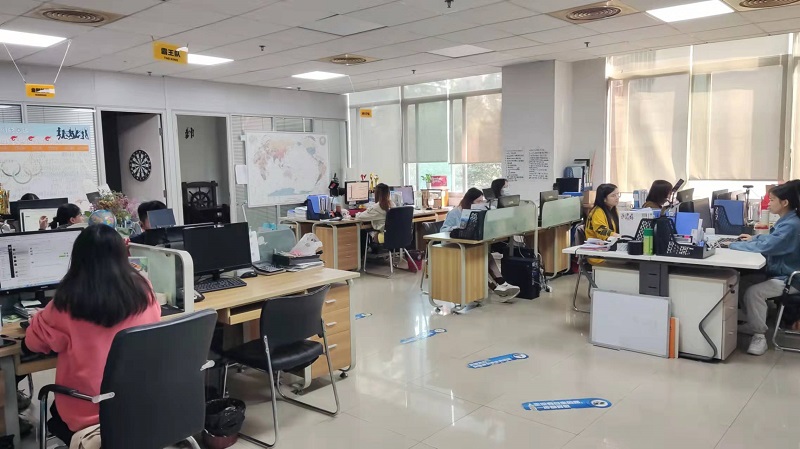
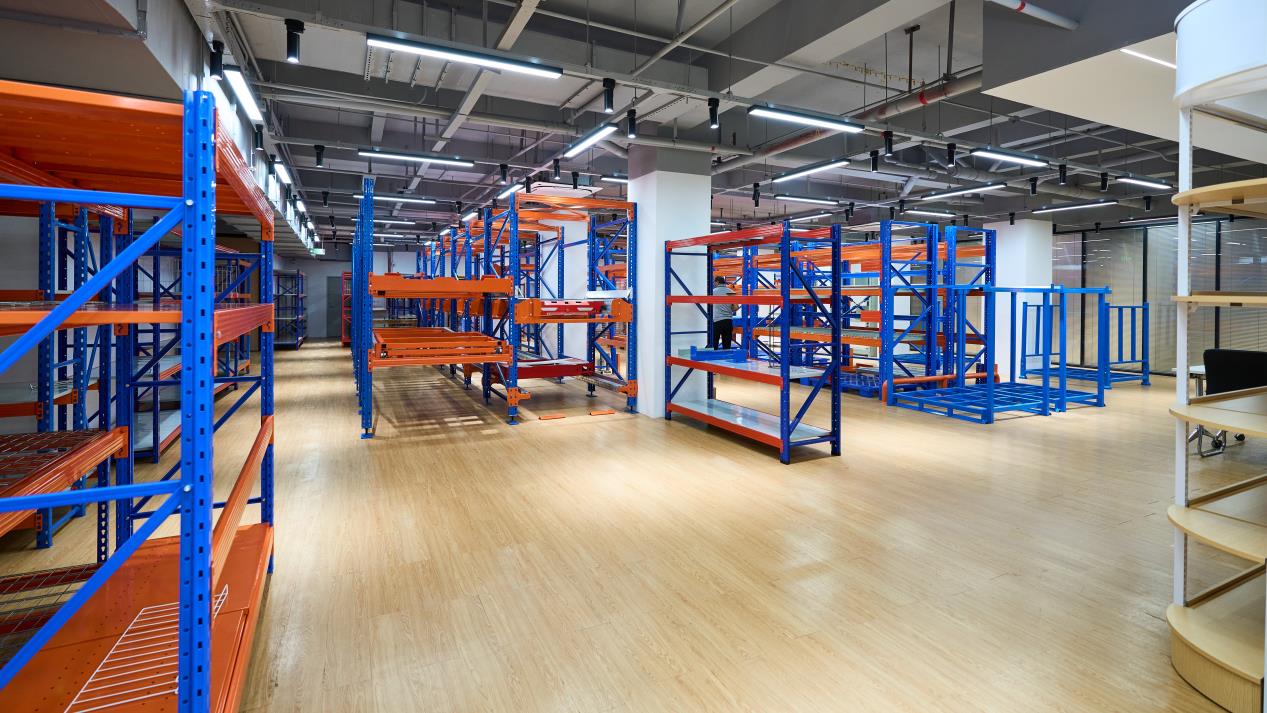
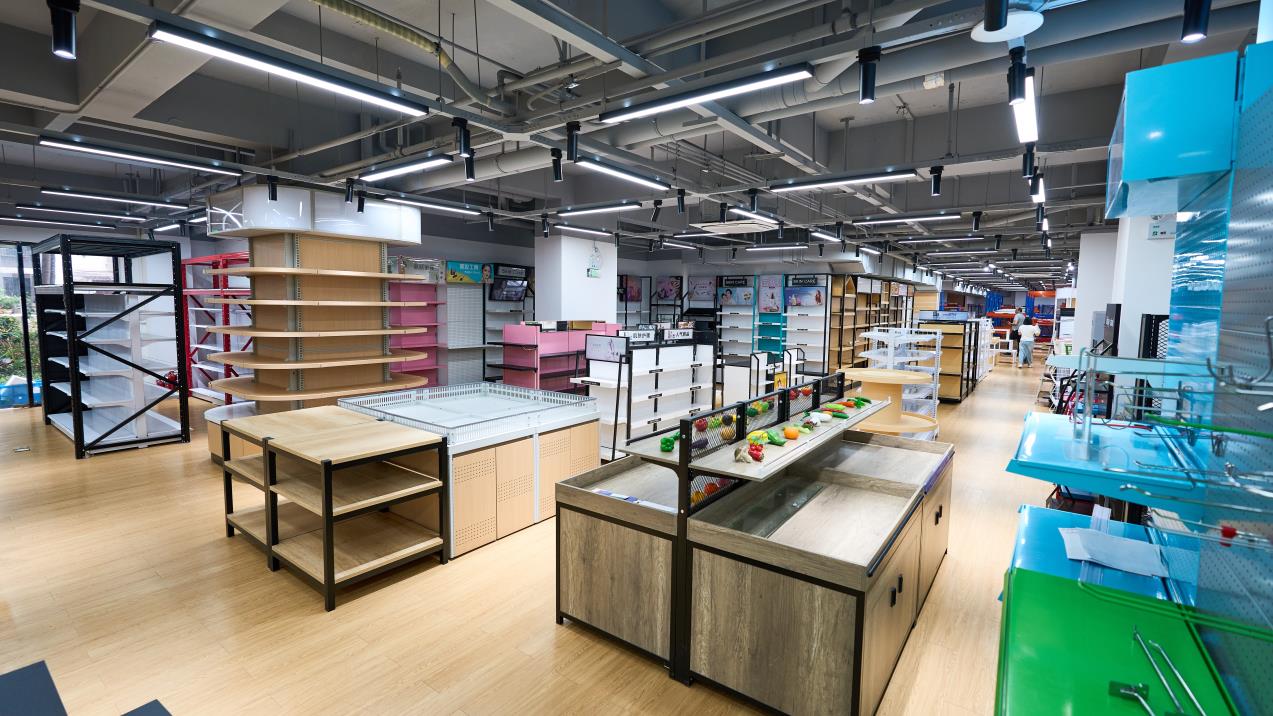
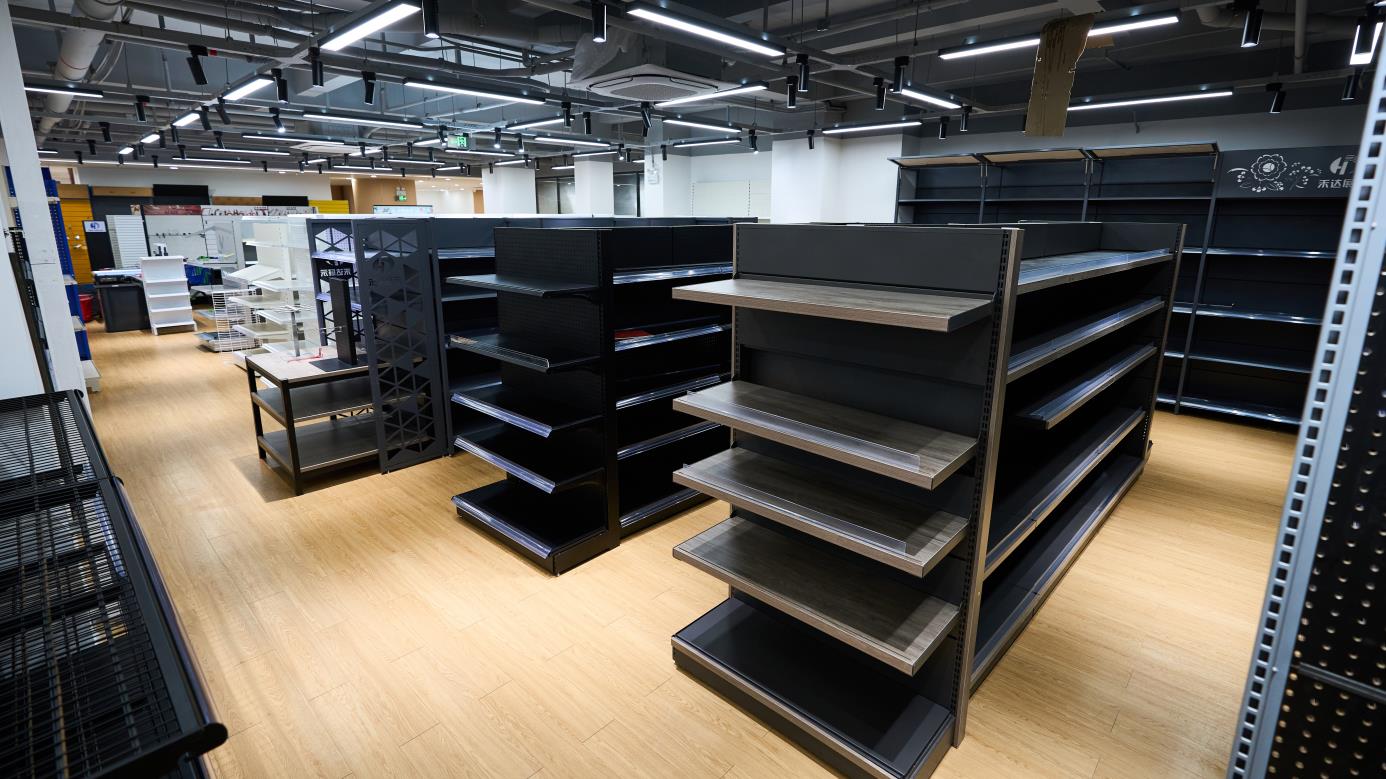
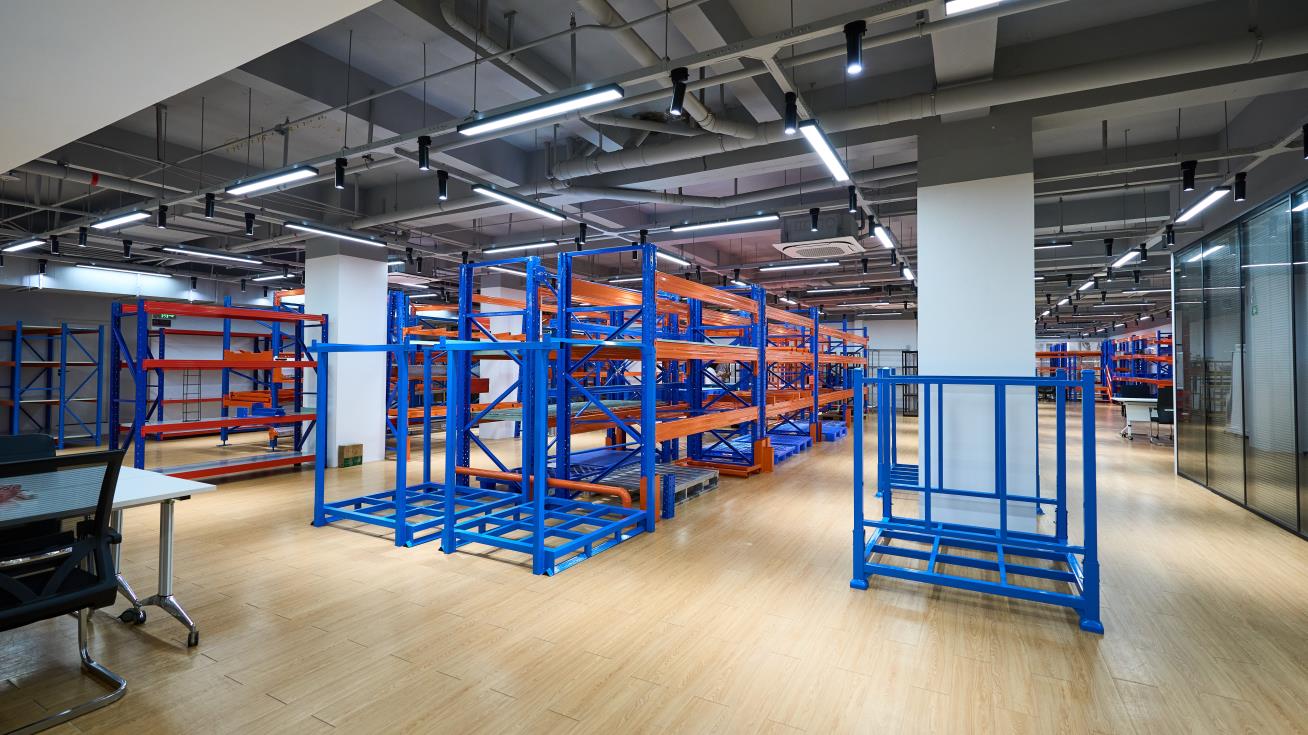
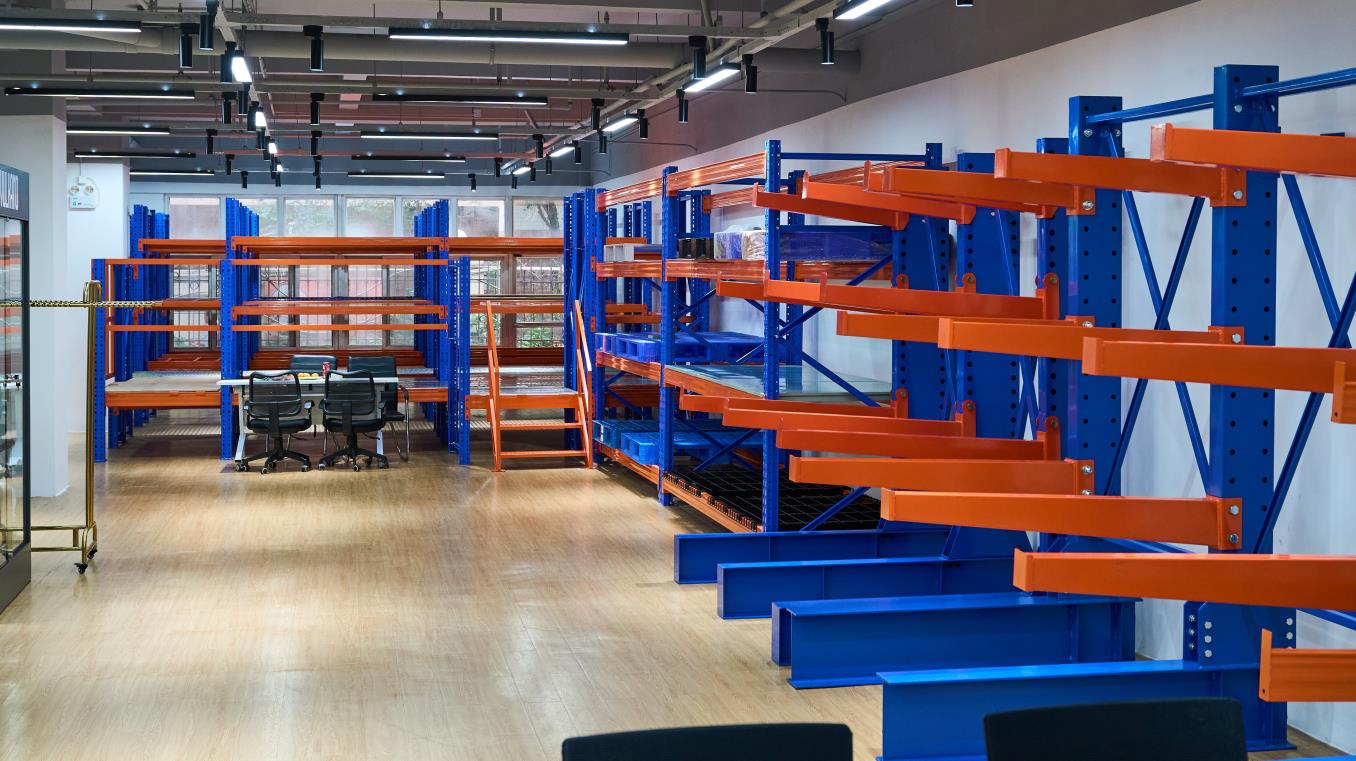
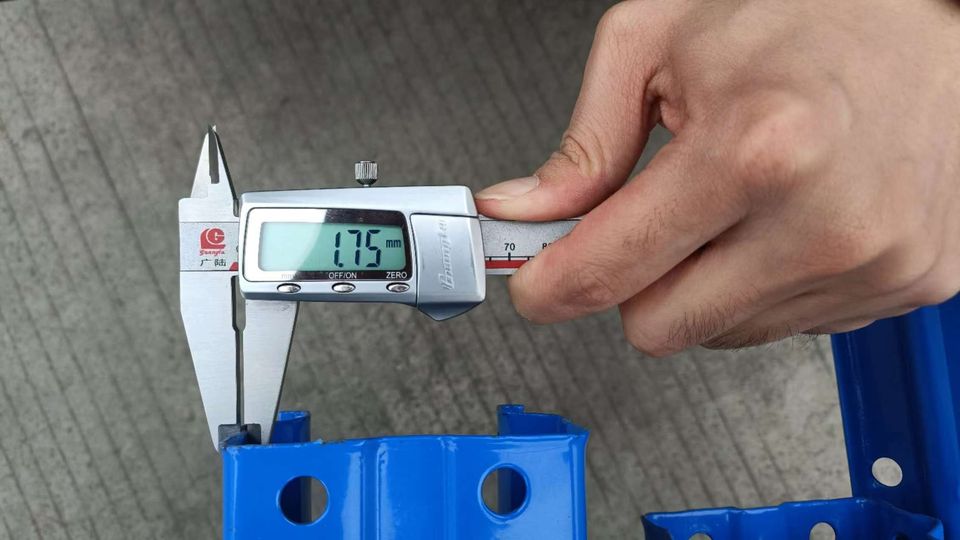
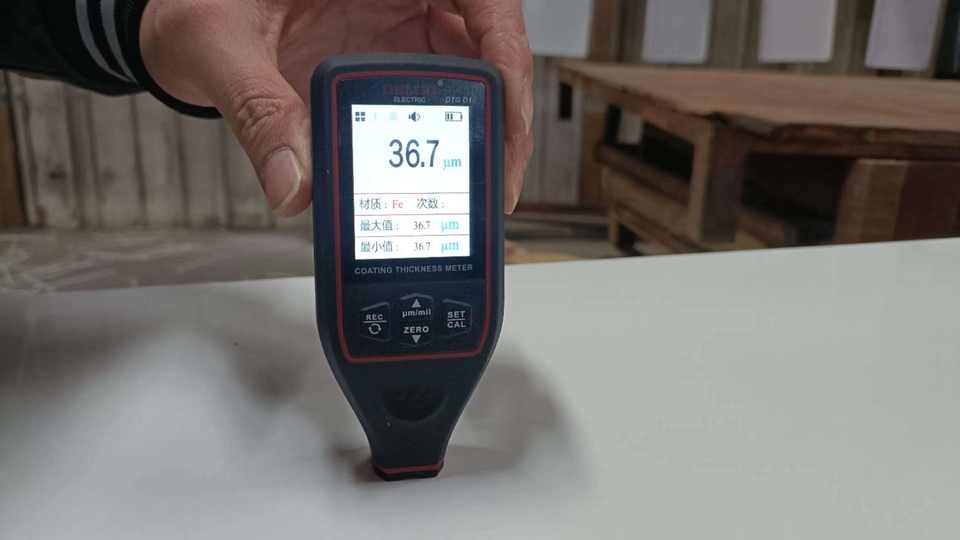
High-quality steel racking systems depend on chemical composition and structural design. We construct our systems using cold-rolled steel coils, which are formed to profile tolerances under strict quality control. This process ensures structural stability and uniform load capacity.
Our quality checks verify physical properties. Every batch of steel undergoes yield strength testing and chemical composition analysis. The powder coating layer is measured using digital thickness meters to ensure uniform protection against moisture, abrasion, and chemicals.
Find technical answers regarding structural specifications, custom OEM options, and global project delivery.
Heavy-duty racking structures, specialized healthcare solutions, and industrial wire systems built to exact technical specifications.
 CrownRacking