Engineered to maximize vertical efficiency, improve access safety, and lower operational overhead across diverse logistics ecosystems.
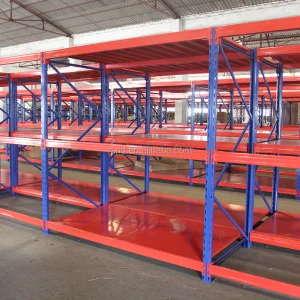
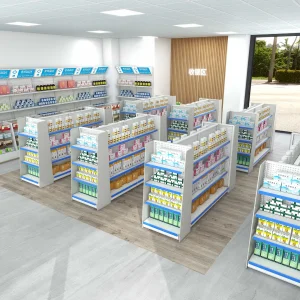
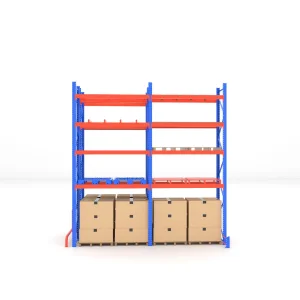
In modern industrial logistics, optimizing vertical airspace has shifted from a best practice to an operational necessity. As real estate costs rise and urban storage locations face space constraints, international supply chains are prioritizing vertical density over horizontal footprint expansion. High-quality overhead storage systems, heavy-duty industrial racking, and structurally integrated mezzanines serve as the architectural backbone of today's logistics hubs. Establishing partnerships with reliable manufacturers who can design, build, and certify these heavy load-bearing structural assets is crucial for operational safety and efficiency.
This industry report examines the capabilities of leading Chinese logistics equipment manufacturers, focusing on Ningbo CrownRacking Intelligent Warehouse Tech Co., Ltd. It details the manufacturing technologies, strict quality control standards, and compliance frameworks that global procurement teams must evaluate when selecting manufacturing partners in China.
A detailed review of production capabilities, structural testing regimes, and global service operations.
Ningbo CrownRacking Intelligent Warehouse Tech Co., Ltd. has been design-engineering and manufacturing heavy-duty logistics and warehouse storage systems since 2018. Operating from its 46,500 m² modern production facility, the company generates an annual export revenue of $42,000,000. This operational foundation is supported by 5 years of direct international trade experience and 8 years of dedicated industry leadership. CrownRacking manages projects from raw material selection through custom structural engineering to final global delivery.
"To ensure reliable structural performance under heavy loads, we utilize a Full-Cycle In-Line & Final Stress Load Inspection program. These processes are supported by automated Laser Coordinate Measuring and Coating Thickness Verification, managed by our 62-member QC team. Operating as a direct factory exporter with global turnkey project capabilities, our core export markets include Australia, Northern Europe, and North America."
CrownRacking supports its operations through a network of 1,850 supply chain partners, enabling consistent material access and component sourcing. The company serves client segments with demanding performance requirements, including pharmaceutical distribution networks, large-scale retail logistics parks, and heavy machinery industrial warehouses.
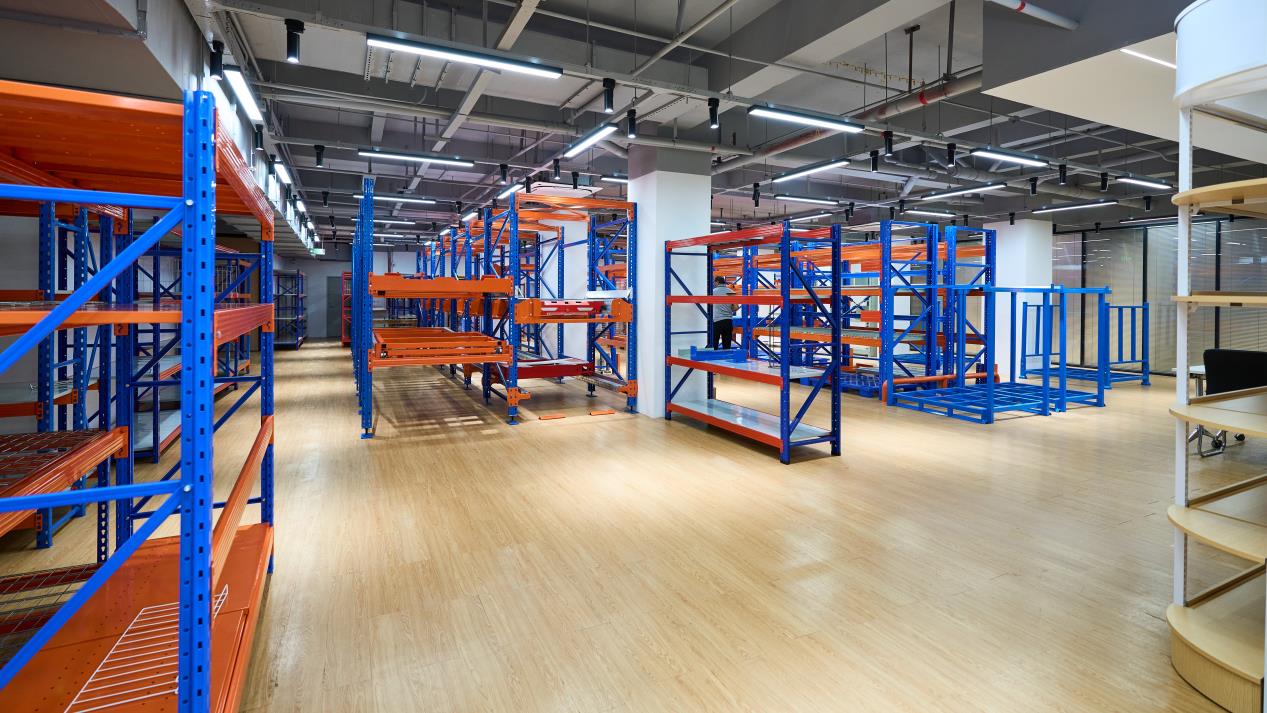
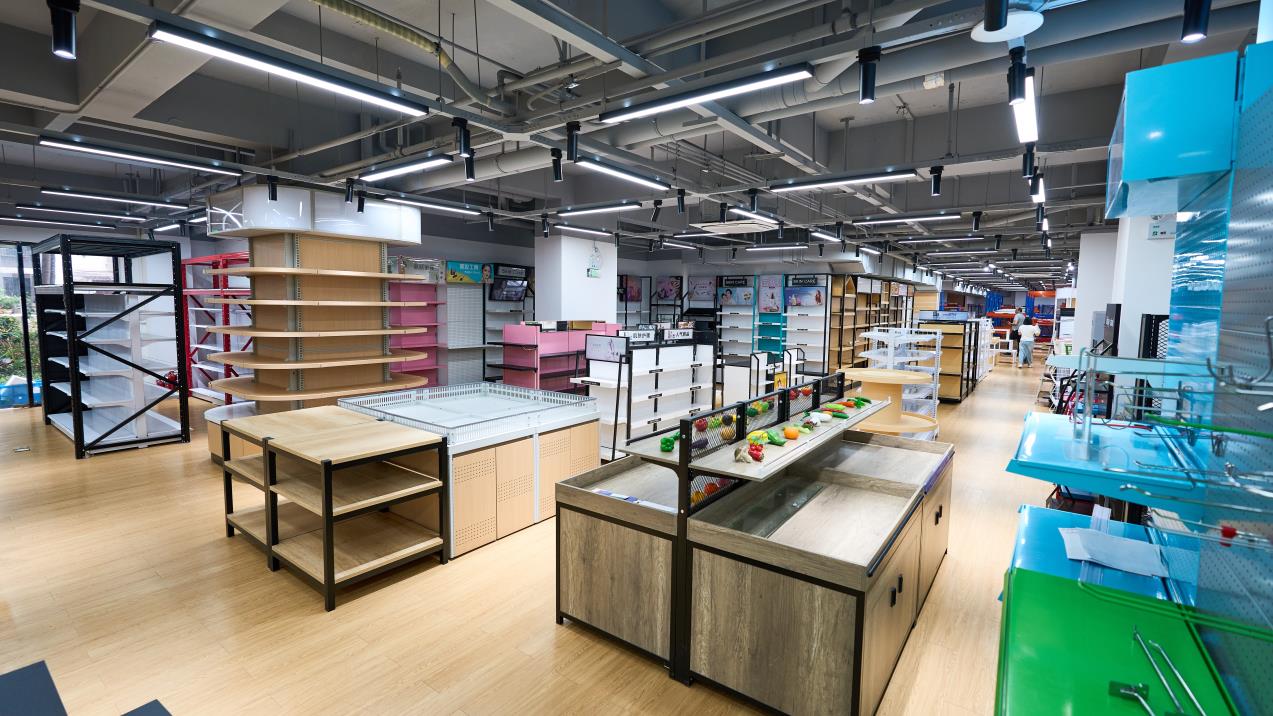
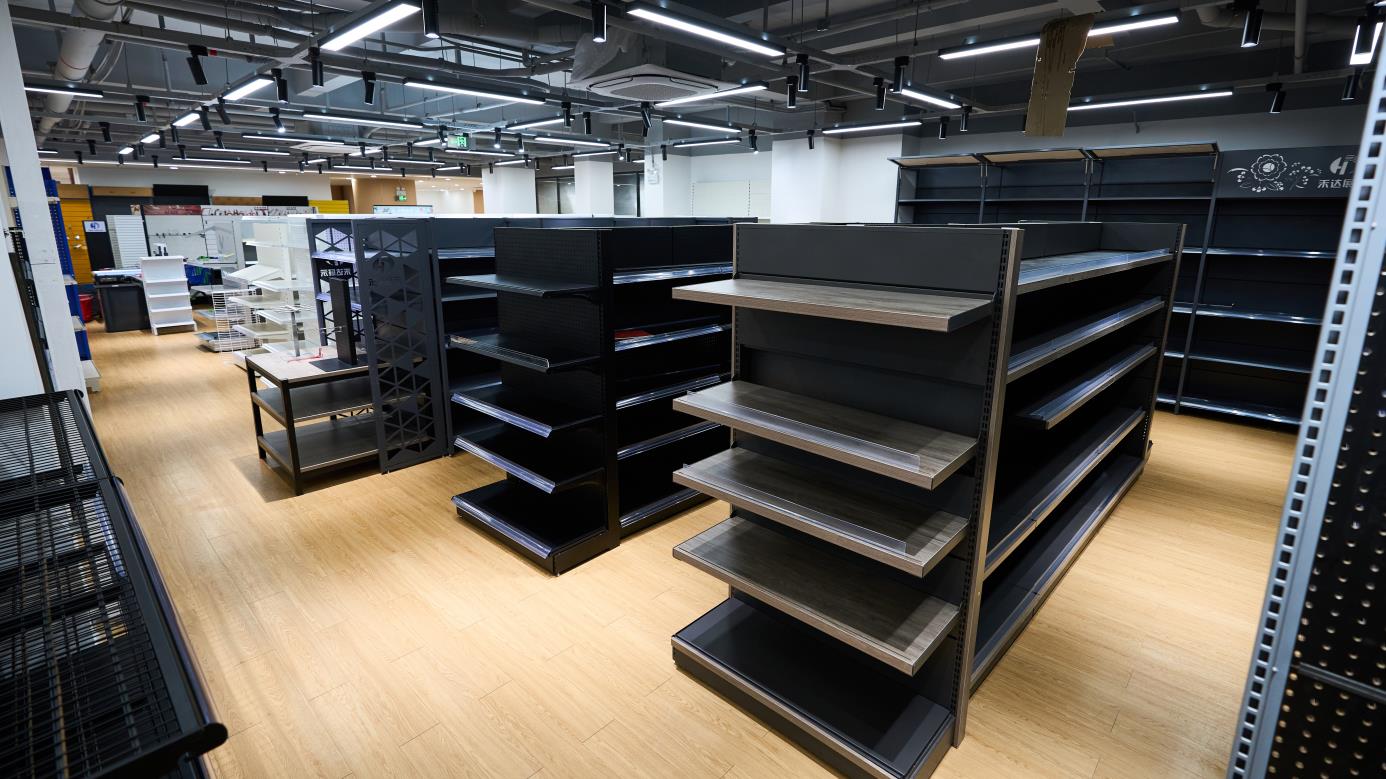
The company's core R&D program focuses on High-Density Cantilever Engineering and Multi-Tier Mezzanine Structural Design. CrownRacking offers comprehensive customization services, including custom RAL color matching, seismic-bracing design, and specialized steel rack upright protectors. Over the past year, the company's 54 R&D engineers launched 85 new product designs to address changing material handling requirements.
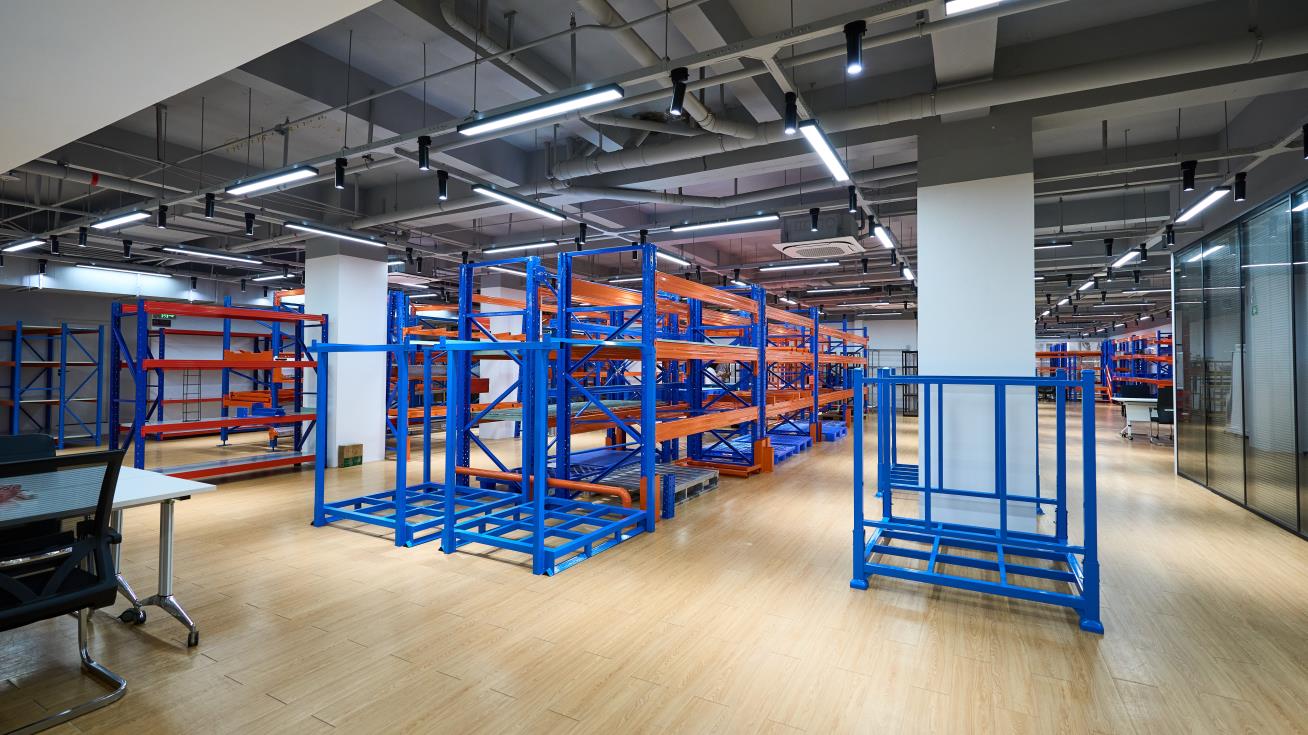
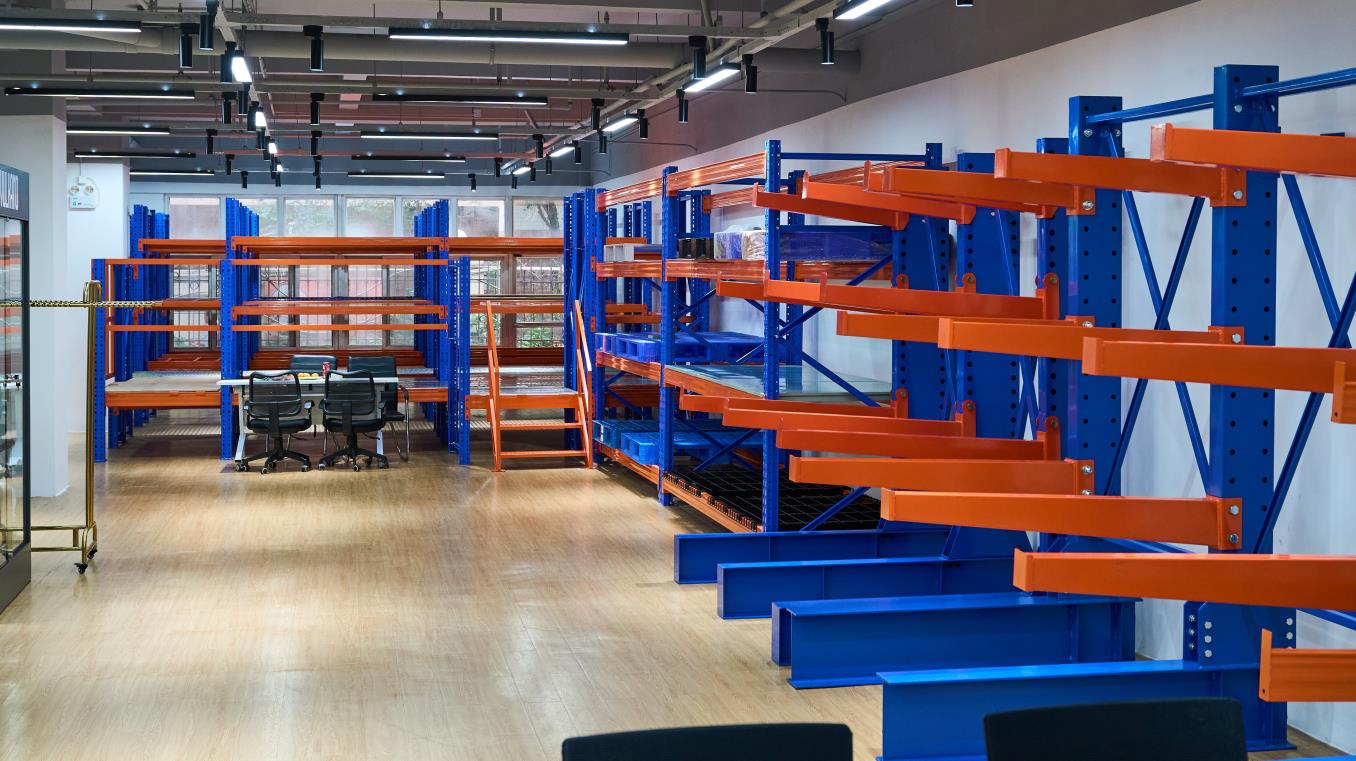
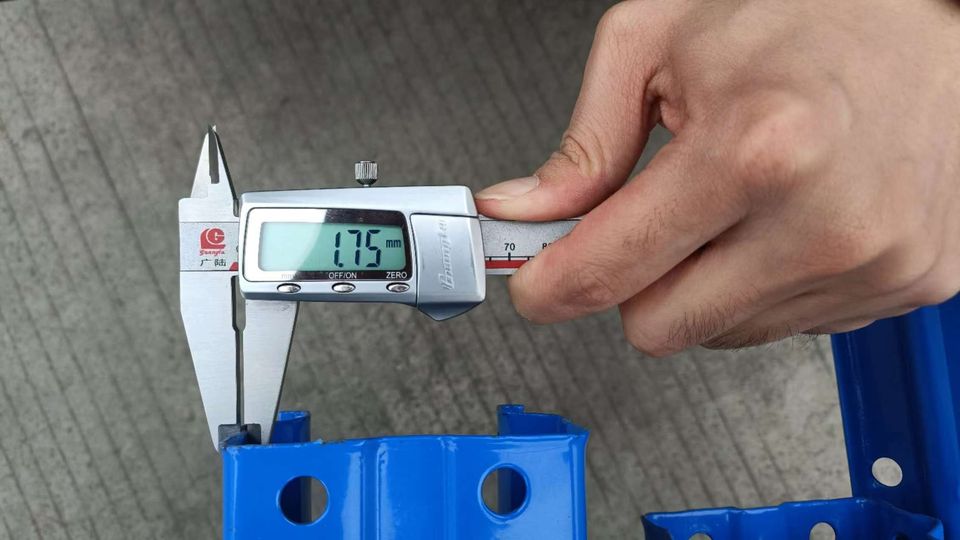
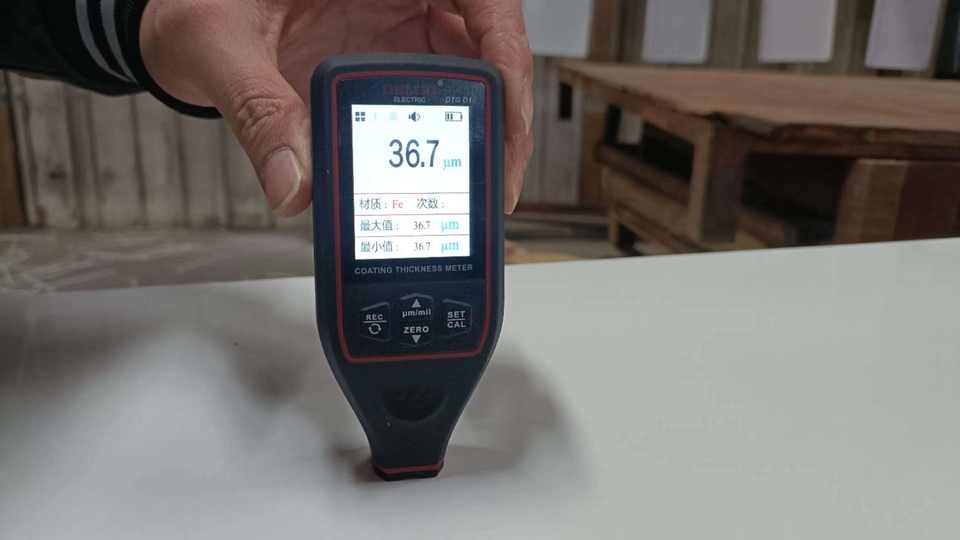
Maintaining tight tolerances in cold-rolled steel profiles is critical for safety in high-density overhead storage. CrownRacking's quality assurance team uses precision calipers to measure dimensional variations across columns and beam connections. They also utilize advanced coating thickness testers to verify the thickness of the electrostatic powder-coated or hot-dip galvanized barrier, preventing corrosion in high-humidity or cold-chain storage environments.
How automation and local supply integration deliver cost efficiency and high product consistency.
The manufacturing process for overhead storage has shifted from basic steel fabrication to high-precision structural engineering. Under the Industry 4.0 framework, leading Chinese factories utilize automated systems to manage quality, reduce lead times, and optimize cost-to-value performance. Key technological integrations include:
Computer-controlled roll-forming mills produce consistent upright profiles. In-line punch systems pierce attachment slots with sub-millimeter accuracy, ensuring aligned connections and uniform load distribution across high-bay installations.
Welding connectors to load beams requires consistent penetration. Multi-axis robotic arms deliver uniform weld paths and thermal control, minimizing localized stress concentrations and preventing weld-joint failures under heavy loads.
Industrial coating starts with detailed surface preparation. Automated chemical wash systems remove scale and mill oils, creating a surface for electrostatic powder deposition. This process ensures paint adhesion that resists abrasion and impacts.
Proximity to key raw materials is another operational advantage. Ningbo-based manufacturers maintain direct access to major Chinese steel producers, ensuring reliable sourcing of structural steel grades like Q235B and Q355B. This close integration protects production schedules from global steel market volatility and ensures stable pricing for complex global projects.
Tailored structural configurations designed to meet the operational demands of diverse business sectors.
Logistics requirements vary significantly by industry sector. A standard warehousing solution cannot support the high-density requirements of a pharmaceutical cold chain, nor the high-load demands of a heavy machinery component distributor. The table below outlines how specific racking designs address these industrial needs:
| Storage System Type | Target Industry Vertical | Core Technical Advantage | Load Capacity Range |
|---|---|---|---|
| Steel VNA & Shuttle Racking | Pharmaceuticals & Cold-Chain Log. | Ultra-dense storage with automated access, reducing forklift travel and maintaining strict temperature control. | 200kg to 500kg per position |
| High-Density Mezzanines | Retail Fulfillment & E-Commerce | Maximizes vertical space by adding multi-level walking platforms, separating manual picking from bulk pallet storage. | 300kg to 1000kg per m² |
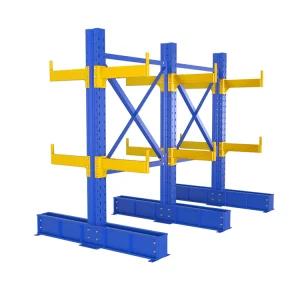
| Heavy Cantilever Racks | Industrial Pipes, Tubing & Lumber | Eliminates front-upright obstructions, allowing secure overhead storage of long and heavy materials. | 500kg to 3000kg per arm |
| Structural Pallet Racks | Heavy Machinery & Tooling Yards | Thick steel beam configurations designed to withstand forklift impacts in high-traffic logistics environments. | 1000kg to 4000kg per level |
Pharmaceutical distribution centers must balance high-density storage with precise trace-and-recall capabilities. High-density shuttle systems allow automated inventory rotation, ensuring First-In, First-Out (FIFO) compliance. Powder-coated systems prevent flaking, and smooth steel surfaces simplify cleaning, supporting compliance with international medical storage standards.
E-commerce and retail fulfillment centers require modular storage configurations to adapt to seasonal inventory changes. Multi-tier mezzanine systems convert unused building heights into pick modules. By combining light-duty shelving with heavy-duty structural frames, these facilities can scale storage capacity without modifying the external building shell.
Industrial manufacturing warehouses handle heavy, irregularly shaped loads like casting dies, sheet metal, and motors. These operations require heavy-duty storage racks with load ratings exceeding 1,000 kg. High-capacity cantilever designs and roll-out shelving units allow crane-assisted top loading and prevent structural deformation under heavy, static loads.
Navigating global structural standards, seismic zoning laws, and certification requirements.
Procuring overhead storage from overseas requires careful alignment with local structural standards. The table below highlights key regional compliance frameworks that manufacturers must satisfy before installation:
| Target Market | Standard Reference | Key Requirements |
|---|---|---|
| North America | RMI (Rack Manufacturers Institute) / ANSI MH16.1 | Detailed calculations for structural load capacity, impact safety factors, and dynamic seismic testing. |
| Europe (EU & Nordics) | EN 15512 / EN 15635 / FEM Standards | Limitation of structural deflections, mandatory safety markings, and documented periodic inspection protocols. |
| Australia / New Zealand | AS 4084-2012 / AS 1170.4 | Mandatory seismic design provisions, specific baseplate anchors, and load configuration labeling. |
CrownRacking manages these compliance requirements by employing structural engineers who specialize in analyzing regional load and seismic requirements. Using FEA (Finite Element Analysis) software, the engineering team tests racking frames against virtual seismic events. This step ensures that all exported systems feature appropriate column thicknesses, baseplate weld details, and cross-bracing to meet the safety requirements of the destination country.
The transition toward smart, interconnected, and carbon-neutral warehousing systems.
The industrial storage sector is evolving to incorporate smart features, automation, and sustainable materials. The next generation of overhead storage systems will function as active components of the digitized supply chain. Key development areas include:
Future high-bay systems will integrate strain gauges and piezoelectric sensors into high-impact zones. These sensors record loading profiles and monitor structural shifts, sending alerts to maintenance teams before minor damage can escalate.
Leading factories are adopting eco-friendly processes. Using high-strength steel alloys allows manufacturers to reduce component weight and material use while maintaining load capacities. Powder coating lines are also transitioning to heat-recovery systems to reduce energy consumption.
Modern storage designs are optimized to work with Automated Guided Vehicles (AGVs) and Autonomous Mobile Robots (AMRs). Racking systems feature guide rails, reflective target paths, and magnetic strips to support automated stock placement and retrieval.
Key technical answers for procurement teams and industrial operations managers.
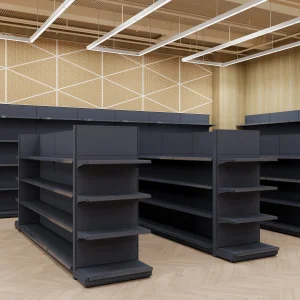
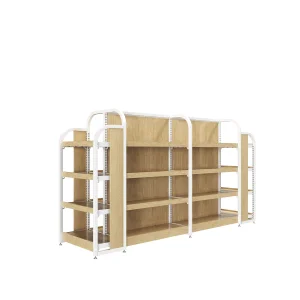
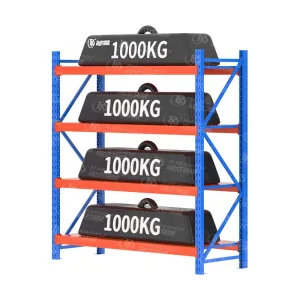
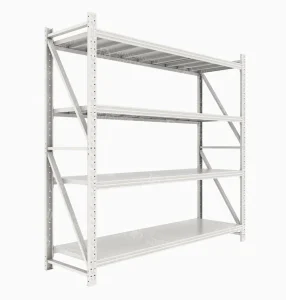
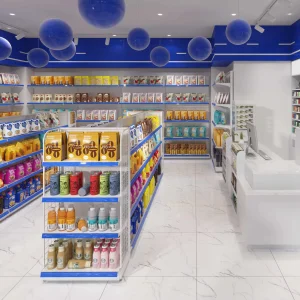
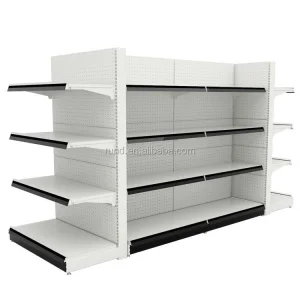
Explore our complete range of light to heavy-duty storage solutions designed for retail displays and heavy industrial operations.
 CrownRacking