The Metropolitan New York area supports one of the most complex food supply chains in the world. As the logistics gateway for imports and regional distribution, the Tri-State market relies heavily on optimized warehousing systems to preserve freshness and ensure high product throughput. From the massive wholesale hubs of the Hunts Point Cooperative Market in the Bronx to specialized micro-fulfillment hubs across Queens and Brooklyn, regional fresh produce suppliers operate under extreme space limitations and strict environmental constraints.
Real estate values in the NYC metro region force logistics facilities to maximize spatial density. Conventional warehousing is no longer economically viable; local distributors must utilize high-rise, narrow-aisle pallet racking systems that double structural volume without expanding building footprints. These environments require structural racks capable of resisting corrosion from high-humidity cold chambers while supporting load capacities up to 1,000kg per level.
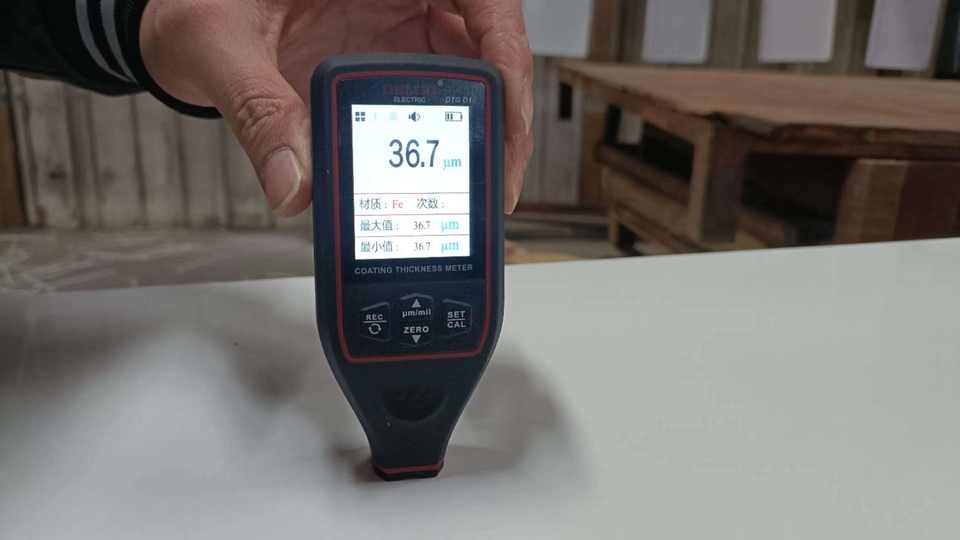
Furthermore, sanitary regulations mandated by the USDA and local New York health agencies require food and beverage storage systems to be easily cleanable and built with food-grade finishes. Racks and shelves must withstand rigorous sanitization protocols, chemical washdowns, and low temperatures without structural deterioration. Therefore, choosing the correct coating thickness and base steel quality is vital to preventing oxide formation and premature structural collapse.
Modern distribution complexes in North America demand reliable supply chains. As global procurement officers optimize their vendor portfolios, partnering with vertically integrated manufacturers becomes a core business strategy. Direct-to-factory global sourcing minimizes redundant distribution markups and allows for customization to meet complex logistics needs.
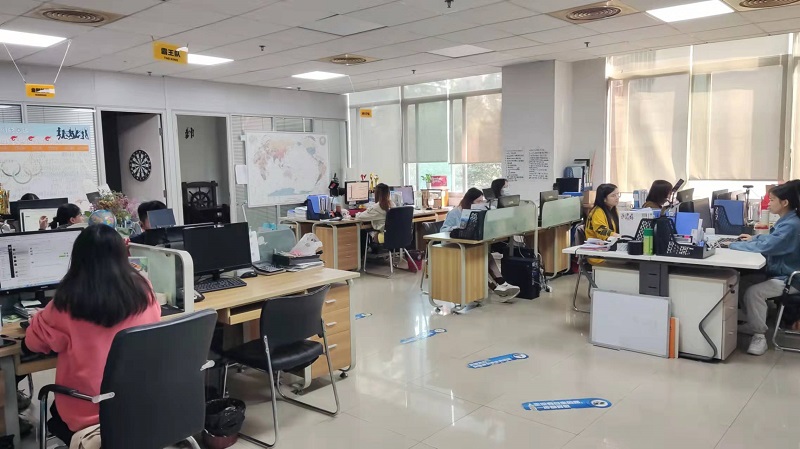
As a leading developer in industrial storage architecture, Ningbo CrownRacking Intelligent Warehouse Tech Co., Ltd. has set industry benchmarks since 2018. Operating a state-of-the-art 46,500 m² modern production facility, we maintain a robust export volume with annual sales reaching $42,000,000. Supported by 8 years of dedicated industry leadership and 5 years of international trade experience, we provide end-to-end global project integration for heavy logistics networks, clinical distribution parks, and retail retail outlets worldwide.
To ensure high performance under heavy loads, we utilize advanced structural materials and modern coating technologies. Our internal R&D capabilities focus on High-Density Cantilever Engineering and Multi-Tier Mezzanine Platforms designed for heavy industrial use. Standard components include custom RAL color matching, specialized seismic bracing layouts, and reinforced column base guards.
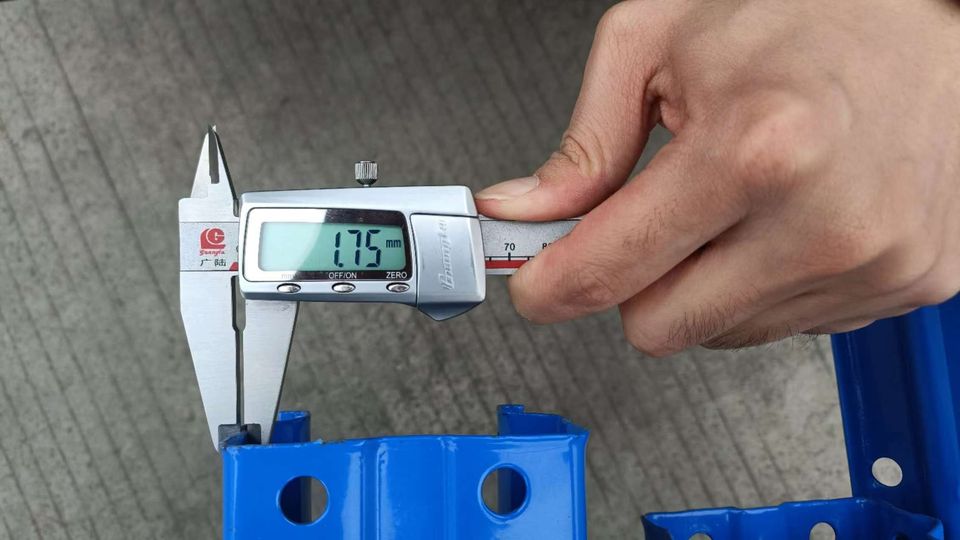
Our quality assurance program is backed by 62 QC specialists. Every production run undergoes Full-Cycle In-Line & Final Stress Load Inspections. We verify tolerances using Laser Coordinate Measuring and evaluate finish durability using advanced Coating Thickness Verification. In the past year alone, our engineering team of 54 R&D engineers launched 85 new products, demonstrating our commitment to continuous research and development.
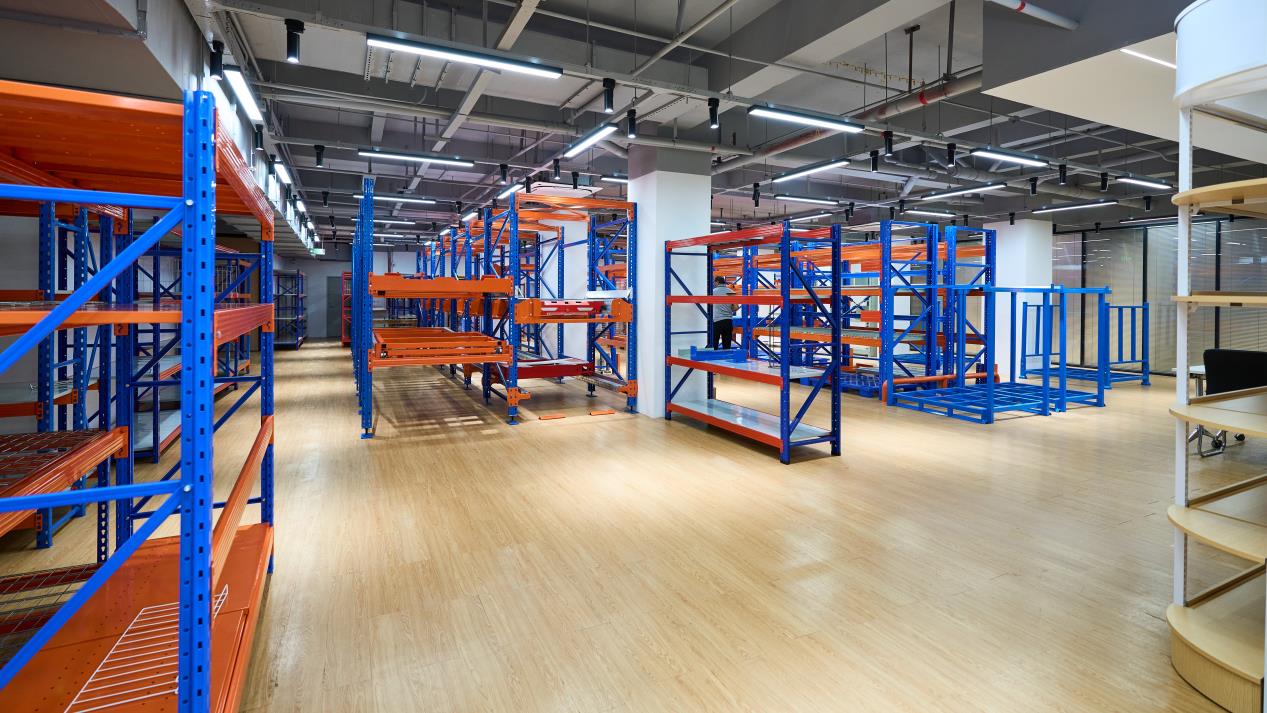
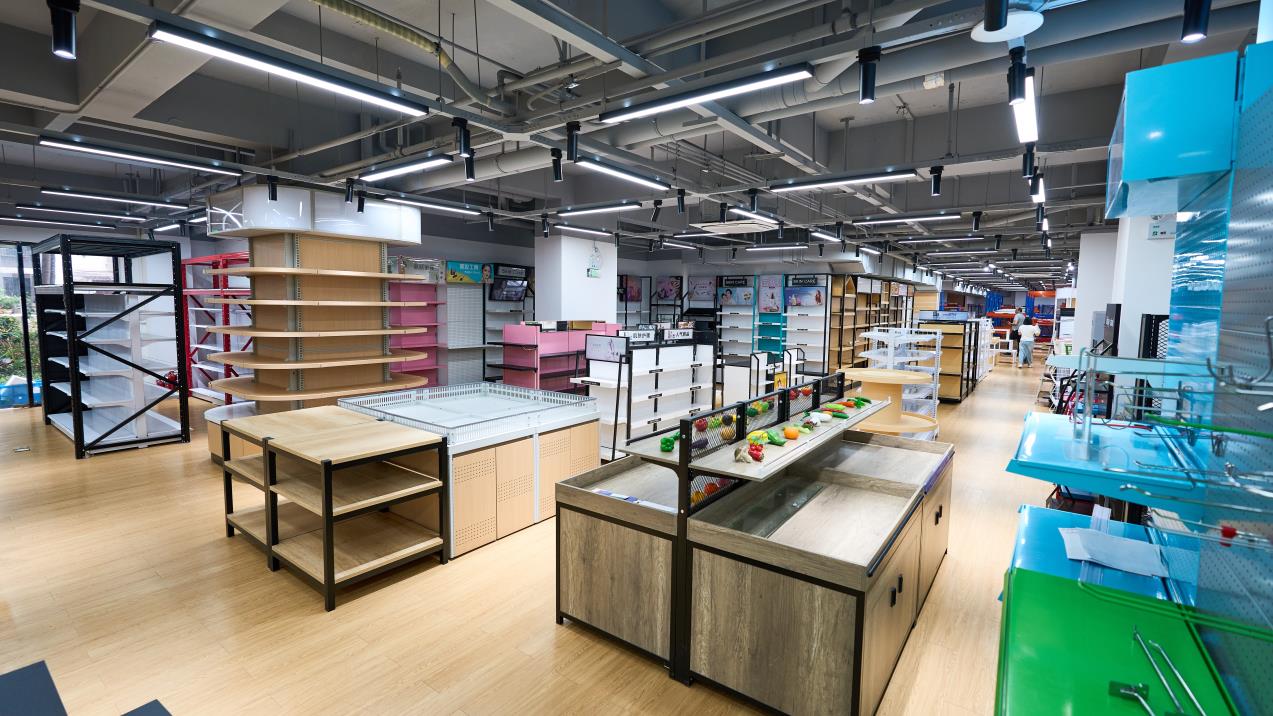
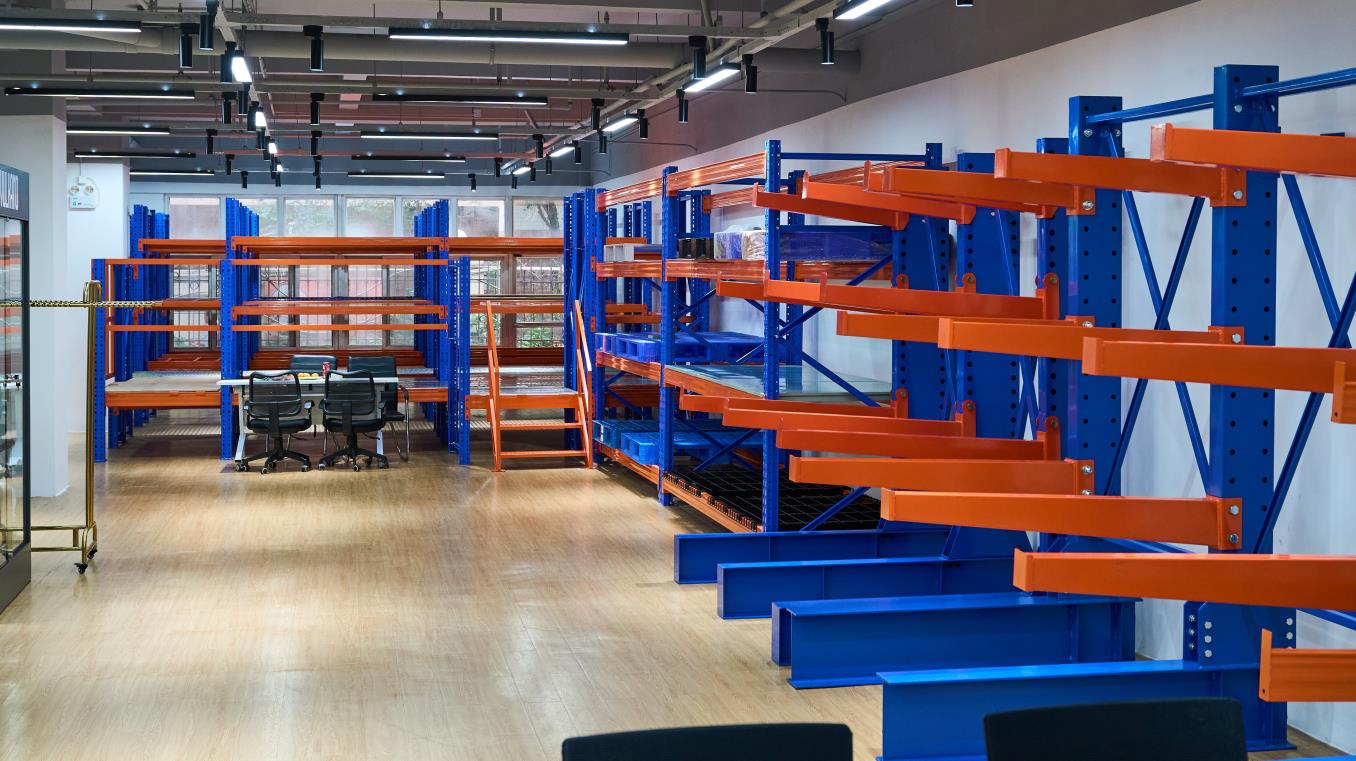
Driven by rapid growth in digital order fulfillment, food logistics networks are transitioning toward semi-automated storage models. Multi-tier mezzanine systems, automated pallet shuttles, and very-narrow-aisle (VNA) racking systems are now standard requirements for cold-chain facilities looking to maximize storage capacity.
Cold-chain systems face challenging environmental conditions, particularly when moving between cold storage and ambient temperatures, which causes condensation. To address this, our research team is developing advanced zinc-alloy anti-microbial coatings. These finishes prevent moisture-driven oxidation and inhibit bacteria growth on storage surfaces, ensuring compliance with international health and safety codes.
Structural reliability in high-capacity warehouses requires strict engineering calculations. In seismic zones, design specifications must follow exact structural codes (including the RMI specifications in North America). Our engineering team performs full finite element analysis (FEA) to confirm that frame and connector designs meet the dynamic requirements of local building departments, reducing risks in high-load configurations.
 CrownRacking